





What Is A Prolouge Overview
Many newcomers to clone hero charts assume they are complex and intimidating, but in reality, they are a simple and effective tool for music gamers. These charts, often associated with games like Clone Hero and Guitar Hero, provide an easy-to-read visual representation of the song's notes and rhythms. While there may be variations in chart formats, the core principle remains the same: a clear path to follow, much like a note highway.
What Are Clone Hero Charts?
Clone Hero charts are a visual representation of a song's notes and their timing, designed to guide players through the gameplay of Clone Hero, a popular music rhythm game. These charts are essentially a roadmap for players to follow, indicating when and where to press the corresponding buttons to hit the notes accurately.
Understanding the Layout and Key Details
The chart displays a note stream, often referred to as the note highway or note track, which represents the flow of notes in a song. Each note is represented by a small circle or marker, and these notes are arranged in a specific pattern across the chart. The chart typically uses a grid-like structure, with the vertical axis indicating time and the horizontal axis representing the different lanes or frets. The notes are color-coded, with each color corresponding to a specific button or fret on the game's controller. Common colors include red, yellow, green, blue, and orange, each associated with a particular button. Additionally, the chart may include special notes, such as star power notes, indicated by unique symbols.
Reading the Note Stream and Playing the Song
To read and play a Clone Hero chart accurately, follow these steps:
- Start by familiarizing yourself with the layout and note colors. Ensure you know which color corresponds to which button or fret.
- Observe the note stream and identify the pattern. Notes are often grouped together in chords or sequences, so recognizing these patterns is crucial.
- As the song progresses, pay attention to the timing. The vertical axis indicates when each note should be played.
- Press the corresponding button or fret when the note marker reaches the designated lane. This action simulates strumming or fretting on a real guitar.
- For more advanced techniques, such as star power activation or specific finger placements, refer to the chart's symbols and follow the indicated actions.
Variations and Differences in Chart Standards
Clone Hero charts can vary depending on the song's genre, difficulty level, and the creator's style. Different chart makers may have unique approaches to note placement and timing, leading to variations in the chart's layout and complexity. Additionally, regional differences and game version updates can impact chart standards. Always check the chart's metadata or accompanying information to ensure you are using the correct version for your game setup.
Common Mistakes and How to Avoid Them
One of the most common mistakes is failing to recognize note patterns and timing accurately. Take time to study the chart and understand the song's rhythm. Another pitfall is neglecting to calibrate your game settings, which can cause timing issues. Ensure your game is properly calibrated to match your input device's response time. Additionally, some players may rush through the song, leading to missed notes. Maintain a steady pace and focus on precision.
Practical Tips for Accurate Chart Reading
To enhance your chart-reading skills and gameplay, consider these tips:
- Practice recognizing note patterns and chord progressions. This skill will improve your ability to anticipate and play notes accurately.
- Use practice modes or slower song speeds to familiarize yourself with the chart before attempting a full playthrough.
- Pay attention to your finger placement and strive for consistency. Proper finger placement can improve your accuracy and reduce fatigue.
- Take breaks and rest your hands to prevent strain, especially during longer play sessions.
Double-Checking and Handling Edge Cases
While Clone Hero charts provide a comprehensive guide, it's essential to double-check specific details, especially for complex songs or unique gameplay elements. Some charts may include custom symbols or notation, so refer to the chart's documentation or creator's notes for clarification. Additionally, if you encounter a chart with an unfamiliar layout or notation style, consider seeking guidance from the Clone Hero community or referencing other charts for comparison.
Well, there you have it! Clone hero charts are a handy tool, and now you know the ins and outs. Remember, the key is to understand the basics and then tailor them to your specific needs.
Before you go, just a quick reminder to always check the relevant standards and sources for your project. Exact values and terminology can vary, so it's best to double-check and ensure accuracy. Consider this guide a starting point, and feel free to bookmark it for future reference. Happy charting!
Related: What is the USMC Ribbon Chart?
A common misconception about the usmc ribbon chart is that it's solely for military personnel, but this reference tool is incredibly valuable for a wider audience. While it's true that the chart is an essential part of a Marine's uniform and awards system, it also serves as a clear and concise guide for anyone interested in understanding military awards and their significance.
The usmc ribbon chart provides a visual representation of various awards and their respective placements, offering a quick reference for accurate ribbon display. Whether you're a military enthusiast, a historian, or simply curious about the military's recognition system, this chart is an accessible way to learn and appreciate the importance of these awards.
Understanding Ribbon Order and Placement
The USMC ribbon chart is a visual reference guide that helps organize and display the various awards and decorations earned by members of the United States Marine Corps. It provides a clear and standardized way to arrange and present these ribbons, ensuring consistency and an accurate representation of an individual's achievements.
Comparing Ribbon Formats and Standards
The chart typically follows a specific order, with ribbons arranged in rows, often from left to right, and with each row representing a different category or type of award. The ribbons are usually displayed in their full-size format, with each ribbon's unique design and colors representing its specific award.
Step-by-Step Guide to Using the Ribbon Chart
- Start by identifying the different categories of awards. These may include campaign or expeditionary medals, personal decorations, unit awards, and service medals, among others. Each category will have its own unique set of ribbons.
- Within each category, ribbons are typically arranged in order of precedence, with the most senior or prestigious award at the top. This order is important to maintain when displaying ribbons, as it reflects the significance of each award.
- Pay attention to the specific placement and spacing of ribbons. Some ribbons may have unique shapes or designs that require specific positioning to ensure they are displayed correctly and visibly.
- When displaying multiple rows of ribbons, ensure that each row is aligned and evenly spaced. This creates a visually appealing and organized display, making it easier to identify and appreciate each ribbon.
Common Misreadings and How to Avoid Them
One common mistake is misinterpreting the order of precedence. It's important to refer to the official guidelines or regulations when unsure about the correct order, as this can vary depending on the specific award or the individual's service history.
Another pitfall is assuming that all ribbon charts are universal. While the USMC ribbon chart provides a standard guide, there may be variations or exceptions, especially when dealing with international awards or specialized units. Always double-check the specific requirements and guidelines for each award to ensure accurate placement and display.
Remember, the USMC ribbon chart is a valuable tool for organizing and showcasing achievements, but it requires attention to detail and an understanding of the unique characteristics of each ribbon and award.
Remember, while this chart is an excellent tool, it's always wise to cross-reference and ensure you have the most up-to-date information for your specific needs. Double-checking with official sources can save you from any potential pitfalls.
Consider bookmarking this page for future reference; it's a handy resource to have at your fingertips when you need a quick reminder or a more detailed look at the ribbon chart and its applications.
Related: What's the bit size chart I need?
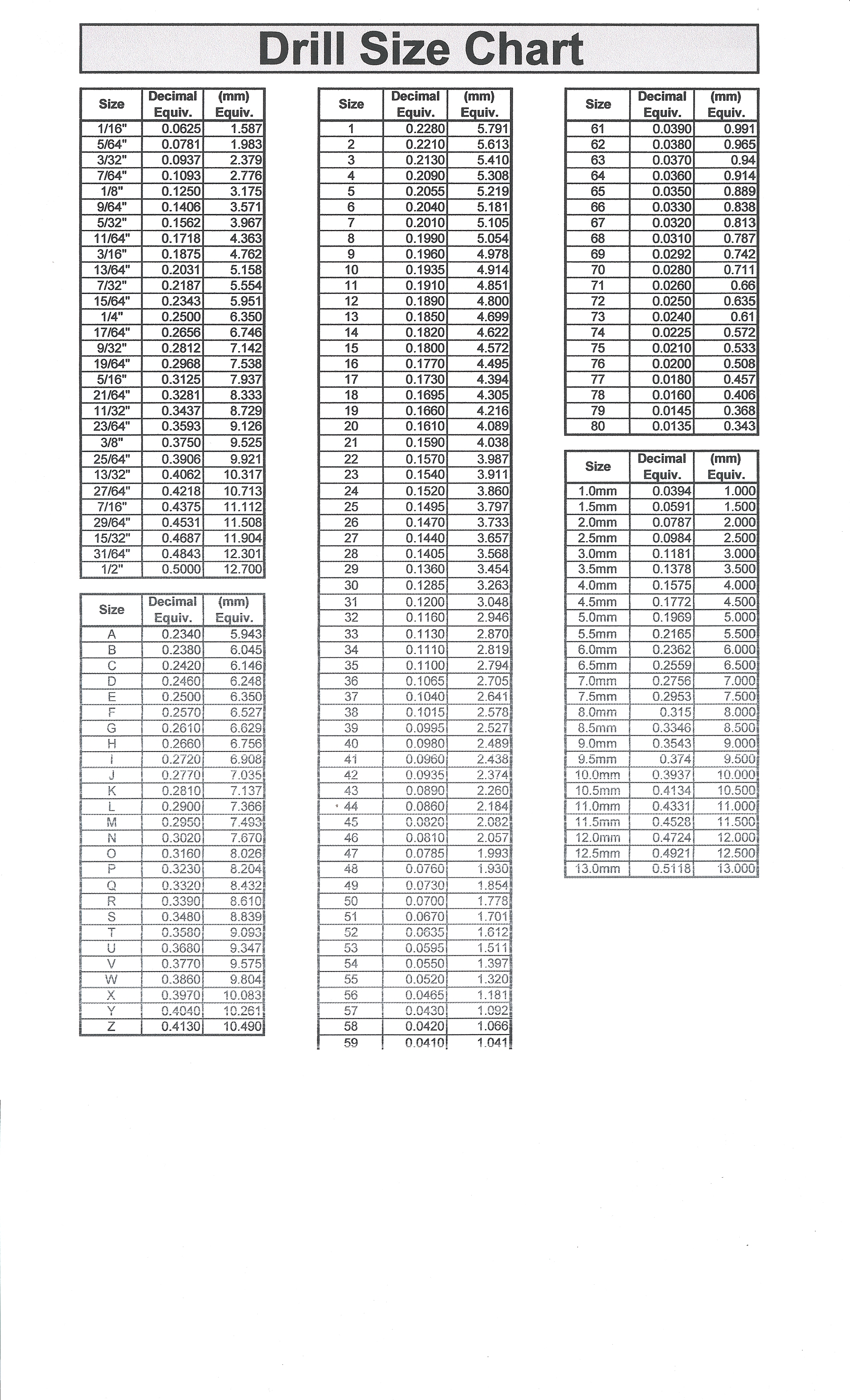
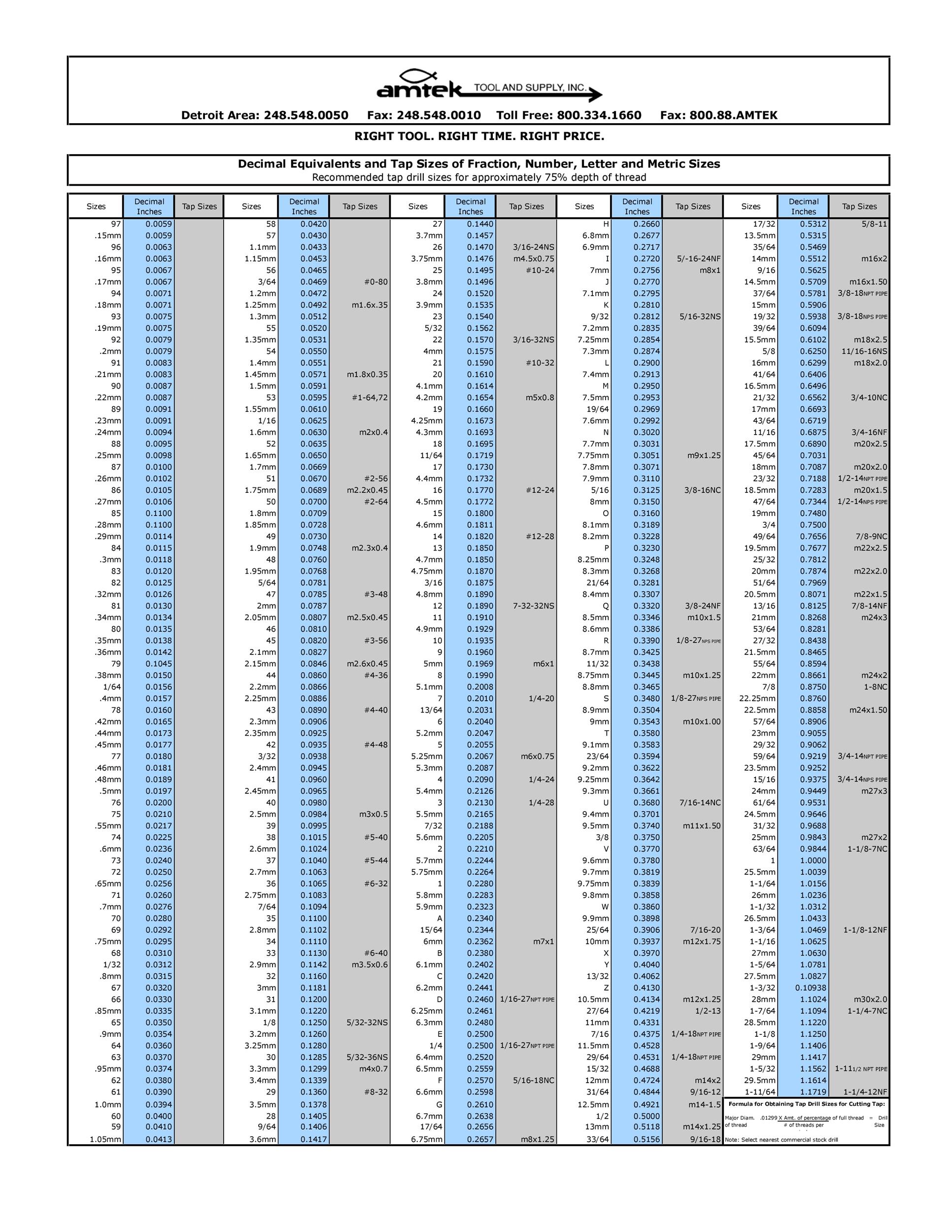
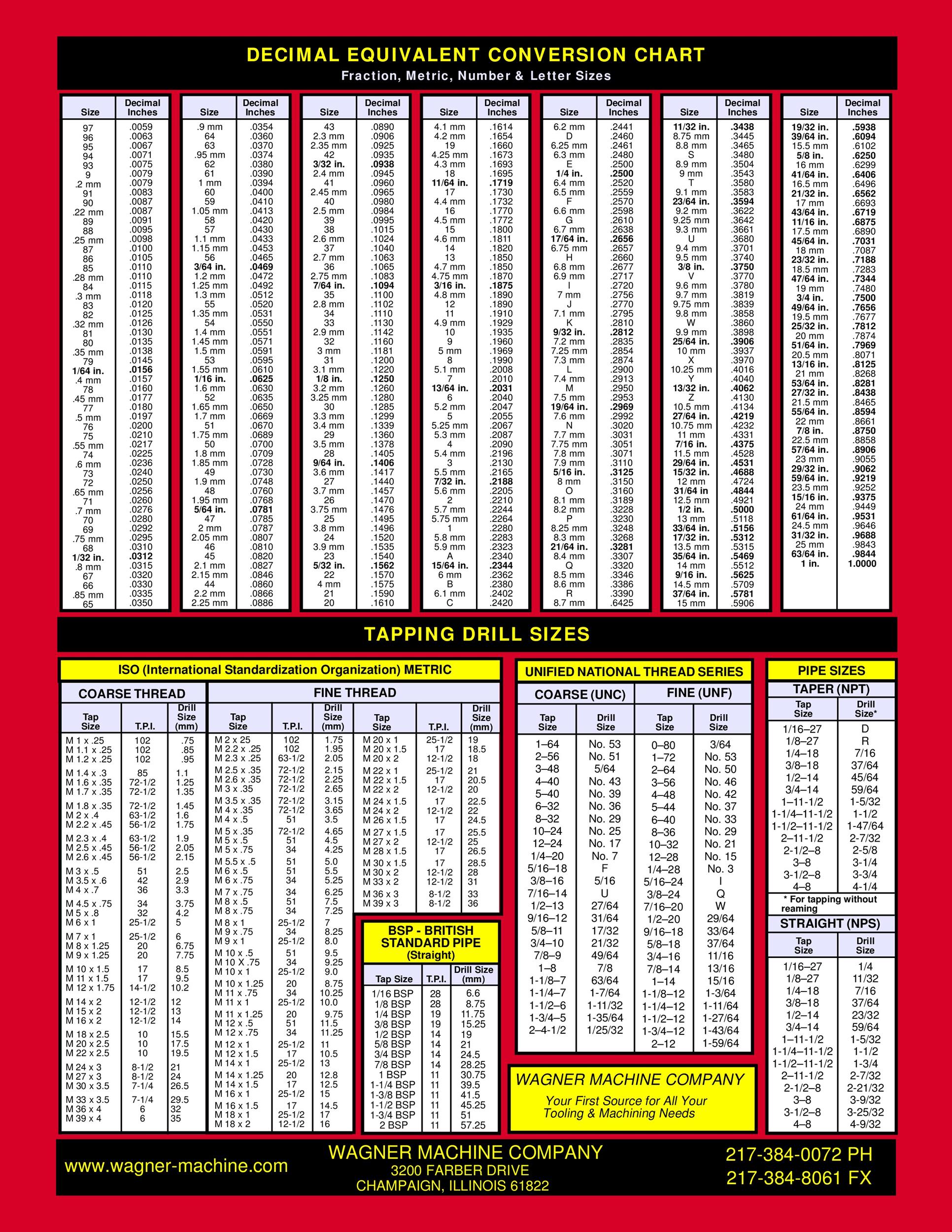
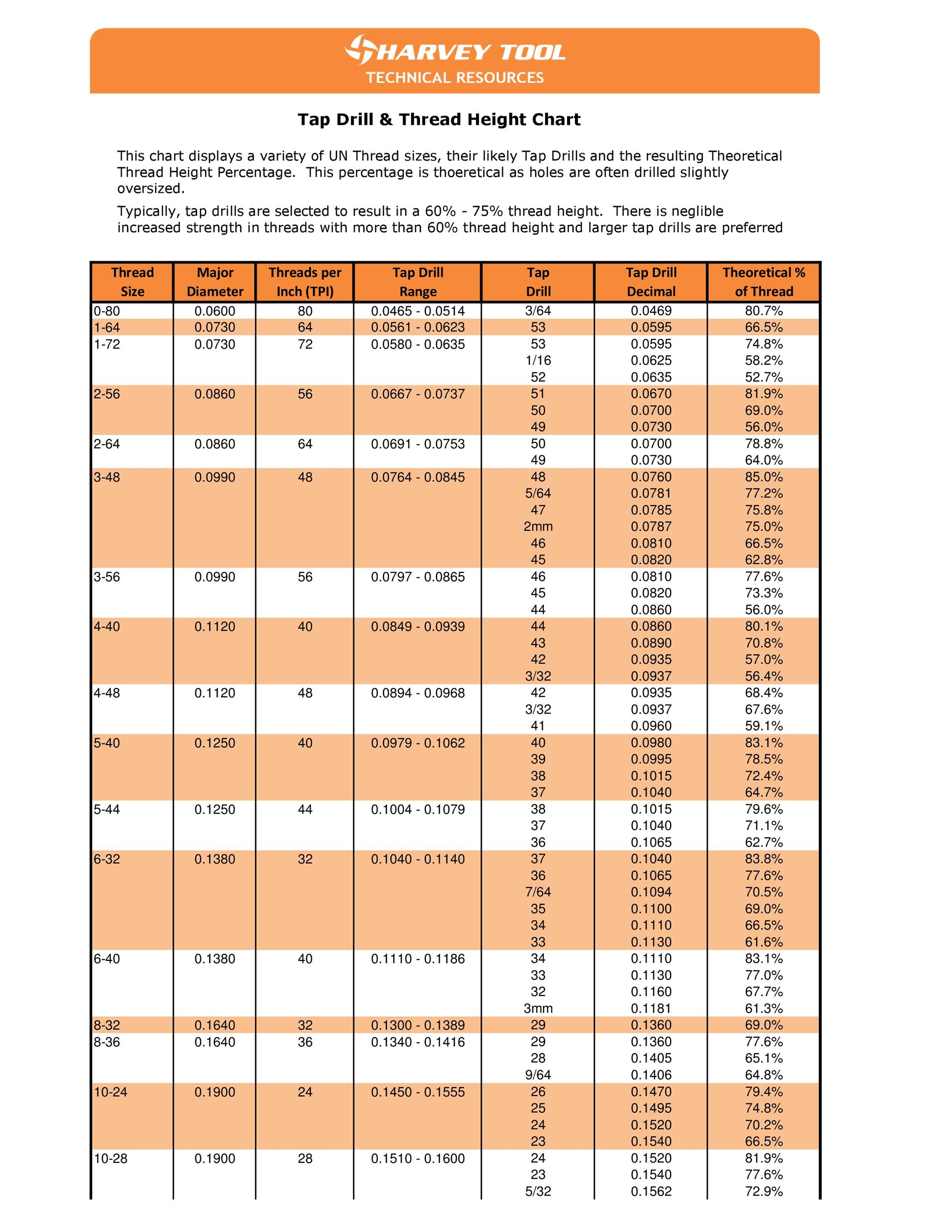
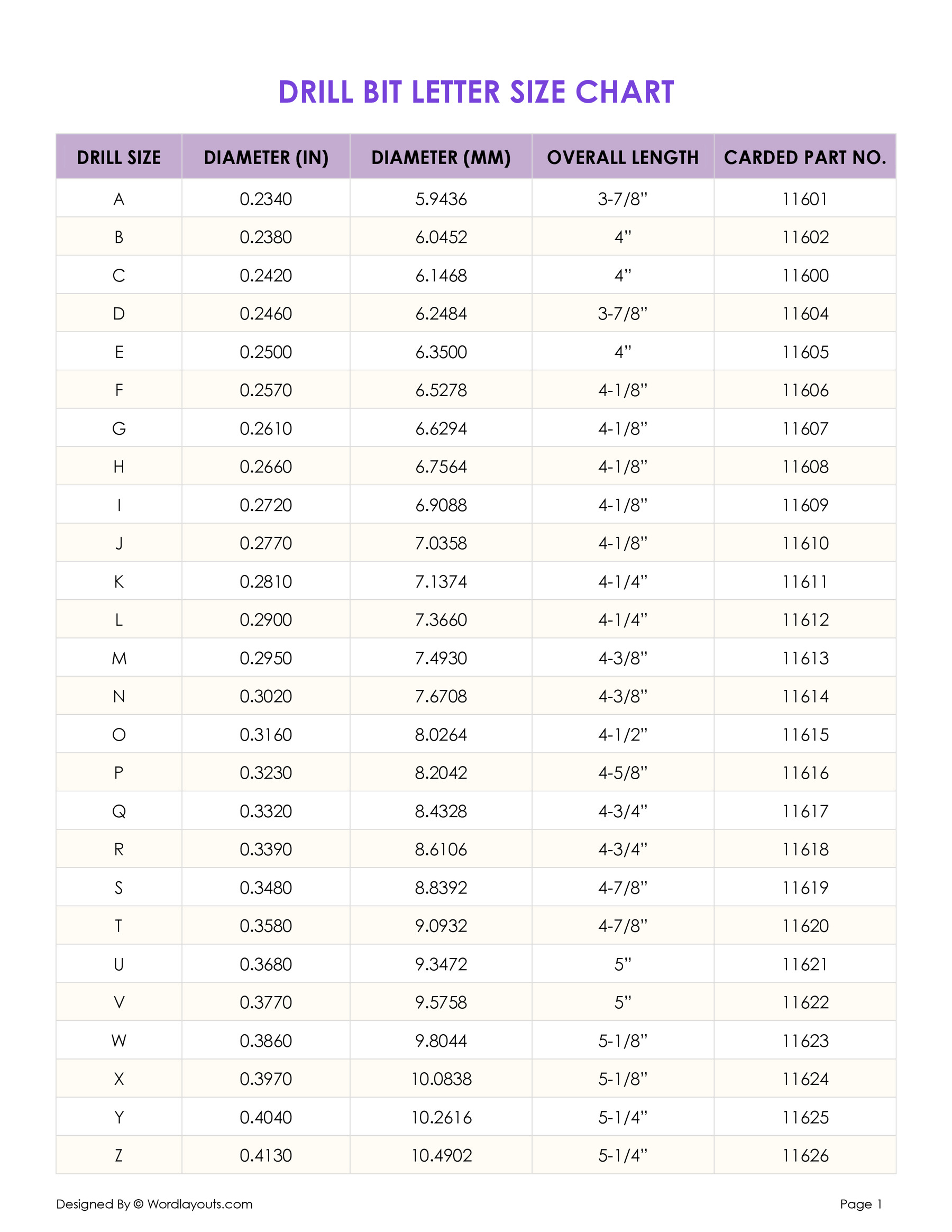
Many people approach the bit size chart with some confusion, often mistaking it for a complex and intimidating tool. In reality, it is a simple and incredibly useful reference guide, designed to provide clarity and precision. This chart, a trusted companion for many, offers a straightforward way to determine and compare various bit sizes, be it for drill bits, screws, or other applications. While the values and formats may vary depending on the context, the bit size chart remains a reliable starting point, ensuring you choose the right size for your specific needs.
Understanding the Bit Size Chart
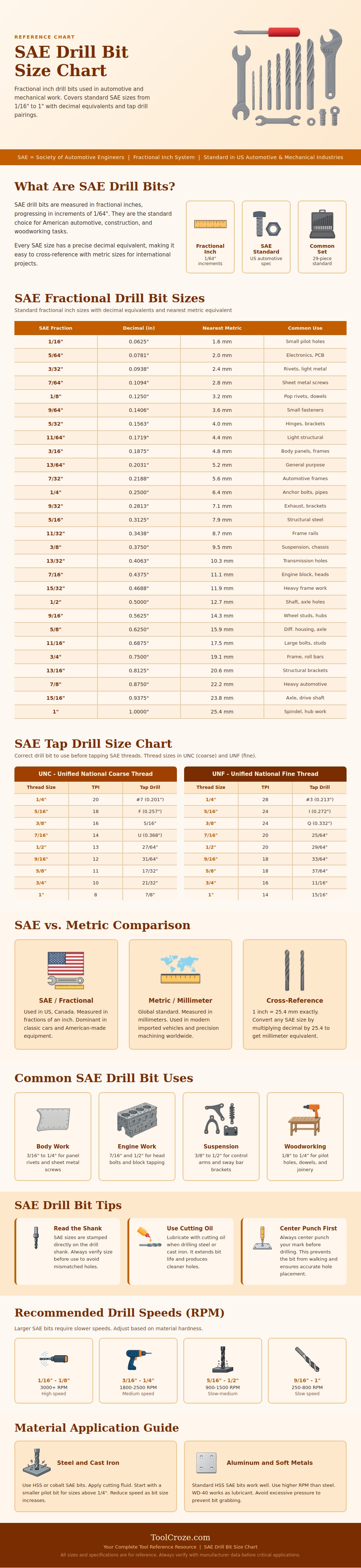
The bit size chart is a practical tool that provides a visual reference for various bit sizes used in drilling and fastening applications. It offers a quick and easy way to identify and select the appropriate bit for your project, ensuring precision and efficiency.
Key Details and Categories
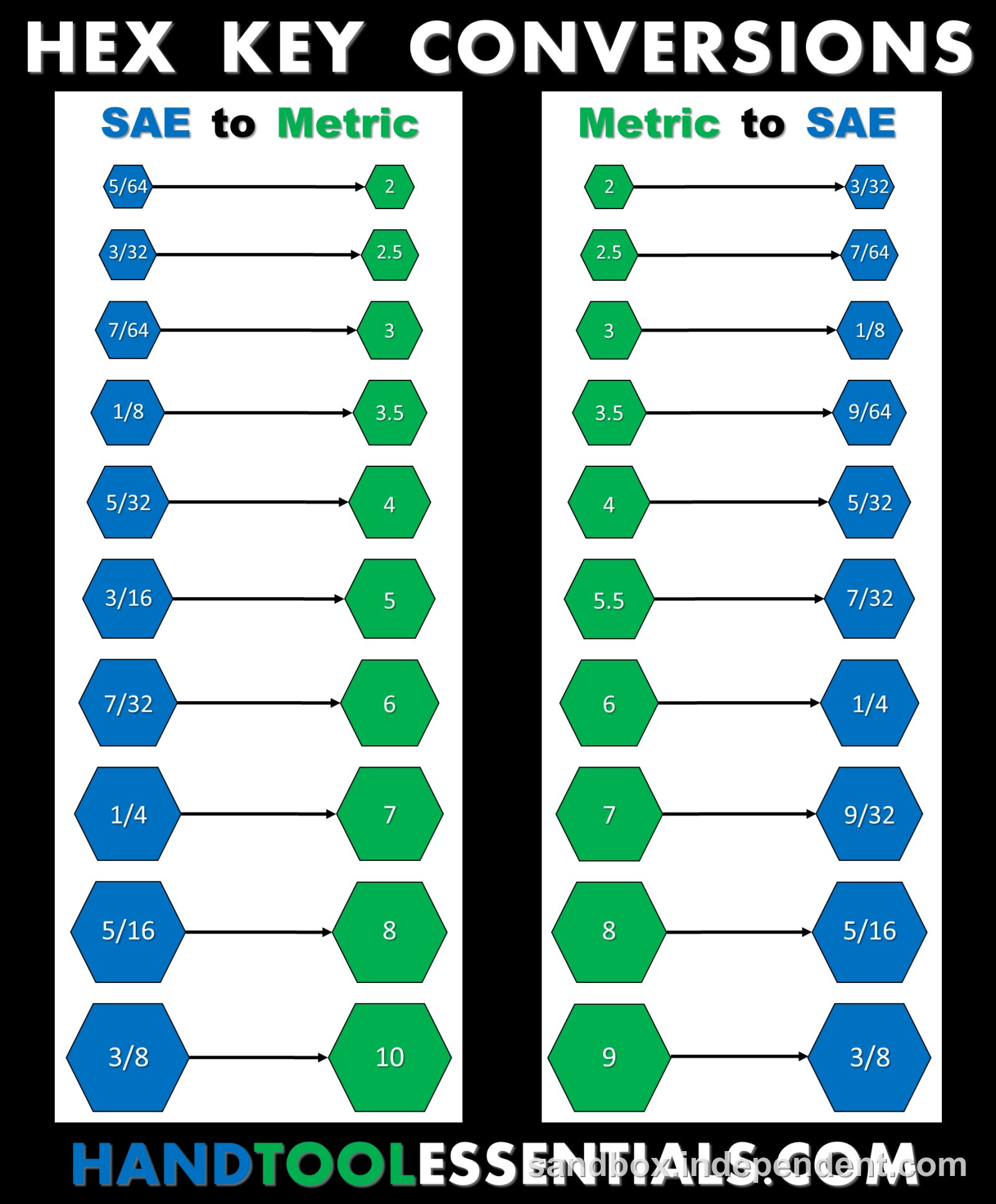
The chart typically includes two main categories: fractional and metric bit sizes. Fractional sizes are commonly used in the US and are expressed in fractions of an inch, such as 1/4" or 3/8". Metric sizes, on the other hand, use millimeters and are more prevalent internationally. These categories further break down into specific sizes, each with its unique measurements and applications.
Reading the Measurements: A Step-by-Step Guide
- Identify the Type: Determine whether you need a fractional or metric bit size. This depends on your location and the standard used in your region.
- Locate the Chart: Find a reliable bit size chart that covers both fractional and metric sizes. Ensure it includes the specific range of sizes you require.
- Match the Size: Compare the size of the fastener or hole you are working with to the chart. Look for the closest match, keeping in mind that some sizes may have slight variations.
- Select the Bit: Once you've identified the size, choose the corresponding bit from your collection or purchase one if needed. Ensure it is designed for the material you are working with, such as wood, metal, or concrete.
- Double-Check: Always verify the bit size with the actual fastener or hole to avoid errors.
Common Size Variations and Their Causes
Size variations can occur due to several factors:
- Screw Head Size: Different screw head types, like Phillips or flat head, may require specific bit sizes.
- Material: The hardness and type of material can influence the bit size needed. For instance, drilling into hardwood may require a different bit than for softwood.
- Standard Screw Sizes: While the bit size chart covers a wide range, some projects may use non-standard screw sizes, requiring additional research or custom bits.
- Drill Bit Conversion: In cases where you need to convert between fractional and metric sizes, a drill bit conversion chart can be helpful.
- Tolerances: Manufacturing tolerances can lead to slight variations in bit sizes, so always refer to the specific tolerances for your application.
- Bit Size for Wood Screws: When working with wood screws, the chart may provide guidance, but it's essential to consider the screw's thread pitch and material.
So, with your new understanding of bit sizes and their applications, you're well-equipped to tackle any project that comes your way. Remember, while this guide provides a solid foundation, it's always wise to verify the specific requirements for your task, as exact values may differ slightly across standards.
Feel free to explore our other resources on the site; we've got plenty of practical guides to enhance your skills and knowledge. Happy learning, and keep those projects rolling!