






What Is A T Chart Letter Size Overview
You're probably here because you need a quick insight into the world of the CLE depth chart. It's a handy tool for anyone wanting a snapshot of a team's lineup and player roles. This visual guide can vary in format, but it's a simple, effective way to understand a team's structure and strategy.
The depth chart is a great reference, especially when you want to grasp the CLE roster and its players' positions and numbers. It's a quick way to get an overview and ensures you're up to speed with the team's setup.
Understanding the CLE Depth Chart
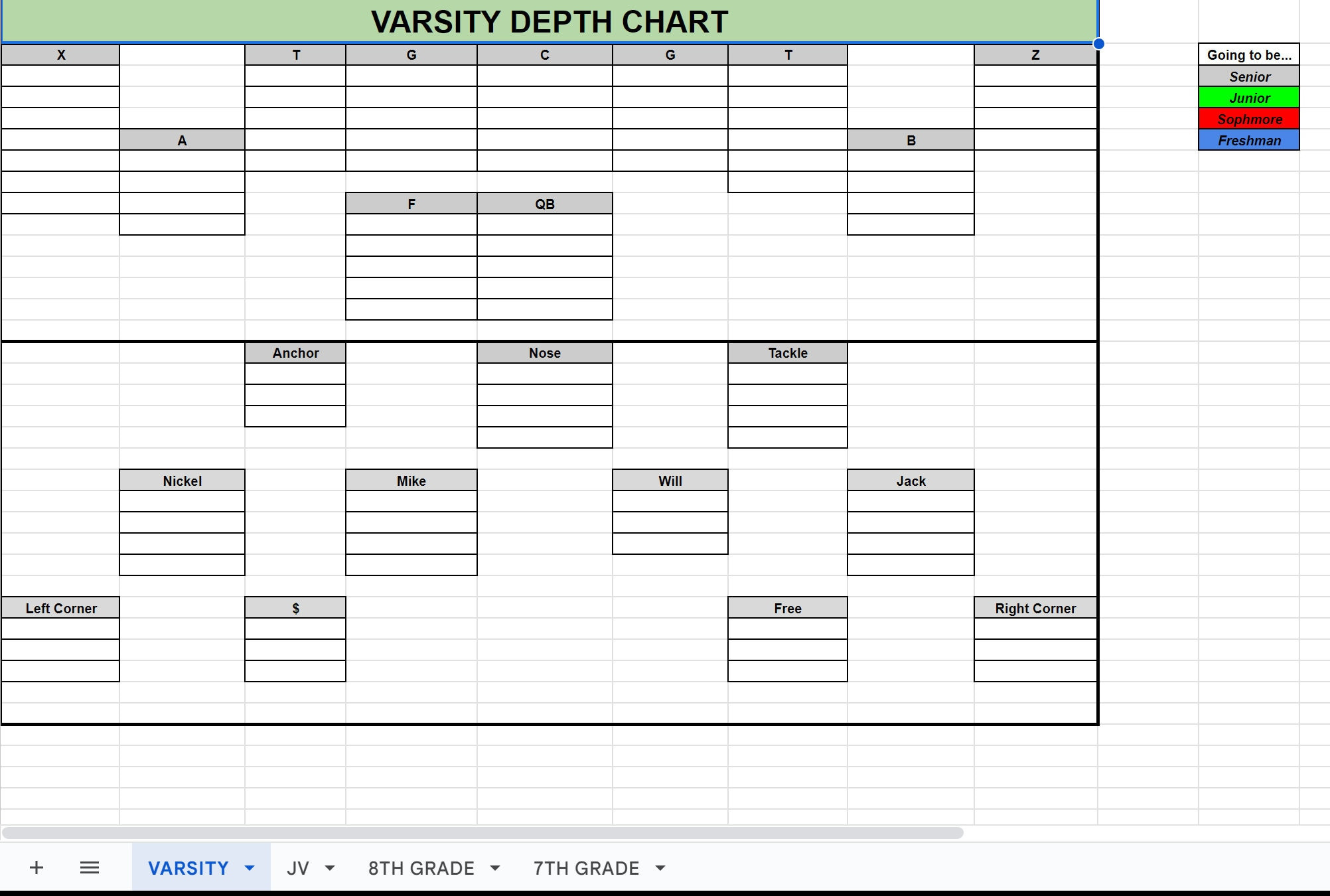
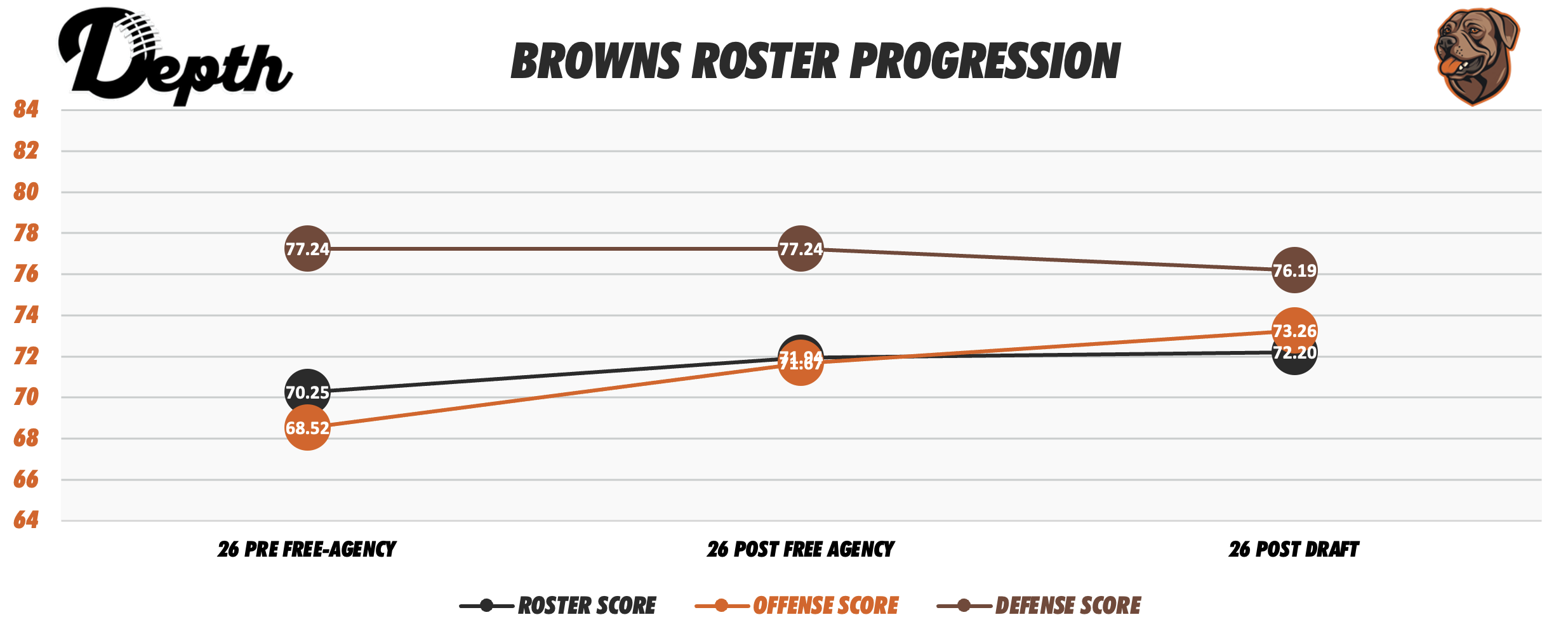
The cle depth chart is a valuable tool for anyone working with or interested in cle positions and their roles. It provides a visual representation of the team's cle roster, showing the depth and distribution of players at each position. Think of it as a map that guides you through the team's lineup, helping you understand the structure and dynamics of the cle unit.
Key Details and Categories
This chart typically displays the cle positions along one axis and the depth or number of players at each position on the other. You'll find standard cle positions like left tackle, right guard, center, and so on. The values or numbers represent the players' rankings or the depth of the team at each position. These values can indicate the player's experience, skill level, or even their jersey number. It's important to note that the chart may vary depending on the sport's specific rules and the team's strategies.
Reading and Applying the Chart
Here's a step-by-step guide to reading and understanding a cle depth chart:
- Start by identifying the cle positions listed. These are the fundamental roles within the cle unit.
- Next, focus on the values or numbers associated with each position. These could represent player rankings, experience levels, or jersey numbers.
- Compare the values to identify the depth and strength of the team at each position. A higher number usually indicates more experienced or skilled players.
- Use this information to assess the team's overall strength and potential strategies. For example, a deep and talented offensive line depth chart suggests a strong running game.
- Remember, the chart is a snapshot of the team's current lineup. It's a great starting point, but always consider the dynamic nature of sports and the potential for injuries or strategic adjustments.
Variations and Differences
Cle depth charts can vary based on several factors. Different sports and leagues may have unique cle positions and strategies, leading to variations in the chart's structure. Additionally, team preferences and playing styles can influence the distribution of players and their rankings. It's essential to be aware of these variations, especially when comparing teams or analyzing historical data. Always refer to the specific sport's rules and guidelines to ensure accurate interpretation.
Common Mistakes and How to Avoid Them
One common mistake is assuming that the cle depth chart provides a definitive ranking of players. While it offers valuable insights, it's just one tool among many. Another pitfall is overlooking the dynamic nature of sports. Teams can quickly adapt and change their strategies, so always stay updated with the latest news and developments. Lastly, be cautious when comparing charts from different sources or standards. Ensure you're using the correct chart for your specific context to avoid misinterpretation. By being aware of these potential pitfalls, you can effectively utilize the cle depth chart as a powerful tool for understanding and analyzing cle positions and strategies.
Well, there you have it! Understanding CLE depth charts is a handy skill to have, and now you're equipped with the knowledge to navigate them like a pro. Remember, these charts are a great reference, but it's always wise to double-check the specific details for your project or situation.
Feel free to explore our other guides; we've got a range of practical topics covered to help you on your path to becoming an expert. Happy learning, and don't forget to adapt and apply these skills to your unique context!
Related: Understanding Auburn's Depth Chart
If you're here, you're likely seeking a quick reference or a straightforward guide to understanding the depth chart Auburn. This practical tool, often used in sports, provides a visual representation of a team's roster, offering a clear view of player positions and roles. "Depth chart Auburn" can vary in format and detail, but its core purpose remains the same: to provide an at-a-glance overview of the Auburn Tigers roster and starting lineup.
What is a Depth Chart?
A depth chart is a valuable tool used in sports, particularly in American football, to visually represent a team's roster and the hierarchy of players at each position. For Auburn University's football team, the depth chart is an essential reference for coaches, players, and fans alike, offering a clear snapshot of the team's current lineup and player rankings.
Key Details and Categories
The depth chart auburn typically features two main columns: player positions and player names. Positions are organized by offensive and defensive roles, with special teams roles sometimes included. Each position is further divided into tiers, indicating the player's status within that position group. Common tiers include starters, backups, and reserves, with some charts also featuring developmental players or walk-ons.
Reading and Applying the Depth Chart
To read and understand the depth chart auburn, follow these steps:
Start by identifying the position groups. These are typically organized by offense (e.g., quarterback, running back, wide receiver) and defense (e.g., defensive line, linebackers, defensive backs).
Within each position group, look for the players listed under the "Starters" tier. These are the players who are currently expected to start the game.
Below the starters, you'll find the backups and reserves. Backups are often the next in line to replace a starter if needed, while reserves are typically further down the depth chart but still part of the team's roster.
Pay attention to any notes or additional information provided alongside the player names. These notes might indicate injuries, eligibility issues, or other factors that could impact a player's status.
Use the depth chart as a reference when discussing the team's strategy, analyzing player performance, or predicting game outcomes. It provides a snapshot of the team's current strengths and weaknesses at each position.
Variations and Differences
While the basic structure of a depth chart remains consistent, variations can occur across different teams and leagues. For instance, some depth charts may include more detailed information, such as player heights, weights, and jersey numbers. Additionally, the specific position groups and their organization can vary depending on the team's offensive or defensive schemes. It's important to note that depth charts are dynamic and can change frequently due to injuries, player performance, or coaching decisions.
Common Mistakes and How to Avoid Them
One common mistake is assuming that the depth chart is set in stone. It's essential to remember that depth charts are subject to change, especially in the fast-paced world of college football. Coaches may make last-minute adjustments based on game plans or player availability. Therefore, it's crucial to regularly update your knowledge of the depth chart and stay informed about any recent changes.
Practical Tips for Accurate Results
To ensure you're using the depth chart auburn accurately, consider these tips:
Familiarize yourself with the team's roster and player positions. Understanding the basic roles and responsibilities of each position will enhance your ability to interpret the depth chart effectively.
Keep track of any notable injuries or player absences. These factors can significantly impact the depth chart and the team's overall performance.
Stay connected with reliable sources of information, such as official team websites or reputable sports media outlets. These sources often provide the most up-to-date depth charts and player news.
Double-Checking and Handling Exceptions
While the depth chart auburn is a valuable tool, it's important to remember that it represents a snapshot of the team's current lineup. To ensure accuracy, consider the following:
Cross-reference the depth chart with recent game statistics and player performance. This can help you identify any discrepancies or unexpected changes in the lineup.
Be aware of positional flexibility. Some players may be listed at multiple positions on the depth chart, indicating their ability to play different roles. Understanding these flexibilities can provide insights into the team's strategic options.
Stay vigilant for any last-minute changes or surprises. College football games often bring unexpected twists, so it's essential to remain adaptable and informed.
It's always a good idea to familiarize yourself with the depth chart, ensuring you have a solid understanding of the team's structure and dynamics. Remember, while this guide provides a comprehensive overview, every team and context is unique, so be sure to double-check the specifics for your situation.
Consider bookmarking this page for future reference; it's a handy resource to have at your fingertips when you need a quick reminder or a deeper dive into the Auburn depth chart. Happy exploring!
Related: Understand Bucks Depth Chart Easily
A bucks depth chart is a valuable tool for basketball enthusiasts and analysts, offering a concise snapshot of a team's player lineup and its strategic depth. This guide aims to demystify the chart's structure and content, ensuring you can quickly grasp its insights and applications.
The depth chart provides an at-a-glance view of a team's roster, player positions, and often includes notes on rotation strategies and injury reports. While the specific format and details may vary, the core purpose remains consistent: to present a clear, organized overview of a team's player resources and potential lineups.
Understanding the Bucks Depth Chart
The Bucks depth chart is a valuable tool for basketball enthusiasts and analysts, providing a clear visual representation of the team's player lineup and their respective positions. This chart offers insights into the team's strategy and helps predict potential game dynamics.
Key Details and Categories
A Bucks depth chart typically displays the following:
- Player Positions: Each player is assigned a specific position, such as point guard, shooting guard, small forward, power forward, or center. These positions define their roles and responsibilities on the court.
- Starting Lineup: The five players who begin the game are listed first, indicating the team's initial strategy and key players.
- Reserves: The depth chart also includes a list of substitute players, often referred to as the bench, who provide depth and flexibility to the team's lineup.
- Player Numbers: Each player is assigned a unique number, which helps identify them on the court and in the chart.
Reading and Applying the Depth Chart
To effectively read and interpret a Bucks depth chart, follow these steps:
- Start with the Starting Lineup: Identify the five players who are listed first. These are the players who will begin the game and are often the team's key performers.
- Analyze Player Positions: Understand the roles and responsibilities associated with each position. For instance, a point guard typically handles the ball and directs the offense, while a center focuses on rebounding and defending the paint.
- Assess Depth: Pay attention to the number of players listed under each position. A deeper roster suggests more options and flexibility for the coach during the game.
- Study the Reserves: The bench players can provide valuable insights. Look for players with specialized skills or those who excel in specific situations, such as defensive specialists or three-point shooters.
- Consider Injuries and Absences: Bucks depth charts may need adjustments due to player injuries or absences. Check for any notes or updates indicating changes to the lineup.
Variations and Differences
Bucks depth charts can vary based on several factors:
- Coaching Philosophy: Different coaches may prefer certain player combinations or strategies, leading to unique depth chart arrangements.
- Player Performance: The depth chart may change based on player performance and chemistry. Coaches might adjust lineups to accommodate hot streaks or address weaknesses.
- Opponent Strategy: The Bucks may tailor their depth chart to counter specific opponents, especially in playoff scenarios.
- Injuries and Health: Player availability due to injuries or health concerns can significantly impact the depth chart.
Common Mistakes and How to Avoid Them
When interpreting a Bucks depth chart, avoid these common pitfalls:
- Overlooking Reserves: Don't focus solely on the starting lineup. The bench players can be game-changers, so pay attention to their skills and potential impact.
- Ignoring Position Flexibility: Some players can play multiple positions. Be aware of this flexibility, as it can provide the team with strategic advantages.
- Assuming Consistency: Depth charts can change rapidly, especially during a long season. Always check for the latest updates to ensure you have accurate information.
- Neglecting Context: Consider the context of the game, such as the venue, opponent, and specific game situation. The depth chart may be adjusted based on these factors.
Remember, the Bucks depth chart is a dynamic tool, and understanding its nuances can enhance your appreciation of the team's strategy and performance.
Well, there you have it, a comprehensive guide to understanding the Bucks Depth Chart. Remember, while this chart provides a solid framework, it's always wise to check for any specific variations or updates relevant to your unique situation.
Feel free to explore our other resources and guides; we've got a wealth of practical information to help you navigate various topics. Happy learning, and don't forget to adapt and adjust as needed!