


What Is Cricut Vinyl Overview
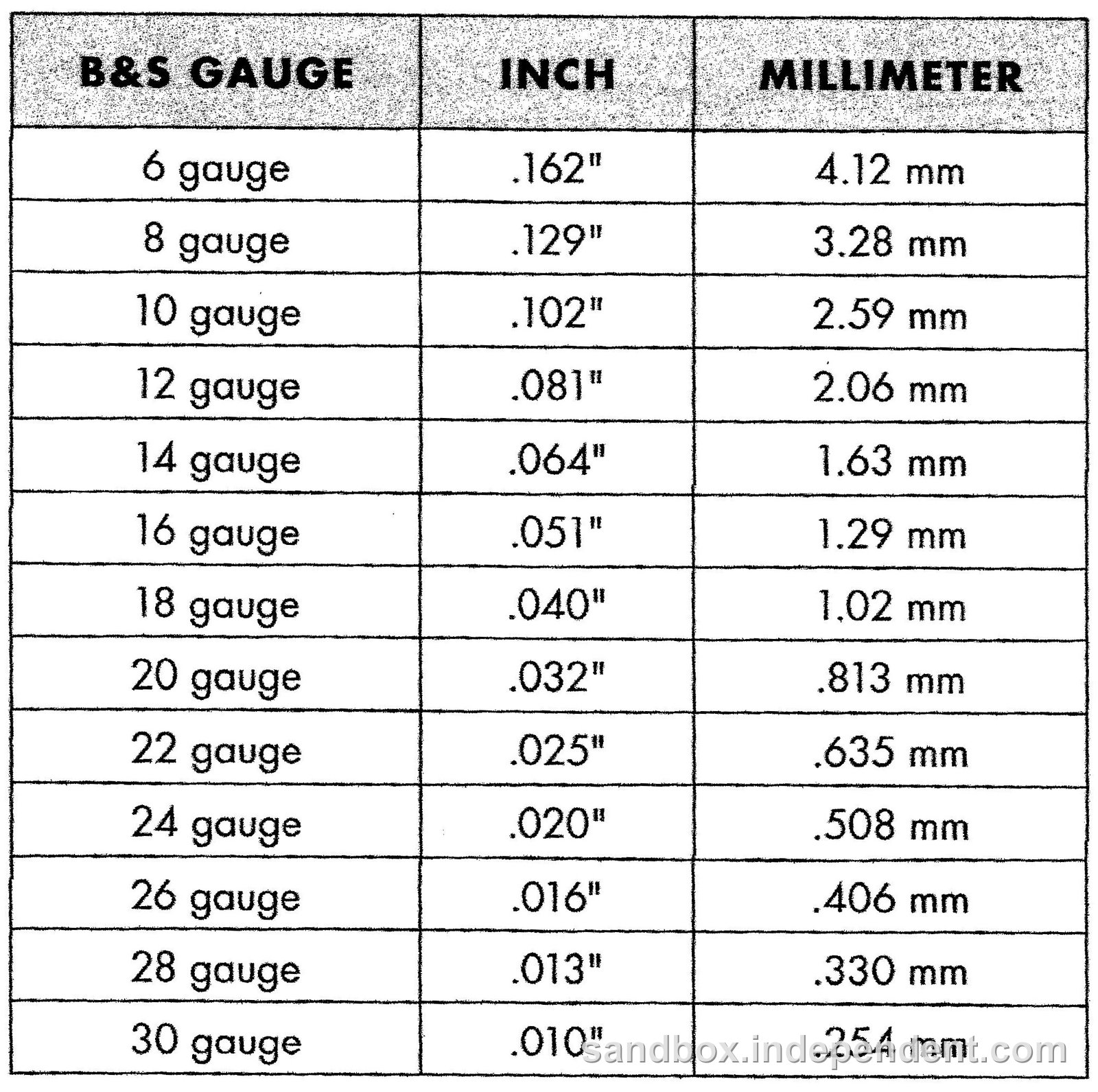
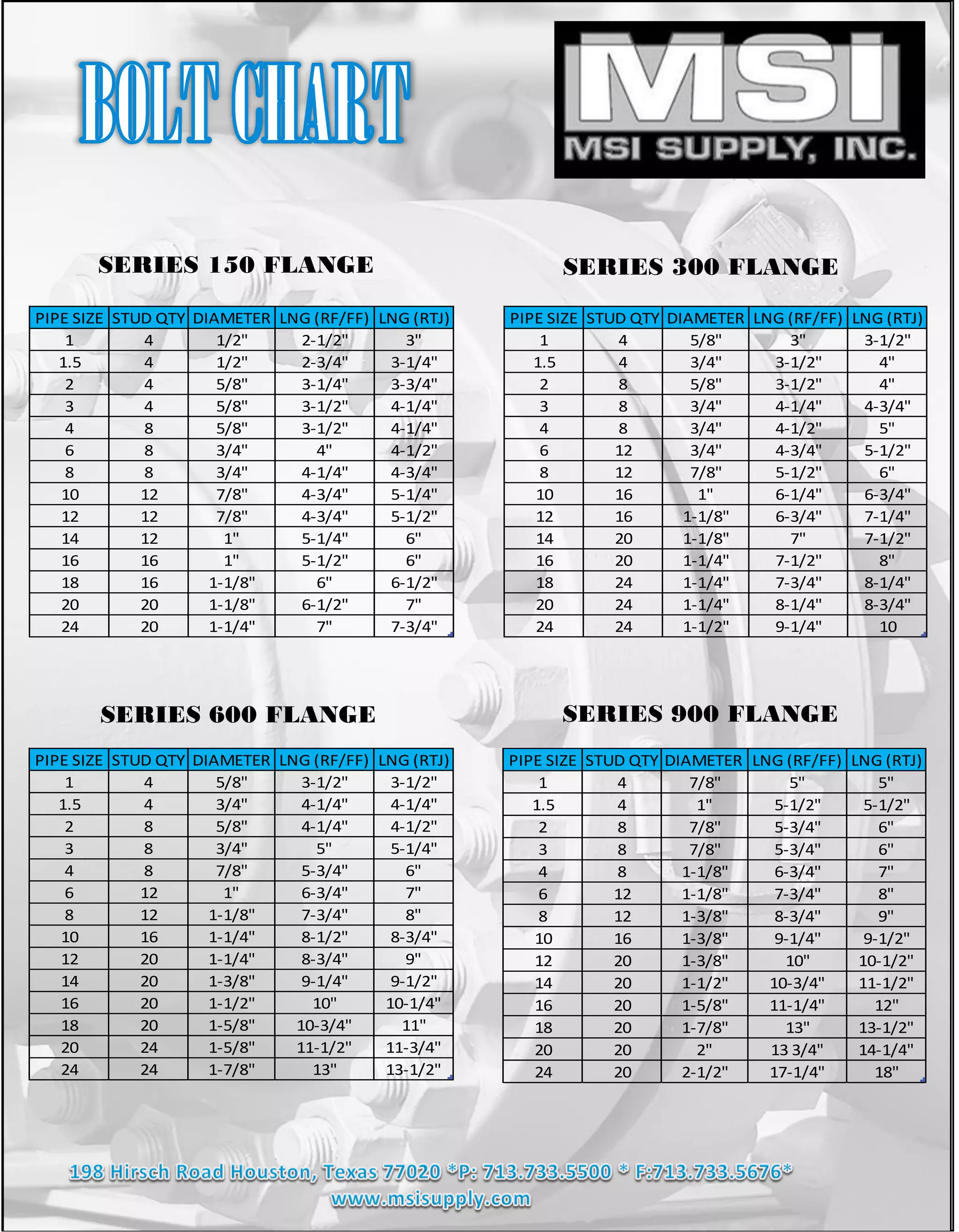
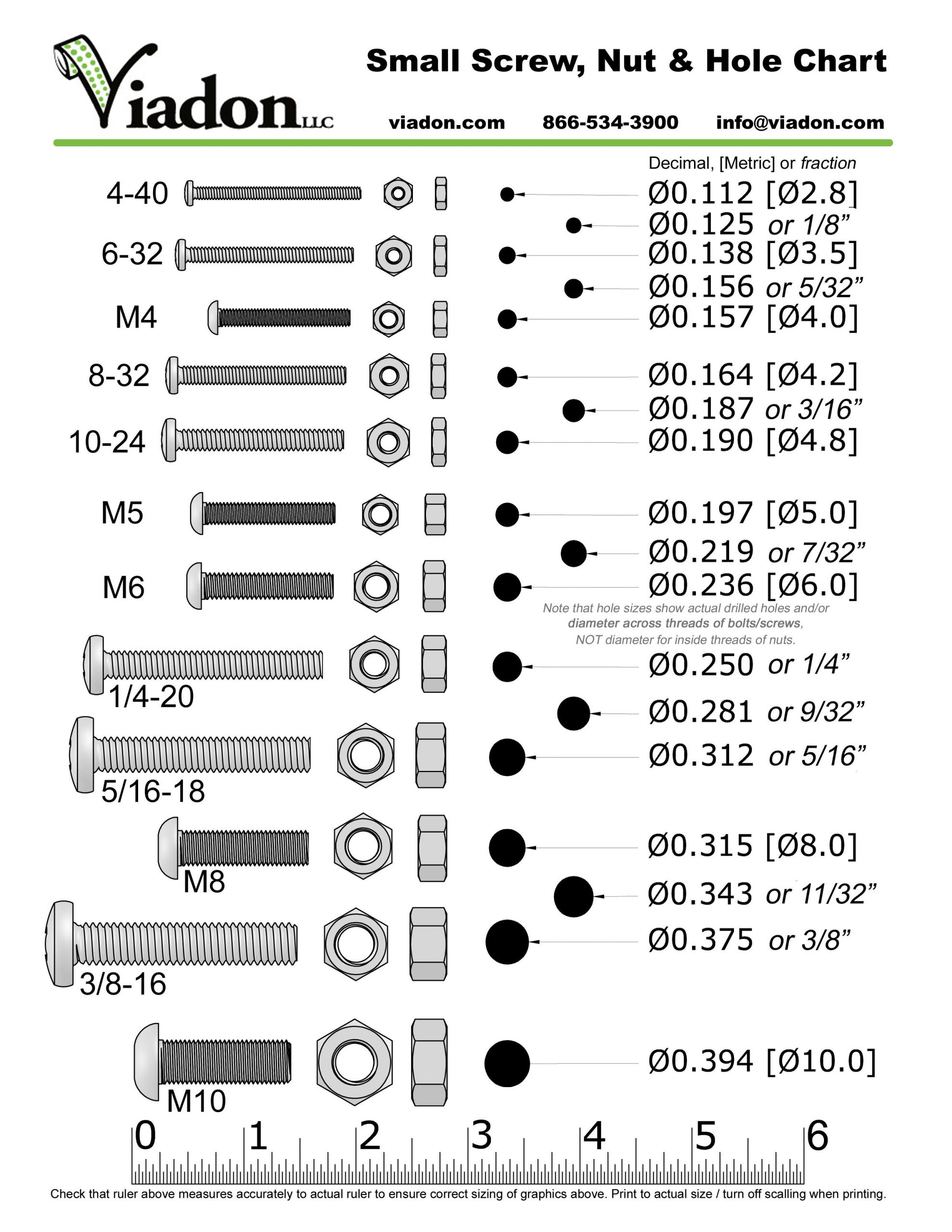
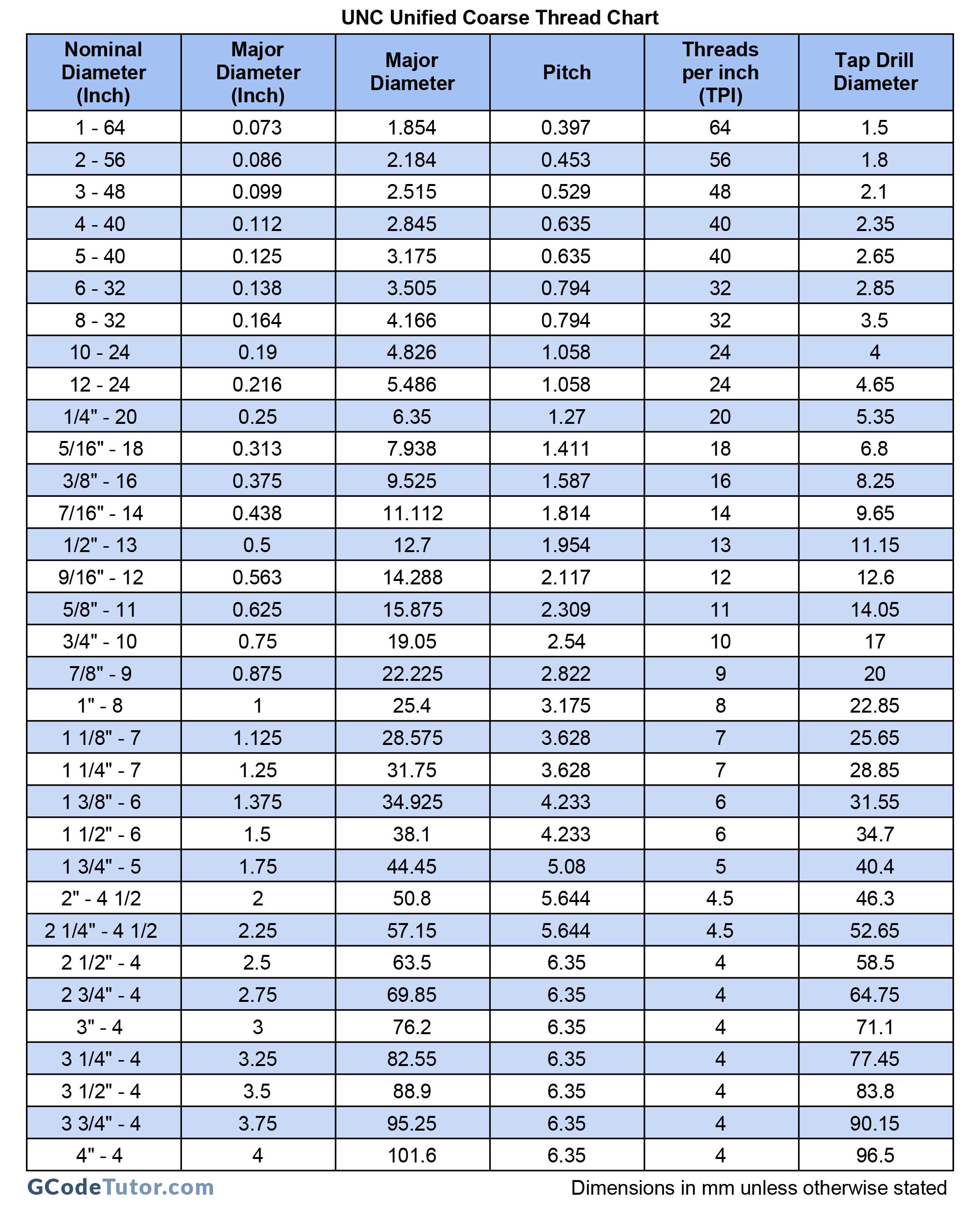
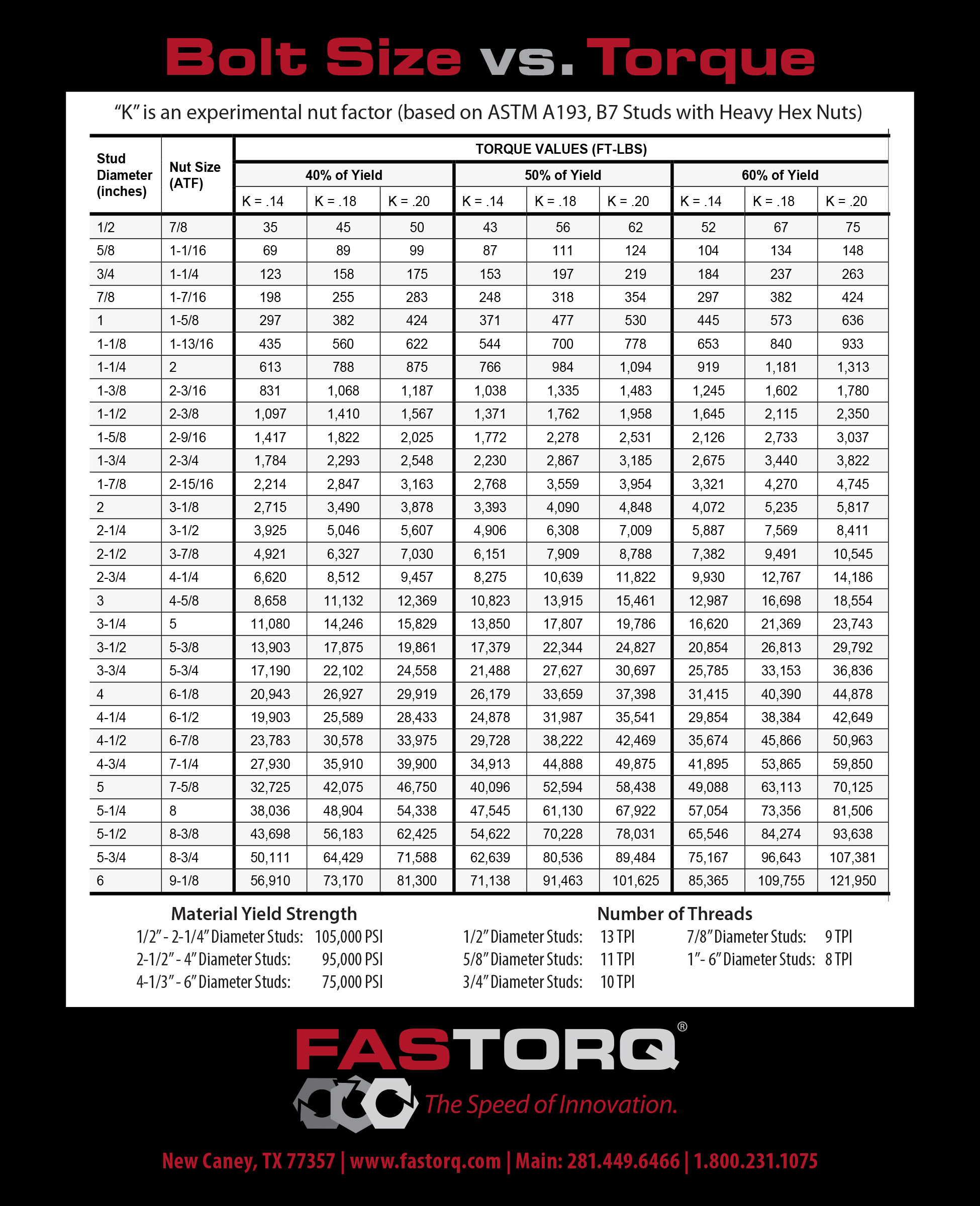
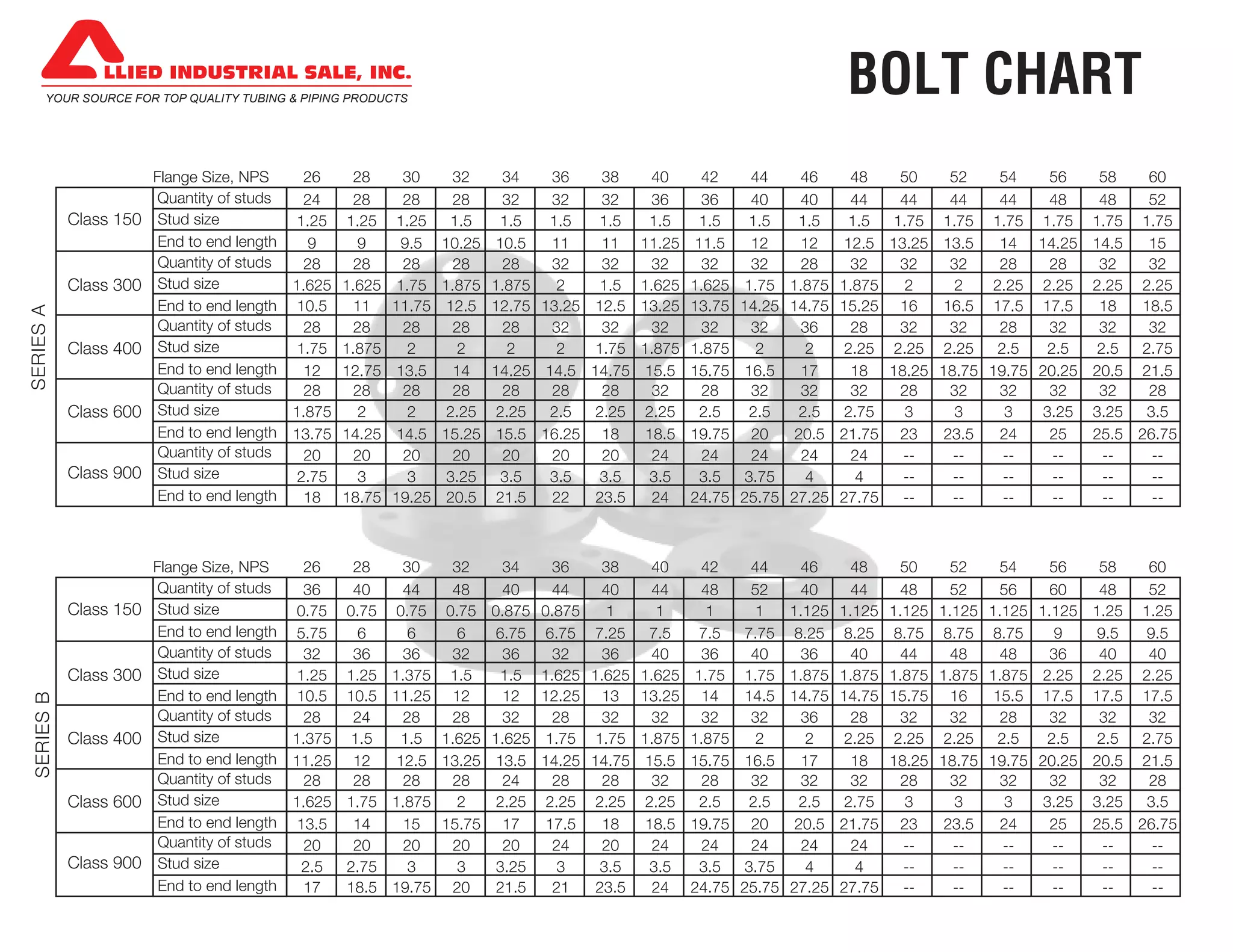
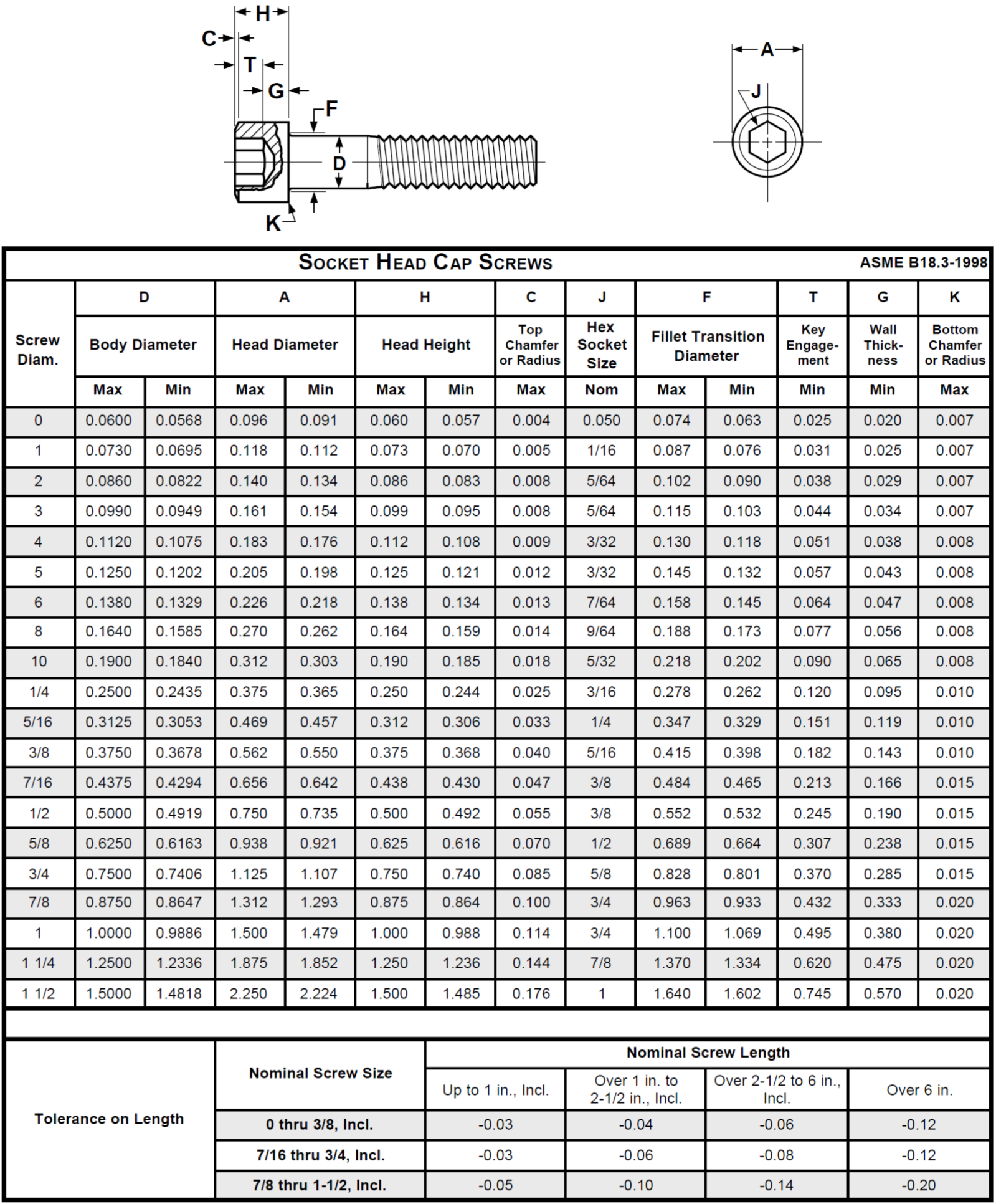
A bolt size chart is a handy tool for anyone working with bolts and fasteners. It's a simple yet effective way to ensure you're using the right size and type of bolt for your project. This guide will cover the basics of reading and using a bolt size chart, so you can tackle any fastening task with confidence.
These charts provide a quick reference for bolt dimensions, including length, diameter, and thread pitch. While the values may vary depending on the standard and region, a good chart will offer a clear and organized layout, making it easy to identify the bolt you need.
Understanding Bolt Size Charts
Bolt size charts are your practical guide to choosing the right bolt for any project. These charts provide a quick reference to help you match the bolt's size and specifications to your needs. It's like having a map to navigate the world of fasteners!
Key Details and Units
A bolt size chart typically includes essential information such as the bolt's diameter, length, thread pitch, and head type. These charts often follow specific standards, like the metric or imperial systems, so you'll find different charts for different regions and industries. The units used can vary, so it's crucial to know whether you're dealing with millimeters or inches.
Reading and Applying the Chart: A Step-by-Step Guide
- Start by identifying the bolt's primary purpose and the material it will fasten. This helps narrow down the options.
- Locate the diameter column on the chart. This is usually the first critical factor. Match the required diameter with the chart's values.
- Next, consider the length. The chart will provide a range of lengths for each diameter. Choose the length that best suits your project's needs.
- Thread pitch is the distance between threads. Different materials and applications may require specific thread pitches. Refer to the chart to select the appropriate pitch.
- Finally, identify the head type. Common head types include hex, socket cap, and flat. The chart will guide you on the available head types for your chosen diameter and length.
Variations and Differences
Bolt size charts can vary depending on the standard and the intended use. For instance, metric bolt sizes may have different thread pitches compared to imperial bolt standards. Additionally, specialized bolts for unique applications might have custom dimensions not found on standard charts. Always refer to the specific chart relevant to your project's needs.
Common Mistakes and How to Avoid Them
One common mistake is assuming all bolts are created equal. Different materials and applications require specific bolt dimensions. Always refer to the bolt size chart for the correct specifications. Another pitfall is ignoring the thread pitch. Using the wrong thread pitch can lead to stripped threads or poor fastening. Take the time to understand and select the right pitch.
Practical Tips for Accurate Results
When using a bolt size chart, always double-check the units. Mistakes can happen when converting between metric and imperial systems. Additionally, pay attention to the thread class, which indicates the thread's tolerance and fit. Using the wrong class can impact the bolt's performance and durability.
Double-Checking and Handling Exceptions
While bolt size charts are incredibly useful, they might not cover every edge case. For unique or specialized applications, it's best to consult the manufacturer's specifications. These can provide precise details and tolerances to ensure the bolt's performance and safety. Always err on the side of caution and double-check when dealing with critical applications.
Hey there! We've covered a lot of ground with this bolt size chart, and I hope it's given you a clear understanding of the basics. Remember, while the fundamentals remain the same, exact details might shift a little based on your specific situation or the standard you're working with.
So, the next time you're tackling a project and need a quick reference, feel free to bookmark this page. It's a handy tool to have in your back pocket, and you never know when you might need to size up those bolts!
Related: What's the Right Pillow Size for You?
Many people assume that pillow sizes are a one-size-fits-all affair, but that's not the case! A pillow size chart is your go-to resource for understanding the diverse world of pillow dimensions. It's a simple yet powerful tool, offering a quick glance at the various sizes and their intended uses. From standard pillow dimensions to specialty sizes, this chart ensures you find the perfect fit for your needs.
Pillow Size Chart: A Quick Overview
A pillow size chart is a handy reference tool that provides a clear and visual guide to the various dimensions of pillows. It's like a map to help you navigate the world of pillow sizes, ensuring you get the right fit for your needs. This chart is a valuable resource for anyone looking to buy new pillows or pillowcases, as it offers a quick and easy way to understand the standard sizes available.
Comparing Standard and Custom Sizes
The beauty of a pillow size chart is that it presents both standard and custom sizes in a simple format. Standard sizes are the most common and widely used, and they often follow specific measurements and categories. These sizes are consistent across many brands and manufacturers, making it easy to find matching pillowcases or covers. On the other hand, custom sizes offer more flexibility and can accommodate unique preferences or specific requirements. Custom sizes might be necessary for specialty pillows, such as those designed for travel or medical purposes.
Step-by-Step Guide to Using the Chart
Using a pillow size chart is straightforward and can save you time and effort when shopping for pillows. Here's a simple process:
- Identify the Type: First, determine the type of pillow you need. Common types include standard, queen, king, and travel-sized pillows.
- Locate the Size: Find the corresponding size on the chart. The chart typically displays width and length measurements for each size.
- Check the Dimensions: Compare the chart's dimensions with the pillow or pillowcase you need. Ensure you match the width and length accurately.
- Consider Depth: Some charts also provide depth measurements, which is especially useful for pillows with varying thicknesses.
- Choose Your Size: Once you've found the size that matches your needs, you're ready to make an informed purchase.
Avoiding Common Misreadings
While a pillow size chart is user-friendly, it's essential to avoid a few common pitfalls:
- Unit Confusion: Always check the units of measurement. Some charts use inches, while others might use centimeters. Ensure you're comparing like with like.
- Rounding Errors: Charts often provide rounded measurements for simplicity. Be aware that actual products might have slight variations, so always check the exact specifications if precision is critical.
- Size Labels: Pay attention to size labels. For example, a "standard" size might not always be the same across different charts or regions.
Factors Affecting Accuracy
Several key factors can influence the accuracy of a pillow size chart and its real-world application:
- Regional Differences: Pillow sizes can vary between regions and countries. For instance, a "king" size in the US might differ from a "king" in Europe.
- Manufacturer Variations: Even within a region, manufacturers might have slight variations in their standard sizes. Always check the brand's specifications.
- Pillow Type: Different pillow types, like decorative or orthopedic pillows, might have unique size categories.
- Materials: The materials used can affect the overall size and shape of a pillow, especially over time as it ages and settles.
Choosing the Right Format for Your Needs
When it comes to pillow size charts, one size doesn't fit all. Here are some tips for choosing the right format:
- Standard vs. Custom: If you're looking for a quick and easy solution, a standard size chart is ideal. However, for specialized needs, a custom size chart might be more suitable.
- Online vs. Physical: Online charts are convenient, but having a physical chart or reference guide can be handy when shopping in-store.
- Visual Aids: Some charts use visual representations, like images or diagrams, to show size differences. These can be especially helpful for visual learners.
Keeping Your Reference Reliable
To ensure your pillow size chart remains a reliable reference, consider the following:
- Update Regularly: Pillow size standards can evolve over time. Periodically check for updated charts to ensure you have the latest information.
- Multiple Sources: Cross-reference charts from different sources to verify the accuracy of the measurements.
- Manufacturer Guides: Many pillow manufacturers provide their own size guides. Refer to these for specific product lines.
- Personal Notes: If you have unique pillow requirements, make a note of the sizes you need and keep them with your chart for easy reference.
So, there you have it! A handy pillow size chart can be a real game-changer for getting the perfect fit and comfort. But remember, it's always a good idea to double-check your specific needs and measurements to ensure you're getting the right size for your bed and sleeping style.
Feel free to explore our other guides and resources on similar topics. We've got plenty of practical tips and tricks to help you create a cozy and comfortable sleep space. Happy snoozing!
Related: What is the pork temp chart and how do I use it?
You're in the middle of cooking a delicious pork dish and need to ensure it's cooked perfectly. A pork temp chart is your reliable guide, offering a simple visual reference to nail the ideal internal temperature. This handy tool ensures your pork is cooked safely and to your preferred doneness. While values may vary slightly, the pork temp chart is a trusted companion in the kitchen, helping you achieve culinary success with ease.
Understanding the Chart: A Quick Overview
The pork temp chart is your handy guide to achieving perfectly cooked pork every time. It's a simple reference tool that shows the ideal internal temperatures for different cuts of pork and their doneness levels. This chart ensures your pork dishes are not only delicious but also safely cooked to avoid any foodborne illnesses.
Comparing Standards and Formats
Pork temp charts can vary slightly depending on the standard used. The most common ones follow either the USDA (United States Department of Agriculture) guidelines or international food safety standards. These charts typically provide temperature ranges and doneness categories like rare, medium, and well-done. However, it's crucial to note that some charts may offer more precise temperature readings for specific cuts, ensuring an even more accurate cook.
Using the Chart: A Step-by-Step Guide
Choose the Right Cut: Different pork cuts have varying cooking times and temperatures. The pork temp chart will guide you on the ideal internal temperature for your chosen cut, whether it's a tenderloin, chop, or roast.
Insert the Thermometer: Use a reliable meat thermometer and insert it into the thickest part of the meat, avoiding any bones. This ensures an accurate reading of the internal temperature.
Check the Temperature: Refer to the pork temp chart and match the temperature reading with the recommended range for your chosen cut. If it's below the minimum, continue cooking until it reaches the desired doneness.
Rest and Serve: After cooking, let the pork rest for a few minutes before serving. This resting period allows the juices to redistribute, ensuring a juicy and flavorful meal.
Common Misreadings and Pitfalls
One common mistake is relying solely on cooking times without checking the internal temperature. Remember, pork cooking times can vary due to factors like thickness and cooking method. Always use a meat thermometer to ensure accuracy. Additionally, some charts may provide a range of temperatures for each doneness level. It's best to aim for the middle of this range for the perfect cook. If you're cooking a large roast, consider checking the temperature in multiple spots to ensure even cooking.
The pork temp chart is a valuable tool, but it's essential to double-check specific guidelines for rare or exotic cuts of pork. Some cuts may require higher temperatures to ensure food safety. Always prioritize your health and follow the recommended temperatures for a safe and delicious meal. With a reliable thermometer and this handy chart, you'll become a master of cooking pork to perfection!
Well, there you have it! A handy pork temp chart can be a real game-changer in the kitchen. It's a simple yet effective tool to ensure your pork dishes are cooked to perfection every time.
Remember, while this guide provides a solid framework, it's always a good idea to consider your specific needs and preferences. Exact values may vary slightly, so it's worth double-checking the recommended temperatures for your chosen cut and cooking method.
Consider bookmarking this page for future reference. It's a quick and easy way to ensure you always have the right information at your fingertips! Happy cooking, and don't forget to enjoy the delicious results.