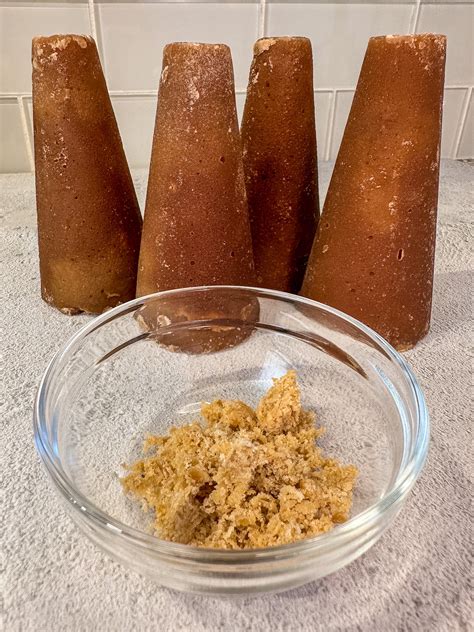
Piloncillo, a traditional form of unrefined cane sugar, has been a staple in many Latin American countries for centuries. Derived from the Spanish word “pilón,” meaning “wall” or “pile,” piloncillo is made from the juice of sugarcane, which is boiled down to create a thick, dark liquid that is then formed into cones or other shapes. This natural sweetener has been used in various forms and flavors, adding a rich, caramel-like taste to a plethora of dishes, from desserts and beverages to savory meals.
Origins and History
The production and consumption of piloncillo date back to the colonial period in Latin America, where sugarcane was widely cultivated. The process of creating piloncillo is labor-intensive and involves several steps, starting with the harvesting of sugarcane, followed by the extraction of its juice. The juice is then boiled in large vats over an open flame, a process that requires constant stirring to prevent burning. As the water content evaporates, the mixture thickens, eventually turning into a molasses-like consistency. This liquid is then poured into molds, typically in the shape of cones, where it solidifies.
Uses in Cuisine
Piloncillo is a versatile ingredient, used in both sweet and savory dishes. In Mexican cuisine, for example, it is a key ingredient in the preparation of traditional desserts such as flan, alfajores, and buñuelos. It is also used to sweeten beverages like atole and hot chocolate. Beyond sweets, piloncillo can add depth to moles and other sauces, enhancing the flavor profile of meats and vegetables.
Nutritional Value
Compared to refined sugars, piloncillo contains more nutrients, including iron, calcium, and potassium, due to its less processed nature. It also has a lower glycemic index, which means it may cause a slower and more gradual increase in blood sugar levels. However, it is still a sugar product and should be consumed in moderation as part of a balanced diet.
Cultural Significance
Piloncillo holds significant cultural value in the regions where it is produced and consumed. It is often associated with traditional celebrations and gatherings, where it is used to prepare special dishes and drinks. The process of making piloncillo is also seen as a way to preserve cultural heritage, with techniques and recipes passed down through generations.
Availability and Substitutes
While piloncillo can be found in some specialty stores and online retailers, it may not be as widely available as other forms of sugar. For recipes that call for piloncillo, alternatives like brown sugar or panela (another form of unrefined cane sugar) can be used, although they may not offer the exact same flavor and texture.
Conclusion
Piloncillo is more than just a sweetener; it represents a connection to tradition, culture, and community. Its unique flavor and versatility have made it an integral part of many cuisines, and its potential health benefits compared to refined sugars make it an appealing choice for those looking for natural alternatives. Whether used in traditional recipes or as an ingredient in modern creations, piloncillo continues to play a significant role in the culinary world, blending past and present with its rich, unmistakable taste.
FAQ Section
What is the main difference between piloncillo and refined sugar?
+Piloncillo is less processed and contains more nutrients compared to refined sugar, giving it a distinct flavor and potentially lower glycemic index.
Can I substitute piloncillo with brown sugar in recipes?
+While brown sugar can be used as a substitute in some recipes, it lacks the unique flavor and texture of piloncillo. Panela is a closer substitute in terms of nutritional content and flavor profile.
How do I store piloncillo to maintain its freshness?
+Piloncillo should be stored in an airtight container, protected from moisture, to preserve its quality and extend its shelf life.
As piloncillo continues to gain recognition worldwide for its rich flavor and potential health benefits, it stands as a testament to the enduring legacy of traditional food practices and the importance of preserving cultural heritage through cuisine. Whether you’re a culinary explorer, a health enthusiast, or simply someone who appreciates the simple joys of unique flavors, piloncillo offers a fascinating journey into the heart of Latin American cuisine and beyond.