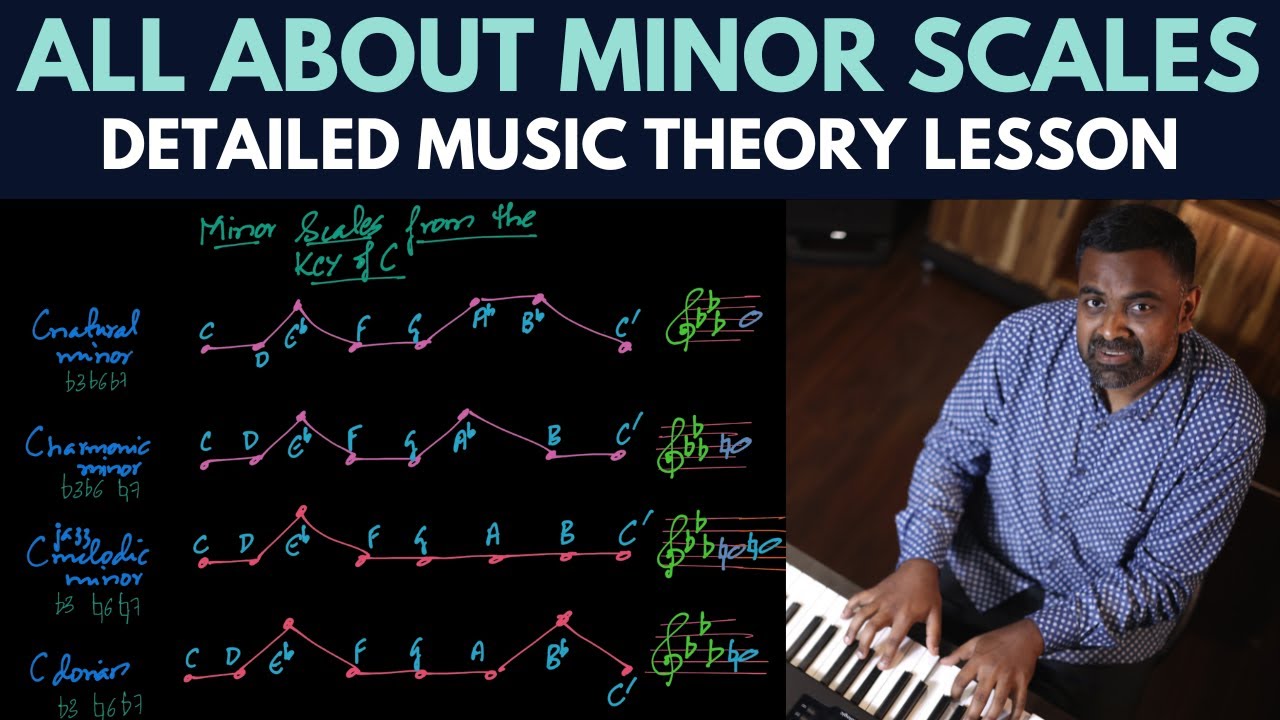
The concept of a strike, particularly in the context of music, can have various interpretations depending on the context in which it’s used. However, when we delve into the realm of music theory and come across terms like “strike a chord,” we’re often discussing the creation of a specific harmonic or melodic effect. In music, a chord is a group of notes played simultaneously, and when we talk about striking a chord, we might be referring to the physical act of playing these notes on an instrument or the emotional resonance a particular combination of notes can evoke.
To explore the idea of “strike a chord” in relation to music theory, let’s first understand what a chord is. A chord is essentially a harmonic unit consisting of at least three notes, with the root note defining the chord’s name. For example, a C major chord consists of the notes C (the root), E (the major third), and G (the perfect fifth). Chords can be constructed in various ways, leading to different types such as major, minor, diminished, and augmented, each with its unique sound and emotional impact.
A minor chord, specifically, is a triad built from a root note, a minor third above the root, and a perfect fifth above the root. For instance, an A minor chord is composed of the notes A (root), C (minor third), and E (perfect fifth). Minor chords are often associated with somber, melancholic emotions, though their impact can vary widely depending on the musical context.
When musicians or composers aim to “strike a chord,” they’re often seeking to create a particular emotional or harmonic effect. This could involve choosing notes or chords that resonate deeply with listeners, evoking feelings or memories. The phrase can also be used more literally, referring to the technique or physical action of playing a chord on an instrument. For example, how a pianist strikes the keys to play a chord can affect the sound’s dynamics and quality.
Understanding Chord Progressions
Chord progressions, which are sequences of chords used in a piece of music, play a crucial role in defining the harmonic structure and emotional impact of a song. Different progressions can lead to varying emotional responses in listeners. For instance, a progression that moves from a minor chord to a major chord can create a sense of resolution or uplift, while repeating a minor chord can reinforce a melancholic mood.
The concept of striking a chord, therefore, can be deeply intertwined with the art of crafting chord progressions that engage and move the audience. It involves not just a technical understanding of how chords are constructed and how they relate to each other harmonically, but also a creative sense of how different combinations of chords can evoke emotions and tell a musical story.
Practical Application: Striking the Right Chord
For musicians looking to apply the concept of striking a chord in their practice, here are a few tips:
Experiment with Different Chords and Progressions: Don’t be afraid to try out unusual chord combinations. Sometimes, the most unexpected progressions can lead to the most interesting and emotionally resonant music.
Listen to a Wide Range of Music: Pay attention to how different genres and composers use chords to create mood and atmosphere. This can inspire new ideas and approaches to your own music.
Develop Your Ear: Training your ear to recognize different chords and progressions can help you intuitively understand what works well together and how to create the effects you’re aiming for.
Play with Dynamics and Technique: How you physically play a chord—whether softly, loudly, with sustain, or staccato—can dramatically affect its impact. Experiment with different techniques to add depth to your music.
In conclusion, striking a chord, whether in the literal sense of playing an instrument or the figurative sense of evoking emotions through music, is a complex and multifaceted concept that gets to the heart of music’s power to move and connect us. By understanding the basics of music theory, experimenting with different approaches, and cultivating a keen musical ear, musicians and composers can harness this power to create music that resonates deeply with their audience.
What is a minor chord in music theory?
+A minor chord is a triad built from a root note, a minor third above the root, and a perfect fifth above the root. For example, an A minor chord consists of the notes A, C, and E.
How do musicians "strike a chord" emotionally?
+Musicians can evoke emotions by selecting chords or chord progressions that resonate with listeners, often by creating a sense of tension and resolution or by leveraging the emotional associations of different keys and modes.
What role do chord progressions play in music?
+Chord progressions are sequences of chords used in music and play a crucial role in defining the harmonic structure and emotional impact of a piece. They can create a sense of movement, tension, and resolution, and are fundamental to the composition of music across genres.
Understanding and effectively utilizing chords and chord progressions is key to creating music that strikes a chord with listeners, both literally and figuratively.