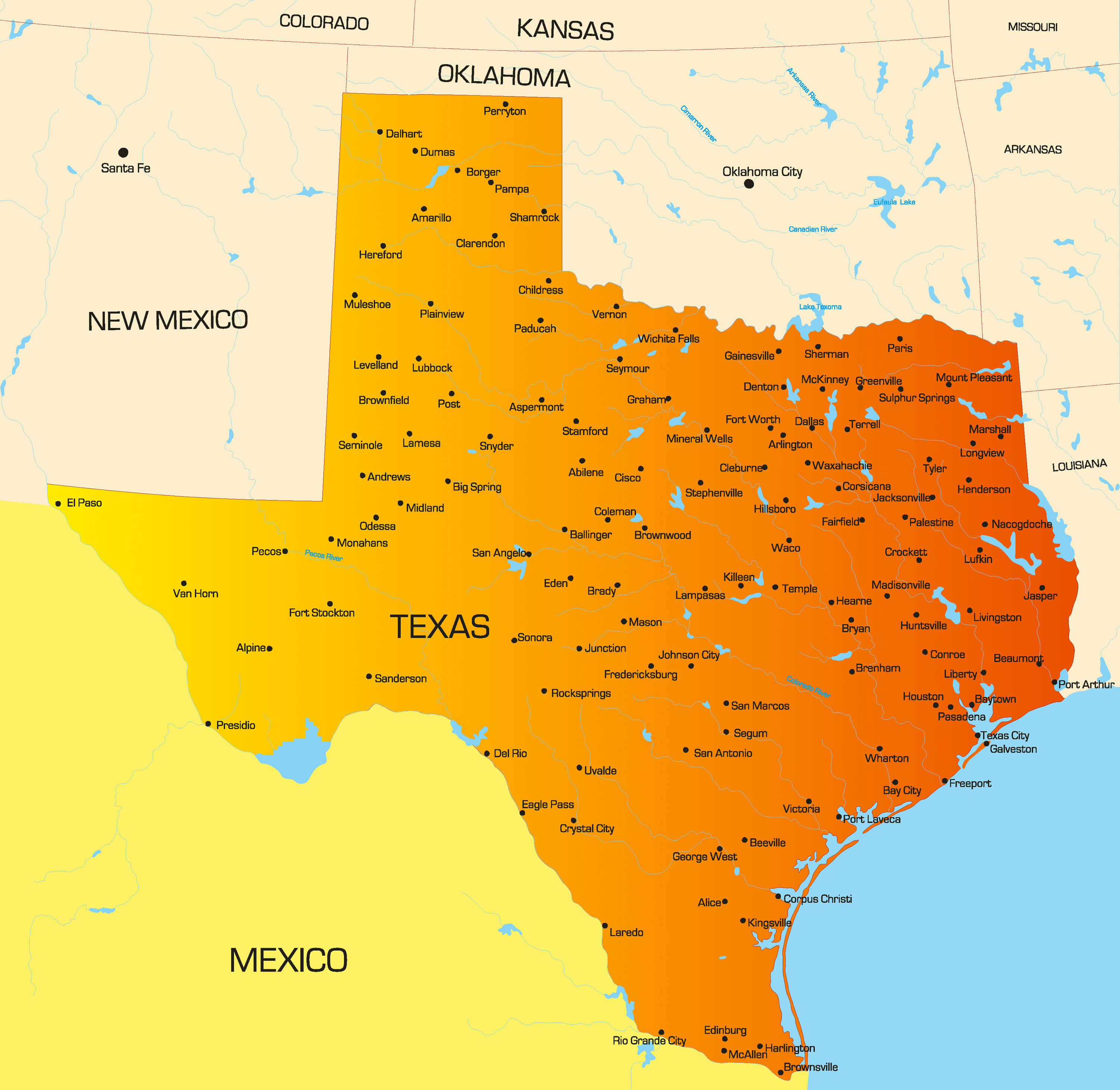
The Texas bird flu, also known as the Highly Pathogenic Avian Influenza (HPAI), has been a significant concern for poultry farmers and bird enthusiasts in the state. This highly contagious and deadly disease can wreak havoc on flocks, causing widespread illness and death. As a responsible bird owner, it’s essential to understand the risks and take proactive measures to protect your flock.
What is the Texas Bird Flu?
The Texas bird flu is a subtype of the HPAI virus, which is a type of influenza A virus. This particular strain is highly pathogenic, meaning it can cause severe disease and death in birds. The virus is spread through contact with infected birds, their feces, and contaminated surfaces. Wild birds, such as waterfowl and shorebirds, can carry the virus without showing symptoms, making them a potential source of infection for domestic flocks.
Symptoms of the Texas Bird Flu
Birds infected with the Texas bird flu may exhibit a range of symptoms, including:
- Sudden death without prior symptoms
- Lack of energy and appetite
- Swelling of the eyes, head, and neck
- Purple discoloration of the comb, wattles, and legs
- Coughing, sneezing, and difficulty breathing
- Diarrhea and vomiting
If you notice any of these symptoms in your flock, it’s crucial to seek veterinary attention immediately.
How to Protect Your Flock
To minimize the risk of the Texas bird flu infecting your flock, follow these essential steps:
- Biosecurity: Maintain a clean and secure environment for your birds. This includes disinfecting equipment, feeders, and waterers regularly, as well as restricting access to your flock.
- Vaccination: Consult with your veterinarian about vaccinating your birds against the HPAI virus. While vaccination is not a guarantee against infection, it can help reduce the severity of the disease.
- Monitoring: Keep a close eye on your flock’s health, watching for signs of illness or unusual behavior.
- Quarantine: If you’ve recently introduced new birds to your flock, quarantine them for at least 30 days to ensure they’re not infected.
- Avoid Contact with Wild Birds: Keep your flock away from wild birds, as they can carry the virus without showing symptoms.
Prevention and Control Measures
In addition to protecting your flock, it’s essential to take steps to prevent the spread of the Texas bird flu. This includes:
- Reporting Suspicious Deaths: If you experience sudden, unexplained deaths in your flock, report them to your local animal health authorities immediately.
- Disposing of Dead Birds: Dispose of dead birds safely, either by burying them deeply or incinerating them, to prevent the spread of the virus.
- Cleaning and Disinfecting: Regularly clean and disinfect equipment, feeders, and waterers to prevent the spread of the virus.
| Prevention Measure | Description |
|---|---|
| Biosecurity | Maintain a clean and secure environment for your birds |
| Vaccination | Consult with your veterinarian about vaccinating your birds against the HPAI virus |
| Monitoring | Keep a close eye on your flock's health, watching for signs of illness or unusual behavior |

Frequently Asked Questions
What is the incubation period of the Texas bird flu?
+The incubation period of the Texas bird flu can range from 2 to 14 days, depending on the severity of the infection and the bird's overall health.
Can humans catch the Texas bird flu?
+While it's possible for humans to catch the Texas bird flu, the risk is relatively low. However, it's essential to take precautions when handling sick or dead birds, such as wearing protective gear and washing your hands thoroughly.
How can I report suspicious deaths in my flock?
+If you experience sudden, unexplained deaths in your flock, report them to your local animal health authorities immediately. You can also contact the USDA's Animal and Plant Health Inspection Service (APHIS) for guidance and support.
In conclusion, the Texas bird flu is a serious threat to poultry farmers and bird enthusiasts in the state. By understanding the risks and taking proactive measures to protect your flock, you can minimize the risk of infection and help prevent the spread of the disease. Remember to maintain good biosecurity, monitor your birds’ health, and take steps to prevent contact with wild birds. If you experience any suspicious deaths or symptoms in your flock, report them to your local animal health authorities immediately.