








What Is The Flat Character Overview
Many shoppers approach the Shein size chart with hesitation, assuming it's a complex puzzle to decipher. But fear not! It's a straightforward tool to ensure your Shein haul fits like a dream. This chart is your guide, offering a simple way to navigate the sizing differences that can vary across regions and brands.
Understanding the Shein Size Chart
The Shein size chart is a practical tool to help you find the perfect fit for your Shein fashion purchases. It's a simple guide that ensures you get the right size every time, making online shopping a breeze. This chart is your key to unlocking a seamless shopping experience, so let's dive in!
Key Details and Categories
The Shein size chart typically follows international size standards, with measurements in both centimeters (cm) and inches. It covers various clothing categories, including tops, bottoms, dresses, and more. You'll find columns for different body measurements, such as bust, waist, and hip sizes, along with corresponding Shein size recommendations. The chart provides a clear, easy-to-read format, ensuring you can quickly find your ideal size.
How to Read and Apply the Size Chart
Using the Shein size chart is straightforward. Here's a step-by-step guide:
Measure yourself accurately. Use a measuring tape to get precise measurements for your bust, waist, and hips. Make sure you follow the guide's instructions for proper measuring techniques.
Find your measurements on the chart. Look for the columns that correspond to your body part measurements. For instance, if you're measuring for a top, locate your bust size.
Identify the recommended size. The chart will provide a suggested Shein size based on your measurements. Cross-reference your measurements with the size guide to find the best fit.
Consider the garment's style. Some styles may have a looser or tighter fit. If you prefer a specific fit, you can adjust your size choice accordingly.
Double-check the product's size guide. Each Shein product may have a specific size guide with slight variations. Always refer to the product's size chart for the most accurate information.
Size Chart Variations and Differences
It's important to note that size charts can vary across brands and regions. Shein's size chart follows international standards, but there may be slight differences compared to other brands' charts. Additionally, factors like fabric stretch, garment design, and personal preferences can influence the fit. It's always a good idea to refer to the specific product's size guide for the most precise sizing information.
Common Mistakes and How to Avoid Them
To ensure an accurate fit, avoid these common mistakes:
Relying solely on your usual size: Every brand's size chart can vary, so always refer to the Shein size chart for the best fit.
Ignoring the product's size guide: Each product may have unique sizing details, so always check the specific size guide provided.
Measuring inaccurately: Take precise measurements to ensure an accurate size recommendation.
Not considering fabric stretch: Some fabrics have more give, so choose a size that accounts for this factor.
By following these tips and utilizing the Shein size chart effectively, you'll enjoy a seamless shopping experience and find your perfect fit every time!
Hey there, we hope you found this guide helpful and that your Shein shopping experience is a breeze! Remember, size charts are a handy tool, but they can vary slightly depending on the brand and your personal preferences. It's always a good idea to check the measurements and reviews to ensure a perfect fit.
Feel free to bookmark this page for future reference, and don't forget to explore our other practical guides to make your online shopping adventures even more enjoyable and stress-free. Happy shopping!
Related: Biggest Essential Construction Company in the World
I was curious about the biggest construction company in the world the other day, and it got me thinking about the scale of these businesses. It's fascinating to consider the impact they have on our cities and the industry as a whole. So, let's explore what this title entails and how these companies operate.
The Scale and Scope of the Biggest Construction Companies
When we talk about the biggest construction companies, we're referring to the giants of the industry, the ones with vast resources and a global reach. These companies undertake massive projects, from building iconic skyscrapers to developing entire infrastructure networks. Their size allows them to take on complex and ambitious ventures that smaller firms might struggle with.
The key to their success lies in their ability to manage large-scale operations efficiently. They have the expertise and manpower to handle every aspect, from initial planning and design to execution and completion. With their extensive resources, they can source materials, hire specialized talent, and navigate the challenges of construction on a grand scale.
What Makes a Construction Company 'Big'?
Being the biggest doesn't solely depend on revenue or project size. It's a combination of factors. These companies often have a diverse portfolio, covering various sectors like commercial, residential, and civil engineering. They might have a strong presence in multiple countries, with offices and operations spanning continents. Their ability to adapt to different markets and regulations is a significant advantage.
Additionally, the biggest construction companies are known for their innovative approaches. They invest in research and development, adopting new technologies and sustainable practices. This not only keeps them competitive but also ensures they can deliver projects efficiently and with minimal environmental impact.
Practical Considerations for Construction Projects
If you're considering a construction project, whether it's a home renovation or a commercial development, understanding the industry dynamics is crucial. When hiring a contractor or company, research is key. Check their reputation, past projects, and client testimonials. Get multiple quotes to compare prices and ensure you're not overpaying.
For smaller-scale projects, you might want to consider local, specialized contractors. They often offer more personalized service and can provide unique insights into local regulations and market trends. However, for larger ventures, the biggest construction companies can bring their expertise and resources to ensure a successful outcome.
Naming Your Construction Business
Choosing a name for your construction business is an important step. It should be memorable, reflect your services, and stand out in a competitive market. Avoid generic names; instead, opt for something unique and catchy. Consider names that evoke strength, reliability, and innovation. Here are a few ideas:
- BuildTech Solutions
- Constructive Innovations
- Skyrise Builders
- Earthworks Construction
- GreenBuild Alliance
Remember to check name availability and secure your domain and local registrations before finalizing your choice.
The Industry and Its Tools
The construction industry relies on various tools and databases to stay efficient and competitive. RSMeans, for instance, is a popular cost-estimating resource used by professionals. It provides accurate data on construction costs, helping contractors and companies plan and manage their finances effectively.
Other tools include cost databases and escalation indexes, which help predict and manage cost fluctuations. These resources are essential for large-scale projects, ensuring that budgets are realistic and can adapt to changing market conditions.
Final Thoughts
Exploring the world of construction, especially the biggest players, is an eye-opening experience. These companies shape our physical environment and drive innovation. Whether you're a homeowner, a business owner, or an industry professional, understanding the dynamics of the construction industry can help you make informed decisions and navigate the world of building and development.
Related: What's the AC Pressure Chart All About?
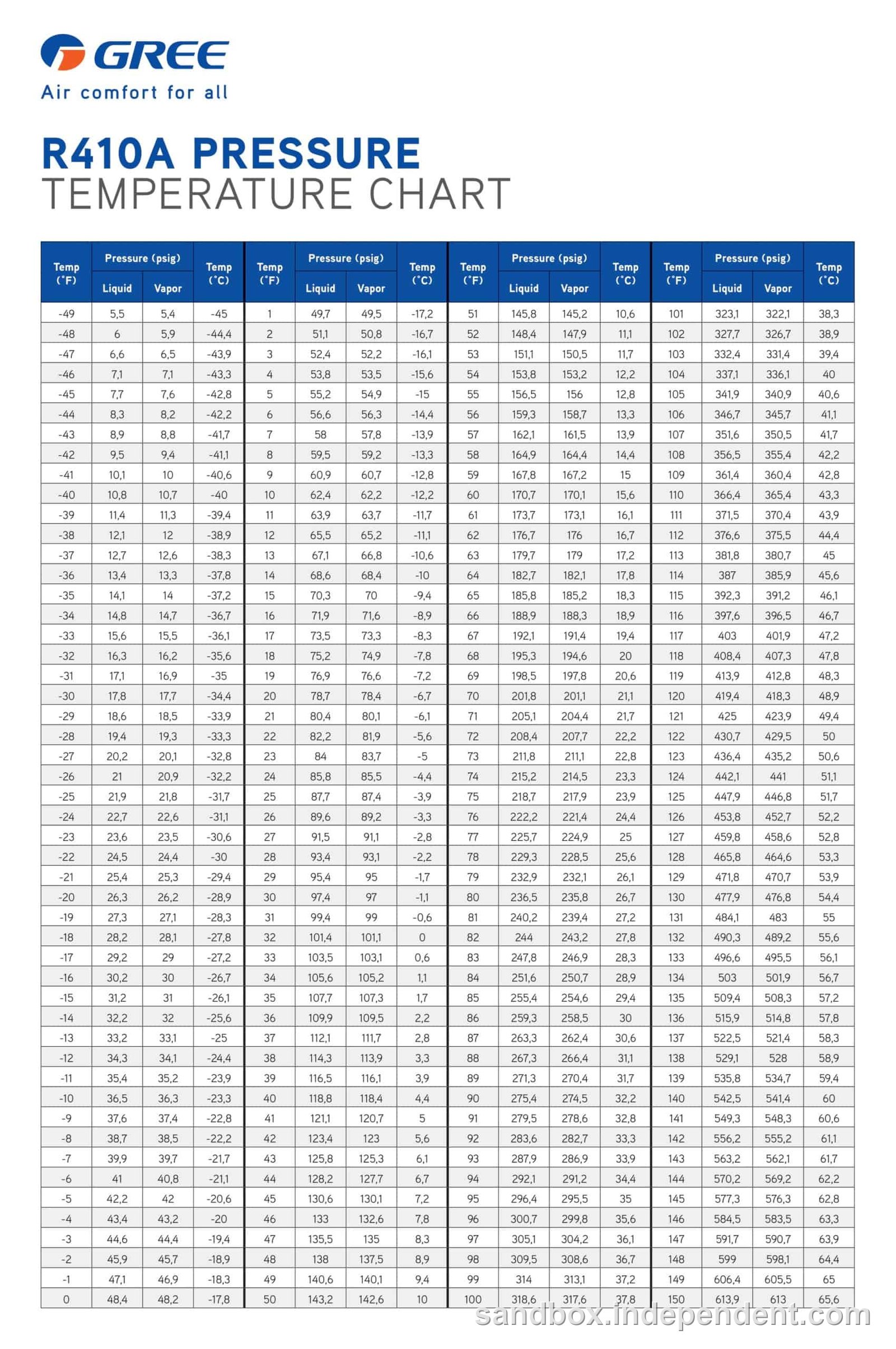
Many folks new to AC pressure charts might assume they're complex and confusing, but they're actually a simple and handy tool. It's a common misconception that these charts are hard to interpret, when in fact, they provide a clear snapshot of your AC system's health.
The AC pressure chart is a visual guide, often in table format, that displays pressure readings and their corresponding temperatures. These charts can vary slightly, but they offer a quick way to identify any issues and ensure your AC is running smoothly.
Understanding AC Pressure Charts
An AC pressure chart is a handy tool for anyone working with air conditioning systems. It's a visual representation of the relationship between pressure and temperature, helping you understand the state of your AC system and make informed decisions. These charts are like a map, guiding you through the complex world of AC diagnostics and maintenance.
Key Details and Units
Before diving into the chart, let's cover some basics. The AC pressure chart typically displays pressure readings in two units: psi (pounds per square inch) and kPa (kilopascals). These units measure the force exerted by the refrigerant gas inside your AC system. The chart also shows temperature, often in degrees Fahrenheit or Celsius, which is crucial for understanding the refrigerant's state.
Reading and Applying the Chart: A Step-by-Step Guide
Start by identifying the type of refrigerant used in your AC system. Common refrigerants like R134a or R410A have specific pressure-temperature relationships, so knowing this is essential.
Find the corresponding AC pressure chart for your refrigerant. These charts are readily available online or in AC maintenance manuals.
Locate the pressure reading on the chart. Pressure is usually displayed on the y-axis, with higher values indicating greater pressure.
Next, identify the temperature reading. Temperature is typically on the x-axis, with higher temperatures to the right.
Now, simply trace a line from your pressure reading to the temperature reading. The point where these lines intersect gives you the refrigerant's state.
Interpret the chart reading. If the point falls within the normal operating range, your AC system is likely functioning correctly. However, if it's outside this range, it could indicate an issue.
Variations Across Standards and Contexts
It's important to note that AC pressure charts can vary depending on the standard being used. Different regions and manufacturers may have slight variations in pressure and temperature ranges. Always refer to the specific chart for your AC system to ensure accuracy. Additionally, environmental factors like altitude can affect pressure readings, so be mindful of these variables when interpreting the chart.
Common Mistakes and How to Avoid Them
One common mistake is using the wrong AC pressure chart for your refrigerant type. Always double-check the refrigerant and ensure you have the correct chart. Another pitfall is misinterpreting the chart readings. Remember, the chart provides a snapshot of the refrigerant's state, but it doesn't account for other factors like airflow or system efficiency. Always consider the bigger picture when troubleshooting.
Practical Tips for Accurate Results
When using an AC pressure chart, ensure your AC system is running under normal conditions. This means the system should be operating at full capacity with a steady airflow. Avoid taking readings during start-up or shutdown, as these transient states can provide misleading results. Additionally, ensure your pressure gauge is calibrated and accurate. Even a small error in pressure reading can lead to incorrect interpretations.
Double-Checking and Handling Edge Cases
While AC pressure charts are valuable, they are not foolproof. Always cross-reference your chart readings with other diagnostic tools and your AC system's performance. If you suspect an issue, consider using a pressure-temperature chart or consulting an AC professional. Remember, these charts provide a general guide, but real-world conditions can vary. Always err on the side of caution and seek expert advice when needed.
Remember, while this guide provides a solid foundation, it's always a good idea to check your specific needs and requirements. Exact values can vary, so double-check the standards and sources relevant to your project.
Take a moment to explore our other resources; we've got plenty of practical guides to keep you informed and inspired. Happy reading, and stay tuned for more!