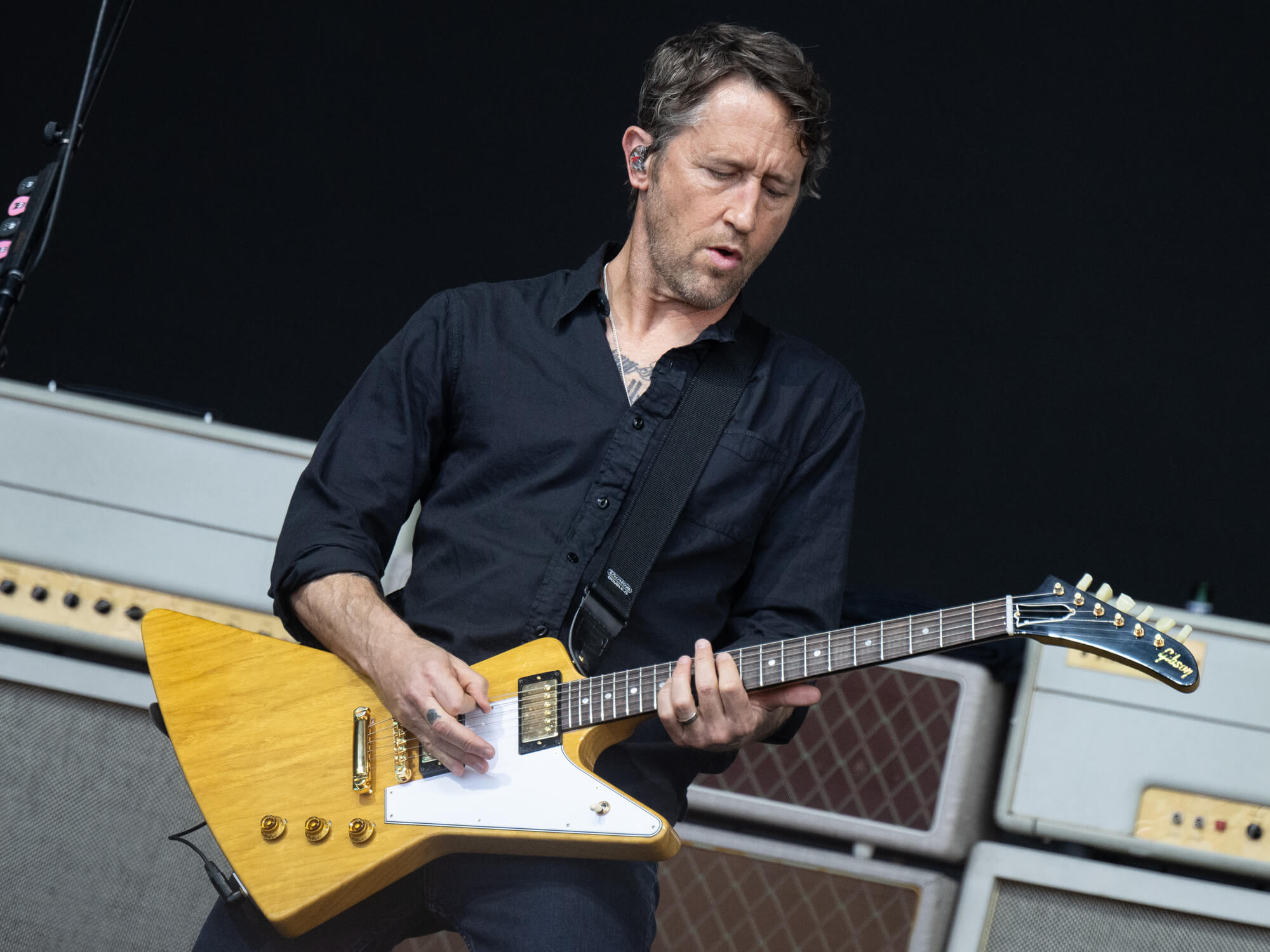
The distinctive sound of Chris Shiflett’s guitar playing is a crucial component of the Foo Fighters’ signature sound. As the lead guitarist of the band, Shiflett brings a unique set of skills and influences to the table, shaping the group’s music into what it is today. To understand what makes Chris Shiflett’s guitar playing unique, let’s delve into his background, technique, and the specific equipment he uses.
Influences and Background
Chris Shiflett’s musical journey began with punk rock, playing in bands like No Use for a Name and Me First and the Gimme Gimmes. This punk background has significantly influenced his playing style, which is characterized by high-energy performances and a knack for crafting catchy, anthemic riffs. When he joined the Foo Fighters, he brought this punk sensibility to the band, merging it with their existing sound to create something distinctive.
Guitar Technique
One of the most notable aspects of Shiflett’s guitar technique is his use of melody. He has a keen sense of how to craft guitar parts that complement the vocal melodies, often creating dual melodies that intertwine with Dave Grohl’s vocals. This approach not only enhances the songs’ overall melodic impact but also adds depth and complexity to the Foo Fighters’ sound.
Another key aspect of Shiflett’s technique is his adaptability. He is as comfortable playing delicate, arpeggiated parts as he is laying down heavy, distorted riffs. This versatility allows the band to explore a wide range of musical territories, from the soft and introspective to the loud and aggressive.
Equipment and Tone
Chris Shiflett is known for his extensive collection of guitars, but he often relies on a few trusted models for his work with the Foo Fighters. His go-to guitars include various Fender models, such as the Telecaster and the Stratocaster, which provide him with the versatility and tone he needs for the band’s diverse soundscapes.
In terms of amplification, Shiflett uses a combination of vintage and modern amps to achieve his signature tone. He is particularly fond of the Fender Deluxe Reverb and the Marshall JCM800, which offer a perfect balance of clarity, sustain, and distortion. His effects pedalboard is also meticulously curated, featuring a range of overdrive, distortion, and delay pedals that help shape his sound.
Foo Fighters Tips: Capturing the Essence of Shiflett’s Sound
For guitarists looking to capture the essence of Chris Shiflett’s sound, here are a few tips inspired by his approach:
Experiment with Melody: Don’t be afraid to use your guitar as a melodic instrument. Practice crafting parts that complement the vocal lines and add an extra layer of depth to your songs.
Versatility is Key: Be open to exploring different playing styles and techniques. From the soft and delicate to the heavy and aggressive, versatility can greatly enhance your musicality and the sound of your band.
Invest in Quality Equipment: While it’s not necessary to have the exact same gear as Chris Shiflett, investing in quality instruments and amplifiers can significantly improve your tone. Experiment with different guitars, amps, and effects pedals to find the sound that works best for you.
Practice with a Metronome: To develop the tight, precise playing that characterizes the Foo Fighters’ sound, practice with a metronome. This will help you improve your timing and overall musicianship.
Listen and Learn: Study Chris Shiflett’s playing style by listening to Foo Fighters albums and watching live performances. Analyze his parts, from the simplest to the most complex, and try to understand what makes them tick.
By embracing these tips and delving into the unique aspects of Chris Shiflett’s guitar playing, you can not only improve your own skills but also bring a bit of the Foo Fighters’ magic to your music.
Insight: One of the secrets to achieving a sound similar to Chris Shiflett's is understanding the balance between equipment and technique. It's not just about the gear you use, but how you use it. Spend time developing your skills, and then find the equipment that complements your playing style.
What guitars does Chris Shiflett primarily use with the Foo Fighters?
+Chris Shiflett often relies on Fender guitars, including the Telecaster and the Stratocaster, for their versatility and tone.
How can I improve my guitar playing to sound more like Chris Shiflett?
+Focus on developing your melodic sense, practice with a metronome to improve your timing, and be open to experimenting with different techniques and equipment to find your unique sound.
What role does Chris Shiflett's punk background play in his current guitar playing style?
+Chris Shiflett's punk background influences his high-energy performances and his ability to craft catchy, anthemic riffs that are a hallmark of the Foo Fighters' sound.
In conclusion, Chris Shiflett’s unique approach to guitar playing, influenced by his punk roots and honed through his work with the Foo Fighters, has become an integral part of the band’s identity. By understanding and embracing the elements that make his sound distinctive, guitarists can add a new dimension to their own playing and bring a fresh perspective to their music. Whether you’re a seasoned musician or just starting out, there’s much to learn from Chris Shiflett’s expertise and the Foo Fighters’ enduring legacy.