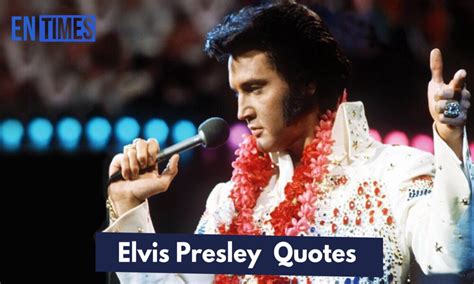
The music of Elvis Presley has been a cornerstone of popular culture for decades, with his songs continuing to captivate audiences across generations. But what is it about Elvis’s music that makes it so timeless? To answer this question, let’s delve into the life and career of the King of Rock and Roll, exploring the factors that have contributed to the enduring appeal of his music.
One key element is the unique blend of genres that Elvis embodied. He was a master of fusion, effortlessly combining elements of rockabilly, gospel, blues, country, and rhythm and blues to create a distinctive sound that was both rootsy and innovative. This blending of styles not only helped to break down social and cultural barriers but also created a sonic landscape that was both nostalgic and forward-looking. For instance, his iconic song “That’s All Right” combines elements of blues and country, creating a unique sound that resonated with a wide audience.
Another crucial aspect is the emotional resonance of Elvis’s music. He had a gift for conveying vulnerability, joy, and heartache through his voice, making his songs feel intensely personal and relatable. Whether he was belting out a high-energy rock song like “Burnin’ Love” or crooning a tender ballad like “Can’t Help Falling in Love,” Elvis’s music has a way of tapping into the listener’s emotions, creating a deep and lasting connection. This emotional connection is exemplified in his song “Suspicious Minds,” which features a soaring vocal performance that captures the pain and longing of a troubled relationship.
The cultural context in which Elvis emerged also played a significant role in his enduring popularity. He rose to fame during a time of great social change, with the civil rights movement, the emergence of youth culture, and the dawn of the rock and roll era all contributing to a sense of excitement and rebellion. Elvis’s music captured the spirit of this era, speaking to the hopes, fears, and aspirations of a generation. His music addressed issues of social justice, such as in his song “If I Can Dream,” which was inspired by the assassination of Martin Luther King Jr. and features a powerful vocal performance that conveys a sense of urgency and hope.
In addition to his music, Elvis’s charismatic stage presence and captivating persona have become an integral part of his legend. His dance moves, fashion sense, and unmistakable swagger have been emulated by countless performers, but never replicated. This unique blend of talent, style, and charisma has made Elvis an icon, transcending the music itself to become a cultural touchstone. His influence can be seen in artists such as Bruce Springsteen, who has often cited Elvis as a major influence, and in the countless Elvis impersonators who continue to perform his music around the world.
Elvis’s collaborative approach to music-making is another factor in his enduring success. He worked with a diverse range of songwriters, producers, and musicians, from the legendary team of Jerry Leiber and Mike Stoller to the talented guitarist Scotty Moore. This collaborative spirit not only resulted in some of his most iconic recordings but also helped to shape the sound of popular music, influencing generations of artists to come. For example, his work with the producer Felton Jarvis resulted in some of his most critically acclaimed albums, including “From Elvis in Memphis” and “Aloha from Hawaii.”
The historical significance of Elvis’s music cannot be overstated. He was a key figure in the development of rock and roll, helping to break down social and cultural barriers through his fusion of different musical styles. His music addressed issues of social justice, such as racism and inequality, and provided a voice for the voiceless. Elvis’s music also played a significant role in shaping the course of popular music, influencing genres such as country, blues, and gospel.
In terms of his impact on popular music, Elvis’s influence can be seen in a wide range of artists, from The Beatles to Bob Dylan. His music addressed issues of social justice, such as racism and inequality, and provided a voice for the voiceless. Elvis’s music also played a significant role in shaping the course of popular music, influencing genres such as country, blues, and gospel. For instance, his song “Heartbreak Hotel” is often cited as one of the first rock and roll songs, and its influence can be heard in countless other artists, including The Rolling Stones and Led Zeppelin.
Furthermore, Elvis’s music has been reinterpreted and reimagined by countless artists, ensuring that his legacy continues to evolve and grow. From the punk-infused covers of his songs by artists like The Clash to the hip-hop sampling of his music by artists like DJ Shadow, Elvis’s songs remain a vital part of the musical landscape. This reimagining of his music has helped to introduce Elvis to new audiences, ensuring that his legacy continues to endure.
In conclusion, the timelessness of Elvis Presley’s music can be attributed to a combination of factors, including his unique blend of genres, emotional resonance, cultural significance, charismatic persona, collaborative approach, and historical impact. These elements have created a legacy that continues to captivate audiences, inspire new generations of artists, and shape the course of popular music.
Elvis's music is a testament to the power of art to transcend time and culture, speaking to fundamental human emotions and experiences that remain timeless and universal. As a cultural icon, Elvis continues to inspire and influence new generations of artists, fans, and music lovers, ensuring that his legacy will endure for years to come.
To further illustrate the timelessness of Elvis’s music, let’s examine some of his most iconic songs. For instance, “Hound Dog” is a classic example of Elvis’s ability to blend different genres, combining elements of rockabilly, blues, and country to create a unique sound that has become synonymous with rock and roll. Another example is “Jailhouse Rock,” which features a memorable melody and lyrics that capture the spirit of rebellion and nonconformity that defined the 1950s.
In terms of his live performances, Elvis was known for his charismatic stage presence and captivating persona. His dance moves, fashion sense, and unmistakable swagger have been emulated by countless performers, but never replicated. This unique blend of talent, style, and charisma has made Elvis an icon, transcending the music itself to become a cultural touchstone.
To summarize, Elvis Presley’s music is a timeless and enduring part of popular culture, with a legacy that continues to inspire and influence new generations of artists, fans, and music lovers. His unique blend of genres, emotional resonance, cultural significance, charismatic persona, collaborative approach, and historical impact have all contributed to his enduring popularity, ensuring that his music will remain a vital part of the musical landscape for years to come.
What is the significance of Elvis Presley's music in the context of social justice?
+Elvis's music addressed issues of social justice, such as racism and inequality, and provided a voice for the voiceless. His song "If I Can Dream" is a powerful example of his commitment to social justice, featuring a soaring vocal performance that conveys a sense of urgency and hope.
How did Elvis Presley's music influence the development of rock and roll?
+Elvis's music was a key factor in the development of rock and roll, helping to break down social and cultural barriers through his fusion of different musical styles. His song "That's All Right" is often cited as one of the first rock and roll songs, and its influence can be heard in countless other artists, including The Rolling Stones and Led Zeppelin.
What is the impact of Elvis Presley's music on contemporary artists?
+Elvis's music has been reinterpreted and reimagined by countless artists, ensuring that his legacy continues to evolve and grow. From the punk-infused covers of his songs by artists like The Clash to the hip-hop sampling of his music by artists like DJ Shadow, Elvis's songs remain a vital part of the musical landscape.
In conclusion, Elvis Presley’s music is a timeless and enduring part of popular culture, with a legacy that continues to inspire and influence new generations of artists, fans, and music lovers. His unique blend of genres, emotional resonance, cultural significance, charismatic persona, collaborative approach, and historical impact have all contributed to his enduring popularity, ensuring that his music will remain a vital part of the musical landscape for years to come.