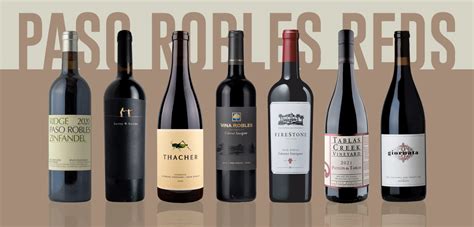
The rolling hills and vast vineyards of Paso Robles, a picturesque wine country located in San Luis Obispo County, California, have been gaining recognition worldwide for producing some of the most exceptional wines. Paso Robles wines are distinct due to a combination of unique geographical characteristics, innovative winemaking techniques, and a deep-rooted passion for viticulture among its winemakers. This expertise has propelled Paso Robles to the forefront of the wine industry, attracting connoisseurs and newcomers alike.
Geographical Uniqueness
Paso Robles’ uniqueness begins with its geography. The region boasts an extraordinary diversity of soils, with over 30 different types identified. This variability allows for a broad spectrum of grape varieties to thrive, from classic Bordeaux and Rhone Valley varietals to Italian and Spanish grapes. The Paso Robles American Viticultural Area (AVA) is also characterized by its proximity to the Pacific Ocean, which brings cool marine layers that moderate the climate. This results in cooler nights and warmer days, ideal conditions for grape ripening and the development of complex flavors in the wines.
Microclimates and Diversity
One of the standout features of Paso Robles is its microclimates. The region is divided into eleven smaller sub-AVAs, each with its distinct climate and soil conditions. This diversity enables winemakers to select the perfect microclimate for specific grape varieties, ensuring that each wine reaches its full potential. For example, the warmer areas of the east side are well-suited for full-bodied reds like Cabernet Sauvignon and Syrah, while the cooler western areas are ideal for Chardonnay and other white varietals.
Innovative Winemaking
Paso Robles is also known for its innovative approach to winemaking. The region is home to a new generation of winemakers who are pushing the boundaries of traditional methods. They experiment with different fermentation techniques, aging processes, and blends, resulting in unique and complex wines. The use of sustainable and organic practices is also on the rise, reflecting the community’s commitment to environmental stewardship and the production of high-quality, natural wines.
Community and Tradition
Despite the modern trends and innovations, Paso Robles remains deeply rooted in tradition and community. Many of the wineries are family-owned and operated, with generations of winemakers contributing to the region’s reputation. The Paso Robles Wine Country Alliance, a collective body of wineries, vineyards, and related businesses, works to promote the region and support its members, fostering a sense of camaraderie and shared purpose among its constituents.
Tasting and Visiting
For those interested in exploring the world of Paso Robles wines, visiting the region is a must. The area offers a plethora of wineries and vineyards, many of which have tasting rooms and tours. Visitors can enjoy the scenic beauty of the vineyards, learn about the winemaking process, and of course, taste some of the exceptional wines Paso Robles has to offer. The annual Paso Robles Wine Festival is another highlight, bringing together winemakers, wine enthusiasts, and live music in a celebration of the region’s wine culture.
Practical Guide to Paso Robles Wines
- Varietals to Try: Cabernet Sauvignon, Syrah, Petite Sirah, Chardonnay, and Grenache Blanc.
- Must-Visit Wineries: Tablas Creek Vineyard, Justin Winery, DAOU Vineyards, and Opolo Vineyards.
- Best Time to Visit: Spring and fall for optimal weather and wine festival events.
- Food Pairing: Paso Robles wines pair well with grilled meats, seafood, and a variety of cheeses and charcuterie.
Conclusion
Paso Robles wines are a culmination of natural advantages, innovative spirit, and a passionate community. Whether you’re a seasoned wine connoisseur or just beginning your wine journey, Paso Robles offers a unique and enriching experience. With its diverse range of wines, stunning natural beauty, and welcoming community, Paso Robles is an unmissable destination for anyone who appreciates the art and craft of winemaking.
FAQ Section
What are the primary grape varieties grown in Paso Robles?
+Paso Robles is known for growing a wide range of grape varieties, with Cabernet Sauvignon, Syrah, and Chardonnay being among the most popular. The region's diverse soils and microclimates allow for the cultivation of over 40 different varietals.
How does the climate of Paso Robles affect its wines?
+The climate in Paso Robles, characterized by hot days and cool nights due to its proximity to the Pacific Ocean, contributes to the development of complex flavors and good acidity in its wines. This diurnal temperature variation is particularly beneficial for the ripening of grapes.
What are some recommended wineries to visit in Paso Robles?
+Among the many excellent wineries in Paso Robles, Tablas Creek Vineyard, Justin Winery, DAOU Vineyards, and Opolo Vineyards are highly recommended. Each offers unique wines and a memorable tasting experience.
In Paso Robles, the passion for winemaking, combined with the region’s unique characteristics, results in wines that are not only exceptional in quality but also reflective of the land and the people who cultivation them. Whether exploring the vineyards, tasting the latest vintages, or simply learning about the craft of winemaking, a visit to Paso Robles promises an unforgettable experience for all who appreciate the beauty and complexity of wine.