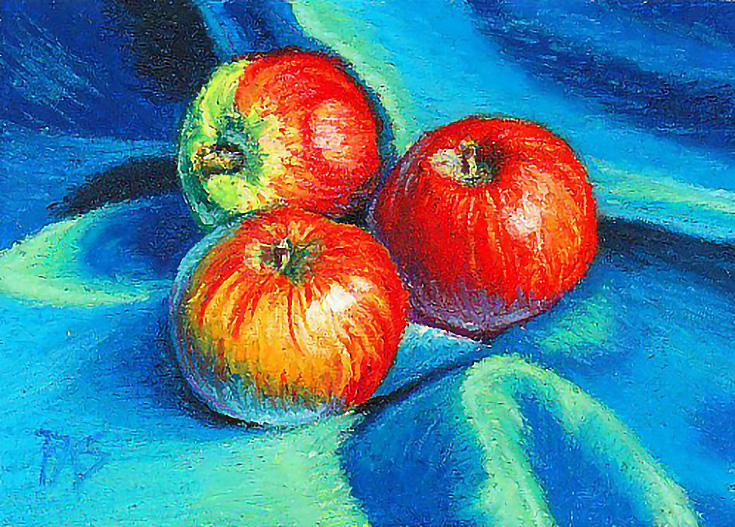
When it comes to working with oil pastels, the right paper can make all the difference in achieving vibrant, rich colors and preventing smudging or bleeding. The ideal paper for oil pastels should have a few key characteristics: a rough texture to allow for good pigment adhesion, a high cotton content for durability, and a sizing that prevents the oil pastels from feathering or spreading unevenly.
Introduction to Paper Types
There are several types of paper that are well-suited for oil pastel work, each with its own unique characteristics and advantages. Understanding these differences is crucial for selecting the best paper for your specific needs.
1. Cold Press Watercolor Paper
Cold press watercolor paper is a popular choice among artists who work with oil pastels. Its textured surface, which is rougher than hot press but smoother than rough, provides an excellent ground for oil pastels. The texture allows for good pigment adhesion and can help create expressive, tactile artworks. Brands like Arches and Fabriano offer high-quality cold press papers that are resistant to buckling and can withstand multiple layers of oil pastel without compromising the paper’s integrity.
2. Mixed Media Paper
Mixed media paper is designed to handle a variety of art supplies, including oil pastels, acrylics, markers, and more. It’s often less expensive than watercolor paper but still offers a durable, versatile surface that can blend different media smoothly. Mixed media papers can vary in texture, from smooth to rough, so it’s essential to choose one that complements the techniques you plan to use. Canson and Strathmore are notable brands that produce mixed media papers suitable for oil pastel work.
3. Brick Red or Brown Paper
For artists looking to add a warm, earthy tone to their background, brick red or brown paper can be an excellent choice. These papers not only provide a unique base color that can enhance the vibrancy of oil pastels but also often have a tactile quality that interacts interestingly with the pastel marks. This type of paper is particularly suited for creating natural, organic artworks that benefit from a warm, pre-colored background.
4. Black Paper
Working on black paper with oil pastels can produce stunning, high-contrast artworks. The dark background makes the colors of the oil pastels pop, creating vibrant, luminous effects. Black paper is ideal for artists who want to emphasize the brightness and saturation of their colors. However, it can be challenging to achieve subtle nuances in value, as the dark background may overpower lighter shades.
Considerations for Choosing the Best Paper
- Texture: A paper with some “tooth” or texture is best, as it allows the oil pastels to adhere well and can produce more expressive lines and textures.
- weight: Heavier papers (usually measured in gsm) are more durable and less likely to buckle under layers of oil pastel.
- Acid-Free: Ensure the paper is acid-free to prevent it from becoming brittle or discolored over time.
- Brand Reputation: Brands like Canson, Strathmore, Arches, and Fabriano are known for their high-quality art papers that meet the demands of oil pastel work.
Step-by-Step Guide to Selecting the Perfect Paper
- Determine Your Budget: High-quality papers can range significantly in price. Decide how much you’re willing to spend before making your selection.
- Consider Your Artistic Goals: Think about the effect you want to achieve with your oil pastel artwork. Do you want vibrant colors against a dark background, or perhaps a more natural, earthy feel?
- Experiment with Samples: If possible, try out samples of different papers with your oil pastels to see which one you like best.
- Read Reviews and Ask for Recommendations: Look for reviews from other artists or ask for recommendations in art communities to find papers that are highly regarded.
Frequently Asked Questions
What is the best paper for beginners working with oil pastels?
+For beginners, mixed media paper is often a good starting point. It's versatile, handles oil pastels well, and is relatively affordable. Brands like Canson or Strathmore offer good introductory options.
How can I prevent oil pastels from smudging on the paper?
+To minimize smudging, use a paper with a rough texture, apply light layers of oil pastel, and avoid overworking the same area repeatedly. Fixatives can also be used to set layers, but use them sparingly as they can affect the paper's texture.
Can I use oil pastels on regular printing paper?
+While it's technically possible to use oil pastels on regular printing paper, it's not recommended. Printing paper is usually too smooth and may not hold the pigment well, leading to smudging and uneven color distribution. It's also more prone to tearing and buckling.
Conclusion
The world of oil pastels offers a vibrant and expressive medium for artistic exploration, and the right paper can elevate your creations. By understanding the characteristics of different papers and considering your specific artistic needs, you can choose the perfect canvas for your next oil pastel masterpiece. Whether you’re working on a detailed portrait, a vibrant landscape, or an abstract piece, the interaction between your oil pastels and the paper you choose will be the foundation of your artistic journey.