







What Represents Michigan Overview
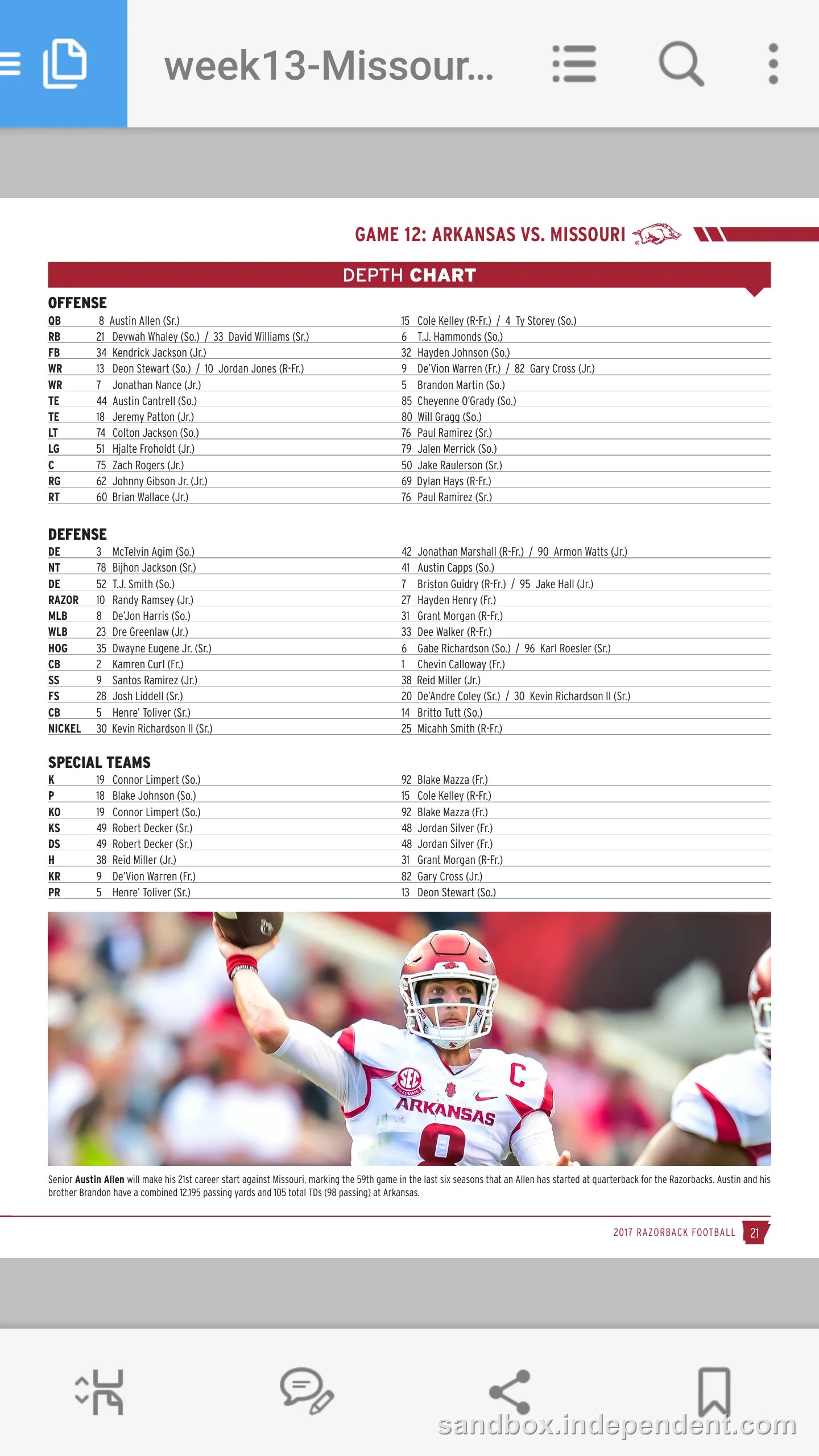
You're here, searching for a BYU depth chart, a handy tool for any sports fan or enthusiast. This chart is your go-to reference, offering a clear overview of the Cougars' roster and player positions. It's a simple yet effective way to understand the team's lineup and game strategy.
Understanding the BYU Depth Chart
The BYU depth chart is a valuable tool for anyone interested in BYU football. It provides an overview of the Cougars' roster and their player positions, giving you a clear picture of the team's lineup and potential game strategies. This chart is an essential reference for fans, analysts, and even the team itself, as it offers a visual representation of the players' depth and roles.
Comparing the Chart's Categories and Standards
The BYU depth chart typically follows a standard format, displaying players in their respective positions. You'll find categories like offense, defense, and special teams, each with its own set of positions. For example, the offense might include quarterbacks, running backs, wide receivers, and more. Each position is ranked by depth, showing the starting players and their backups. The chart often uses official measurements and standard abbreviations to keep things concise and clear.
Step-by-Step Guide to Reading the Depth Chart
Reading the BYU depth chart is straightforward. Start by identifying the different sections for offense, defense, and special teams. Within each section, you'll see the positions listed vertically, with the starters at the top and backups below. Pay attention to the abbreviations used; for instance, QB for quarterback or WR for wide receiver. The depth chart might also include additional information, such as jersey numbers or player heights and weights, depending on the specific chart's design.
Avoiding Common Misinterpretations
While the BYU depth chart is a useful tool, it's important to remember a few things. Firstly, the chart is a snapshot of the team's current lineup and can change over time due to injuries, player performance, or coaching decisions. Secondly, depth charts often simplify complex strategies; they don't always reflect the dynamic nature of a game. Lastly, be aware of any regional or standard variations. For example, some charts might use different abbreviations or follow slightly different formats. Always double-check the source and date of the chart to ensure accuracy.
Factors Affecting Accuracy and Real-World Use
Several key factors can influence the accuracy and real-world application of the BYU depth chart. These include:
Player injuries or illnesses: Unexpected injuries can quickly change a team's lineup.
Coaching decisions: Coaches may make strategic changes to the lineup based on game plans or opponent analysis.
Player performance: Outstanding or underperforming players can influence their position on the depth chart.
Team dynamics: Chemistry and communication among players can impact their roles and positions.
Game strategy: The depth chart is just one piece of the puzzle; coaches consider various factors when devising game plans.
Adapting the Chart for Specific Needs
The BYU depth chart can be adapted to meet specific needs or preferences. For instance, you might want to focus on a particular position or create a simplified version for younger fans. Additionally, some charts offer interactive features, allowing you to explore player stats or watch highlights. Remember, the chart is a flexible tool, and you can customize it to enhance your understanding of the team and its strategies.
Hey there! I hope this guide has given you a clear understanding of the BYU depth chart and its practical applications. Remember, while the basics remain consistent, the exact details might shift a little based on your specific needs and the context.
Feel free to explore our other guides for more insights and tips. We've got a whole library of resources to help you navigate various topics, so take a look around and find something that piques your interest!
Related: What is the Sileo Dosing Chart?
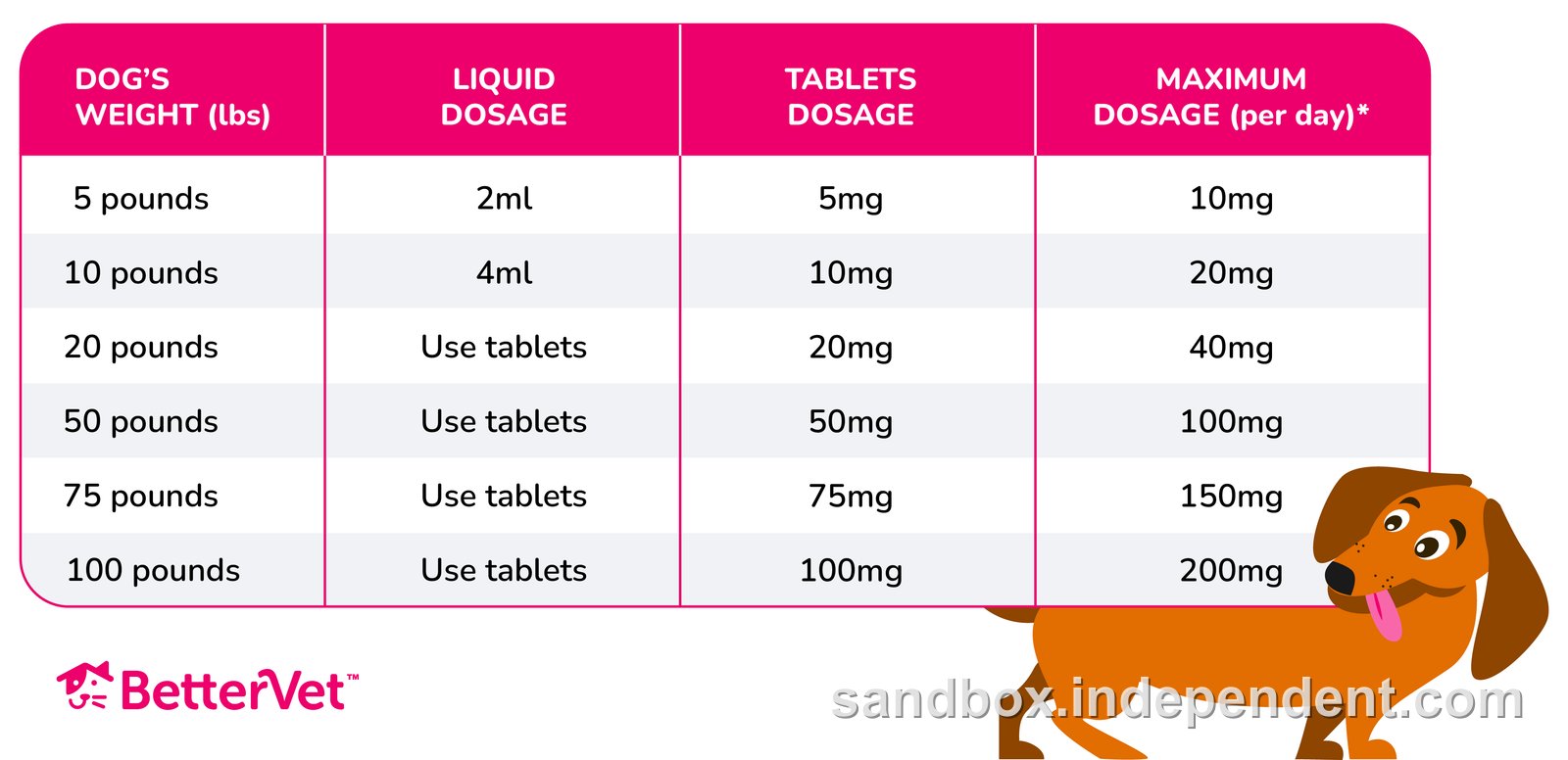
You've landed here, searching for a clear and concise resource, and the Sileo dosing chart is exactly that: a straightforward guide to ensure accurate dosing. This chart, a trusted tool for many, offers a visual representation of the recommended doses, often tailored to different weights and ages. It's a quick reference, ensuring you can administer Sileo with confidence, and it's designed to be user-friendly, with variations depending on regional standards and specific needs.
Understanding the Sileo Dosing Chart
The Sileo dosing chart is a valuable tool for determining the appropriate dosage of Sileo, a medication often used to treat specific conditions. This chart provides a clear and concise guide to ensure accurate dosing, especially when considering factors like weight and age.
Key Details and Categories
Before delving into the chart, it's essential to understand its structure. The Sileo dosing chart typically displays dosage information based on weight categories, usually in kilograms. These weight ranges are divided into common age groups, ensuring a tailored approach to dosing. The chart provides recommended doses in micrograms, offering precise guidance for each weight category.
Interpreting the Chart: A Step-by-Step Guide
- Identify the patient's weight. Ensure you have an accurate measurement, as this is the primary factor influencing the dose.
- Locate the corresponding weight category on the chart. These categories are often color-coded or labeled for easy identification.
- Within the selected weight category, find the recommended dose in micrograms. This value represents the ideal dosage for that specific weight range.
- Administer the medication as directed, following the dosage guidelines. It's crucial to adhere to the recommended dose to ensure safety and effectiveness.
Variations and Safety Considerations
While the Sileo dosing chart provides a standardized guide, variations may occur due to individual factors. Different regions or healthcare settings might have slightly different charts or guidelines, so it's important to refer to the specific chart relevant to your location. Additionally, certain conditions or patient characteristics might require adjustments to the standard dose, emphasizing the need for professional medical advice. Always consult with a healthcare provider to ensure the safe and effective use of Sileo.
Remember, while this dosing chart serves as a valuable tool, it's always a good idea to double-check the specific guidelines and recommendations relevant to your situation. The exact values and units might vary slightly across different contexts and standards, so it's essential to refer to the most appropriate resources for your needs.
Feel free to explore our collection of guides; we have a range of practical resources to help you navigate various topics with ease and confidence. Happy reading and learning!
Related: What's the youth size chart I need?
A youth size chart is a handy tool for parents and caregivers, offering a quick and accurate way to find the right fit for kids' clothing and shoes. This guide will show you how to navigate these charts, ensuring you get the perfect size every time.
Understanding the youth size chart is essential, especially when shopping online or for specific brands. While the charts provide standard measurements, they can vary slightly, so knowing how to read them is key.
Youth Size Chart: A Practical Guide
A youth size chart is an essential tool for parents and caregivers to ensure kids' clothes and shoes fit comfortably and correctly. This chart provides a standardized guide to help you choose the right size for children's apparel and footwear.
Key Details and Categories
The youth size chart typically includes categories for clothing and shoes, with specific measurements for each. For clothing, you'll find sizes ranging from XS (extra small) to XL (extra large), each with corresponding chest, waist, and height measurements in inches or centimeters. Shoe sizes, on the other hand, are numbered and often include an age range as a reference.
Understanding the Chart: Step-by-Step
To use the youth size chart accurately, follow these steps:
- Measure your child's chest, waist, and height. Ensure you use a flexible measuring tape for an accurate reading.
- Locate the appropriate category on the chart: clothing or shoes.
- For clothing, find the size that best matches your child's measurements. If their measurements fall between two sizes, choose the larger size for comfort and room to grow.
- For shoes, identify the size that aligns with your child's age or foot length.
- Always double-check the specific brand or manufacturer's guidelines, as sizing can vary slightly between brands.
Common Size Variations and Why They Occur
It's important to note that youth sizes can vary depending on several factors:
- Region and Standard: International youth size charts may use different units or have slightly different measurements. Always check if the chart follows US or international standards.
- Clothing Style: Different types of clothing, like shirts, pants, or jackets, may have unique sizing requirements.
- Shoe Type: Athletic shoes, for instance, might have a different fit compared to dress shoes.
- Individual Differences: Every child's body is unique, so variations in body shape and size are common.
Practical Sizing Tips and Common Mistakes to Avoid
Here are some tips to ensure accurate sizing:
- Measure your child regularly, as they grow quickly!
- Don't assume that all brands follow the same sizing guidelines.
- When in doubt, opt for a slightly larger size to allow for growth.
- Avoid relying solely on age for shoe sizing; foot length is a more accurate indicator.
- Remember that comfort and fit are crucial, so always try items on if possible.
By following these guidelines and understanding the factors that influence youth sizing, you'll be able to choose the perfect fit for your child's clothes and shoes.
Hey there, I hope this youth size chart guide has been a helpful resource for you. Remember, when it comes to sizing, exact values can differ slightly, so always double-check the source and standard you're using.
It's always a good idea to bookmark pages like these for future reference, especially when you're shopping for kids and need a quick reminder of the right measurements. Feel free to explore our other guides too; we've got plenty of practical tips and tricks to make your life easier!