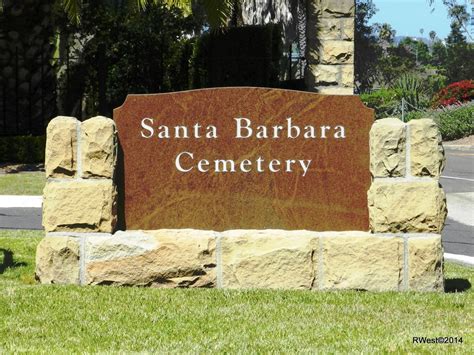
The Santa Barbara Cemetery, nestled in the picturesque coastal town of Santa Barbara, California, is a treasure trove of historical secrets and fascinating stories. As one wanders through the serene grounds, the crumbling headstones and majestic mausoleums whisper tales of the past, echoing the lives of those who shaped the city’s rich cultural heritage. From pioneers and politicians to outlaws and entrepreneurs, the cemetery is the final resting place of a diverse array of individuals who left an indelible mark on the region.
Uncovering the Lives of Santa Barbara’s Founding Families
Among the earliest inhabitants of Santa Barbara were the Spanish settlers, who arrived in the late 18th century. The cemetery is home to the graves of several founding families, including the De la Guerras, the Carrillos, and the Ortegas. These families played a significant role in shaping the city’s early history, from the establishment of the Mission Santa Barbara to the development of the local economy. Their stories, etched on weathered headstones, offer a glimpse into the lives of Santa Barbara’s earliest residents.
For instance, the De la Guerra family, who arrived in Santa Barbara in 1811, were instrumental in the city’s commercial and agricultural development. Their legacy can be seen in the historic De la Guerra Adobe, which still stands today as a testament to the family’s enduring impact on the city. The cemetery’s historic secrets, such as the De la Guerra family’s contributions, are waiting to be uncovered by curious visitors.
The Legacy of Santa Barbara’s Maritime History
Santa Barbara’s strategic location on the coast made it an important hub for maritime trade and commerce. The cemetery is the final resting place of several notable figures from the city’s maritime history, including ship captains, sailors, and merchants. One such individual is George Nidever, a sailor and explorer who played a key role in the development of Santa Barbara’s harbor. Nidever’s grave, marked by a simple headstone, belies the significance of his contributions to the city’s growth and prosperity.
The maritime history of Santa Barbara is also reflected in the cemetery’s monuments and memorials. The Santa Barbara Maritime Museum, located nearby, offers a wealth of information on the city’s rich maritime heritage, including the stories of those buried in the cemetery. By exploring the cemetery and the museum, visitors can gain a deeper understanding of the city’s history and its connection to the sea.
The Story of Santa Barbara’s Chinese Community
In the late 19th and early 20th centuries, Santa Barbara experienced an influx of Chinese immigrants, who came to work on the city’s railroads, in its mines, and as laborers on local farms. The cemetery is home to a dedicated Chinese section, where many of these individuals are buried. The graves, marked by traditional Chinese headstones and ornate decorations, serve as a poignant reminder of the significant contributions made by Santa Barbara’s Chinese community to the city’s growth and development.
The Chinese section of the cemetery is a testament to the city’s cultural diversity and the importance of preserving its historical heritage. Visitors can explore the section and learn about the lives and experiences of Santa Barbara’s Chinese residents, gaining a deeper appreciation for the city’s complex and multifaceted history.
Outlaws and Lawmen: The Wild West in Santa Barbara
Santa Barbara, like many other Western towns, had its share of outlaws and lawmen. The cemetery is the final resting place of several notorious figures, including bandits, gunslingers, and sheriffs. One such individual is Charlie Parkhurst, a notorious stagecoach robber who met his end in a shootout with lawmen in 1879. Parkhurst’s grave, marked by a simple headstone, is a reminder of the wild and often violent history of the American West.
The stories of outlaws and lawmen in Santa Barbara are a fascinating aspect of the city’s history, offering a glimpse into the lives of those who lived on the edge of the law. By exploring the cemetery and learning about these individuals, visitors can gain a deeper understanding of the city’s complex and often tumultuous past.
Santa Barbara’s Silent Film Era
In the early 20th century, Santa Barbara became a popular location for the fledgling film industry. The city’s picturesque landscapes, mild climate, and accessibility made it an ideal spot for filming. The cemetery is the final resting place of several individuals connected to the silent film era, including actors, directors, and technicians. One such individual is Hobart Bosworth, a actor and director who worked with legendary figures like Charlie Chaplin and D.W. Griffith. Bosworth’s grave, marked by a elegant mausoleum, serves as a reminder of Santa Barbara’s significant contribution to the development of the film industry.
The silent film era in Santa Barbara is a fascinating aspect of the city’s history, offering a glimpse into the lives of those who helped shape the film industry. By exploring the cemetery and learning about these individuals, visitors can gain a deeper understanding of the city’s cultural and artistic heritage.
Honoring the Memories of Santa Barbara’s Veterans
The Santa Barbara Cemetery is also the final resting place of numerous veterans who served in various conflicts, from the Civil War to World War II. The cemetery’s Veterans’ Section, marked by a soaring monument, is a tribute to the bravery and sacrifice of these individuals. The section is also home to the graves of several notable military figures, including General Fremont, who played a significant role in the Mexican-American War.
The Veterans’ Section of the cemetery is a poignant reminder of the city’s rich military history and the sacrifices made by its residents. Visitors can explore the section and learn about the lives and experiences of Santa Barbara’s veterans, gaining a deeper appreciation for the city’s complex and multifaceted history.
FAQ Section
What is the historical significance of the Santa Barbara Cemetery?
+The Santa Barbara Cemetery is a treasure trove of historical secrets and fascinating stories, offering a glimpse into the lives of the city's founding families, maritime history, Chinese community, outlaws, and film industry legends.
Who are some of the notable individuals buried in the Santa Barbara Cemetery?
+Notable individuals buried in the cemetery include members of the De la Guerra family, George Nidever, Charlie Parkhurst, Hobart Bosworth, and General Fremont, among others.
What can visitors expect to see when exploring the Santa Barbara Cemetery?
+Visitors can expect to see a wide range of historic graves, monuments, and mausoleums, including those dedicated to the city's founding families, maritime history, Chinese community, outlaws, and film industry legends.
How can visitors learn more about the history of the Santa Barbara Cemetery?
+Visitors can learn more about the history of the cemetery by exploring the Santa Barbara Historical Museum, the Santa Barbara Maritime Museum, and other local historical resources.
In conclusion, the Santa Barbara Cemetery is a unique and fascinating destination that offers a glimpse into the city’s complex and multifaceted history. By exploring the cemetery and uncovering its secrets, visitors can gain a deeper appreciation for the city’s rich cultural heritage and the lives of those who shaped its development. Whether you’re a history buff, a film enthusiast, or simply a curious visitor, the Santa Barbara Cemetery is a must-see destination that is sure to leave a lasting impression.