



Wheel Offset Chart Blank Overview
If you're here, you're likely seeking a piano keys chart to quickly reference or understand better. Whether it's for a music project, a performance, or simply to enhance your piano skills, having a reliable chart at hand is essential. The piano keys chart offers a clear and organized layout, providing an overview of the keyboard's layout and the notes it produces. It serves as a practical tool, especially when you need precise information about piano key lengths, standard layouts, or even the note frequencies. While the values and formats may vary slightly depending on the source, the chart's purpose remains the same: to guide and assist musicians and enthusiasts alike.
Understanding the Piano Keys Chart
The piano keys chart is a valuable tool for musicians and piano enthusiasts, offering a visual representation of the keyboard layout and its corresponding notes. This chart provides an organized overview, making it easier to identify and understand the relationship between keys, octaves, and musical notes.
Key Details and Prerequisites
Before delving into the chart, it's essential to grasp some fundamental concepts. A standard piano keyboard consists of 88 keys, with a repeating pattern of seven white keys and five black keys. These keys are organized into groups of twelve, forming an octave. Each key represents a specific note, and their arrangement follows a logical sequence. The chart typically displays the keys and their corresponding notes, often using a color-coded system for clarity.
Reading the Measurements and Layout
To read the piano keys chart, follow these steps:
Identify the Key Labels: The chart will display the names of the keys, usually in alphabetical order, with corresponding note names. Common labels include C, D, E, F, G, A, and B, along with their sharps and flats.
Understand the Octave System: Octaves are groups of twelve keys, and the chart will often highlight these divisions. Each octave starts with a C note, followed by the remaining eleven notes in sequence.
Recognize the Key Colors: Many charts use colors to differentiate between white and black keys. White keys are typically represented by a light shade, while black keys might be darker or shaded differently.
Note Frequencies: Some charts include information about the frequency of each note, measured in Hertz (Hz). This data provides insight into the pitch and can be useful for tuning and understanding the piano's range.
Key Dimensions: The chart may also provide measurements for key lengths and widths, especially for those interested in piano construction or repair.
Common Keyboard Variations and Standards
While the standard piano keyboard layout is consistent, there can be variations and differences:
Piano Key Lengths: The length of piano keys can vary slightly between manufacturers and models. Some older pianos might have slightly shorter or longer keys.
Note Frequency Chart: The frequency of notes can differ based on the tuning standard. Common standards include A440 (440 Hz for the A above middle C) and A442, with variations used in different regions and musical genres.
Octave Measurements: The exact length of an octave can vary, especially in older pianos. Modern pianos typically have a standardized octave length, but older instruments might have slight deviations.
Avoiding Common Mistakes
To ensure accurate use of the piano keys chart:
Double-check the standard being used, especially for note frequencies and octave measurements.
Be aware of potential variations in key lengths and dimensions, especially when working with older pianos.
Understand the context and purpose of the chart. For example, a chart designed for tuning might focus on note frequencies, while a construction guide might emphasize key dimensions.
Always refer to reliable sources and official specifications when dealing with specific piano models or unique situations.
By following these guidelines and understanding the layout and measurements, you can effectively utilize the piano keys chart as a practical tool for exploring the piano's vast musical potential.
Well, there you have it! A comprehensive guide to understanding piano keys and their chart. With this knowledge, you can now navigate the keyboard with ease and precision.
Remember, when it comes to applying this chart, it's essential to consider your specific needs and the context in which you'll be using it. Exact values may differ slightly, so always double-check the standard or source you're working with. It's a good idea to bookmark this page for future reference; you never know when you might need a quick reminder!
Related: Understanding Screw Size Charts
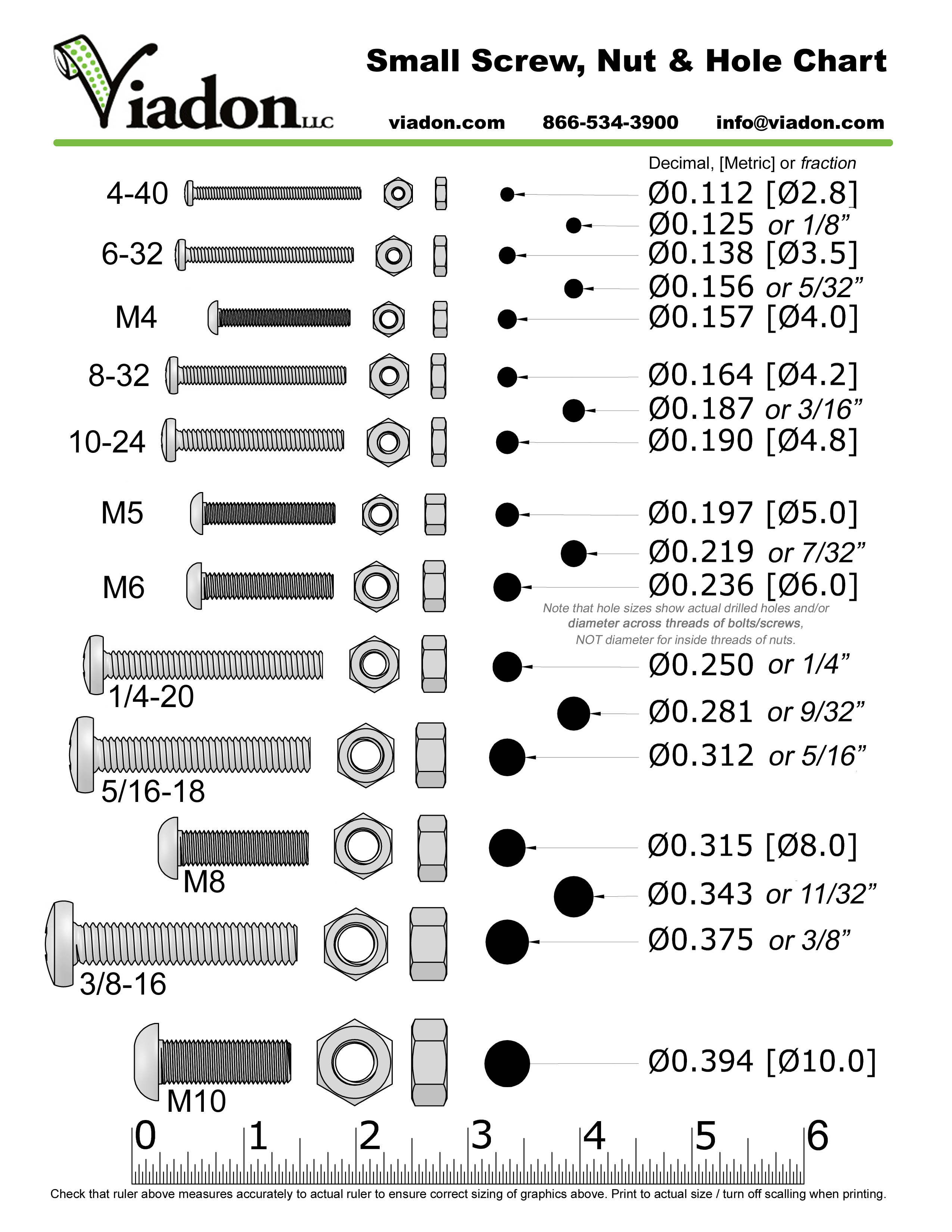
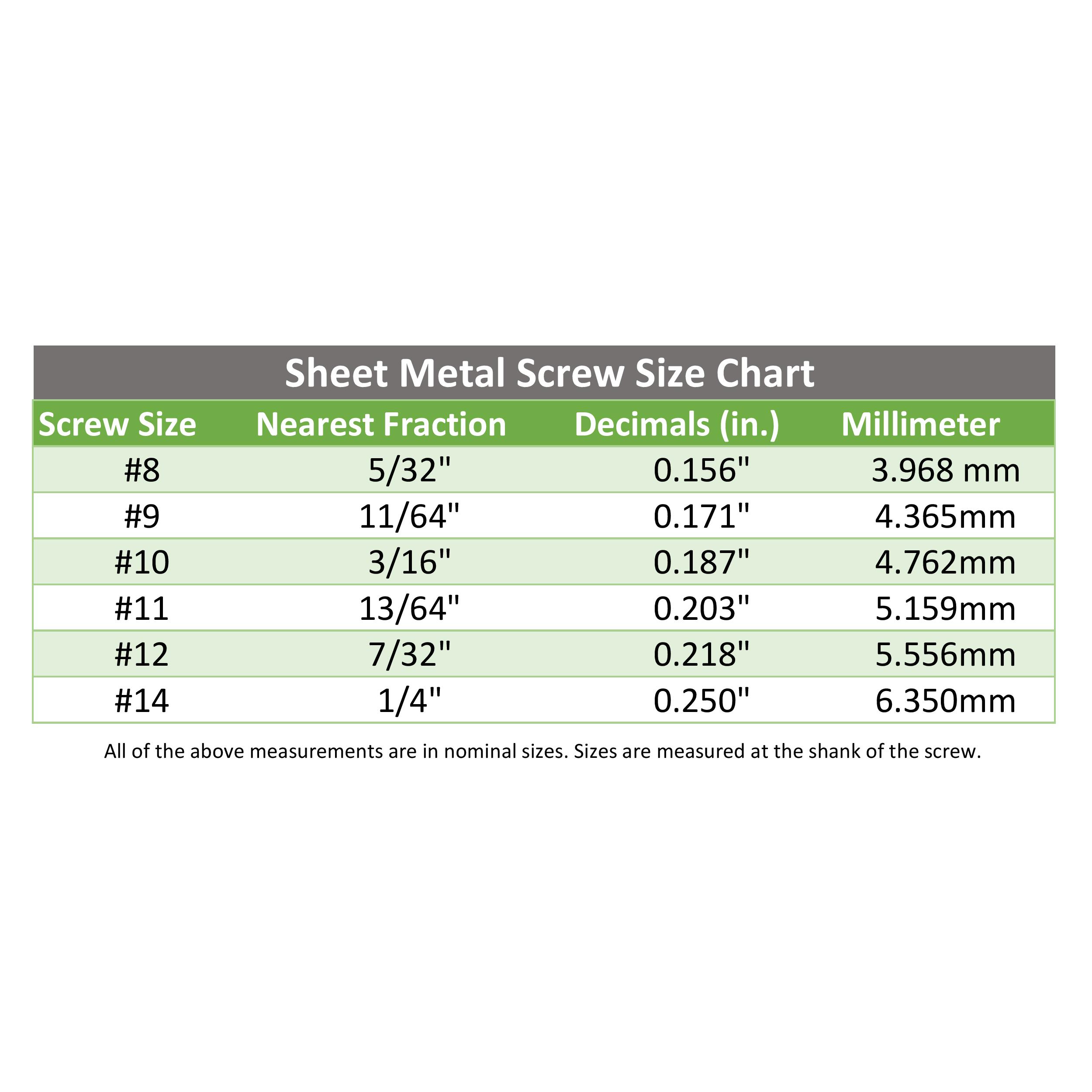
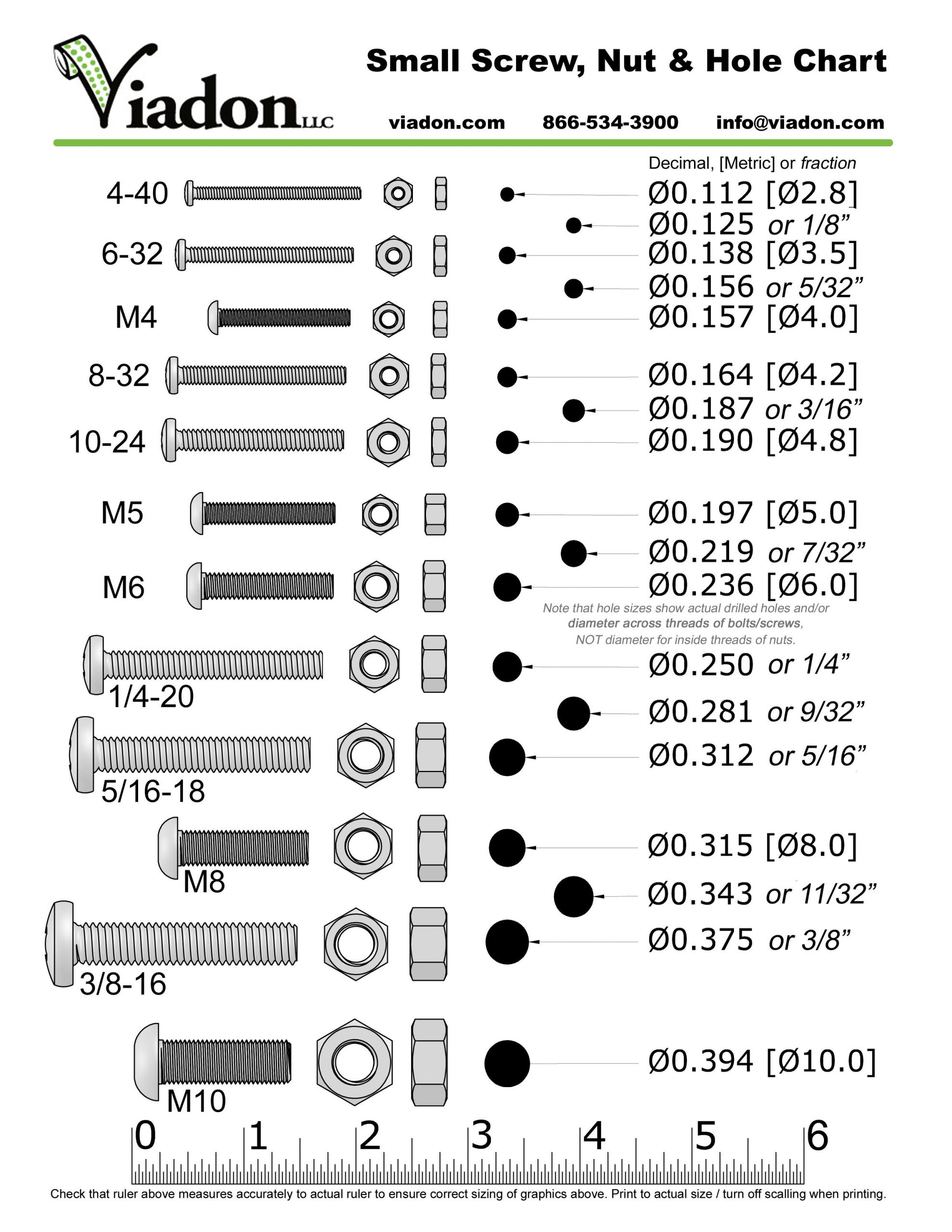
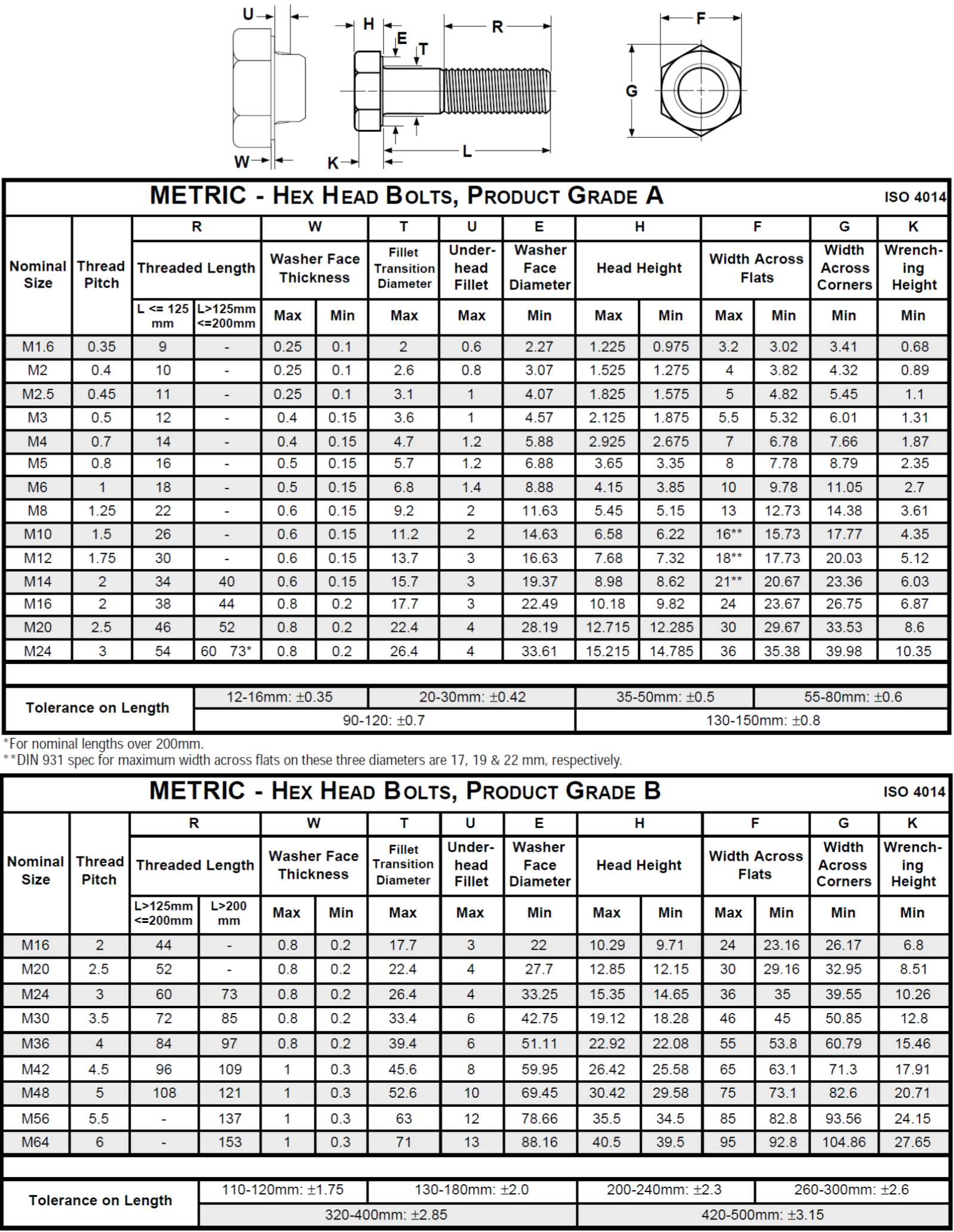
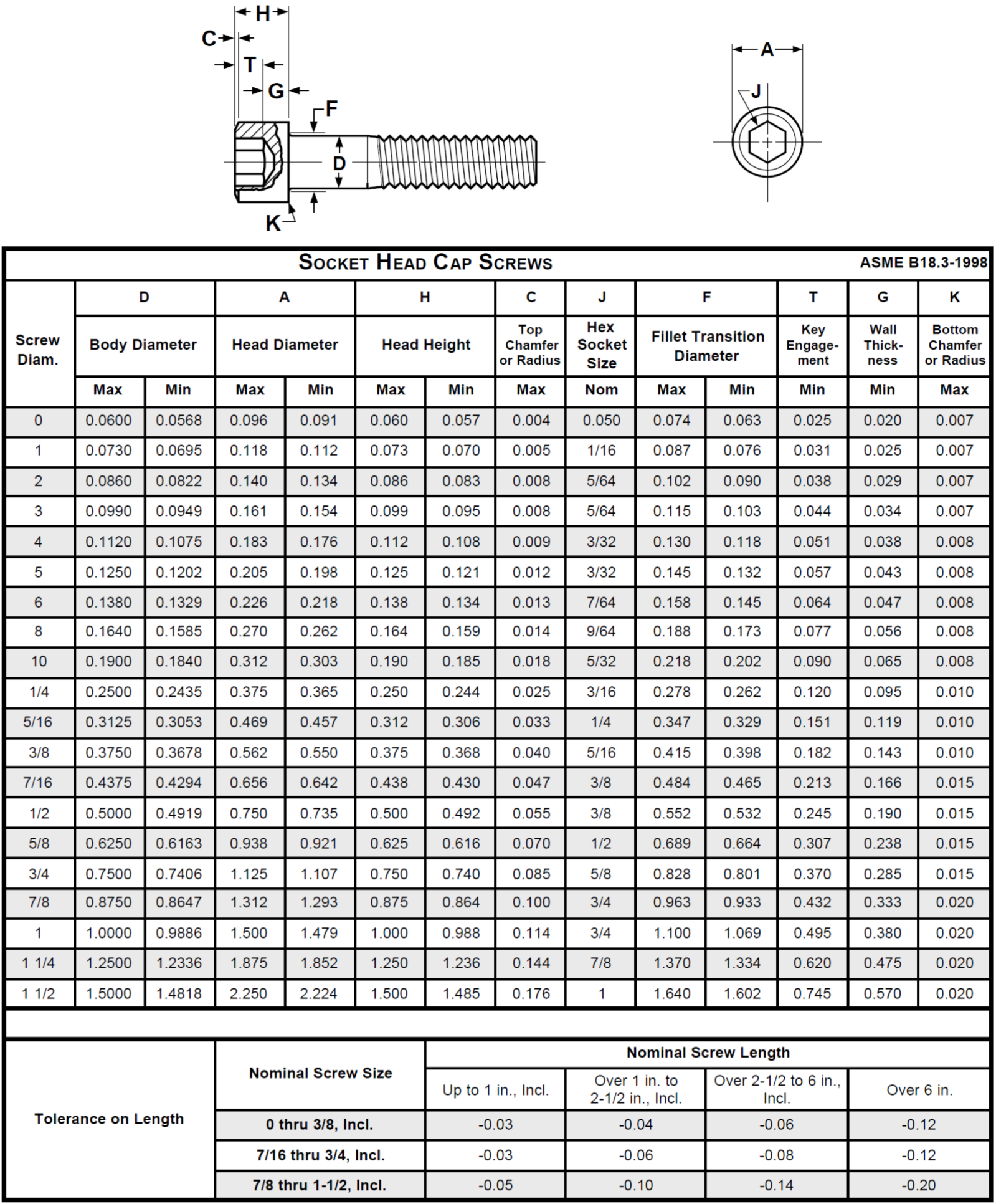
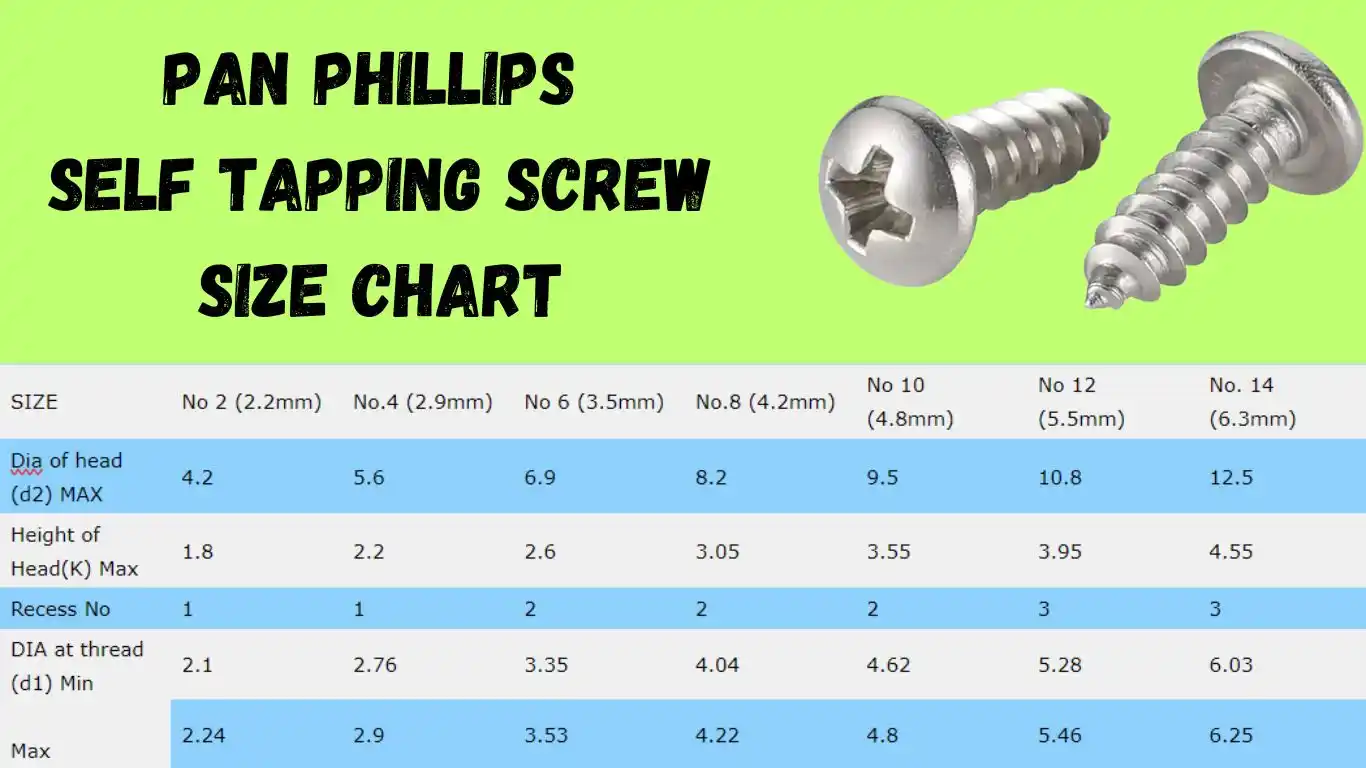
A screw size chart is a handy tool for anyone dealing with screws and fasteners. It's a simple yet effective way to ensure you're using the right size and type for your project. This guide will cover the basics, giving you the knowledge to read and utilize these charts with ease.
The chart provides a quick reference for various screw dimensions, including gauge, thread, and head type. While the values may differ slightly depending on the standard or region, the screw size chart offers a reliable starting point for your fastener needs.
Understanding the Screw Size Chart
A screw size chart is your practical guide to choosing the right screw for any project. It's a reference tool that simplifies the process of selecting screws based on their size, type, and intended use. This chart is a handy resource for anyone working with screws, from DIY enthusiasts to professional contractors.
Comparing Standards and Formats
Screw size charts can vary depending on the standard being followed. The two main standards are the metric system and the imperial system, with each having its own set of measurements and designations. The metric system is widely used internationally and offers a straightforward approach, while the imperial system, common in the US, uses a different set of thread sizes and designations. It's crucial to know which standard your project follows to ensure accurate screw selection.
Practical Screw Selection: A Step-by-Step Guide
Using a screw size chart is straightforward. Here's a simple process:
- Identify the screw's intended use. Different applications require specific screw types and sizes.
- Locate the relevant section on the chart based on the standard you're working with.
- Read across the chart to find the desired screw size. The chart typically displays screw length and diameter measurements.
- Match the measurements to the physical screw you need.
- Check the screw head type and drive style, which are often included in the chart.
- Select the appropriate screw based on your findings.
Avoiding Misreadings and Pitfalls
Misreading a screw size chart can lead to incorrect screw selection. Common mistakes include:
- Confusing metric and imperial measurements. Always double-check the standard being used.
- Misinterpreting screw head types. Pay attention to the symbols or descriptions provided.
- Overlooking drive style variations. Ensure the drive style matches your screwdriver or tool.
- Ignoring the screw's intended use. Different applications require specific screw characteristics.
Key Factors Affecting Accuracy
Several factors can influence the accuracy of your screw selection:
Screw gauge: The gauge refers to the thread pitch, which can vary and impact screw compatibility.
Head types: Different head shapes and sizes serve specific purposes and may affect your choice.
Drive style: The drive style, such as Phillips or flathead, must match your tool for easy installation.
Material: Screws are made from various materials, each with unique strengths and applications.
Finish: The screw's finish, like zinc plating or stainless steel, offers different levels of corrosion resistance.
Key factors:
- Screw gauge (thread pitch)
- Head type and size
- Drive style
- Material
- Finish
Adapting the Chart for Specific Needs
Screw size charts are versatile and can be adapted to suit specific projects. If you're working with unusual materials or have unique requirements, you may need to adjust the chart or seek expert advice. For instance, if you're dealing with soft materials, you might need longer screws to ensure a secure hold. Always consider the specific demands of your project to make the most accurate selection.
Keeping Your Reference Reliable
To ensure the reliability of your screw size chart, it's essential to keep it up-to-date. Regularly check for new standards and updates, especially if you work on diverse projects. Additionally, consider creating a personalized chart by noting down your frequently used screw sizes and their corresponding applications. This customized reference will streamline your selection process and reduce the risk of errors.
So, you've got your screw size chart, a handy tool to keep in your back pocket for any project. It's a simple yet effective reference, and with a few key considerations, you can ensure you're using it accurately.
Remember, these charts provide a great starting point, but your specific project and its unique requirements may vary. Always double-check the exact values and measurements you need, and don't be afraid to adapt and make it work for you. It's a useful guide, but it's not set in stone! Bookmark this page for a quick reminder, and you'll be a screw size expert in no time.
Related: Jacket Size Chart: A Simple Guide to Perfect Fit
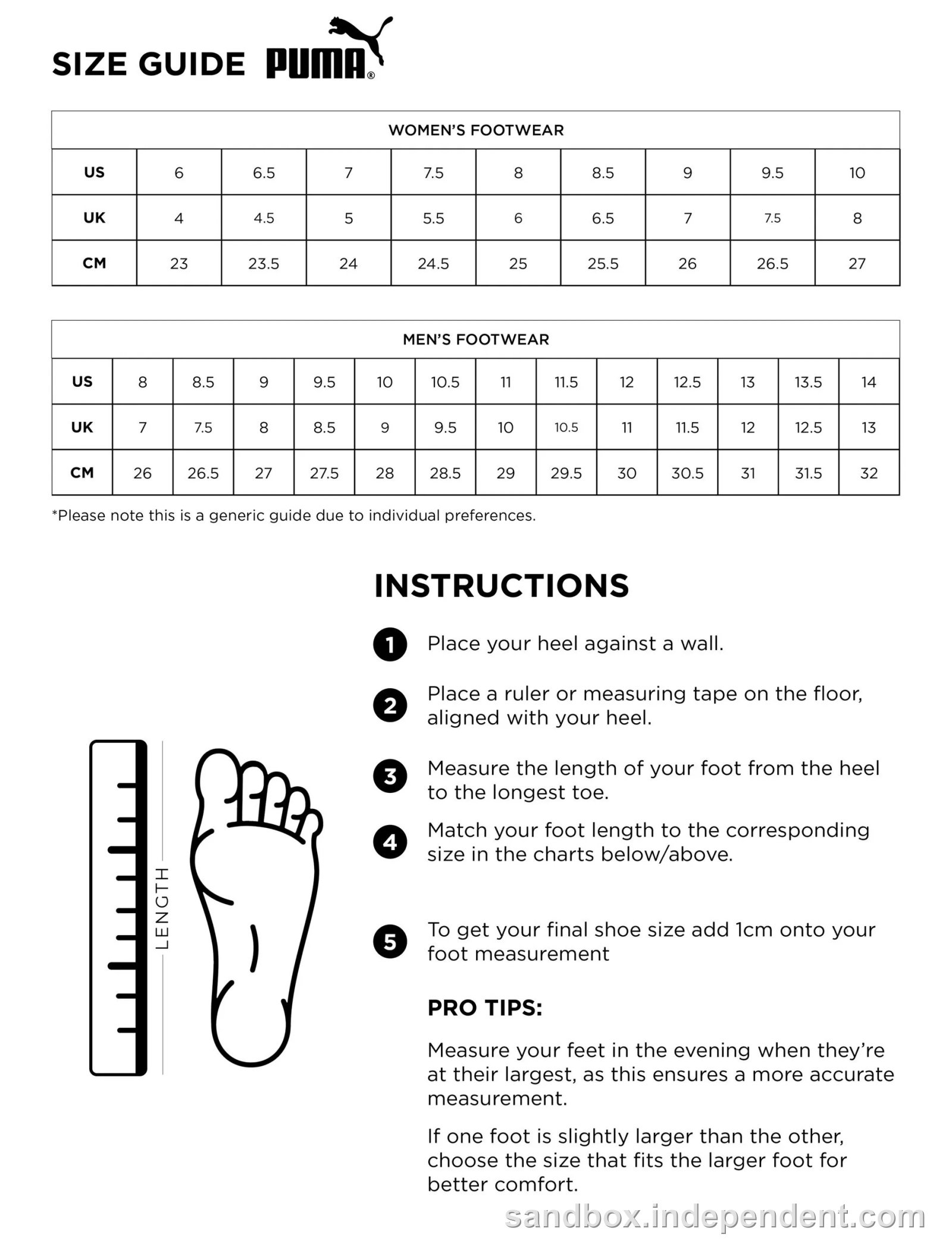
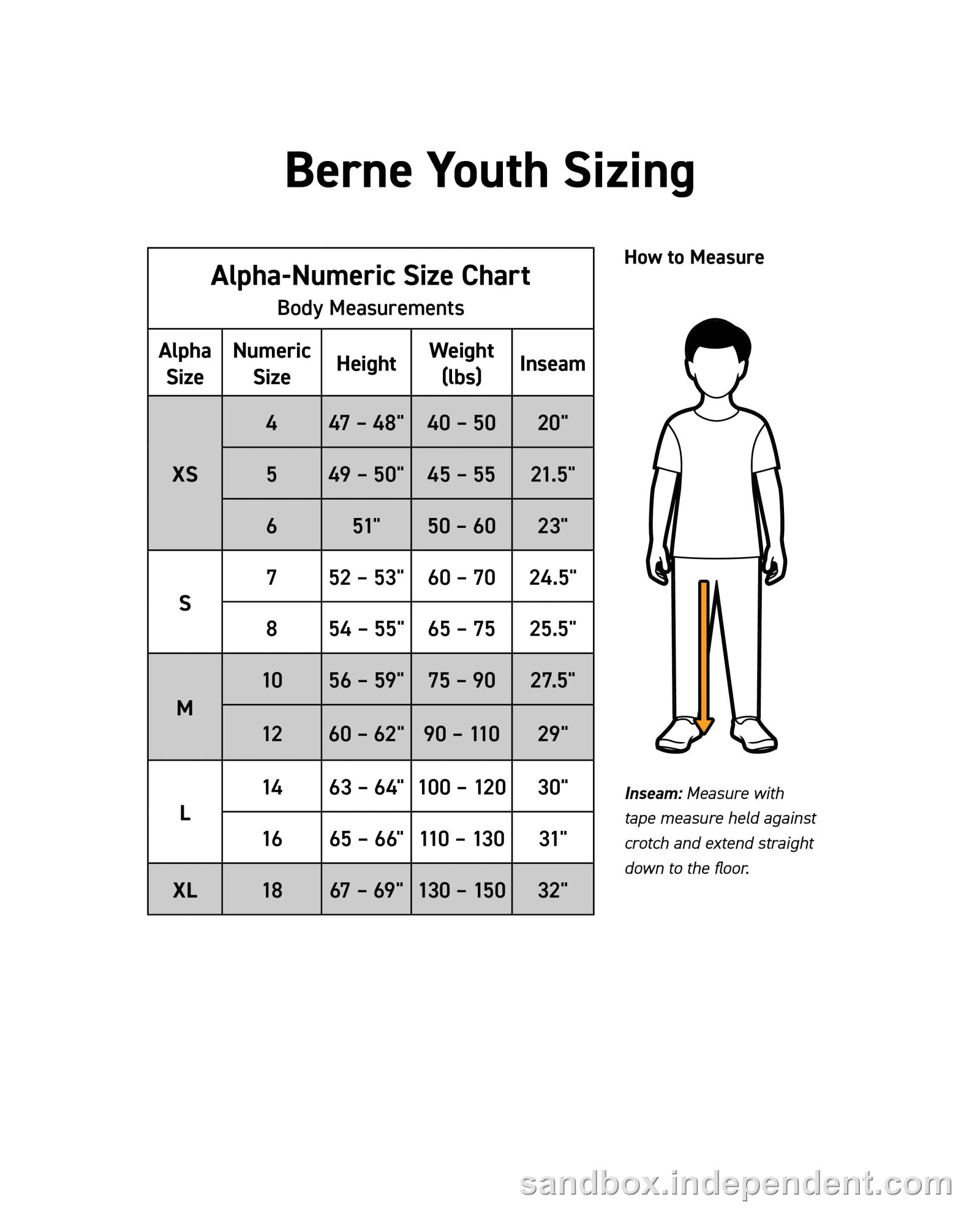
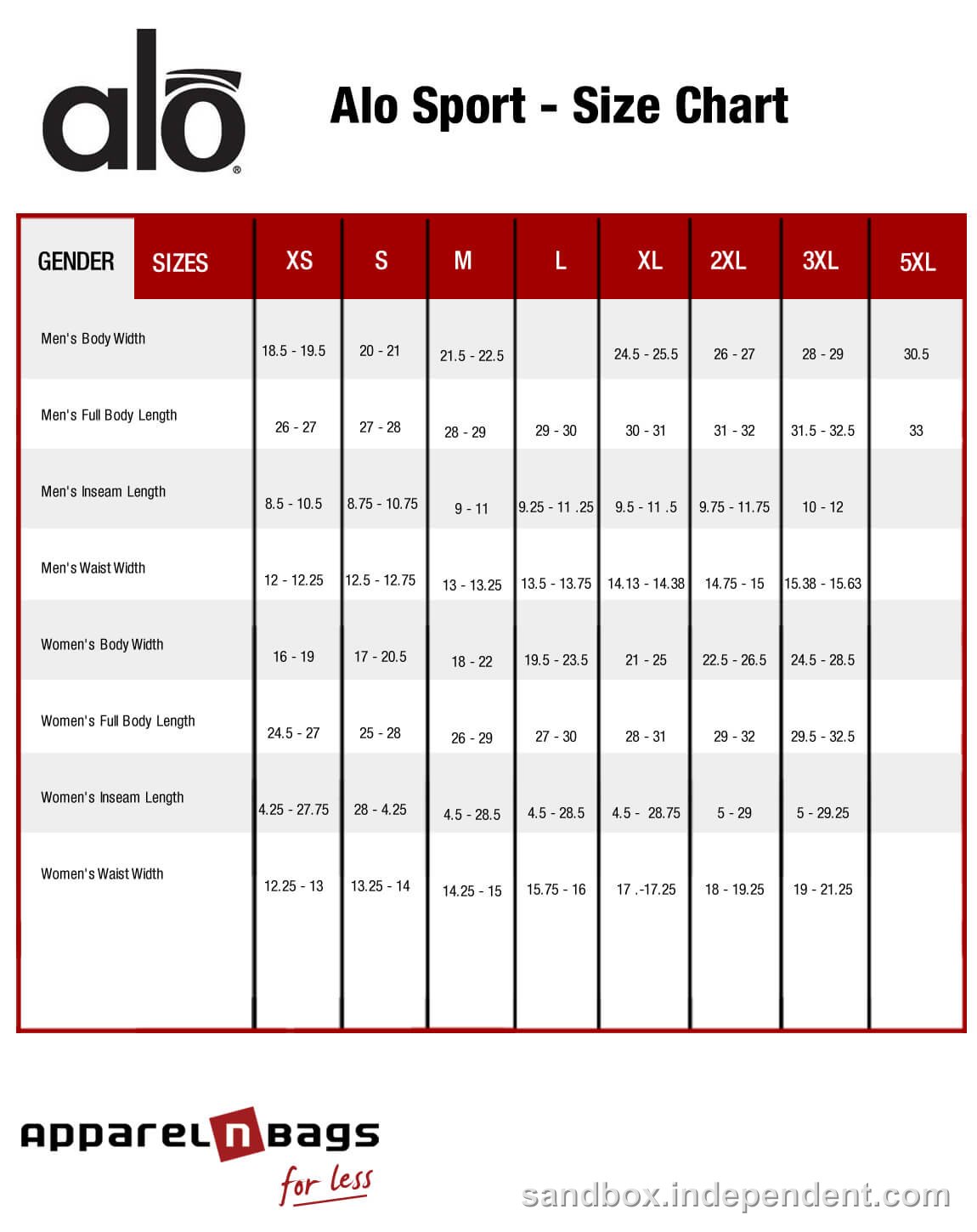
A jacket size chart is a handy tool to ensure you get the perfect fit when shopping for outerwear. This guide will navigate you through the process of understanding and utilizing these charts effectively. Whether you're seeking a coat size chart or a jacket sizing guide, this reference covers the basics to help you find your ideal size. While values may vary across different brands and standards, a clear jacket size chart can provide a reliable starting point for your measurements.
Understanding Jacket Size Charts
A jacket size chart is a valuable tool for anyone looking to purchase a jacket that fits perfectly. It provides a standardized guide to help you determine your ideal size based on various measurements. This chart is an essential reference, ensuring you make an informed choice and avoid common sizing pitfalls.
Key Details and Categories
The jacket size chart typically includes measurements such as chest circumference, sleeve length, and sometimes waist or hip measurements, depending on the style of the jacket. These measurements are presented in a clear, tabular format, often with columns indicating different sizes and rows for each measurement type. The chart may also provide guidance on how to measure these body parts accurately. It's important to note that the units of measurement can vary; some charts use inches, while others use centimeters. Always check the units before taking measurements.
Step-by-Step Guide: Reading and Applying the Chart
To use a jacket size chart effectively, follow these steps:
- Gather the necessary measuring tools, such as a flexible tape measure. Ensure it's suitable for measuring both your body and the jacket.
- Take accurate measurements of your body. Measure your chest circumference at the fullest part of your chest, ensuring the tape is not too tight or too loose. For sleeve length, measure from the center of the back of your neck to the desired sleeve length.
- Refer to the jacket size chart and locate the size that best matches your measurements. Look for the size where your chest circumference and sleeve length (or other relevant measurements) fall within the specified range.
- If your measurements fall between two sizes, consider the fit you prefer. If you want a looser fit, choose the larger size; for a more tailored look, opt for the smaller size.
- Check the jacket's specific sizing guidelines, if available. Some brands or styles may have unique sizing recommendations or variations.
Variations and Differences Across Standards
Jacket size charts can vary depending on several factors. One significant factor is the region or country of origin. International size standards can differ, with variations between the US, Europe, and other regions. For instance, a size 'M' in the US may not correspond to the same size in Europe. Additionally, different manufacturers may have their own sizing systems, which can lead to slight variations even within the same region. It's crucial to be aware of these differences and refer to the specific jacket size chart provided by the brand or retailer.
Common Mistakes and How to Avoid Them
One common mistake is assuming that all jacket size charts are universal. Always check the specific chart for the brand or style you're interested in. Another pitfall is measuring yourself incorrectly. Ensure you follow the guidelines provided on the chart for accurate measurements. Avoid estimating or guessing your size, as this can lead to an ill-fitting jacket. Lastly, be mindful of the style and cut of the jacket. Some jackets, like tailored blazers, may require more precise measurements compared to casual, loose-fitting styles.
Practical Tips for Accurate Results
To ensure an accurate fit, consider the following tips:
- Measure yourself regularly, as your body shape can change over time.
- Take measurements at the same time of day, as body shape can vary slightly throughout the day.
- If you're between sizes, consider the fabric and stretchiness of the jacket material. A more flexible fabric may allow for a slightly looser fit.
- Don't be afraid to try on multiple sizes, especially if you're shopping online. Many retailers offer easy return policies.
- Pay attention to the jacket's intended fit. Some jackets are designed to be oversized or fitted, and this can impact your sizing choice.
Double-Check and Handle Exceptions
While jacket size charts provide a great starting point, there are some exceptions to consider:
- If you have a unique body shape or specific fit preferences, you may need to adjust the standard measurements. For example, if you have a broad chest and narrow shoulders, you might need to choose a size based on your chest measurement, even if it means the sleeve length is slightly longer.
- Certain jacket styles, like puffer jackets or down-filled coats, may have different sizing considerations due to the bulkiness of the insulation. In such cases, it's essential to check the brand's specific sizing guidelines.
- Always refer to the product description and reviews for additional sizing insights. Sometimes, customers provide valuable feedback on the fit and sizing of a particular jacket.
Remember, while this chart provides a comprehensive guide, it's always wise to confirm the specific requirements for your intended use. Exact values can vary, so double-check the standards or guidelines relevant to your context.
Consider bookmarking this page for future reference; it's a handy tool to have at your fingertips when you need a quick reminder on jacket sizing. Stay organized, and happy measuring!