




Wheel Offset Chart Letter Size Overview
You're probably here because you need a quick reference, a reliable guide to navigate the world of banjo chords. And what better tool than a banjo chord chart? It's a simple yet powerful resource, offering a visual representation of chords and their finger placements. This chart is your go-to companion, especially when you're learning new tunes or exploring different styles. It may vary slightly depending on the source, but the core information remains consistent, making it a handy and accessible tool for any banjo enthusiast.
Understanding the Banjo Chord Chart
The banjo chord chart is your go-to guide for mastering banjo chords. It's a visual representation, often a diagram or table, that simplifies the complex world of banjo music. This chart displays various chords, their finger placements, and sometimes even the corresponding notes and frets. It's an essential tool for banjo players, especially beginners, as it provides a quick reference for mastering chord progressions.
Comparing Chord Chart Formats
There are a few standard formats for banjo chord charts. Some charts use a grid-like structure, showing the banjo's fretboard with dots or numbers indicating finger positions. Others might use a more simplified approach, focusing on the chord shapes and their names. The choice of format often depends on the level of detail required and personal preference. For instance, a beginner might prefer a chart with clear, simple chord shapes, while an advanced player might opt for a more detailed fretboard diagram.
Using the Chart: A Step-by-Step Guide
To use the banjo chord chart effectively, follow these steps:
- Identify the chord you want to play. This is usually indicated by a letter or a chord name.
- Locate the corresponding chord diagram or fretboard chart.
- Place your fingers according to the diagram. Ensure your fingers are correctly positioned on the indicated frets.
- Strum or pluck the strings, and you've played the chord!
Common Misreadings and How to Avoid Them
While banjo chord charts are incredibly useful, there are a few common pitfalls to watch out for:
- Alternative Tunings: If you've altered your banjo's standard tuning, the chord chart might not align perfectly. Always ensure you're using the correct chart for your tuning.
- Open Chords: Some charts might not differentiate between open and barre chords. Open chords often have simpler finger placements, so ensure you understand the difference.
- Fret Placement: Misreading fret numbers is common. Double-check the fret positions, especially for chords with multiple notes.
- String Banjo: Ensure you're using a chart designed for a string banjo, as other types might have different string arrangements.
Remember, practice makes perfect! The banjo chord chart is a tool to guide your learning, but consistent practice is key to mastering these chords.
Hey there, banjo enthusiasts! We've covered a lot of ground with this chart, giving you a handy tool to navigate the world of banjo chords. Remember, the specifics might shift a bit based on your unique context, so always double-check.
Feel free to explore other guides and resources to enhance your banjo-playing skills. And don't forget to bookmark this page for future reference; it'll be a quick and easy way to refresh your memory whenever you need a chord reminder!
Related: Cat Poop Chart: Your Quick Reference Guide
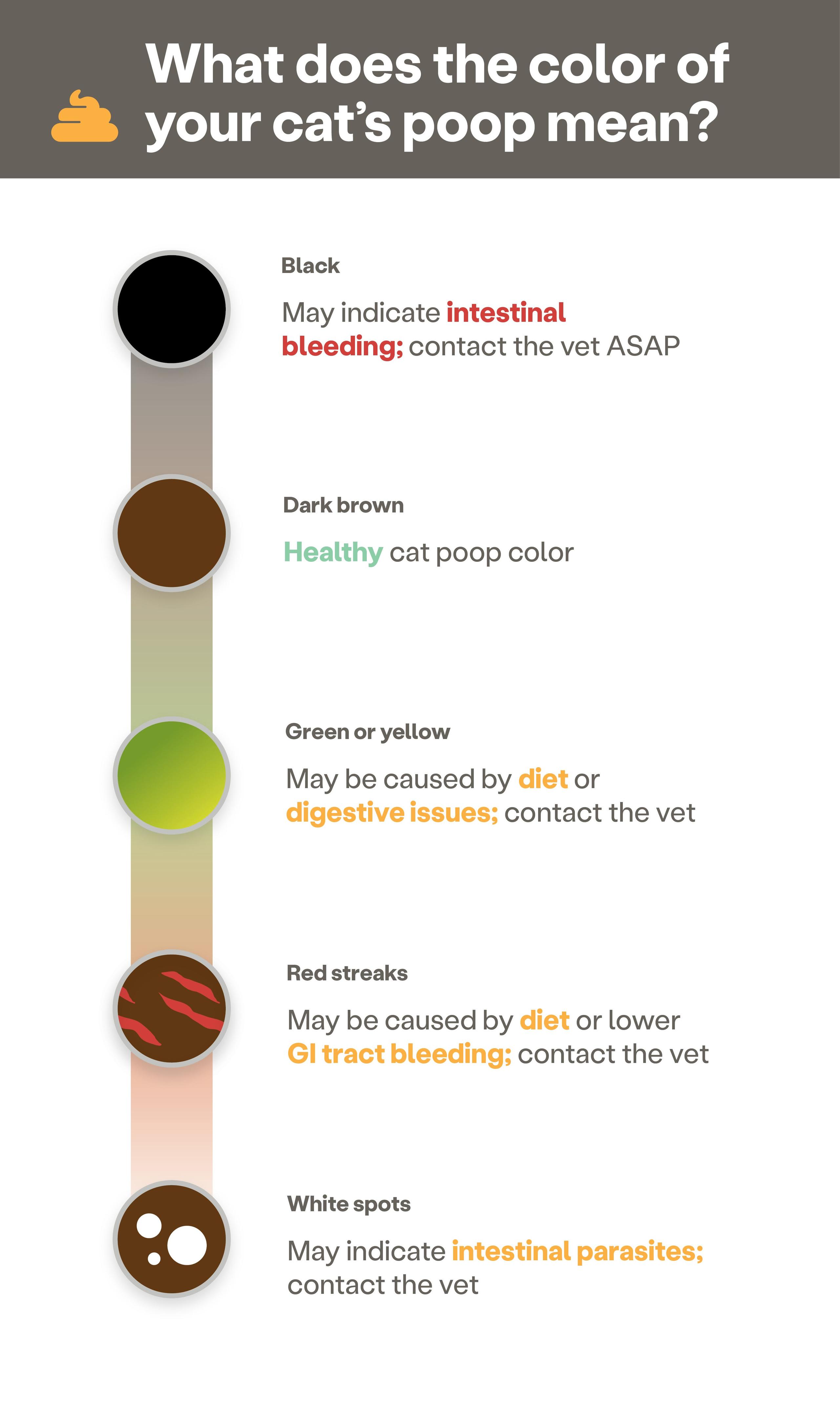
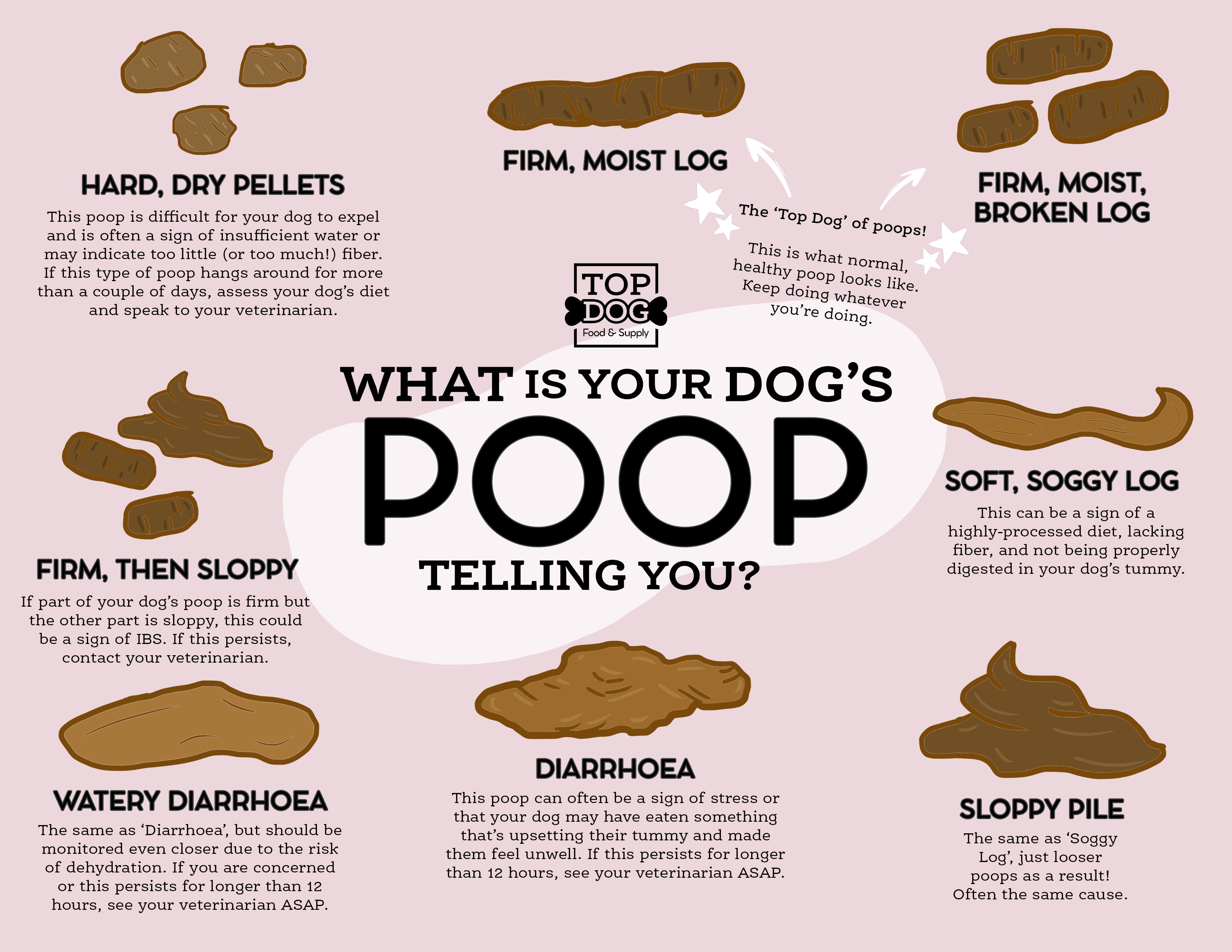
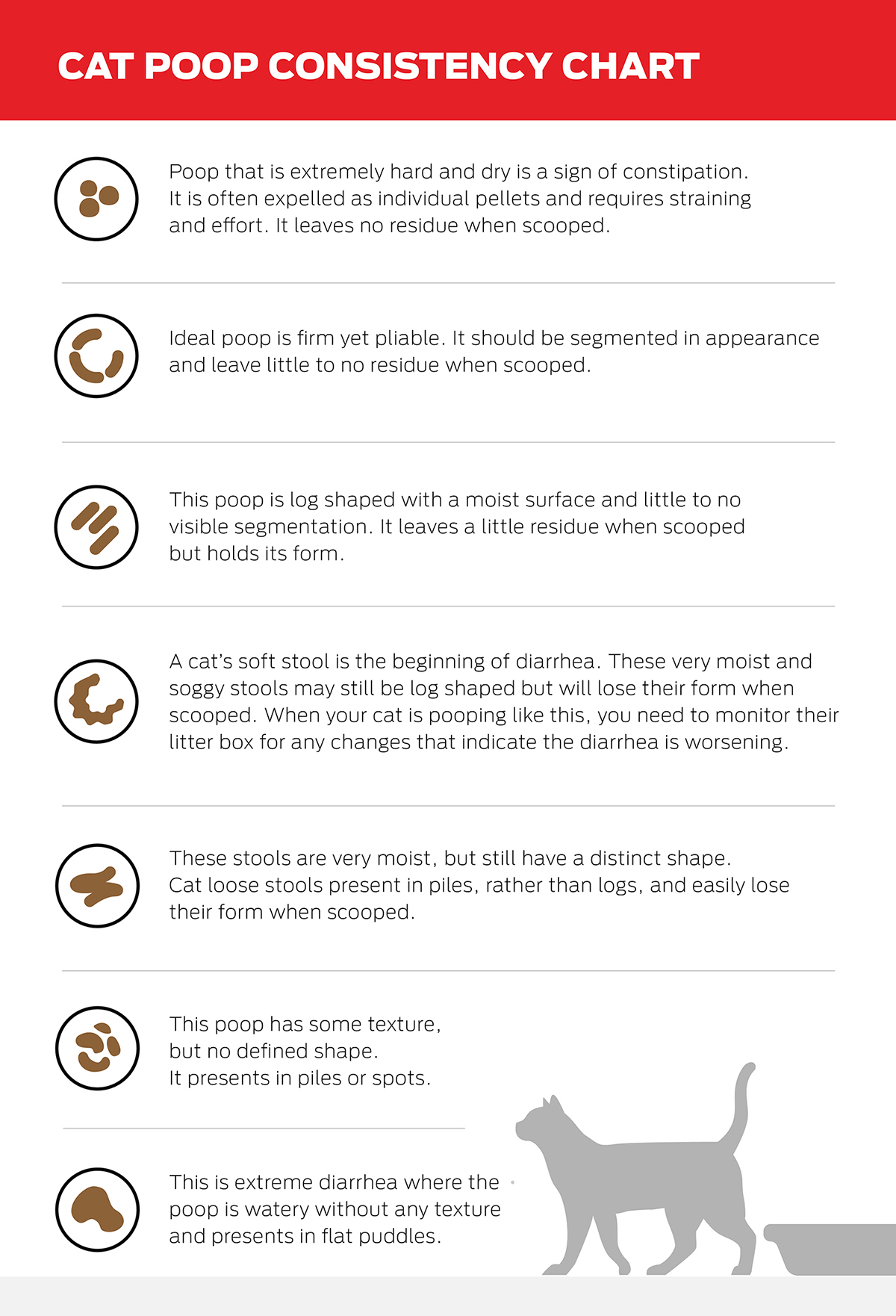
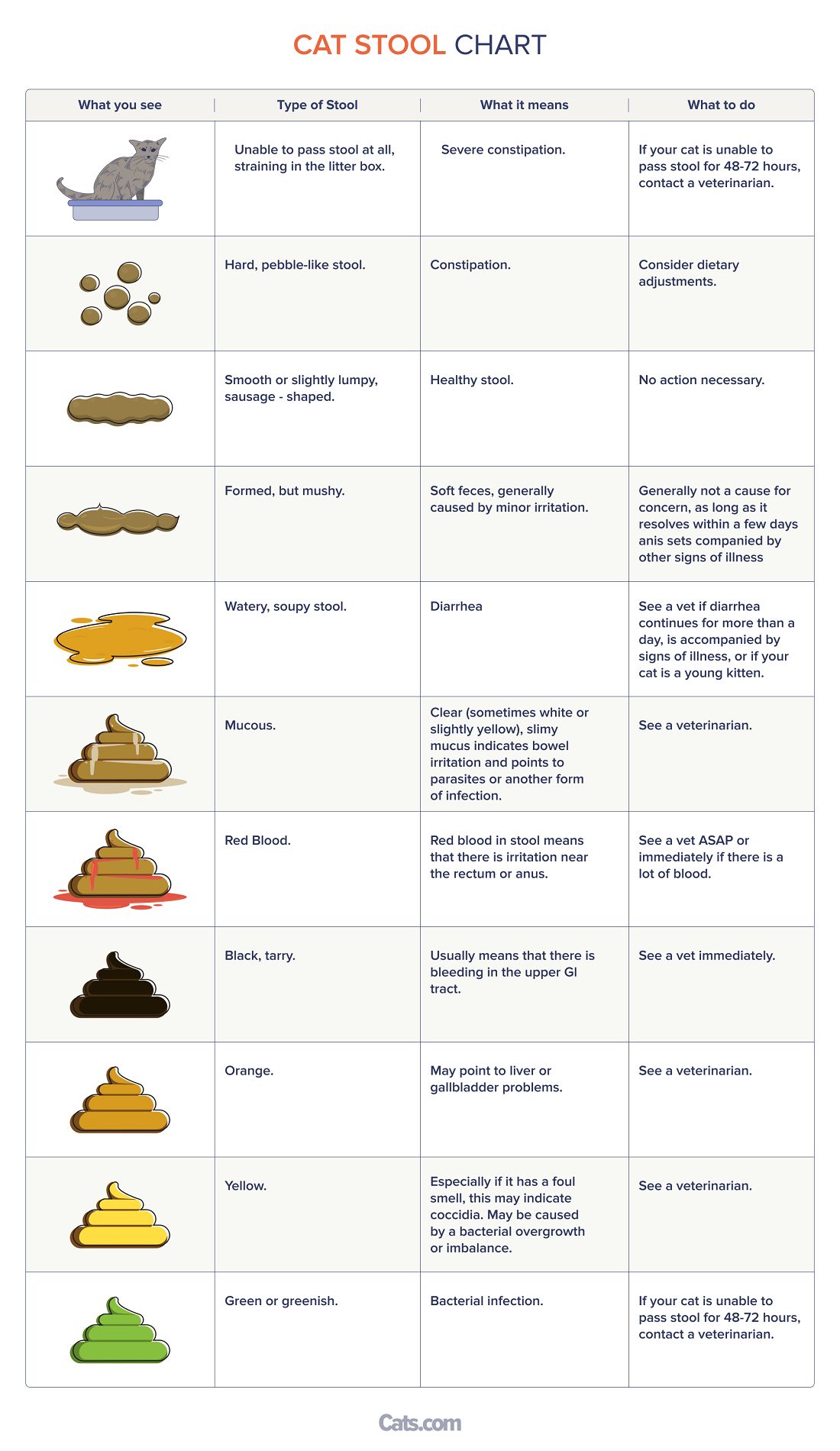
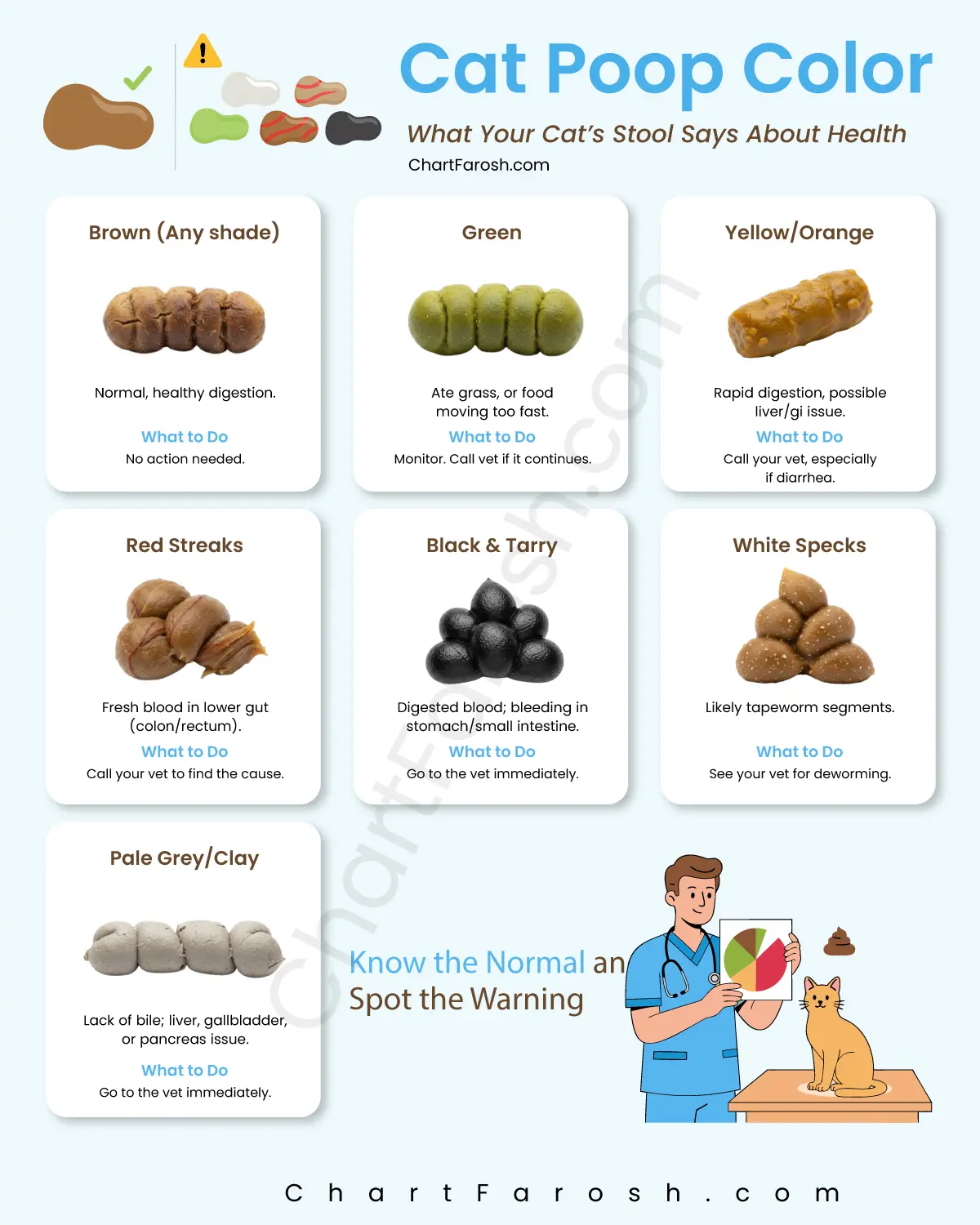
You're likely here because you've heard of the cat poop chart and are curious about what it entails. Perhaps you're a pet owner seeking a quick reference guide to understand your cat's health or maybe you're a veterinary professional looking for a reliable tool. This chart, also known as the feline stool scoring system, offers a simple yet effective way to monitor a cat's well-being. It provides a visual representation, often with a color-coded guide, to assess the consistency and color of cat feces, which can indicate potential health issues. While the specific values and formats may vary, the cat poop chart serves as a valuable resource for anyone seeking a straightforward method to keep an eye on their cat's health.
Understanding the Cat Poop Chart: A Practical Guide
The cat poop chart, also known as the feline stool scoring system, is a valuable tool for cat owners and veterinary professionals. It provides a visual guide to assess the consistency and overall appearance of cat feces, offering insights into a cat's digestive health. This chart is an essential reference for monitoring and maintaining your feline friend's well-being.
Comparing Chart Formats and Standards
There are several versions of the cat poop chart available, each with its own set of categories and standards. The most common formats include a 7-point scale and a 5-point scale. The 7-point scale provides a more detailed assessment, covering a broader range of stool consistencies, from very firm to liquid diarrhea. The 5-point scale is a simplified version, focusing on the key variations in stool appearance. Both formats are widely used and offer accurate assessments when applied correctly.
Step-by-Step Guide to Using the Chart
Using the cat poop chart is a straightforward process:
- Collect a fresh sample of your cat's feces. Ensure it is intact and not contaminated.
- Refer to the chart and identify the closest match to the sample's consistency and appearance.
- Note the corresponding score or category on the chart.
- Interpret the score: a lower score indicates healthier, well-formed stools, while higher scores may suggest digestive issues.
- Repeat this process regularly to monitor any changes over time.
Avoiding Misinterpretations and Pitfalls
While the cat poop chart is a reliable tool, misinterpretations can occur. Here are some common mistakes to avoid:
- Relying solely on color: The chart considers overall consistency and texture, so focus on these aspects rather than just color.
- Ignoring other symptoms: Changes in stool consistency may indicate an underlying issue. Observe your cat for any other signs of illness or discomfort.
- Overinterpreting: Remember, the chart is a guide. If you have concerns, consult a veterinarian for a professional assessment.
Key Factors Affecting Accuracy
Several factors can influence the accuracy of your assessment using the cat poop chart:
- Diet: Changes in your cat's diet can impact stool consistency. Ensure a consistent, high-quality diet to maintain stable results.
- Hydration: Adequate water intake is crucial. Dehydration can lead to firmer stools, so monitor your cat's water consumption.
- Stress and Environment: Stressful situations or changes in the cat's environment can affect digestion. Consider these factors when interpreting the chart.
- Medication: Certain medications may impact stool consistency. Be aware of any recent changes in your cat's medication.
Adapting the Chart for Specific Needs
The cat poop chart can be tailored to specific situations or individual cats. If your cat has unique dietary needs or medical conditions, you may need to adjust the chart's categories or scores. Consult with your veterinarian to determine the most suitable format and interpretation for your cat's specific health needs.
Maintaining Reliable Reference
To ensure the cat poop chart remains a reliable tool, consider the following:
- Regular Updates: Stay informed about any updates or revisions to the chart's standards. Veterinary organizations may release new versions, so keep your reference materials current.
- Consistent Observation: Observe your cat's stool regularly and note any significant changes. This helps you identify trends and potential issues early on.
- Professional Guidance: If you notice persistent changes or have concerns, seek advice from a veterinarian. They can provide expert interpretation and guidance.
By following these practical tips and understanding the key factors, you can effectively utilize the cat poop chart to monitor your cat's digestive health and ensure their overall well-being.
While the cat poop chart offers a valuable and practical tool, it's important to remember that variations can occur. Exact details may differ slightly based on the context and specific guidelines you follow. So, it's always a good idea to refer to reliable sources and adapt the chart to suit your needs.
Feel free to explore other guides and resources on our platform to uncover more helpful insights and practical tools. We've got a range of topics covered, so you can find the information you need with ease.
Related: Unraveling the Piano Keys Chart: A Simple Guide
If you're here, you're likely seeking a piano keys chart to quickly reference or understand better. Whether it's for a music project, a performance, or simply to enhance your piano skills, having a reliable chart at hand is essential. The piano keys chart offers a clear and organized layout, providing an overview of the keyboard's layout and the notes it produces. It serves as a practical tool, especially when you need precise information about piano key lengths, standard layouts, or even the note frequencies. While the values and formats may vary slightly depending on the source, the chart's purpose remains the same: to guide and assist musicians and enthusiasts alike.
Understanding the Piano Keys Chart
The piano keys chart is a valuable tool for musicians and piano enthusiasts, offering a visual representation of the keyboard layout and its corresponding notes. This chart provides an organized overview, making it easier to identify and understand the relationship between keys, octaves, and musical notes.
Key Details and Prerequisites
Before delving into the chart, it's essential to grasp some fundamental concepts. A standard piano keyboard consists of 88 keys, with a repeating pattern of seven white keys and five black keys. These keys are organized into groups of twelve, forming an octave. Each key represents a specific note, and their arrangement follows a logical sequence. The chart typically displays the keys and their corresponding notes, often using a color-coded system for clarity.
Reading the Measurements and Layout
To read the piano keys chart, follow these steps:
Identify the Key Labels: The chart will display the names of the keys, usually in alphabetical order, with corresponding note names. Common labels include C, D, E, F, G, A, and B, along with their sharps and flats.
Understand the Octave System: Octaves are groups of twelve keys, and the chart will often highlight these divisions. Each octave starts with a C note, followed by the remaining eleven notes in sequence.
Recognize the Key Colors: Many charts use colors to differentiate between white and black keys. White keys are typically represented by a light shade, while black keys might be darker or shaded differently.
Note Frequencies: Some charts include information about the frequency of each note, measured in Hertz (Hz). This data provides insight into the pitch and can be useful for tuning and understanding the piano's range.
Key Dimensions: The chart may also provide measurements for key lengths and widths, especially for those interested in piano construction or repair.
Common Keyboard Variations and Standards
While the standard piano keyboard layout is consistent, there can be variations and differences:
Piano Key Lengths: The length of piano keys can vary slightly between manufacturers and models. Some older pianos might have slightly shorter or longer keys.
Note Frequency Chart: The frequency of notes can differ based on the tuning standard. Common standards include A440 (440 Hz for the A above middle C) and A442, with variations used in different regions and musical genres.
Octave Measurements: The exact length of an octave can vary, especially in older pianos. Modern pianos typically have a standardized octave length, but older instruments might have slight deviations.
Avoiding Common Mistakes
To ensure accurate use of the piano keys chart:
Double-check the standard being used, especially for note frequencies and octave measurements.
Be aware of potential variations in key lengths and dimensions, especially when working with older pianos.
Understand the context and purpose of the chart. For example, a chart designed for tuning might focus on note frequencies, while a construction guide might emphasize key dimensions.
Always refer to reliable sources and official specifications when dealing with specific piano models or unique situations.
By following these guidelines and understanding the layout and measurements, you can effectively utilize the piano keys chart as a practical tool for exploring the piano's vast musical potential.
Well, there you have it! A comprehensive guide to understanding piano keys and their chart. With this knowledge, you can now navigate the keyboard with ease and precision.
Remember, when it comes to applying this chart, it's essential to consider your specific needs and the context in which you'll be using it. Exact values may differ slightly, so always double-check the standard or source you're working with. It's a good idea to bookmark this page for future reference; you never know when you might need a quick reminder!