

Wheel Torque Chart A4 Overview
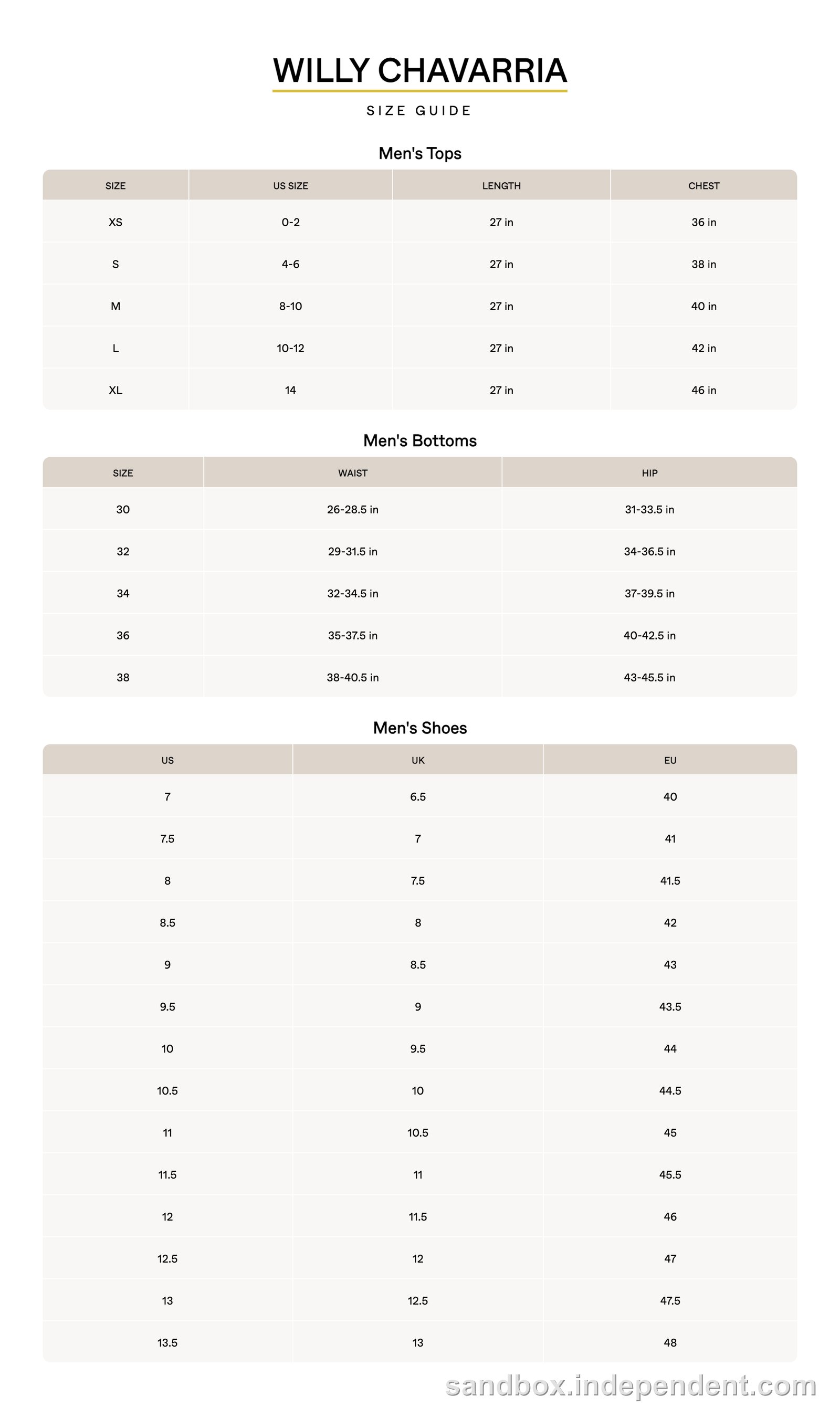
Many folks assume that chicos size charts are a one-size-fits-all deal, but that's a common misconception. These charts are actually tailored to the brand's unique sizing system, which can vary from other standard measurements.
So, while it's a simple reference tool, understanding how to read and interpret chicos size charts accurately is key to getting the perfect fit. It's all about knowing your measurements and finding the right correlation on the chart.
Understanding the Chicos Size Chart
The chicos size chart is a handy tool to help you find your perfect fit when shopping for clothing. It provides a clear guide to the standard measurements used by Chicos, ensuring you can easily navigate their sizing system. This chart is a great reference, especially when shopping online, as it gives you an accurate idea of the sizes available and how they correspond to your own measurements.
Comparing Size Chart Standards
Chicos' size chart follows a standard format, typically based on US sizing, which is widely used in North America. This chart provides measurements for various body parts, including bust, waist, hips, and inseam, to ensure a precise fit. It's important to note that while US sizing is common, other regions may use different standards, such as metric or European sizing. So, if you're used to a different system, it's a good idea to double-check the specific measurements and conversions.
Measuring Yourself for Accurate Sizing
To use the chicos size chart effectively, you'll need to take some key measurements. Here's a step-by-step guide:
- Bust: Measure around the fullest part of your bust, keeping the tape measure parallel to the floor.
- Waist: Measure your natural waistline, usually just above the belly button.
- Hips: Find the widest part of your hips and measure around, ensuring the tape is level with the floor.
- Inseam: For pants and jeans, measure from your crotch to the desired pant length.
Once you have these measurements, you can refer to the size chart and find the closest match. The chart will provide a range of measurements for each size, so you can choose the one that best fits your body.
Common Misreadings and How to Avoid Them
One common mistake is assuming that all clothing brands use the same size standards. While Chicos' size chart is a great guide, it's always a good idea to check the specific brand's size guide, especially if you're a regular customer. Another pitfall is measuring yourself incorrectly. Ensure you're measuring the right body parts and following the guidelines accurately. Finally, don't forget that sizing can vary slightly between different styles and fabrics, so always check the product details for any specific size notes.
Hey there, we hope you found this guide helpful and that it's now easier to navigate the world of Chicos size charts. Remember, while we've covered the basics, exact details might differ slightly, so always double-check with the brand's guidelines or consult our other guides for more specific info.
Consider bookmarking this page for future reference; it's a handy tool to have at your fingertips when you need to quickly look up those size charts!
Related: How to use a chain size chart?
You're probably here because you need a quick solution, and who can blame you? When it comes to chain size chart, having the right information at your fingertips is key. This chart is your go-to resource, offering a simple and visual way to find the right chain dimensions. It's a handy tool that saves you time and effort, especially when you need to make quick decisions. While the values may vary depending on various factors, this chain size chart is a reliable starting point.
What is a Chain Size Chart?
A chain size chart is a handy reference tool that simplifies the process of identifying and selecting the right chain size for various applications. It serves as a visual guide, providing a clear overview of different chain dimensions and their corresponding specifications.
Key Details and Categories
The chart typically includes columns for chain type, pitch, width, and length. Each category is crucial for understanding the chain's dimensions and ensuring compatibility with your specific needs. The pitch refers to the distance between the chain's pins or rollers, and it is a fundamental measurement. Chain width and length are also essential factors, especially when dealing with bike chains or industrial applications.
How to Read and Apply the Chain Size Chart
To use the chain size chart effectively, follow these steps:
Identify the type of chain you need. This could be a bike chain, conveyor chain, or a specific industrial chain. Different applications require unique chain designs and sizes.
Determine the pitch of your chain. This measurement is critical and often dictates the compatibility of your chain with other components, such as sprockets or gears.
Next, consider the chain width. This dimension ensures proper fit and function, especially when the chain interacts with guide plates or other machinery.
Finally, assess the required chain length. This step is crucial for applications like bicycles, where the chain's length directly impacts the gear ratios and overall performance.
Variations and Differences
It's important to note that chain size charts can vary depending on the standard being used. Common standards include the Imperial system (often used in the US) and the metric system (used internationally). These standards may have slightly different measurements and categories, so it's essential to refer to the appropriate chart for your region or application. Additionally, some charts may provide conversions between metric and Imperial units for convenience.
Common Mistakes and How to Avoid Them
One common mistake is assuming that all chains of the same type are universally compatible. While many chains share similar dimensions, subtle differences in pitch, width, or length can render them incompatible. Always double-check the specific measurements and tolerances provided by the manufacturer or standard to ensure accurate selection.
Practical Tips for Accurate Results
When using a chain size chart, consider these tips:
Always refer to the most recent and relevant standard for your region or application. Standards may evolve, so staying updated is crucial.
Pay attention to the units used in the chart. Some charts may mix metric and Imperial units, so ensure you understand the conversions if needed.
When measuring chains, use accurate tools like a caliper or a tape measure. Precision is key to selecting the right chain size.
If you're unsure about a specific chain dimension, consult with experts or refer to detailed specifications provided by manufacturers.
Keep in mind that some chains, especially those for industrial applications, may have unique features or variations. Always consider these when selecting a chain.
Hey there! We've covered a lot of ground with this chain size chart guide, and I hope it's given you a clear understanding of the basics. Remember, while the fundamentals remain the same, exact details can vary slightly depending on the context and the standards you're working with.
Feel free to explore our other guides for more practical insights and tips. We've got a whole range of topics to help you tackle various projects and tasks. Happy reading, and stay tuned for more!
Related: Link Seal Chart: Your Simple Reference Guide
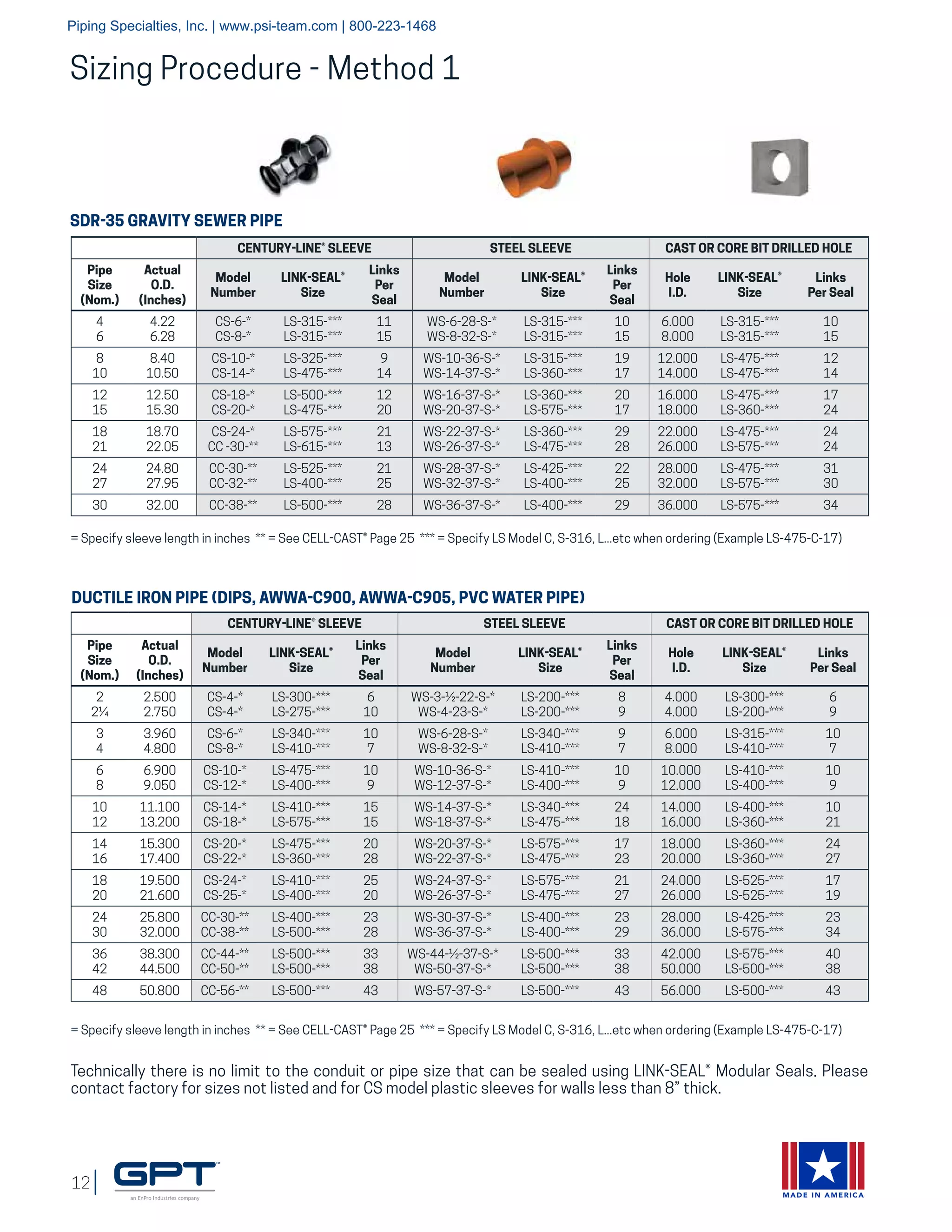
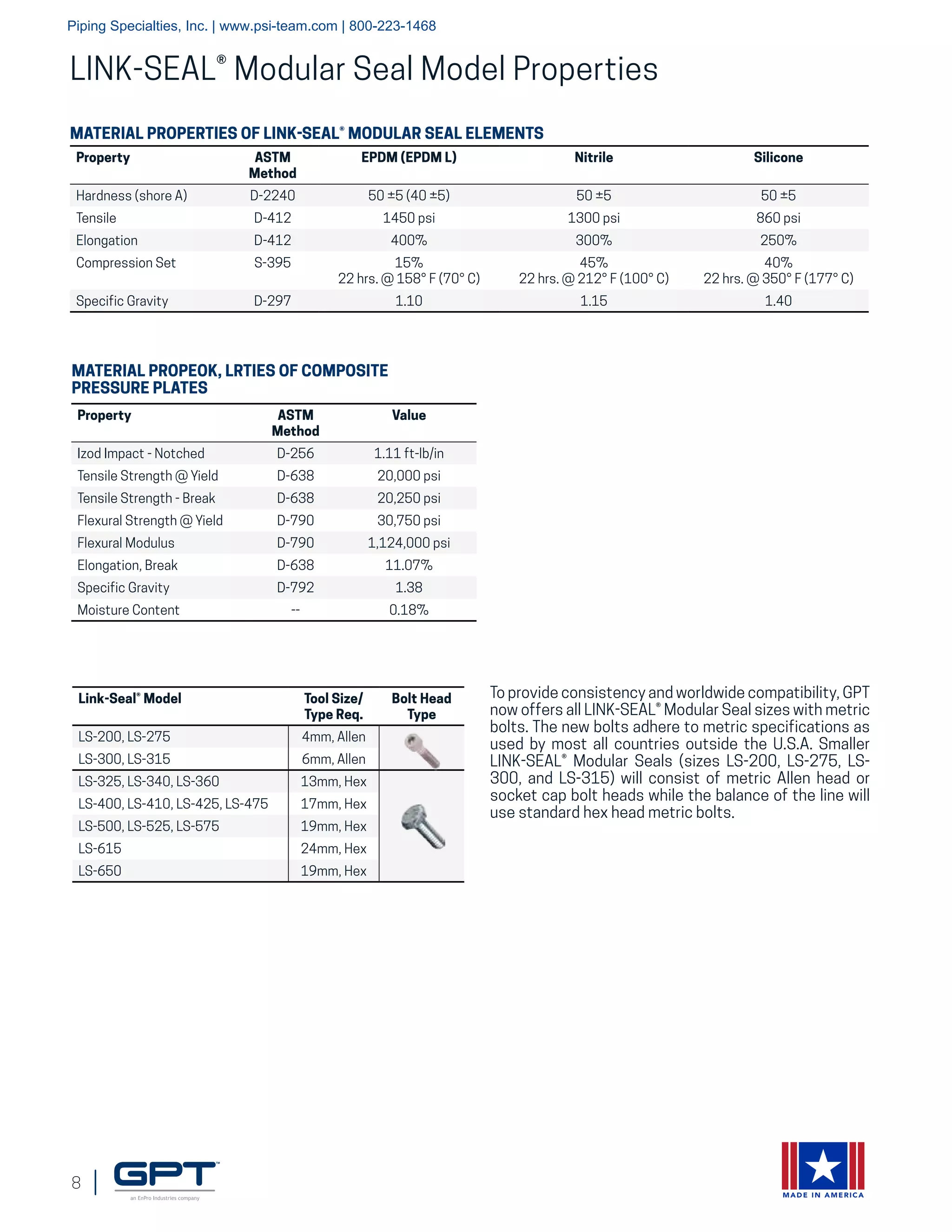
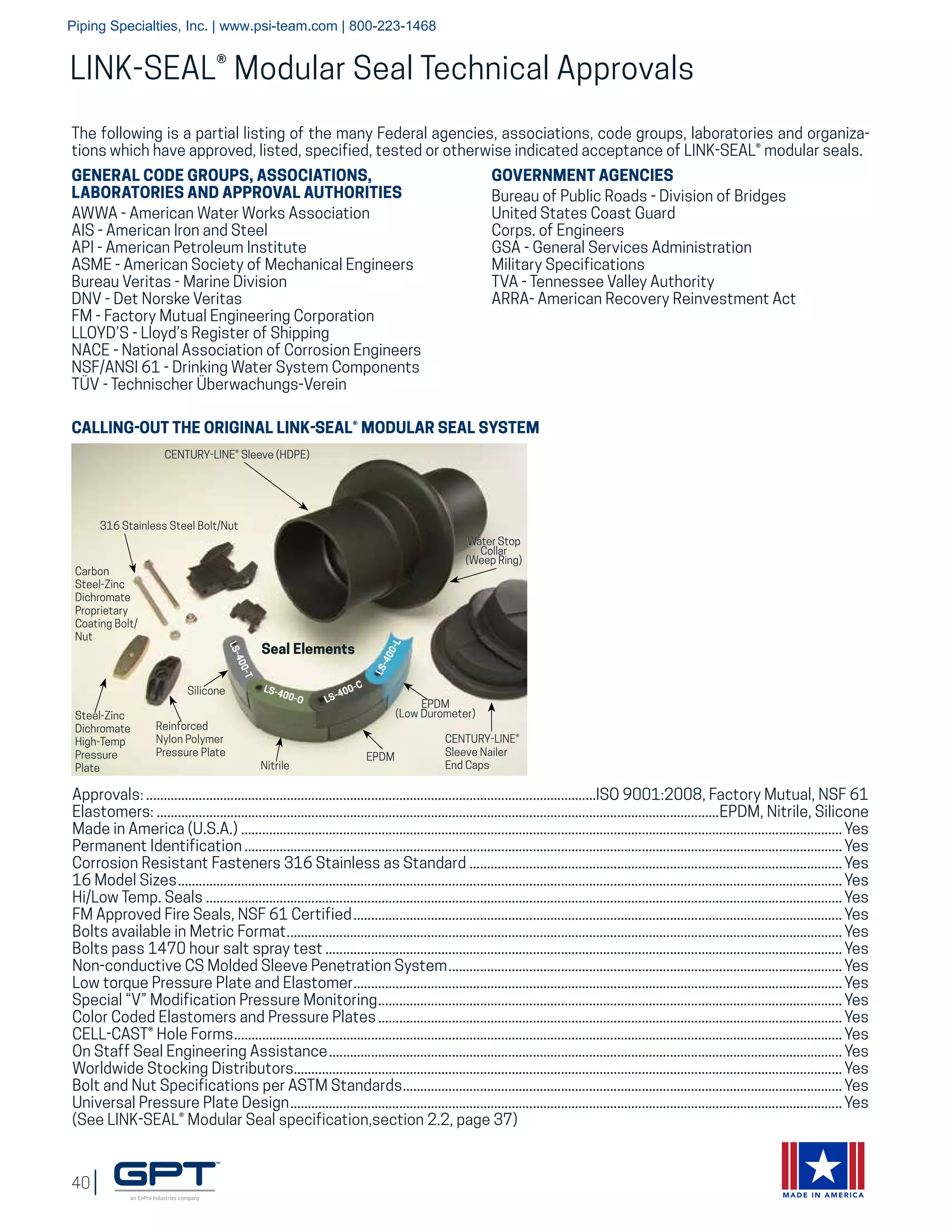
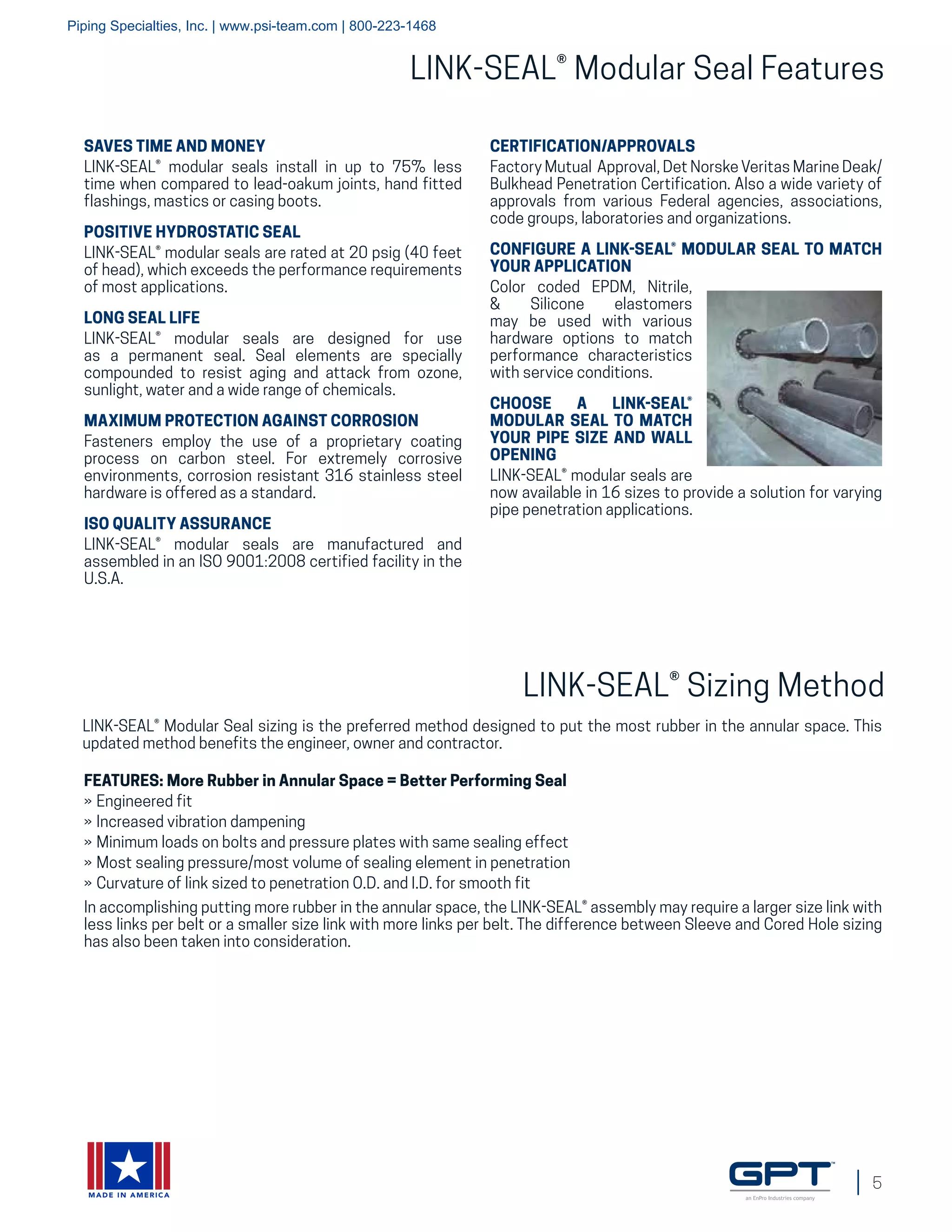
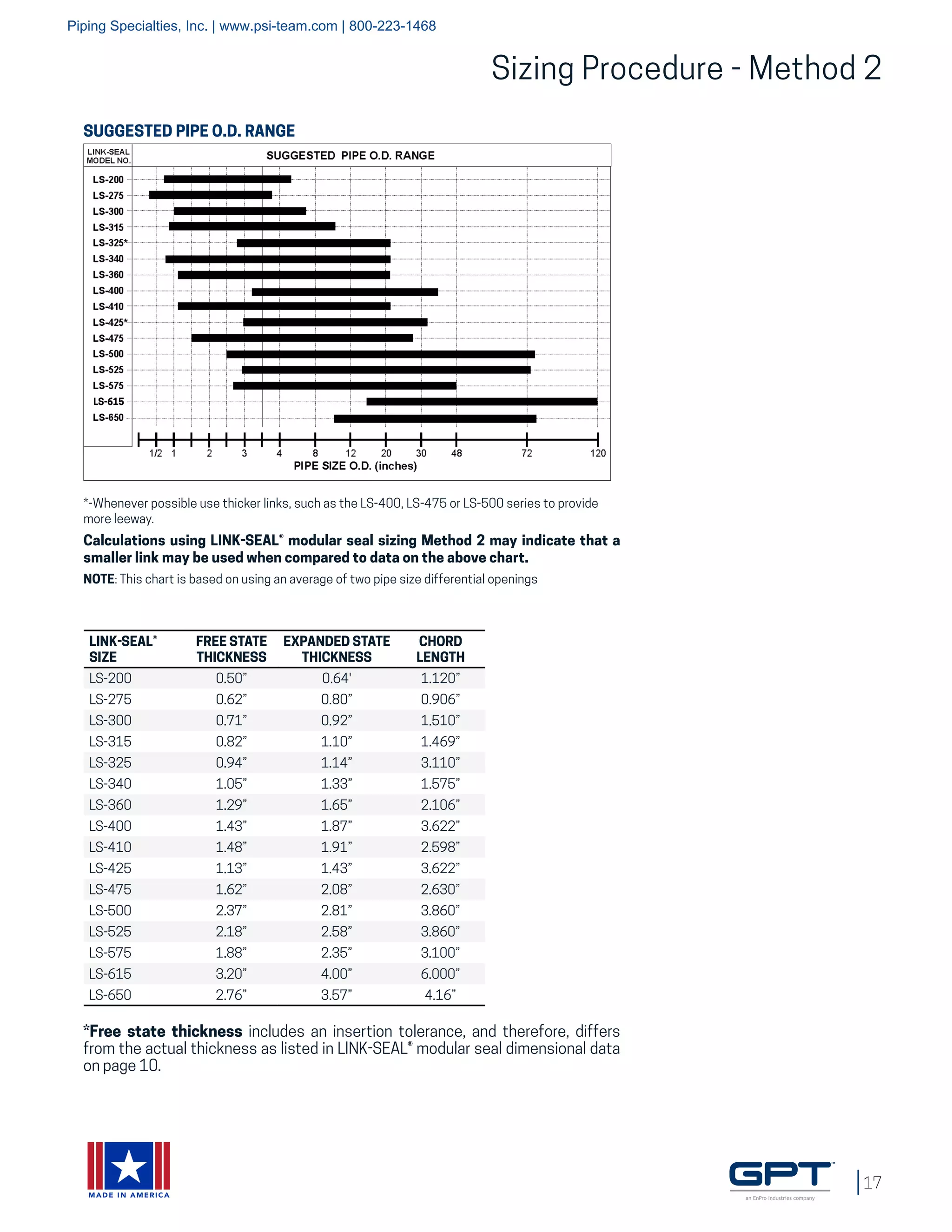
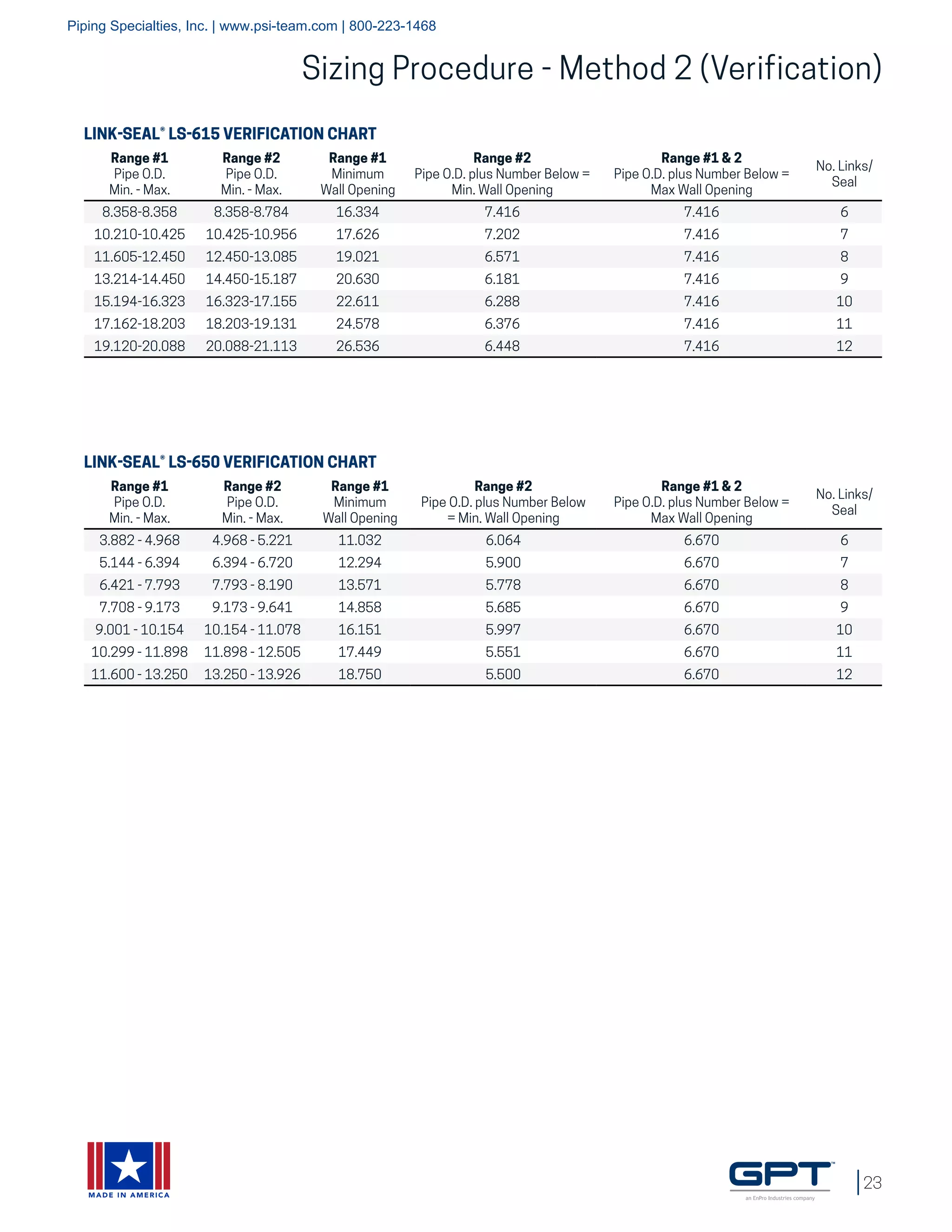
You're probably familiar with the link seal chart, a handy reference tool for anyone working with seals and their applications. It's a simple yet effective visual guide, offering a quick and reliable way to understand seal measurements and types. This chart, with its clear layout, provides an efficient solution for those seeking precise information without the need for extensive research. While the values and formats may vary depending on certain factors, the link seal chart serves as a valuable starting point, ensuring you have the right data at your fingertips.
Link Seal Chart: Unlocking the Secrets of Effective Sealing
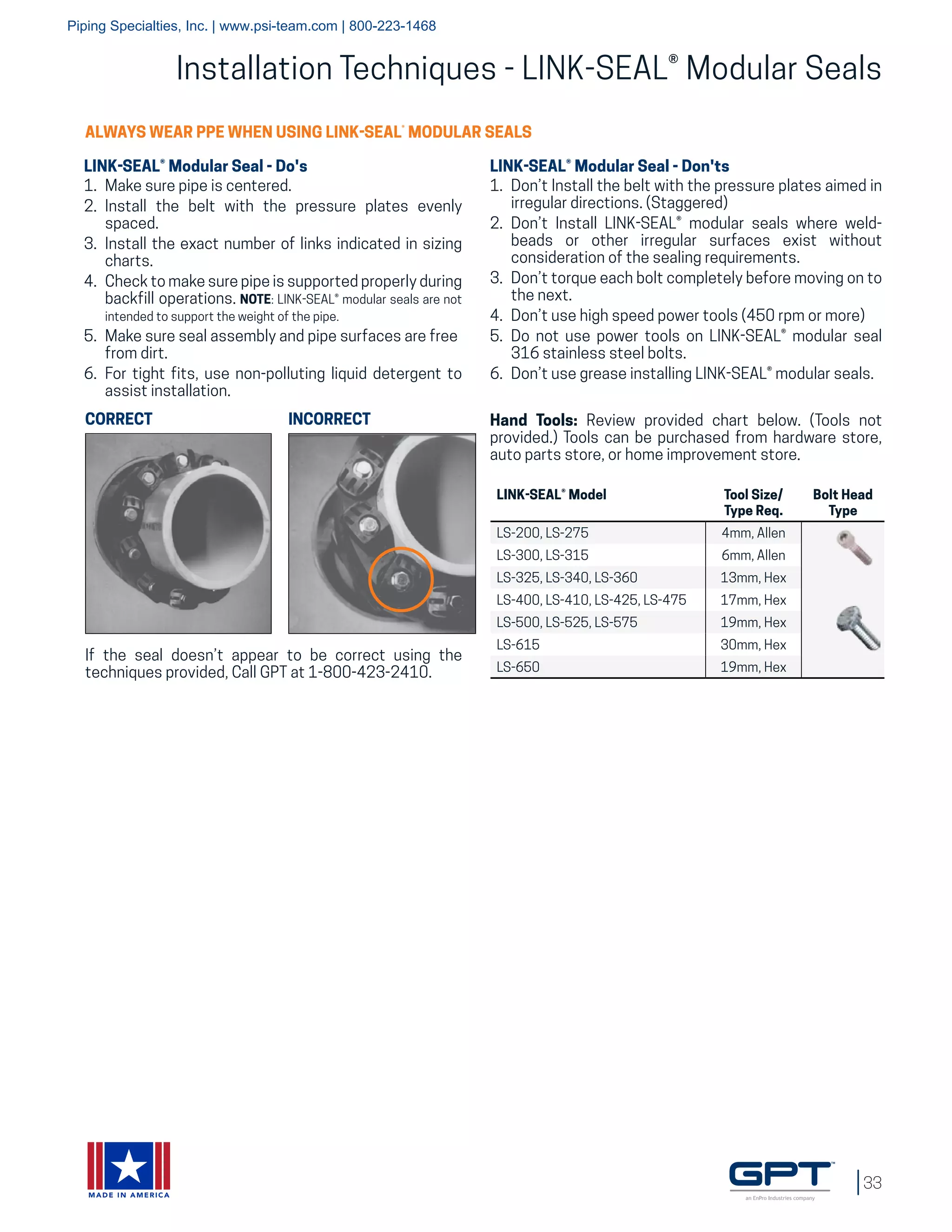
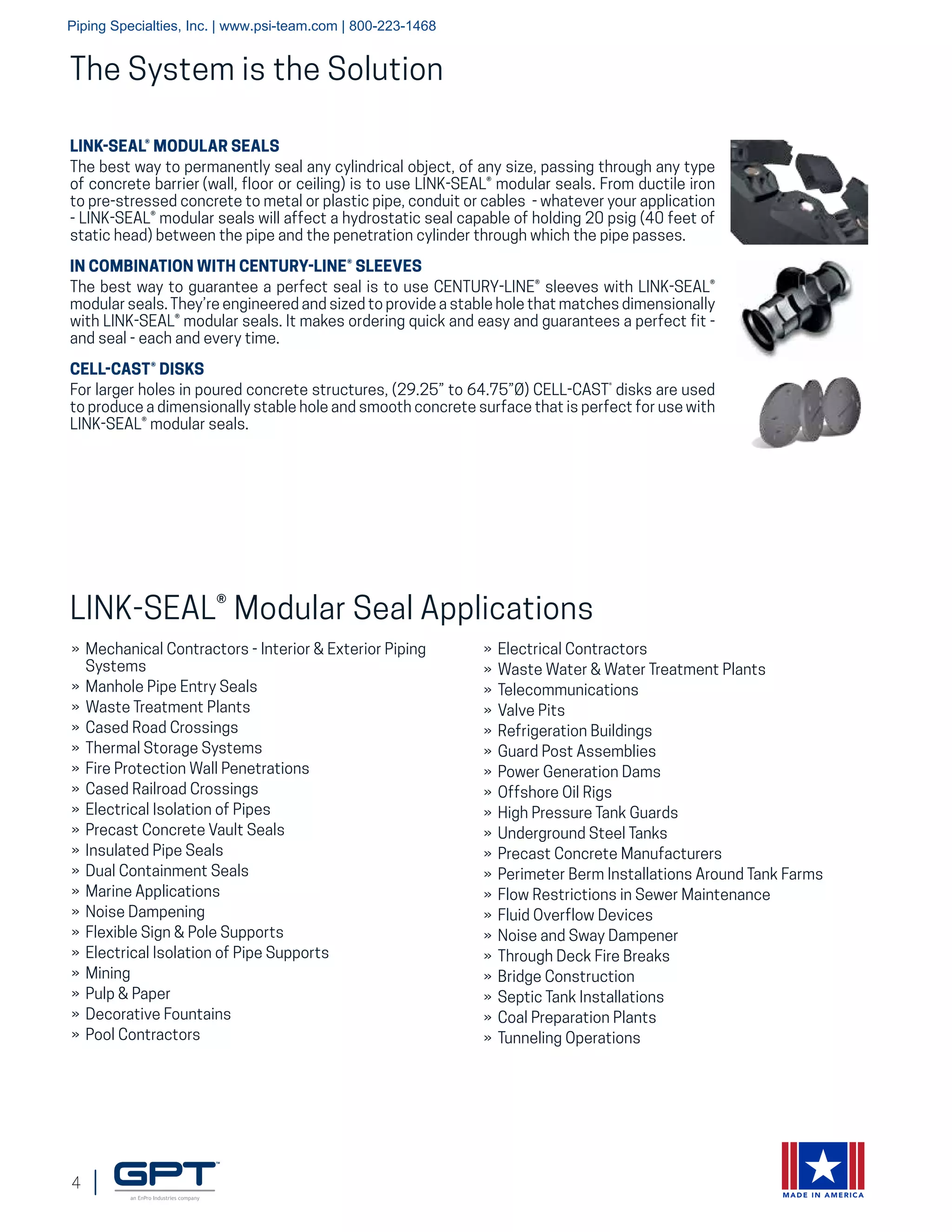
The link seal chart is a valuable tool for anyone involved in construction, engineering, or industries requiring precise sealing solutions. This reference guide provides a clear understanding of the various seal types, their dimensions, and their applications. By using the link seal diagram, you can make informed decisions and ensure successful installations.
Key Measurements and Categories
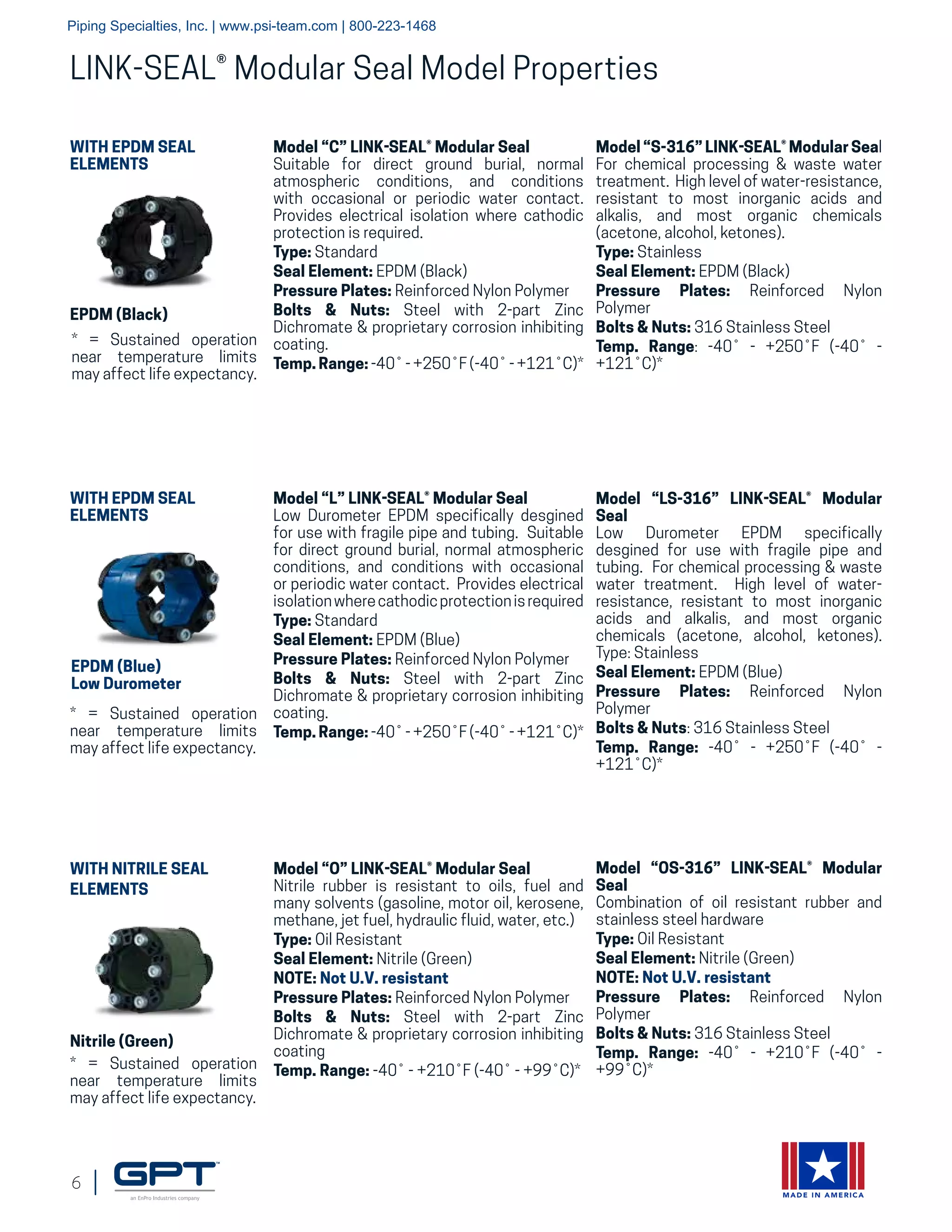
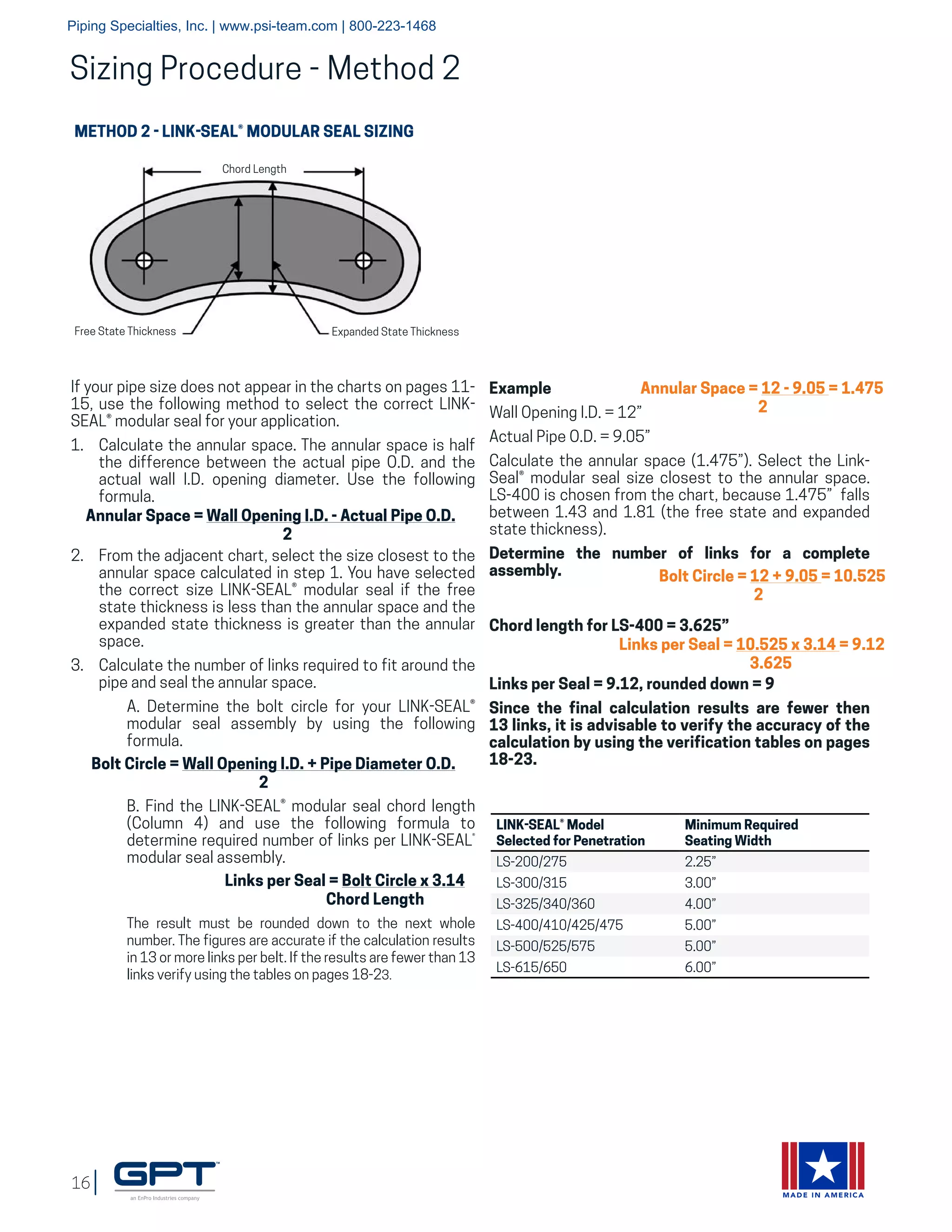
The chart presents a comprehensive overview of standard link seal dimensions, offering a quick reference for professionals. It typically includes columns indicating the seal type, its size or diameter, and other relevant specifications. Common seal types, such as single, double, or triple-link seals, are categorized and measured in inches or millimeters, depending on the standard being used. Each seal type has its unique characteristics and is designed for specific purposes.
Understanding the Chart: A Step-by-Step Guide
Reading the link seal chart is straightforward. First, identify the seal type you require for your project. The chart will provide a range of options, each with its own set of dimensions. Pay close attention to the seal's diameter, as this is a critical measurement for proper installation. Additionally, the chart may offer insights into the seal's material, which is essential for compatibility and durability considerations.
Here's a simple step-by-step process:
- Identify the seal type needed.
- Locate the seal on the chart and note its diameter.
- Check the material and ensure it aligns with your project requirements.
- Cross-reference with industry standards or manufacturer specifications for any specific tolerances or additional details.
Seal Variations and Practical Tips
While the link seal chart provides a valuable framework, variations can occur due to industry standards, regional differences, and specific use cases. It's essential to be aware of these potential discrepancies. Here are some key factors to consider:
- Standard link seal dimensions may differ slightly between regions, so always double-check the relevant standards for your location.
- Manufacturer-specific charts might offer unique seal types or measurements, so refer to their guides for accurate information.
- Environmental factors, such as temperature and pressure, can influence seal performance, so choose seals suitable for your application.
Remember, the link seal chart is a practical tool, but it's essential to adapt and verify the information for your specific project needs. With this guide, you can confidently navigate the world of sealing solutions and ensure successful installations.
Hey there! I hope this link seal chart has been a helpful reference for you. Remember, while the basics remain consistent, the exact details can shift a little based on your specific context or the standards you're working with.
Feel free to keep this page bookmarked for future use. It's always handy to have a quick, reliable guide like this at your fingertips. You might also want to explore some of our other practical guides for more tips and tricks. Happy referencing!