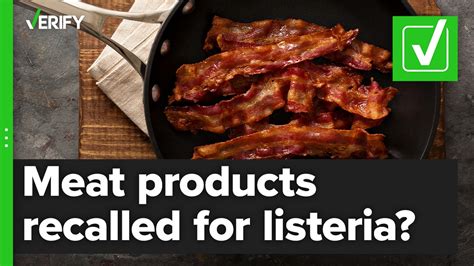
Meat product recalls are a critical measure to ensure consumer safety and prevent the spread of foodborne illnesses. These recalls can be initiated by various factors, including contamination, processing errors, or mislabeling. Understanding the reasons behind meat product recalls is essential for both consumers and producers to maintain a safe and trustworthy food supply chain.
Introduction to Meat Product Recalls
Meat product recalls are formal announcements by manufacturers or regulatory bodies to remove specific meat products from the market due to safety concerns. These concerns could range from the presence of harmful bacteria, such as Salmonella or E. coli, to the inclusion of unauthorized ingredients or the mislabeling of products. The primary goal of a recall is to protect public health by preventing the consumption of potentially harmful food products.
Reasons for Meat Product Recalls
Contamination: One of the most common reasons for meat product recalls is contamination. This can involve the presence of pathogenic bacteria, viruses, or other harmful agents in the meat. Contamination can occur at any point in the production process, from farming to packaging.
Processing Errors: Errors during the processing stage, such as improper handling, storage, or cooking, can also lead to recalls. For example, if meat is not heated to the appropriate temperature to kill off bacteria, it can pose a risk to consumers.
Mislabeling: Mislabeling of meat products is another significant reason for recalls. This includes incorrect information about ingredients, nutritional content, or the absence of allergen warnings. Mislabeling can lead to serious health issues, especially for individuals with allergies or specific dietary requirements.
Regulatory Non-compliance: Failure to comply with regulatory standards, such as those related to animal welfare, environmental protection, or food safety, can prompt recalls. Regulatory bodies constantly monitor meat production facilities to ensure they adhere to strict guidelines designed to protect both consumers and the environment.
The Recall Process
The recall process typically begins with the identification of a potential issue by the manufacturer, a regulatory body, or through consumer complaints. Once a problem is identified, an investigation is conducted to determine the cause and scope of the issue. If a recall is deemed necessary, the manufacturer, often in collaboration with regulatory agencies, will issue a public notice detailing the affected products, the reason for the recall, and instructions on what consumers should do with the recalled products.
Consumer Response to Recalls
Consumers play a vital role in the effectiveness of meat product recalls. Upon learning of a recall, consumers should:
- Check Products: Immediately inspect their refrigerators and freezers for the recalled products.
- Do Not Consume: Avoid consuming any of the recalled products, even if they look and smell fine.
- Follow Instructions: Adhere to the guidance provided by the recall notice, which may include returning the product to the store for a refund or disposing of it according to specific instructions.
- Stay Informed: Regularly check reputable sources for the latest information on food recalls to stay aware of any updates or new recalls.
Preventing Recalls
While recalls are an essential safety net, preventing them from happening in the first place is the ideal scenario. This can be achieved through stringent quality control measures, adherence to regulatory standards, and a commitment to transparency and consumer safety throughout the supply chain. Manufacturers can implement robust testing protocols, maintain clean and safe production environments, and ensure that all products are properly labeled and packaged.
Conclusion
Meat product recalls are a crucial tool for safeguarding public health. By understanding the reasons behind these recalls and the processes involved, consumers and producers can work together to minimize risks and ensure that the food supply chain remains safe and reliable. Whether it’s through rigorous production standards, vigilant monitoring, or swift action in response to potential threats, the collective effort to prevent foodborne illnesses is paramount. As the food industry continues to evolve, so too must our strategies for protecting consumers, underscoring the importance of ongoing vigilance and cooperation.
What are the most common reasons for meat product recalls?
+The most common reasons for meat product recalls include contamination with harmful bacteria, processing errors, and mislabeling of products. These issues can lead to serious health risks for consumers and underline the importance of strict quality control and regulatory compliance in the meat industry.
How can consumers check if a meat product has been recalled?
+Consumers can check for recalls by visiting the official websites of regulatory bodies responsible for food safety in their country. Additionally, many grocery stores and supermarkets will post recall notices in their stores or on their websites. It's also a good practice to sign up for recall alerts from reputable sources to stay informed.
What should consumers do if they have already consumed a recalled meat product?
+If a consumer suspects they have consumed a recalled meat product, they should monitor their health closely for signs of foodborne illness, such as fever, vomiting, or diarrhea. If symptoms appear, it's crucial to seek medical attention. Additionally, consumers should report their consumption of the recalled product to their healthcare provider and possibly to the relevant regulatory body, as this information can help in tracking and managing the recall's impact.
In the realm of food safety, vigilance and cooperation are key. By staying informed, adhering to safety guidelines, and supporting practices that prioritize consumer well-being, we can work towards a future where meat product recalls are a rarity, and the food on our tables is consistently safe and wholesome.