The Lone Star State, known for its vibrant culture, diverse landscapes, and resilient wildlife, is also a habitat for various bird species that can carry the avian influenza virus, commonly referred to as bird flu. Texas, being a major flyway for migratory birds, faces a significant risk of bird flu outbreaks, particularly during certain times of the year. Understanding the dynamics of bird flu season in Texas is crucial for Residents, hunters, and outdoor enthusiasts to take necessary precautions and stay safe.
What is Bird Flu?
Bird flu, or avian influenza, is a type of influenza virus that primarily affects birds. While it is typically not harmful to humans, certain strains, such as H5N1, can be highly pathogenic and potentially deadly if transmitted to people. The virus can spreads among birds through direct contact with infected birds’ feces, saliva, and respiratory secretions. Humans can become infected through close contact with infected birds or contaminated surfaces.
Texas Bird Flu Season: When to Be Prepared
In Texas, the risk of avian influenza outbreaks tends to be higher during the spring and fall migrations, when large numbers of waterfowl, such as ducks and geese, move through the state. These migrations typically occur from February to May and from August to November. However, it’s essential to stay vigilant throughout the year, as outbreaks can occur at any time, especially in areas with high concentrations of domestic poultry and wild bird populations.
Staying Safe During Bird Flu Season
While the risk of bird flu transmission to humans is relatively low, taking precautions, especially during peak migration seasons, is prudent. Here are several measures to stay safe:
Avoid Contact with Wild Birds: Refrain from touching or handling wild birds, including their nests and droppings. If you must handle birds, wear protective gloves, a face mask, and eyewear.
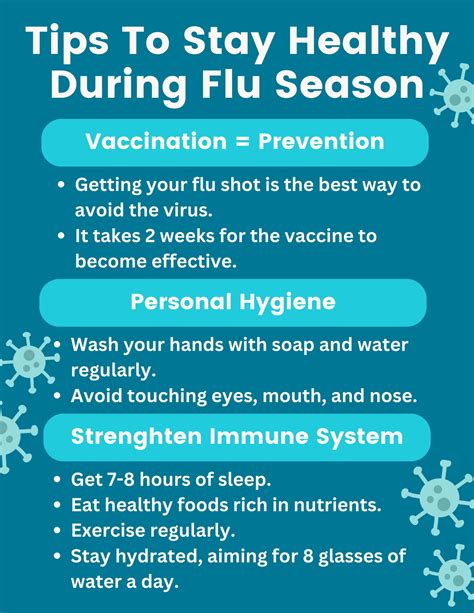
Practice Good Hygiene: Wash your hands frequently with soap and water, especially after being outdoors or coming into contact with potentially contaminated surfaces.
Cook Poultry Thoroughly: Ensure that all poultry and eggs are cooked to an internal temperature of at least 165°F (74°C) to kill any potential viruses.
Follow Guidelines for Hunters: If you’re a hunter, follow all guidelines set by the Texas Parks and Wildlife Department and the U.S. Centers for Disease Control and Prevention (CDC) regarding the handling and cooking of game birds.
Report Sick or Dead Birds: If you encounter sick or dead birds, especially in large numbers, report them to local wildlife authorities. This can help in the early detection and management of outbreaks.
Preparing Your Backyard
For individuals who keep backyard poultry, such as chickens or ducks, taking extra precautions is vital:
- Biosecurity Measures: Implement strict biosecurity measures, including keeping your flock enclosed, ensuring all enclosures are secure, and limiting visitor access to your flock.
- Monitor Health: Regularly check the health of your birds, watching for signs of illness such as lethargy, loss of appetite, or unusual droppings.
- Vaccination: Consult with a veterinarian about vaccinating your birds against avian influenza, although this should be done under professional guidance.
Conclusion
While Texas faces a risk of bird flu outbreaks, particularly during the spring and fall migrations, being informed and taking the right precautions can significantly reduce the risk of transmission. By staying vigilant, practicing good hygiene, and following guidelines for handling birds and poultry, residents and visitors can enjoy the outdoors while minimizing their risk of exposure to avian influenza. Remember, safety and awareness are key to navigating bird flu season in Texas.
What are the symptoms of bird flu in humans?
+Symptoms can range from mild (such as eye infections and mild upper respiratory infections) to severe (including pneumonia and acute respiratory distress), depending on the strain of the virus. In severe cases, it can lead to hospitalization and even death.
How can I protect my pets from bird flu?
+Keep your pets indoors, especially during peak migration seasons, and prevent them from coming into contact with wild birds or their droppings. If your pet is exposed, consult with your veterinarian immediately.
Can bird flu be treated?
+While there are antiviral medications that can treat bird flu in humans, such as oseltamivir (Tamiflu) and zanamivir (Relenza), they are most effective when started within 48 hours of symptom onset. Early diagnosis and treatment are crucial.
Remaining aware of the latest developments and following the guidelines set by health and wildlife authorities are crucial steps in staying safe during bird flu season in Texas. By doing so, we can enjoy the beauty of nature while protecting ourselves and the wildlife that enrich our lives.