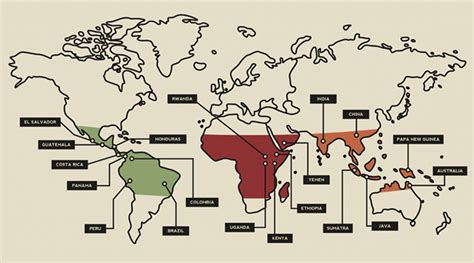
The origins of coffee are steeped in rich history and mythology, with stories of its discovery dating back centuries. To unravel the mystery of where coffee is originally from, we must embark on a journey through the highlands of Ethiopia, where the coffee plant is believed to have first been discovered.
Legend has it that a goatherd named Kaldi noticed that his goats became more energetic and alert after eating the red berries of a certain plant. Curious, Kaldi decided to try the berries himself and soon felt invigorated and refreshed. News of this miraculous plant spread quickly, and soon, the local monastery became interested in its potential. The monks began to cultivate the plant, and as they chewed on the berries, they found that it helped them stay awake during long hours of prayer and meditation.
From Ethiopia, coffee spread to the Arabian Peninsula, where it was cultivated and traded extensively. The Arabs were responsible for the first commercial cultivation of coffee and for developing many of the techniques that are still used today, such as roasting and brewing. They also gave coffee its name, “qahwa,” which is Arabic for “that which prevents sleep.”
As trade routes expanded, coffee began to make its way to other parts of the world. By the 15th century, coffee had reached the Mediterranean region, where it became popular in cities such as Constantinople and Venice. The first coffeehouses were established in these cities, providing a gathering place for people to socialize, conduct business, and enjoy the stimulating effects of coffee.
Today, coffee is grown in over 70 countries around the world, with Brazil, Vietnam, and Colombia being among the top producers. Despite its global popularity, however, the origins of coffee remain deeply rooted in Ethiopian culture and tradition. In fact, Ethiopia is home to some of the world’s most unique and exotic coffee varieties, with flavors that are shaped by the country’s distinct terroir and climate.
Coffee is not just a drink; it's an experience that brings people together and provides a moment of relaxation and enjoyment. Whether you're sipping on a rich and smooth espresso or savoring the complex flavors of a single-origin pour-over, coffee has the power to transport us to another time and place.
To better understand the history and cultural significance of coffee, let’s take a closer look at the different types of coffee and their unique characteristics.
Types of Coffee
There are several types of coffee, each with its own distinct flavor profile and production process. Some of the most popular types of coffee include:
- Arabica: Known for its mild and nuanced flavor, Arabica coffee is grown at high altitudes and is considered to be of higher quality than other types of coffee.
- Robusta: Robusta coffee is bitter and has a higher caffeine content than Arabica. It’s often used as a base for instant coffee and espresso blends.
- Liberica: Native to West Africa, Liberica coffee is known for its distinctive flavor, which is often described as fruity and floral.
- Excelsa: A hybrid of Liberica and Arabica, Excelsa coffee is known for its balanced flavor and medium body.
Coffee Production
Coffee production involves several steps, from harvesting and processing to roasting and brewing. Here’s a brief overview of the coffee production process:
- Harvesting: Coffee beans are harvested from the coffee plant, usually between May and October, depending on the region and climate.
- Processing: The coffee beans are processed to remove the outer skin and pulp, either through a dry or wet method.
- Drying: The processed coffee beans are dried to a moisture level of around 11%, either by machine or sun-dried.
- Roasting: The dried coffee beans are roasted to bring out the desired flavor and aroma.
- Brewing: The roasted coffee beans are ground and brewed to create the final product.
Coffee Production Step-by-Step
- Harvesting: Coffee beans are harvested from the coffee plant.
- Processing: The coffee beans are processed to remove the outer skin and pulp.
- Drying: The processed coffee beans are dried to a moisture level of around 11%.
- Roasting: The dried coffee beans are roasted to bring out the desired flavor and aroma.
- Brewing: The roasted coffee beans are ground and brewed to create the final product.
In conclusion, coffee is a complex and fascinating beverage with a rich history and cultural significance. From its origins in Ethiopia to its global popularity today, coffee has become an integral part of our daily lives. Whether you’re a coffee connoisseur or just a casual fan, there’s no denying the power of coffee to bring people together and provide a moment of relaxation and enjoyment.
What is the origin of coffee?
+Coffee originated in Ethiopia, where it was discovered by a goatherd named Kaldi. From there, it spread to the Arabian Peninsula and eventually to the rest of the world.
What are the different types of coffee?
+There are several types of coffee, including Arabica, Robusta, Liberica, and Excelsa. Each type has its own unique flavor profile and production process.
How is coffee produced?
+Coffee production involves several steps, from harvesting and processing to roasting and brewing. The process can vary depending on the region and climate.