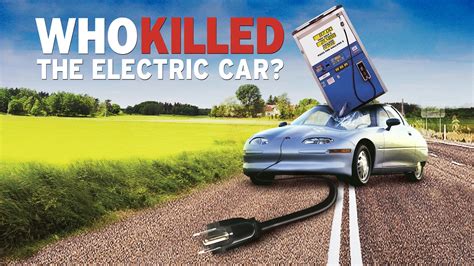
The story of the electric car’s demise is a complex and intriguing one, filled with twists and turns that involve some of the most powerful players in the automotive and energy industries. In the 1990s, California’s Air Resources Board (CARB) began to implement regulations aimed at reducing air pollution from vehicles, including a requirement for automakers to produce a certain percentage of zero-emission vehicles (ZEVs). This move sparked a flurry of activity among major car manufacturers, who started developing electric vehicles (EVs) to meet the new standards.
General Motors (GM) was at the forefront of this effort, introducing the EV1, a sleek and futuristic electric car that quickly gained a loyal following among environmentally conscious drivers. The EV1 was not just a novelty; it was a fully functional vehicle with a range of around 80 miles on a single charge, making it an attractive option for commuters and urban dwellers. Other manufacturers, such as Toyota, Honda, and Ford, also introduced their own electric models, including the RAV4 EV, the EV Plus, and the Ranger EV.
However, as the electric car market began to gain traction, powerful forces started to align against it. The oil industry, which stood to lose billions of dollars in revenue if electric cars became the norm, began to lobby heavily against the ZEV mandate. Automakers, who had invested heavily in the development of electric vehicles but were hesitant to commit to full-scale production, also started to push back against the regulations. They argued that the demand for electric cars was not strong enough to justify the costs of producing them, and that the technology was still in its infancy.
One of the key players in the demise of the electric car was the Bush administration, which was heavily influenced by the oil industry. In 2003, the administration launched a lawsuit against CARB, arguing that the ZEV mandate was preempted by federal law. The lawsuit was eventually settled, but the damage had already been done. The uncertainty and confusion surrounding the regulations had already begun to undermine the electric car market, and many manufacturers started to abandon their EV programs.
Another major factor in the electric car’s demise was the hydrogen fuel cell, which was heavily promoted as a more promising alternative to batteries. The oil industry and automakers invested heavily in hydrogen fuel cell technology, which was touted as a zero-emission solution that could power vehicles for hundreds of miles without recharging. However, the hydrogen fuel cell proved to be a highly complex and expensive technology, and it ultimately failed to deliver on its promises.
As the electric car market continued to decline, GM made the decision to discontinue the EV1 and destroy the remaining vehicles. This move was widely seen as a betrayal by the EV community, which had come to regard the EV1 as a symbol of hope for a more sustainable transportation future. The destruction of the EV1 fleet was a dramatic and poignant moment, marking the end of an era for the electric car.
In the years that followed, the electric car was all but forgotten, relegated to the fringes of the automotive industry. However, the story of the electric car’s demise serves as a cautionary tale about the power of special interests and the importance of perseverance in the face of adversity. Today, as the world grapples with the challenges of climate change and air pollution, the electric car is once again gaining traction, with many manufacturers investing heavily in EV technology.
The revival of the electric car is a testament to the dedication and perseverance of the pioneers who worked tirelessly to develop and promote this technology. It also highlights the importance of regulatory frameworks and government policies in shaping the direction of the automotive industry. As we look to the future, it is clear that the electric car will play a major role in reducing our dependence on fossil fuels and mitigating the impacts of climate change.
In conclusion, the story of who killed the electric car is a complex and multifaceted one, involving a range of players and interests. While it is impossible to pinpoint a single culprit, it is clear that the electric car’s demise was the result of a combination of factors, including the influence of the oil industry, the hesitation of automakers, and the uncertainty surrounding regulatory frameworks.
What was the main reason for the electric car's demise in the 1990s?
+The main reason for the electric car's demise was the combination of factors, including the influence of the oil industry, the hesitation of automakers, and the uncertainty surrounding regulatory frameworks. The Bush administration's lawsuit against CARB also played a significant role in undermining the electric car market.
What was the impact of the hydrogen fuel cell on the electric car market?
+The hydrogen fuel cell was heavily promoted as a more promising alternative to batteries, which diverted resources and attention away from electric vehicles. However, the hydrogen fuel cell proved to be a highly complex and expensive technology, and it ultimately failed to deliver on its promises.
What is the current state of the electric car market?
+The electric car market is experiencing a resurgence, with many manufacturers investing heavily in EV technology. Governments around the world are also implementing policies and regulations to promote the adoption of electric vehicles, such as tax incentives, investment in charging infrastructure, and low-emission zones.
The story of the electric car serves as a reminder of the importance of perseverance and critical thinking in the face of adversity. As we look to the future, it is clear that the electric car will play a major role in reducing our dependence on fossil fuels and mitigating the impacts of climate change. By understanding the complex factors that contributed to the electric car’s demise, we can work towards creating a more sustainable transportation future for all.