




Wig Length Chart Easy Overview
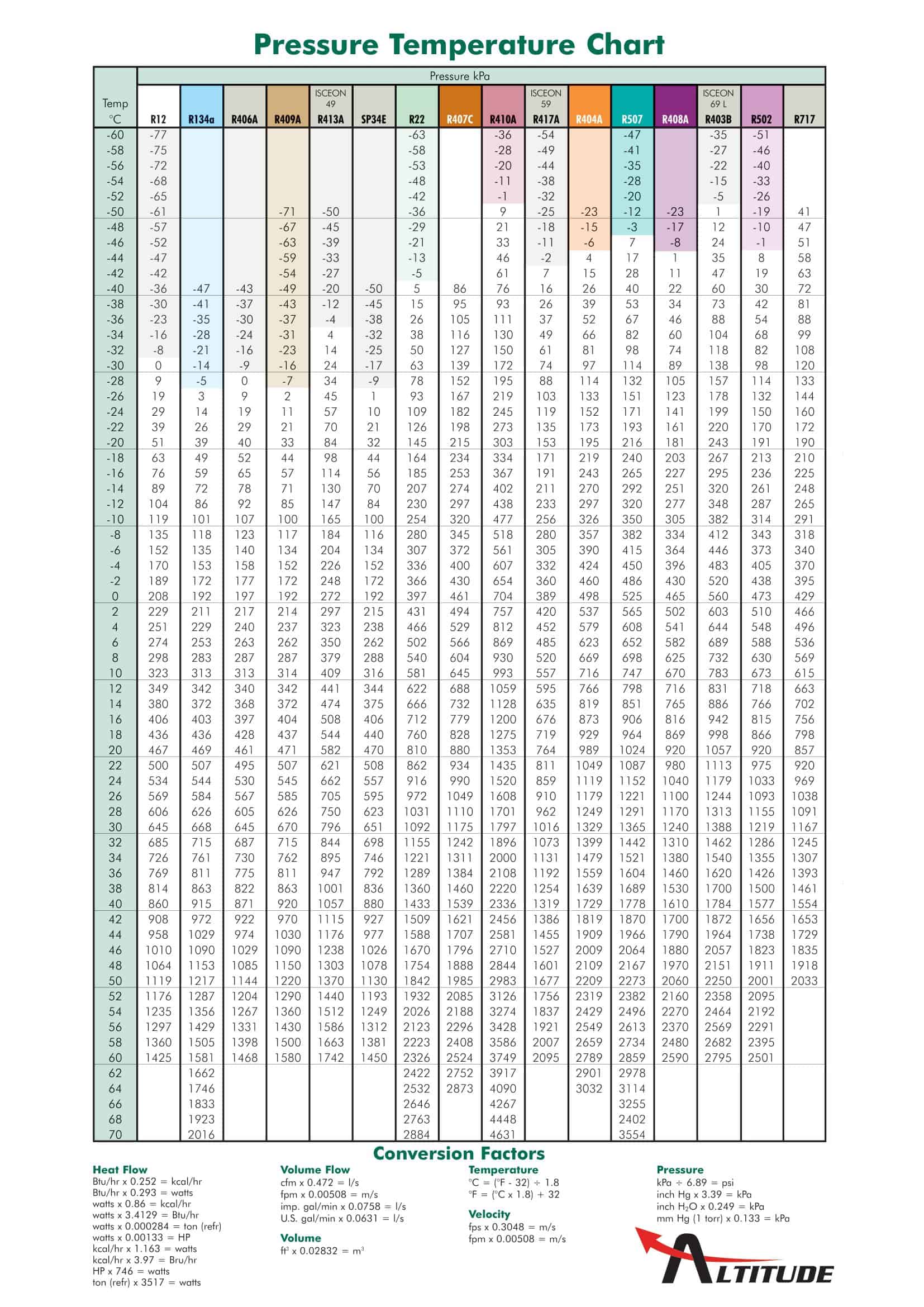
Many people often mistakenly assume that the 454b pt chart is a complex and confusing tool, but it's actually a simple and handy reference for weight conversions. This chart, often used in cooking and baking, provides an easy way to navigate between grams and pounds, especially when following recipes. While it may seem daunting, the 454b pt chart is a straightforward solution, ensuring your measurements are spot on.
Understanding the 454b pt Chart: A Quick Overview
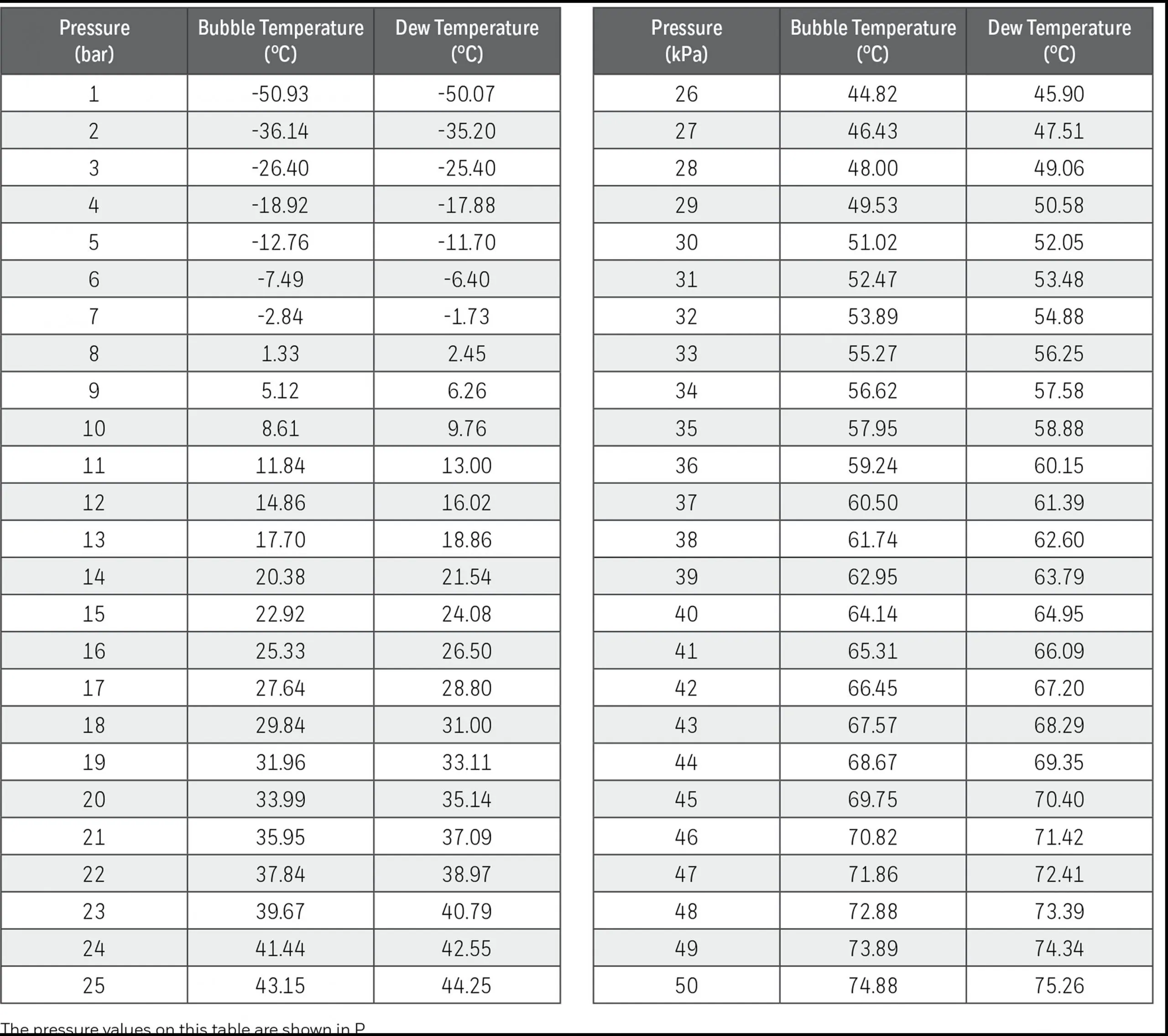
The 454b pt chart is a handy reference tool for anyone who needs to convert weights, especially when dealing with grams and pounds. It provides a simple and visual way to understand the relationship between these two units of measurement, which is particularly useful for cooking, baking, and other weight-sensitive tasks. This chart is a valuable resource for ensuring accurate conversions and measurements.
Comparing Conversion Options: Grams to Pounds and Beyond
While the 454b pt chart focuses on grams and pounds, it's important to note that there are other conversion options available. Depending on your needs, you might encounter charts or tables that cover a wider range of units, such as kilograms to pounds or even metric to imperial weight conversions. These variations cater to different measurement systems and specific requirements.
Step-by-Step Guide: Using the 454b pt Chart Effectively
Using the 454b pt chart is straightforward. First, identify the gram value you want to convert. Then, locate the corresponding pound value on the chart. It's as simple as that! For instance, if you have 100 grams, you'll find that it's approximately equal to 0.22 pounds. This chart provides a quick and easy reference, making it ideal for quick conversions during cooking or baking.
Common Misreadings and How to Avoid Them
One common mistake when using the 454b pt chart is misinterpreting the decimal places. Remember, the chart provides approximate values, so you might see slight variations depending on the specific gram value. It's important to round off the decimal places appropriately to get a practical conversion. For example, 250 grams is roughly 0.55 pounds, but you might want to round it to 0.6 pounds for easier calculation in real-life scenarios.
Factors Affecting Accuracy: Key Considerations
- Standard Variations: The 454b pt chart is based on standard weight conversions, but it's worth noting that different regions and industries might have slight variations in their conversion factors. Always double-check the exact specifications if precision is crucial.
- Tolerance Levels: In some cases, especially in baking or scientific measurements, tolerance levels come into play. These indicate the acceptable range of variation, so be mindful of these when using the chart for critical applications.
Choosing the Right Chart for Your Needs
The 454b pt chart is a great starting point, but you might need a more specialized chart depending on your requirements. For instance, if you're baking and need precise measurements, a chart with smaller intervals might be more suitable. On the other hand, a simpler chart might suffice for everyday cooking needs. Consider your specific use case and choose a chart that aligns with your accuracy and convenience needs.
Keeping Your Reference Reliable: Tips for Next Time
To ensure the reliability of your 454b pt chart, consider the following:
- Regularly update your charts to reflect any changes in standards or specifications.
- Cross-reference your conversions with online calculators or other reliable sources to maintain accuracy.
- Keep a record of the specific chart version or standard you're using to avoid confusion.
- For critical applications, consider investing in a digital scale that provides both gram and pound measurements for added convenience and accuracy.
Well, there you have it! A comprehensive guide to help you navigate the world of 454b pt charts. Remember, these charts are a handy tool, but it's always wise to consider your unique situation and double-check the specifics.
Feel free to explore our other resources and guides; we've got a bunch of practical tips and tricks to make your life easier. Happy learning, and until next time, stay curious!
Related: Unraveling the DVC Points Chart: A Simple Guide
A DVC points chart is a handy tool for Disney Vacation Club members, offering a clear and concise way to visualize and understand their points system. This guide will take you through the essentials, covering what you need to know to navigate and utilize the DVC points chart effectively.
It's a simple yet powerful resource, providing an at-a-glance overview of your points and their potential, with variations depending on your region and membership type.
Understanding the DVC Points Chart
The DVC points chart is your guide to navigating the Disney Vacation Club (DVC) points system. It's a handy tool that helps you understand the value of your DVC points and how they can be used across different Disney resorts and accommodations. This chart is a reference for members to plan their vacations and make the most of their points.
Comparing Point Values and Categories
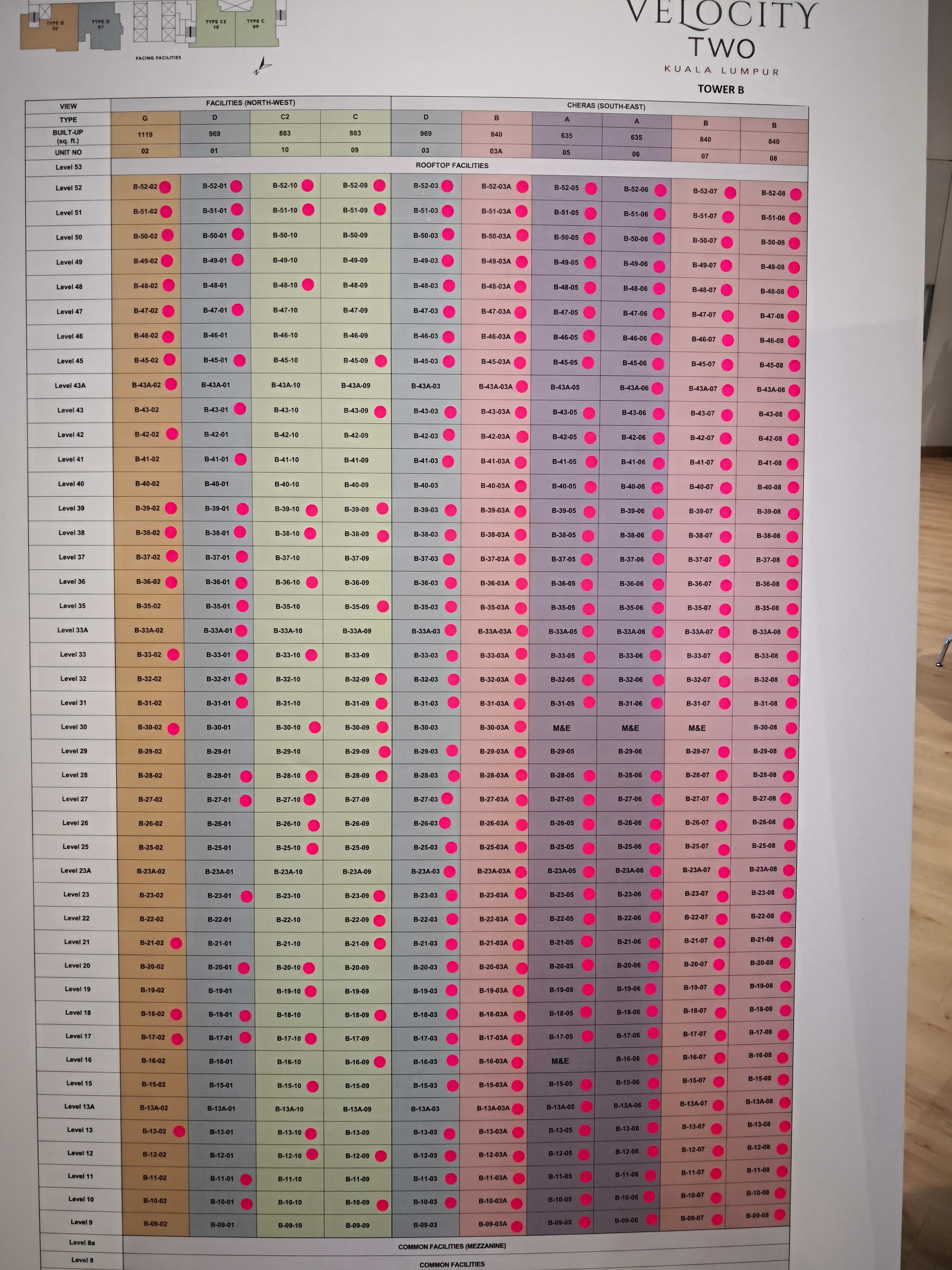
The DVC points chart typically displays point values for various Disney properties, categorized by resort and room type. You'll find columns for different resorts, with rows indicating the point cost for each room category. These categories might include standard rooms, preferred rooms, or even villas, each with its own point value. It's important to note that point values can vary based on the resort's location, amenities, and demand.
Reading the Points Chart: A Step-by-Step Guide
Start by identifying the resort you're interested in. Each resort will have its own column on the chart. Next, locate the specific room category you prefer. The corresponding point value will be displayed in that cell. For example, if you want a standard room at Resort A, find "Resort A" on the chart, then look for the "Standard Room" category. The point value in that cell is what you'll need for your stay. Remember, these points are flexible and can be used across different resorts, so you have options!
Avoiding Common Misreadings
One common pitfall is assuming that all resorts and room types have the same point values. This is not the case; each resort's point values are unique. Another mistake is not considering the time of year. Point values can fluctuate based on seasonality and demand, so always check the chart for the specific dates you're planning to travel. It's also important to note that the DVC points chart may not cover every single resort or room type. Some specialty accommodations or unique experiences might have their own point values, so it's wise to double-check with Disney or a DVC guide for these exceptions.
Factors Affecting Point Variations
Point values on the DVC points chart can vary due to several factors. Here are some key influences:
- Resort Location: Resorts in high-demand areas, like popular theme park locations, often have higher point values.
- Seasonality: Point costs can increase during peak travel seasons, such as school holidays or summer months.
- Room Amenities: Rooms with special features, like a balcony or a better view, may require more points.
- Resort Facilities: Resorts with extensive amenities, like water parks or multiple dining options, might have higher point values.
- Room Size and Capacity: Larger rooms or those accommodating more guests usually require more points.
Adapting the Chart for Your Needs
While the standard DVC points chart is a great starting point, you might need to adapt it for your specific vacation plans. Here are some tips:
- If you're planning a large family vacation, consider the room's capacity and ensure it aligns with your needs.
- For a more luxurious stay, look for resorts with higher-end amenities and check their point values.
- If you're flexible with dates, you can save points by choosing off-peak travel periods.
- Use a DVC points calculator or consult a Disney points conversion guide to estimate the points needed for your desired resort and room type.
- Keep an eye on vacation club points charts for any updates or changes, especially if you're planning far in advance.
Well, there you have it! A comprehensive guide to navigating the world of DVC points. We've covered the basics, compared the options, and provided a step-by-step process to ensure you're on the right track.
Remember, every situation is unique, so be sure to tailor these insights to your specific needs. Double-check the factors that impact your context, and you'll be well on your way to making informed decisions. This chart is a handy reference, so bookmark this page for future use. It's always good to have a quick reminder when you need it!
Related: A Quick Guide to Reading the Ser Verb Chart
Many people often get confused by the ser verb chart and its purpose, but it's actually a simple and handy tool! The "ser verb chart" is your friend, a quick reference guide to navigate Spanish verb conjugations. It's not as scary as it may seem; this chart is a visual aid, offering a clear layout to understand and use the verb 'ser' accurately. You'll find it helps to have this resource at your fingertips, especially when you're just starting out with Spanish.
The Ser Verb Chart: A Comprehensive Guide
The ser verb chart is an essential tool for anyone learning Spanish or wanting to improve their grammar. This chart provides a clear and concise overview of the verb ser and its various conjugations. With the ser verb chart, you'll have a handy reference to master this crucial verb and its many forms.
Key Details and Categories
The chart is designed to cover all the essential tenses and forms of the verb ser. You'll find it organized by person, with columns for each pronoun: yo (I), tú (you), él/ella/usted (he/she/you formal), nosotros/as (we), vosotros/as (you all), and ellos/ellas/ustedes (they/you all formal). Each row represents a different tense, such as present, past, future, and conditional. The chart also includes the imperative form and some common irregular forms.
Reading and Applying the Ser Verb Chart
Here's a step-by-step guide on how to use the ser verb chart:
- Identify the person you want to conjugate ser for. Let's say you want to say "I am" in Spanish. Look for the "yo" column.
- Find the present tense row. This is where you'll find the most common form of the verb. So, for "I am," you'd find "soy" in the "yo" column under the present tense.
- For other tenses, simply navigate to the appropriate row. For instance, if you want to say "I was" (past tense), you'd look in the "yo" column under the past tense row, finding "fui."
- The chart also includes irregular forms. These are highlighted or noted separately. For example, the past participle of ser is "sido," which is an irregular form.
- Practice using the chart with different sentences. For instance, "Tú eres mi amigo" (You are my friend) or "Ellos son altos" (They are tall).
Variations and Differences
While the ser verb chart provides a comprehensive guide, it's important to note that Spanish, like any language, has its nuances. Different regions and dialects may have slight variations in verb conjugations. Additionally, the chart primarily covers the indicative mood. Other moods, like the subjunctive, have their own unique conjugations for ser. Always double-check specific situations or more complex sentences to ensure accuracy.
Common Mistakes and How to Avoid Them
One common mistake is confusing ser with another Spanish verb, estar. Ser is used to describe permanent or inherent characteristics, while estar describes temporary states or locations. Another pitfall is forgetting the irregular forms. While the chart highlights these, it's easy to overlook them if you're not familiar with them. Regular practice and using the chart as a reference can help avoid these errors.
Practical Tips for Accurate Results
To get the most out of the ser verb chart, consider these tips:
- Familiarize yourself with the chart's layout and categories. Understanding the structure will make it easier to navigate and find the right conjugation quickly.
- Practice regularly. Conjugation is a skill that improves with use. The more you practice, the more natural it will become.
- Use the chart as a learning tool. Besides reference, it can help you memorize conjugations and understand verb patterns.
- Explore other resources. While the chart is comprehensive, it's always beneficial to cross-reference with other materials, especially for more complex sentences or less common tenses.
So, there you have it! A handy ser verb chart is a great tool to have in your language-learning arsenal. Remember, the key is to understand the basics, practice regularly, and you'll soon master those tricky verbs.
Before you go, just a quick reminder to always check your specific language learning goals and context. Language standards and conventions can vary, so it's good to be aware of any unique requirements or nuances that might apply to your situation. And don't forget to explore our other guides and resources - we've got plenty of tips and tricks to help you on your language-learning path!