




Wire Color Chart 2026 Overview
Many crafters, especially beginners, often overlook the importance of understanding weight chart yarn and how it can impact their projects. While it may seem like a simple reference, it's a crucial tool to ensure your knitting or crocheting turns out just right.
The weight chart provides a clear indication of yarn thickness, and while the values might vary slightly, it offers a consistent guide to help you choose the right yarn for your pattern. Think of it as a roadmap, guiding you to the perfect yarn weight for your next creation, be it a cozy scarf or a delicate lace shawl.
What is a Weight Chart for Yarn?
A weight chart for yarn is a valuable tool that helps knitters, crocheters, and other yarn crafters understand the thickness or "weight" of different yarn types. It's like a map that guides you through the world of yarn, ensuring you choose the right thickness for your project.
Key Details and Categories
The weight chart typically consists of categories or ranges that describe the thickness of the yarn. These categories are often represented by numbers or symbols, and they provide a standardized way to compare and choose yarns. For example, you might see categories like "Lace," "Fingering," "Sport," "Worsted," and "Bulky." Each category has a specific range of thicknesses, and the chart helps you visualize and understand these differences.
How to Read and Apply the Weight Chart
Reading a weight chart is straightforward. First, identify the category or range that best describes the thickness of your yarn. You can do this by referring to the label on the yarn ball or skein, which often includes the weight category. If you're not sure, you can also measure the thickness of the yarn with a gauge tool or by comparing it to known thicknesses. Once you've identified the category, you can use the chart to understand the yarn's characteristics and choose the appropriate needle or hook size for your project. For instance, if you're working with a worsted-weight yarn, you'll typically use a 4.5-5.5 mm needle or a 5.0-5.5 mm hook.
Variations and Differences
It's important to note that weight charts can vary depending on the standard being used. The most common standards are the Craft Yarn Council (CYC) Standard Yarn Weight System, which is widely used in the US, and the International Standard (metric system). These systems may have slightly different categories and ranges, so it's crucial to know which standard your chart is based on. Additionally, some yarn manufacturers may use their own proprietary systems, so always double-check the specific weight category and its range if you're unsure.
Common Mistakes and How to Avoid Them
One common mistake is assuming that all yarns within a category are exactly the same thickness. While the categories provide a useful guide, there can be variations within each range. Always check the specific gauge or thickness of your yarn, especially if you're substituting one brand or type for another. Another mistake is ignoring the recommended needle or hook size. Using the wrong size can result in a project that's too loose or too tight, affecting the overall look and feel of your work.
Practical Tips for Accurate Results
When choosing yarn, always refer to the weight chart and the specific weight category of your yarn. If you're working from a pattern, ensure the recommended yarn weight matches the weight of the yarn you've chosen. If you're substituting yarn, compare the thickness and weight category of your new yarn to the original yarn specified in the pattern. This ensures your project will turn out as intended. Additionally, always check the gauge or tension of your work early on in the project to ensure you're achieving the desired results. If your gauge is off, adjust your needle or hook size accordingly.
Hey there, I hope this guide has given you a clear understanding of weight chart yarn and its practical uses. Remember, while the basics remain the same, the exact details can differ slightly based on your specific needs and the standards you're working with.
Feel free to explore our other guides; we've got a range of topics covered to help you navigate the world of yarn and crafts with ease. Happy crafting!
Related: Baby Poop Chart: A Simple Guide to Understanding
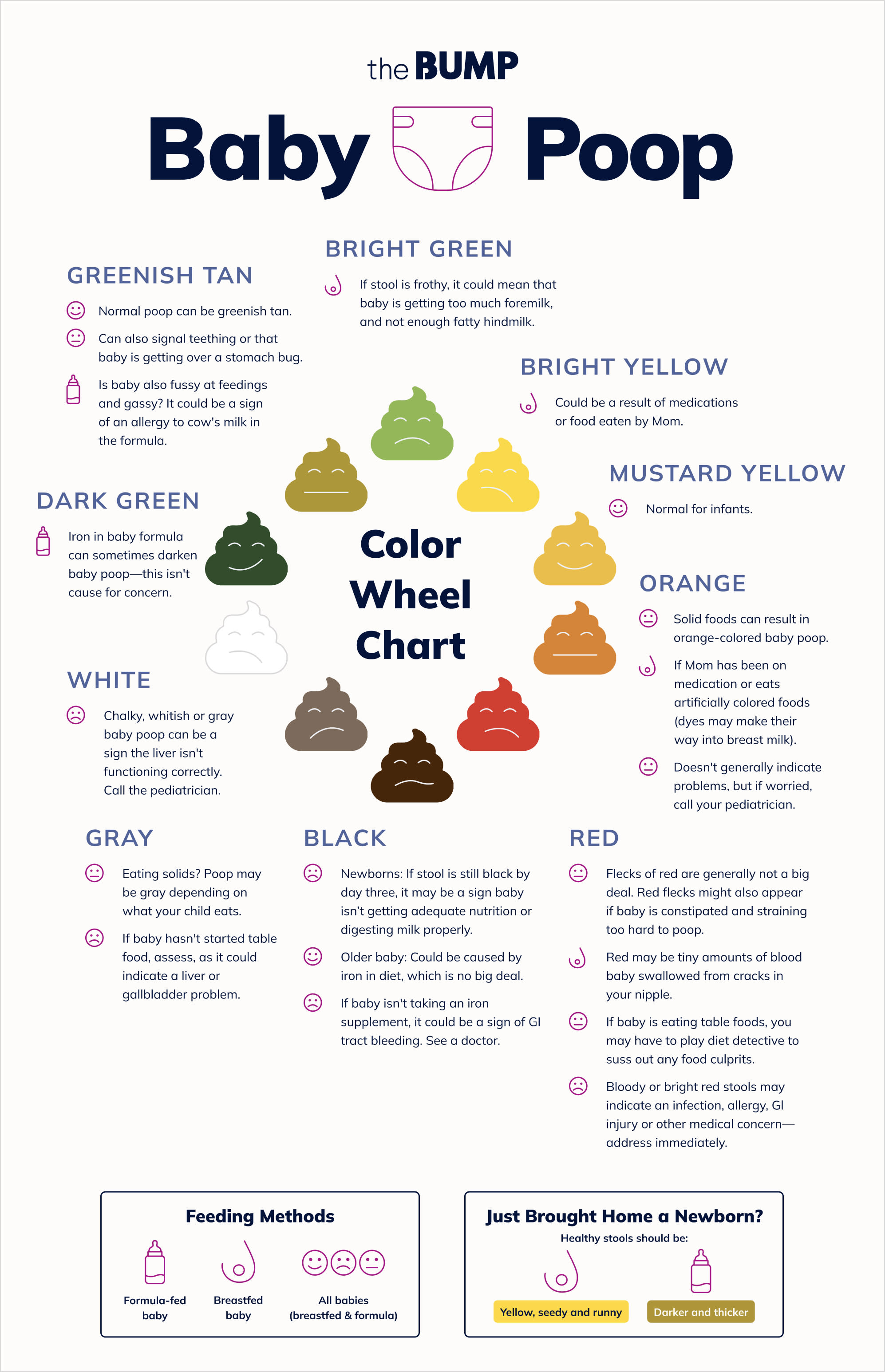
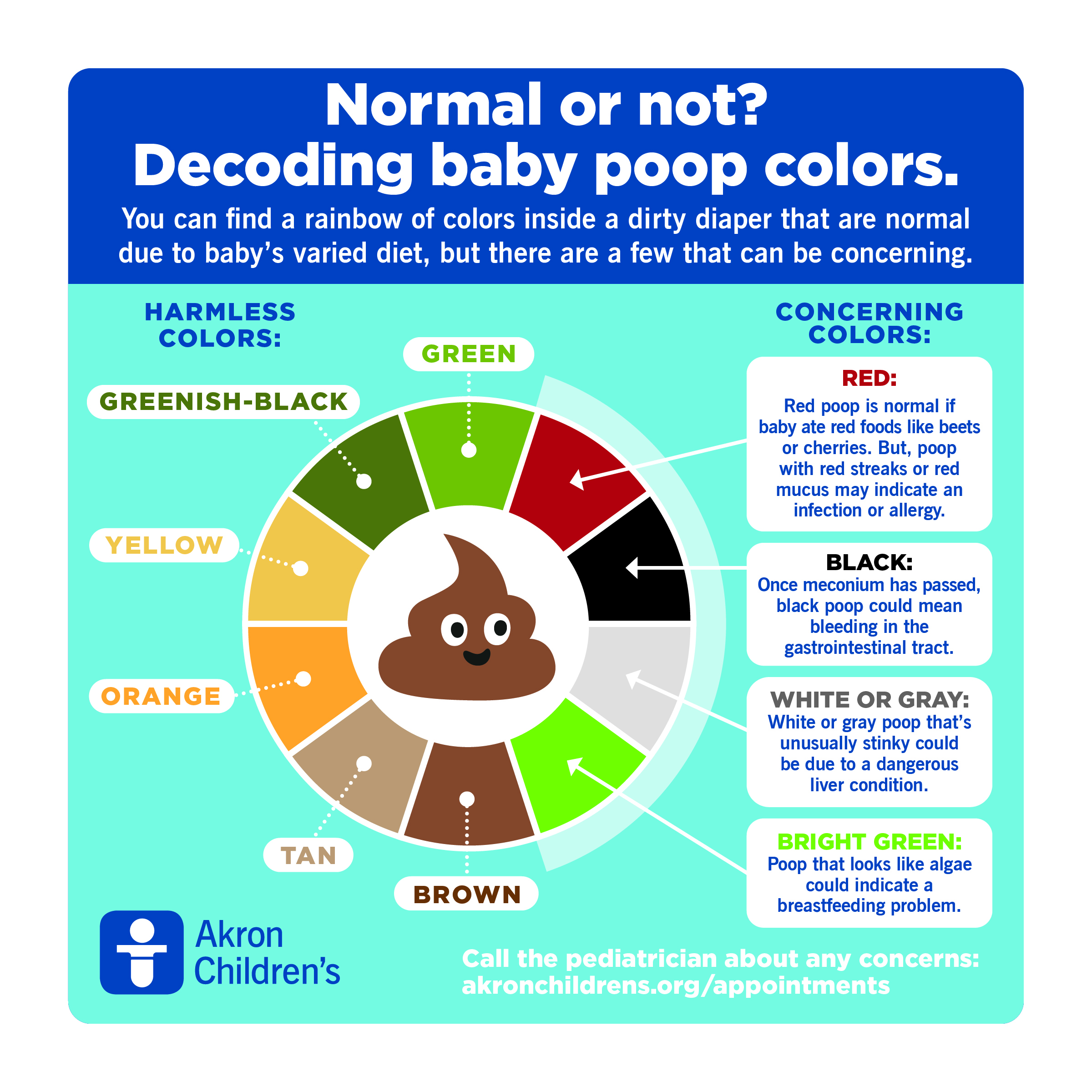
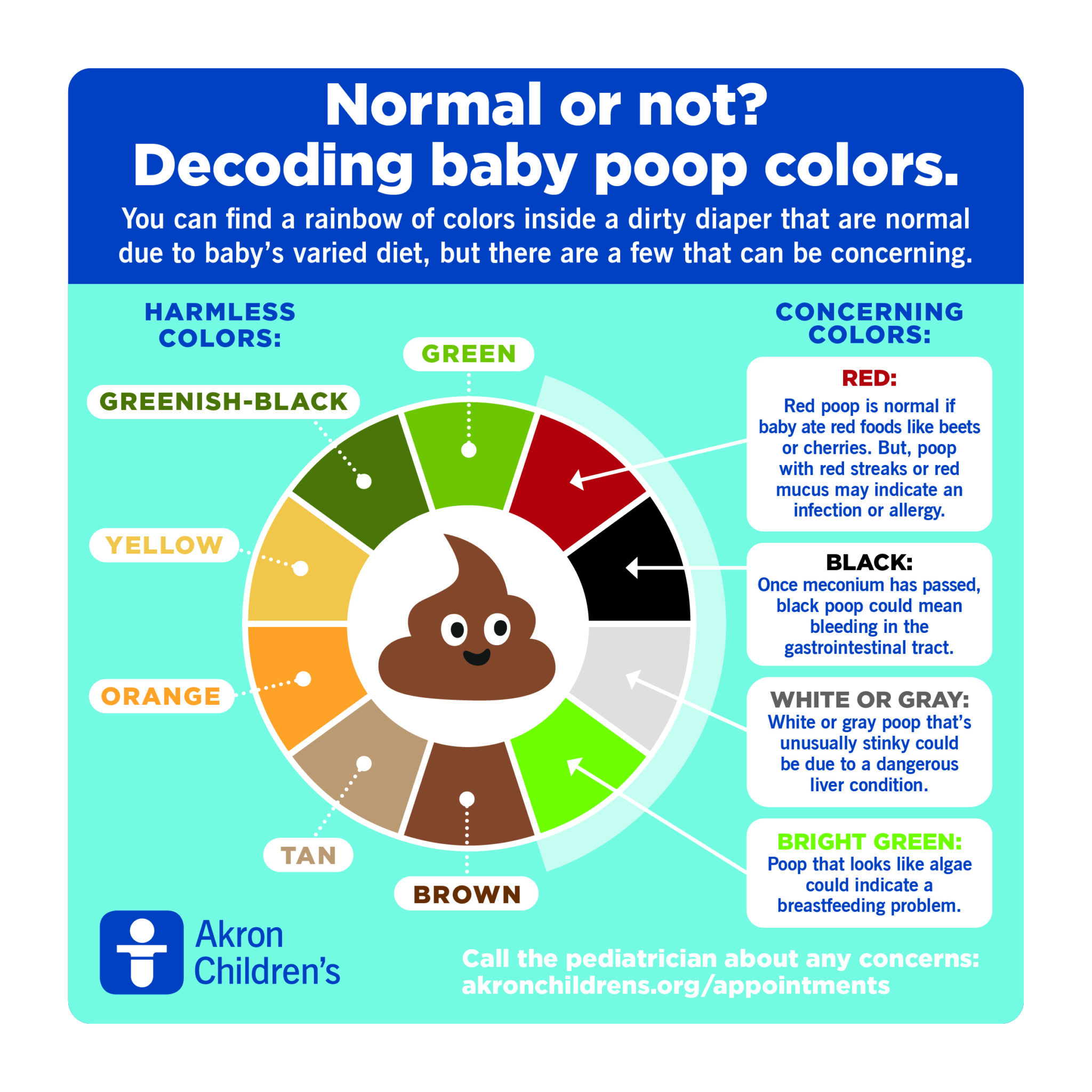
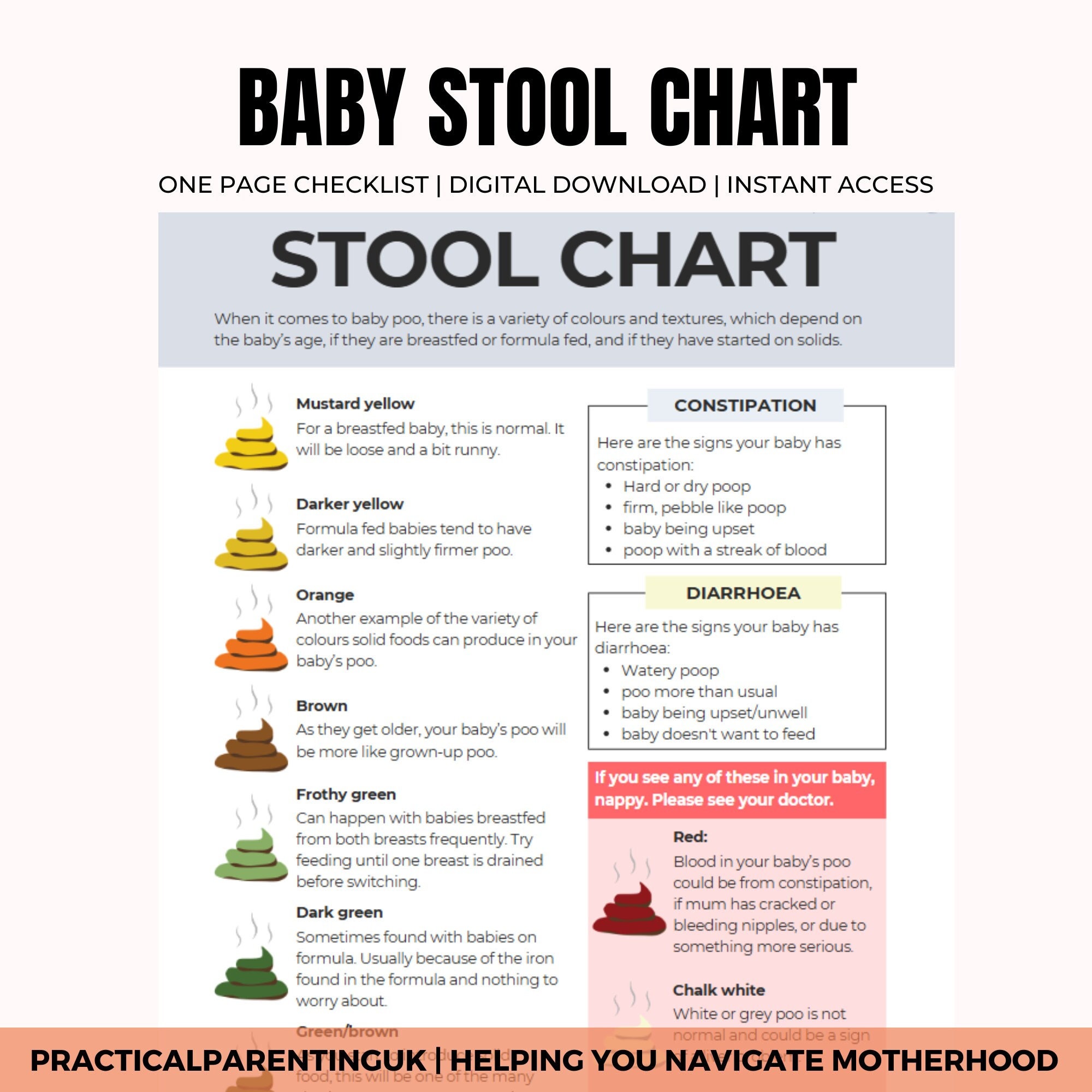
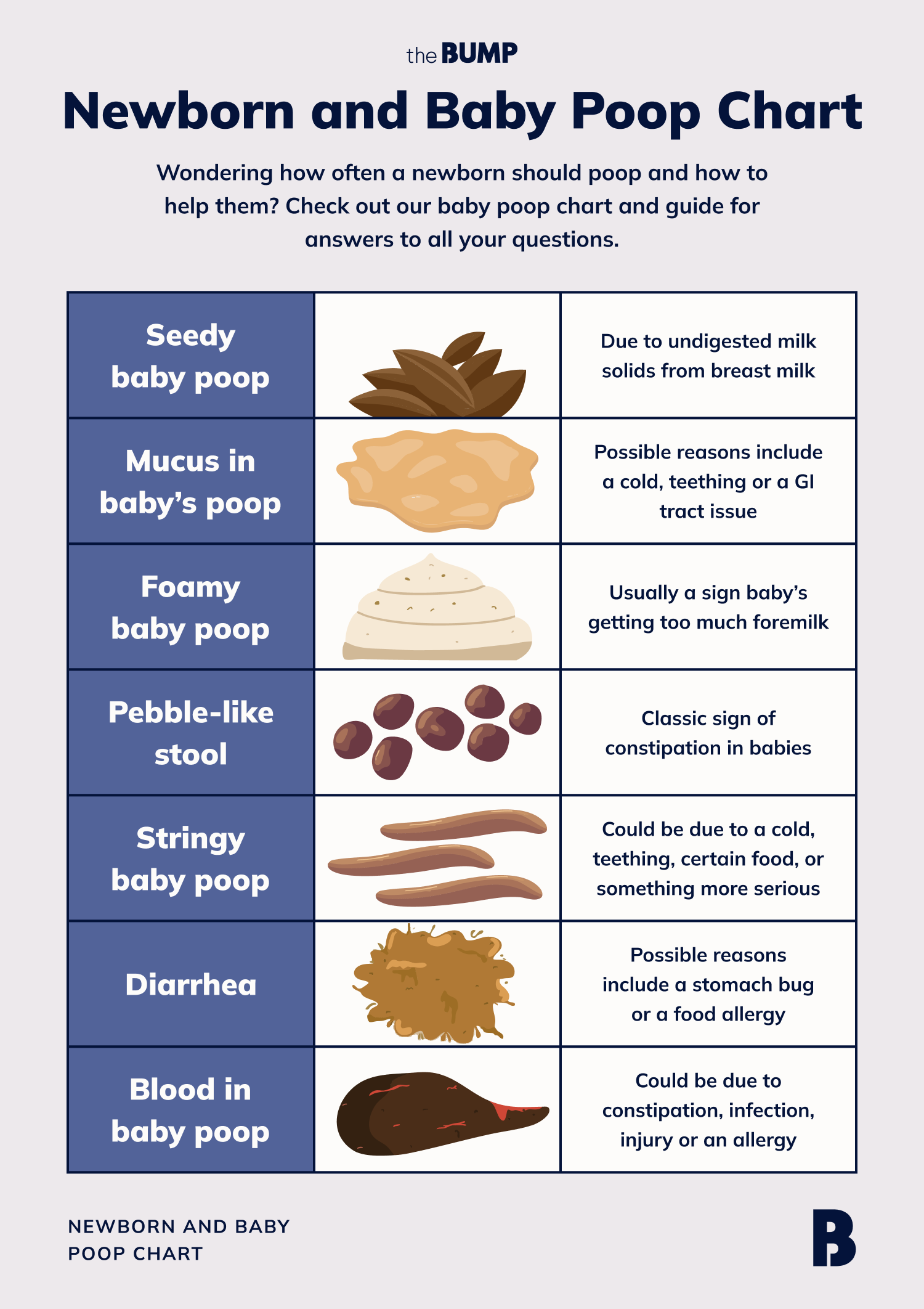
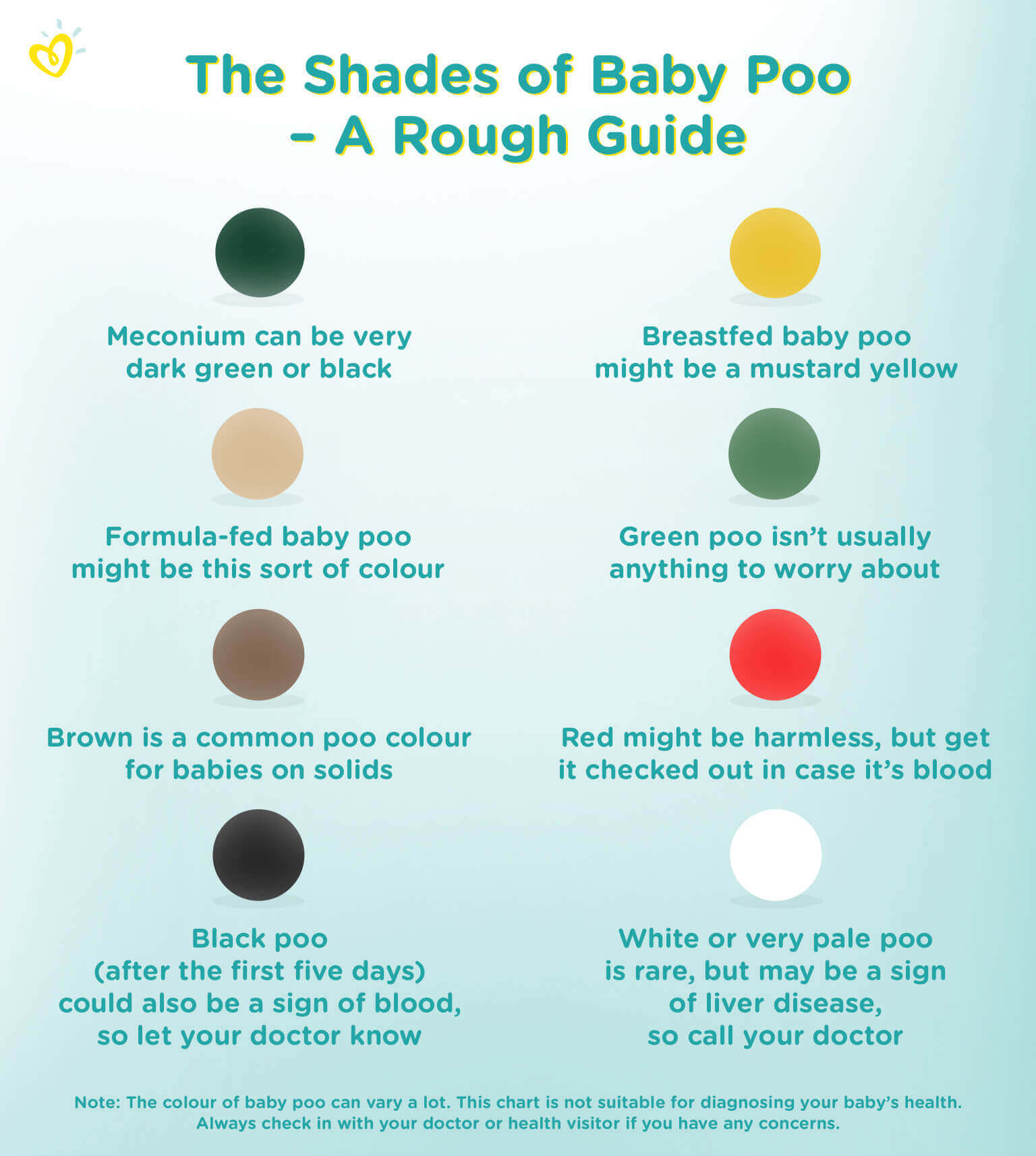
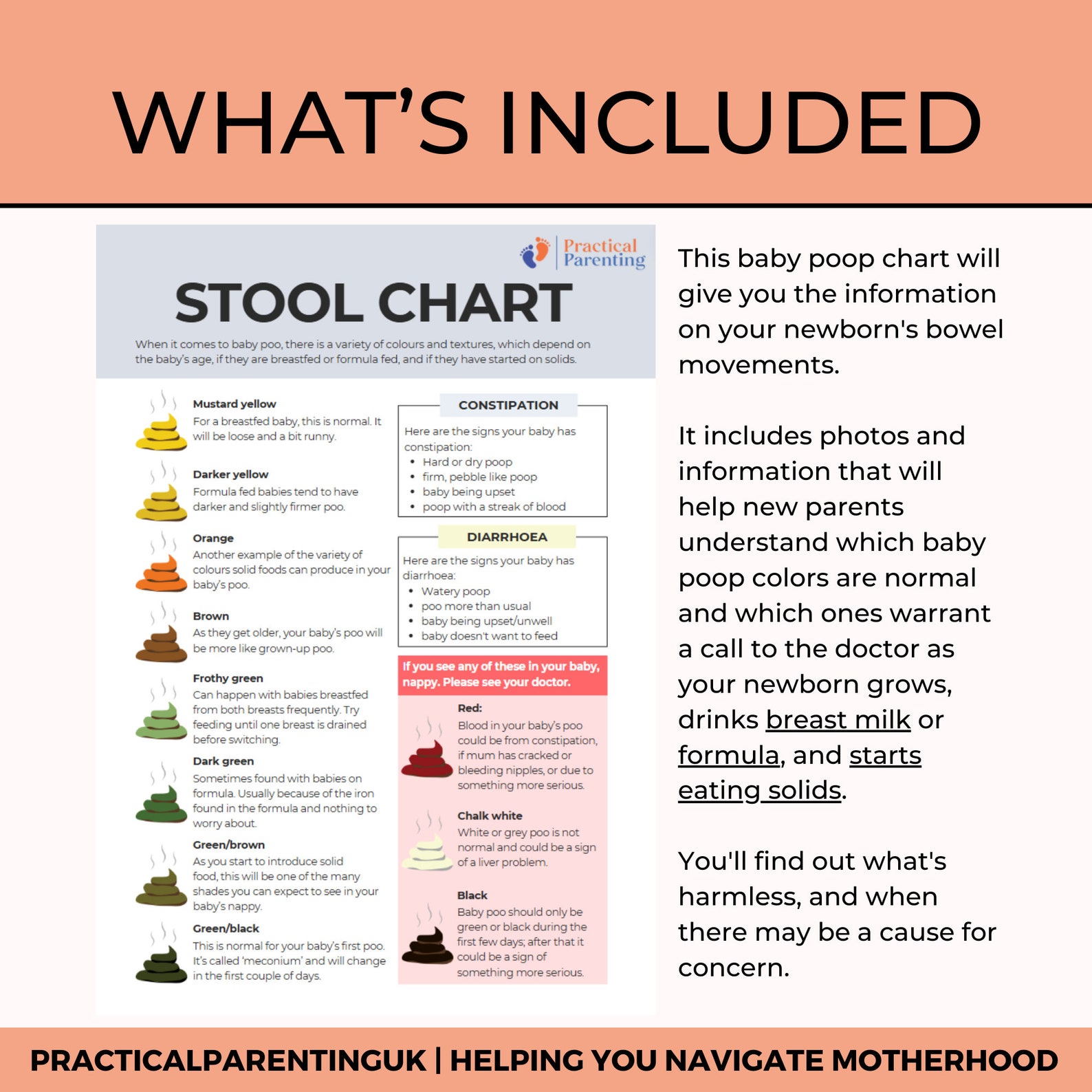
A baby poop chart is a handy tool for parents, offering a simple visual guide to understanding your little one's nappy business. This guide will give you the lowdown on how to interpret these charts and what they can tell you about your baby's health and diet. From meconium to breast milk poop and formula poop, we'll cover it all, ensuring you know what to look for and when to seek advice.
Understanding the Baby Poop Chart: A Quick Overview
The baby poop chart is a handy tool for parents to understand their little one's digestion and health. It provides a visual guide to help identify normal and abnormal poop patterns, ensuring you can spot any potential issues early on. This chart is a simple yet effective way to track your baby's progress and keep an eye on their overall well-being.
Comparing Poop Patterns: Typical and Not-So-Typical
The baby poop chart typically categorizes poop based on its color, consistency, and frequency. These categories help parents understand what's considered normal for a newborn and what might indicate an issue. For instance, a green, seedy poop with a paste-like consistency could be a sign of a healthy breastfed baby, while a hard, dry poop might indicate constipation. It's important to note that these categories can vary slightly depending on the baby's age, diet, and individual factors.
How to Use the Baby Poop Chart: A Step-by-Step Guide
Using the baby poop chart is straightforward:
- Observe your baby's poop and note its color, consistency, and frequency.
- Refer to the chart and match these observations to the corresponding category.
- The chart will provide guidance on whether the poop pattern is typical or a cause for concern.
- If you're unsure or notice any significant deviations, consult a healthcare professional for further advice.
Avoiding Misinterpretations: Common Pitfalls and How to Avoid Them
While the baby poop chart is a valuable tool, it's essential to use it correctly to avoid misinterpretations. Here are some common mistakes to watch out for:
- Overlooking individual variations: Every baby is unique, and their poop patterns can differ. Don't panic if your baby's poop doesn't exactly match the chart; it's normal for there to be some variation.
- Ignoring other symptoms: The chart focuses on poop, but it's crucial to consider other symptoms your baby might be displaying. For instance, a change in poop color could be a sign of an infection, so look for other indicators like fever or unusual behavior.
- Relying solely on the chart: While the chart provides a great guide, it's not a substitute for professional medical advice. If you have concerns, always consult a healthcare provider.
Key Factors Affecting Accuracy and Real-World Use
When using the baby poop chart, keep these factors in mind:
- Age: A baby's poop patterns can change as they grow and develop. The chart may need to be interpreted differently for newborns, infants, and toddlers.
- Diet: Breast milk, formula, and solid foods can all impact poop consistency and color. Be mindful of any dietary changes and their potential effects.
- Health conditions: Certain health issues can affect poop patterns. For example, jaundice might cause a change in poop color.
- Medications: Some medications can alter poop consistency and frequency. Always read the side effects and consult a doctor if you notice any changes.
Remember, the baby poop chart is a helpful tool, but it's just one piece of the puzzle. Stay vigilant, trust your instincts, and seek professional advice when needed.
So, there you have it, a handy guide to navigating the world of baby poop charts. It's a simple yet effective tool to have in your parenting toolkit. Remember, while these charts provide a general guide, every baby is unique, so always consider your specific circumstances and consult with healthcare professionals if needed.
Feel free to explore our other resources on related topics. We've got you covered with practical tips and insights to make parenting a little easier and more enjoyable. Happy reading and here's to healthy, happy babies!
Related: Find Your Perfect Fit: Bicycle Size Chart
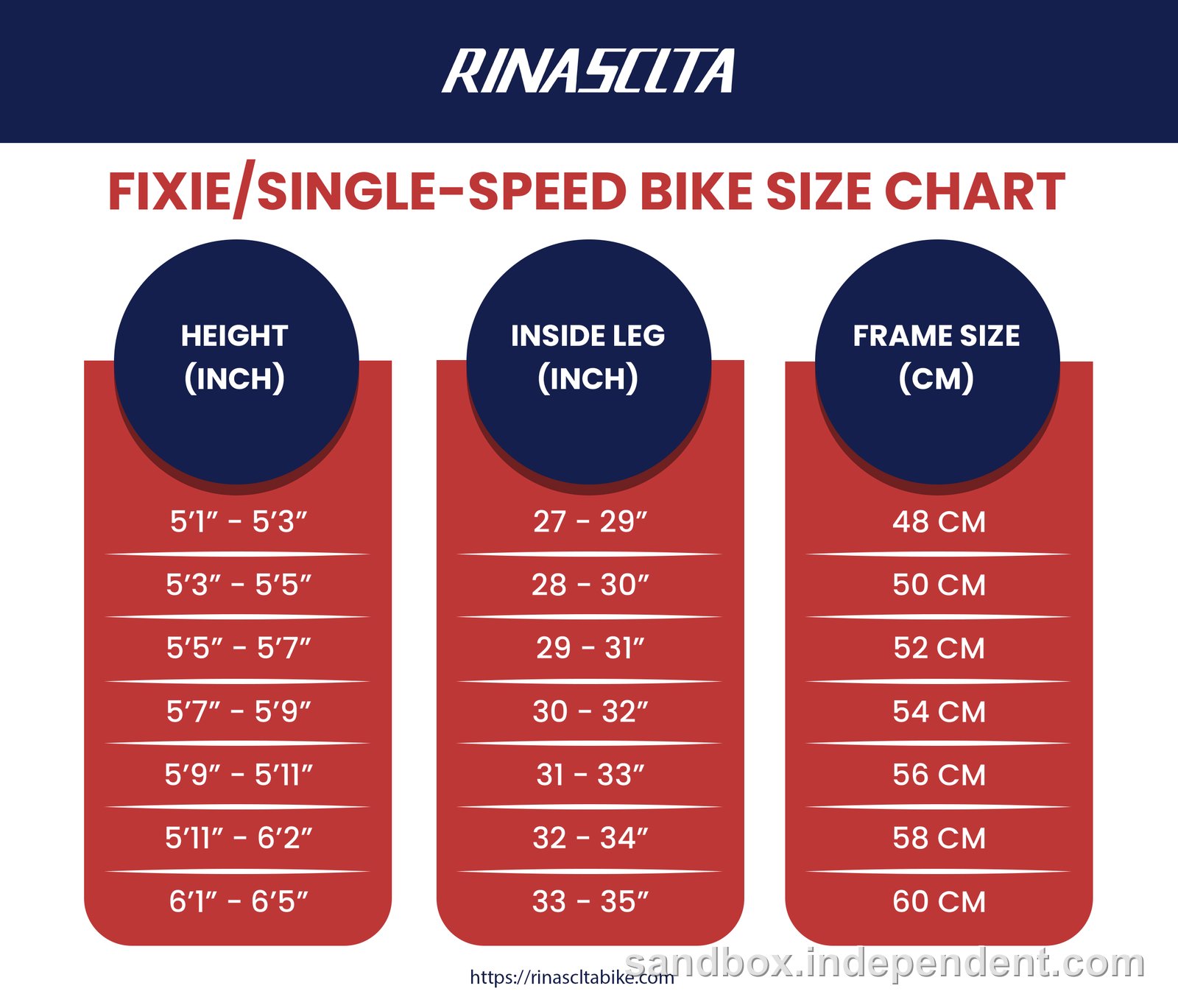
Many people assume that a bicycle size chart is a one-size-fits-all guide, but it's actually a bit more complex than that. While it provides a great starting point, there are various factors to consider when using one. A bicycle size chart is a handy tool, offering a range of measurements and sizes, but it's important to understand that these can vary depending on the type of bike and your personal preferences.
Understanding Bicycle Size Charts
Bicycle size charts are your practical guide to finding the perfect bike fit. These charts help you determine the right frame size and wheel dimensions for your height and riding style.
Key Details and Prerequisites
The bicycle frame size chart typically includes two main measurements: frame size and wheel size. Frame size is usually given in inches or centimeters, referring to the length of the seat tube. Wheel size is also measured in inches, indicating the diameter of the wheel. These charts often provide a range of heights suitable for each frame size, ensuring a comfortable and efficient ride.
Choosing the Right Size: A Step-by-Step Guide
- Start by identifying your height. Most charts will have a height range associated with each frame size.
- Consider your riding style and preferences. Are you a casual rider, a road warrior, or a mountain adventurer? Different styles require different frame geometries and wheel sizes.
- Check the bike sizing guide for your specific needs. Some charts may offer separate recommendations for road bikes, mountain bikes, or hybrid models.
- Measure your inseam length. This measurement is crucial for determining the right seat tube length and ensuring you have enough clearance between the top tube and your body.
- Use the bicycle size chart to cross-reference your height, riding style, and inseam length. This will give you a precise frame size recommendation.
- Don't forget to consider the wheel size. The right wheel size ensures optimal handling and performance.
Variations and Common Mistakes
When using a bicycle size chart, it's important to remember that variations exist due to different international standard measurements and manufacturer preferences. Here are some key factors to consider:
- Road bike dimensions may differ slightly from mountain bike sizing, so be sure to consult the appropriate chart.
- Some charts use imperial units (inches), while others use metric (centimeters). Ensure you're using the correct chart for your region or preferences.
- Rider preferences and comfort levels can also influence the chosen size. Some riders may prefer a more upright position, while others opt for a more aggressive, stretched-out posture.
- Always double-check the exact specifications provided by the manufacturer for your specific bike model, as slight variations can occur.
Remember, a well-fitted bike enhances your riding experience and prevents discomfort or injuries.
Well, that's a wrap on our bicycle size chart guide! We've covered the basics, from understanding the key measurements to learning how to use the chart effectively. Remember, when it comes to finding the perfect bike size, it's essential to consider your unique needs and preferences.
So, before you hit the road, take a moment to ensure you've got the right size for your next cycling adventure. Bookmark this page for future reference, and you'll always have a handy guide to refer back to. Happy cycling!