

Wire Fill Chart 2026 Overview
A kitten age chart is a handy tool for any cat lover or owner, offering a quick glimpse into a kitten's growth and development. This guide will cover the essentials, providing you with the knowledge to interpret and utilize a kitten age chart effectively.
From weeks to months, these charts outline standard milestones and common development stages, giving you an overview of your kitten's progress. While values may vary slightly depending on factors like breed and region, the charts offer a reliable reference point for cat enthusiasts and owners alike.
Understanding the Kitten Age Chart
The kitten age chart is a valuable tool for cat owners and enthusiasts, offering a visual representation of a kitten's growth and development over time. This chart provides a practical guide to understanding a kitten's age and the associated milestones.
Key Details and Categories
The kitten age chart typically presents age in weeks or months, with corresponding physical and behavioral changes. It covers a kitten's journey from birth to adulthood, usually up to one year. The chart may vary slightly depending on the standard used, but it generally follows a consistent format.
Reading and Applying the Chart
To use the kitten age chart accurately, follow these steps:
- Identify the age of your kitten in weeks or months.
- Locate the corresponding age range on the chart.
- Review the physical and behavioral characteristics listed for that age range.
- Compare these characteristics to your kitten's development.
- Note any significant variations or delays, which may indicate the need for veterinary attention.
For instance, a four-week-old kitten should be gaining weight steadily, with eyes and ears opening, and initial attempts at walking. By eight weeks, kittens should be fully weaned and showing more independence.
Variations in Growth
It's important to note that every kitten is unique, and growth rates can vary. Factors such as breed, nutrition, environment, and overall health can influence a kitten's development. Here are some key variations to consider:
- Breed: Different cat breeds have distinct growth patterns. For example, larger breeds may take longer to reach maturity.
- Nutrition: A well-balanced diet is crucial for healthy growth. Malnutrition can lead to stunted development.
- Environment: A stimulating and safe environment promotes healthy growth. Stress or lack of stimulation can impact a kitten's development.
- Health: Underlying health issues can affect growth. Regular veterinary check-ups are essential to identify and address any concerns.
Remember, the kitten age chart provides a general guide, and individual kittens may develop at their own pace. If you have concerns about your kitten's growth, consult a veterinarian for personalized advice.
Remember that while this chart provides a great starting point, the exact details may differ slightly based on your kitten's unique development and the specific guidelines you follow. Every kitten is an individual, so keep an eye on their progress and adjust your expectations accordingly.
Feel free to explore our other guides for more practical tips and insights into the wonderful world of kitten care. You'll find a wealth of information to support you and your furry friend through every stage of their growth and development.
Related: Suit Size Chart: A Quick Reference Guide
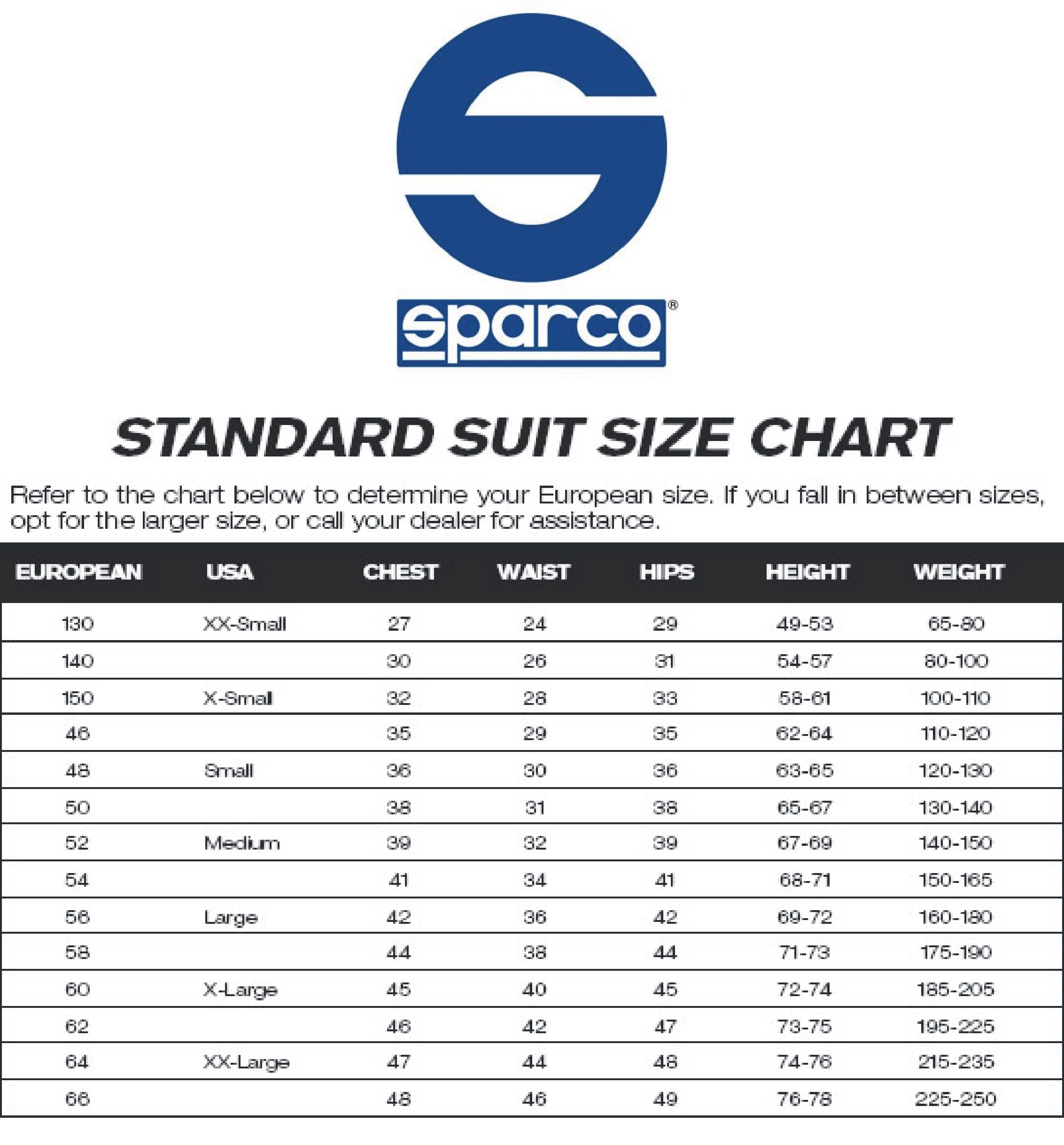
You're likely here because you need a suit size chart to ensure a perfect fit, and you're right to prioritize this. A well-fitted suit is essential, and having an accurate reference is key. The chart provides a simple yet effective way to determine your size, whether you're measuring yourself or referring to a tailor's guide. It's a straightforward process, but it's worth noting that sizing can vary slightly, depending on the brand and your personal preferences. With a quick glance at the suit size chart, you can navigate the differences and find the right measurements for a suit that flatters your figure.
Understanding the Suit Size Chart: A Quick Overview
The suit size chart is an essential tool for anyone looking to purchase or tailor a suit. It provides a standardized guide to help you find the perfect fit for your body type and preferences. This chart offers a simple yet effective way to determine your suit size, ensuring a comfortable and stylish look.
Comparing Suit Size Chart Standards and Formats
Suit size charts can vary slightly depending on the region and standard being used. The most common standards are the US and EU systems, each with its own measurement units and categories. The US system typically uses inches, while the EU system employs centimeters. It's crucial to know which standard you are referring to when using a size chart.
The charts often include categories such as chest size, waist size, and jacket length, providing a comprehensive guide for both the jacket and pants. These categories are further divided into specific measurements, ensuring a precise fit. For instance, the chest size may be categorized into small, medium, and large, with corresponding numerical ranges.
Taking Accurate Measurements: A Step-by-Step Guide
To use the suit size chart accurately, follow these steps:
- Gather a measuring tape and a mirror. Ensure the tape is flexible and can conform to your body's curves.
- Measure your chest size by wrapping the tape around your chest at the widest point, usually just below your armpits. Record this measurement.
- Determine your waist size by measuring the narrowest part of your waist. This measurement is crucial for a well-fitted jacket and pants.
- For jacket length, measure from the base of your neck to where you want the jacket to end. This measurement ensures the jacket's length suits your preference and body type.
- Compare your measurements to the suit size chart's categories and ranges. Choose the size that best aligns with your measurements for a comfortable and stylish fit.
Common Misreadings and How to Avoid Them
Misinterpreting the suit size chart is common, especially when dealing with different standards and measurement units. Always ensure you are using the correct standard for your region or the manufacturer's specifications.
Another pitfall is assuming that one size fits all. Suit sizes can vary between brands and styles, so it's essential to double-check the exact specifications, especially when ordering online. Additionally, remember that the chart provides a guide, and slight variations are normal.
Key Factors Affecting Accuracy and Real-World Use
- Suit measurement guide: Ensure you follow the guide accurately, taking precise measurements.
- Common size variations: Suit sizes can differ between brands, so always check the manufacturer's size guide.
- Pant waist size: This measurement is crucial for a comfortable fit and should be considered carefully.
- Standard suit sizing: While charts provide a standard, individual body shapes and preferences may require adjustments.
- Cm to inches conversion: If you are used to one unit of measurement, ensure you understand the conversion when referring to a different standard.
Adapting the Chart for Your Specific Needs
The suit size chart is a versatile tool, and you can adapt it to suit your preferences and body type. If you prefer a more tailored look, you can use the chart as a starting point and make adjustments based on your measurements.
For instance, if you have a broader chest and a narrower waist, you may need to size up for the jacket and size down for the pants. The chart provides a foundation, but it's essential to consider your unique body shape and style choices.
Remember, the perfect suit fit is a combination of accurate measurements and personal preference. With the right suit size chart and a little tailoring, you can achieve a stylish and comfortable look.
Remember, while this guide offers a comprehensive overview, the exact details can vary slightly across different sources and standards. It's always a good idea to refer back to this page for a quick refresh when you need it, and feel free to explore our other guides for more practical tips and insights. Stay organized, and happy measuring!
Related: Guitar Capo Chart: A Quick Reference Guide
Many guitarists, especially beginners, may mistakenly assume that a guitar capo chart is a complex and daunting tool, but it's actually a simple and incredibly useful reference. This chart, often a straightforward table or diagram, is your guide to understanding guitar capo placement and its impact on your playing. It's a handy resource to have, offering a quick way to visualize and navigate the different capo positions and their corresponding effects.
Understanding the Guitar Capo Chart
A guitar capo chart is a valuable tool for guitarists, offering a visual representation of how a capo affects the pitch and key of a guitar. It provides a quick reference guide to help musicians understand the relationship between capo placement and the resulting musical changes. This chart is particularly useful for those exploring different keys and tunings or experimenting with song arrangements.
Capo Types and Standards
There are various capo types, each designed for specific guitar models and playing styles. Standard capo sizes and designs cater to the most common guitar neck profiles, while specialized capos offer unique features like quick-release mechanisms or adjustable tension. The capo fret chart typically displays these different capo positions, showing how they raise the pitch and change the key.
Using the Capo Chart: A Step-by-Step Guide
To utilize the guitar capo fretboard chart effectively, follow these steps:
Identify the desired key change. Let's say you want to play a song in the key of G but find the chords too challenging.
Refer to the chart and locate the current key (e.g., C) and the desired key (G) on the key scale.
Find the corresponding fret number where the capo should be placed. In this case, placing the capo at the 2nd fret will transpose the guitar to the key of G.
Position the capo at the indicated fret, ensuring a snug fit to maintain the guitar's intonation.
Experiment with the new key and adjust your playing style as needed.
Avoiding Common Misunderstandings
While the guitar capo guide is straightforward, some misunderstandings can arise:
Capo Fretboard Position: Ensure the capo is placed at the correct fret. Misreading the chart can lead to an incorrect key change.
Key Transposition: Remember that the capo does not change the notes themselves; it simply alters the guitar's open strings, effectively transposing the entire instrument.
Guitar Model: Different guitar models may have variations in neck width and fret spacing, so double-check your guitar's specifications to ensure accurate capo placement.
Factors Affecting Accuracy
Several key factors can influence the accuracy of the guitar capo placement:
Guitar Type: Acoustic, electric, and classical guitars may have slight variations in neck shape and fret spacing.
Capo Design: Different capo types offer varying degrees of precision and ease of use.
Guitar Neck: The condition and setup of the guitar neck, including action and intonation, can affect the capo's performance.
String Gauge: Thicker strings may require a tighter capo grip, while lighter strings may need a looser fit.
Playing Style: The capo's position can impact playing comfort and technique, especially for complex chord shapes or fast strumming.
Adapting the Capo Chart for Specific Needs
While the guitar capo key chart provides a standard reference, guitarists may need to adapt it for specific situations:
Custom Tunings: If you use alternative tunings, you may need to create a customized capo chart or adjust the existing one to reflect the new tuning's key relationships.
Non-Standard Guitars: Guitars with unique neck shapes or wide fretboards may require a modified capo chart or a specialized capo design.
Playing Style Preferences: Some guitarists prefer a specific capo placement for certain songs or playing techniques, even if it differs from the standard chart.
Remember, when it comes to guitar capo charts, the specifics might differ slightly based on your unique circumstances. Every guitarist has their own preferences and playing style, so adapt these charts to suit your needs.
Feel free to explore our other guides and resources for more insights and tips. We've got a range of topics covered, so you can continue your musical exploration and find the information that resonates with you. Happy strumming!