



Wood Btu Chart Free Printable Overview
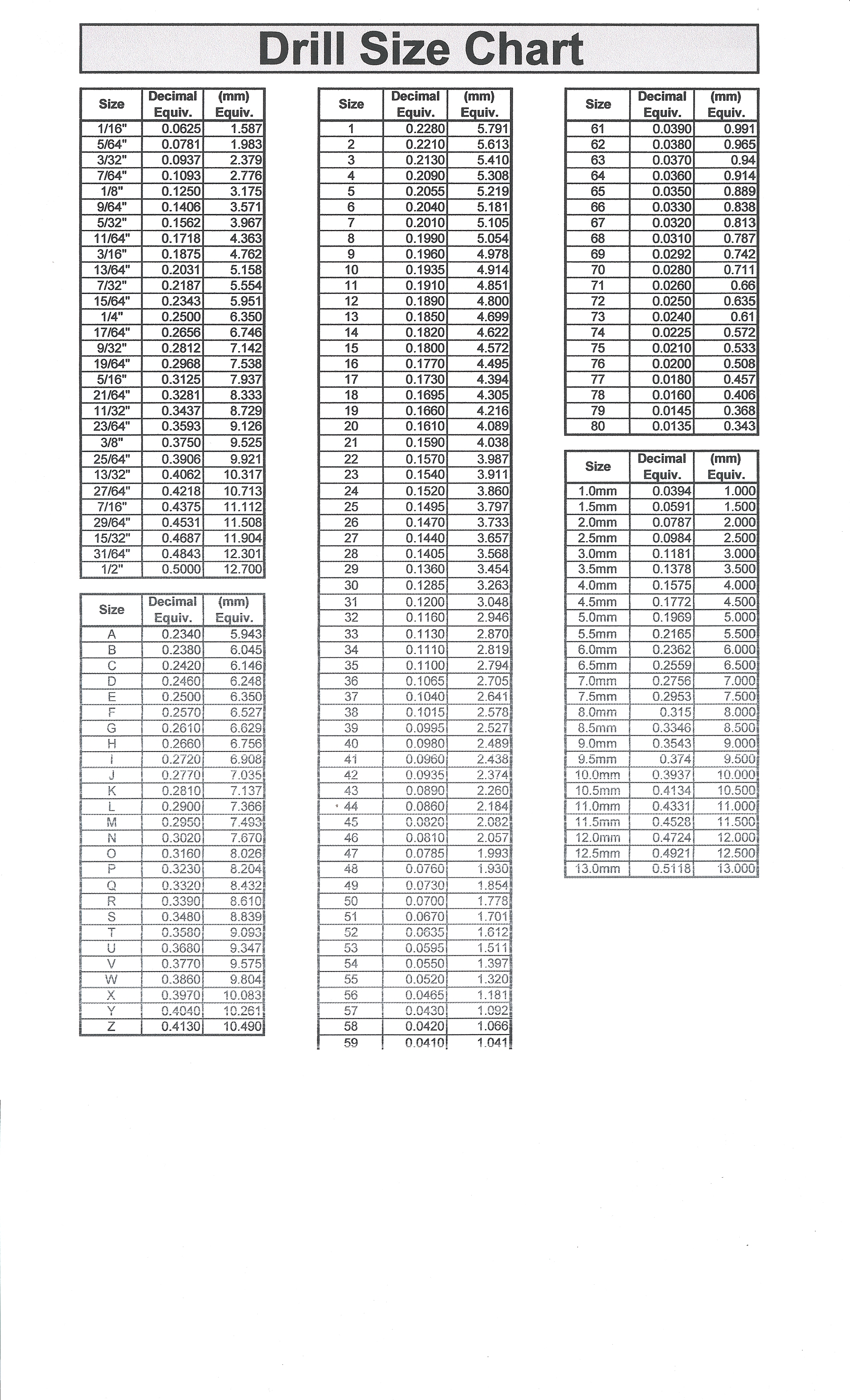
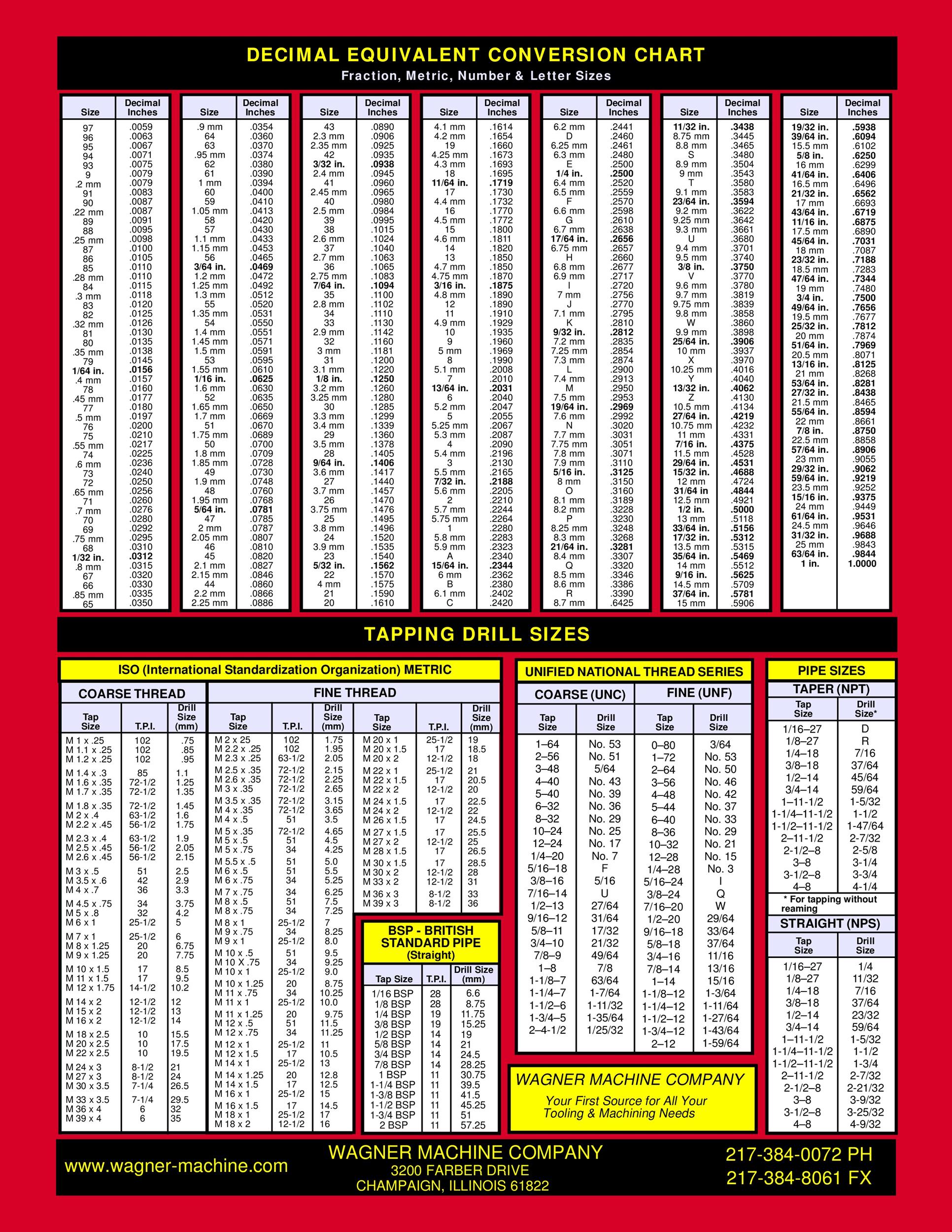
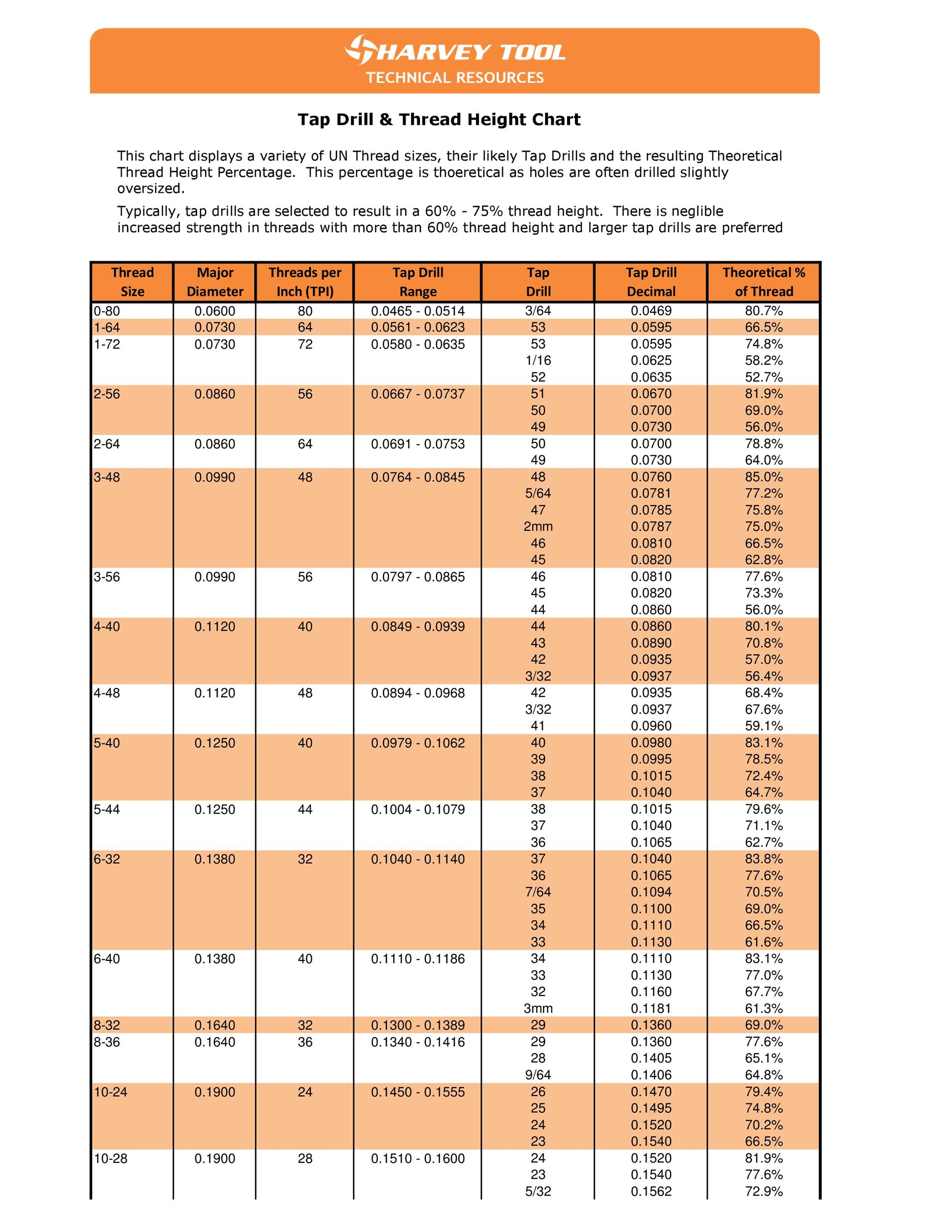
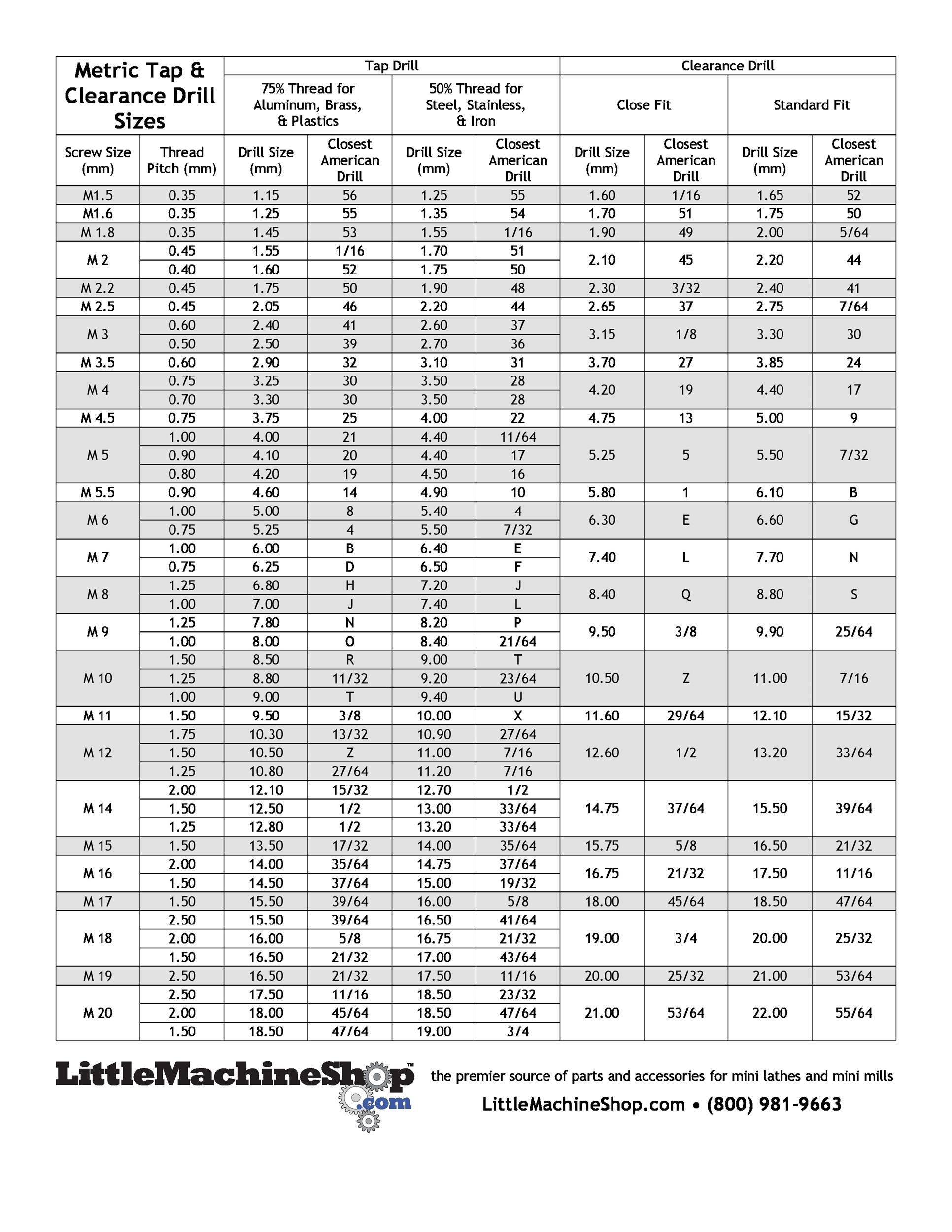
Many folks tend to overlook the drill tap chart, assuming it's just a simple table, but it's a powerful tool with a hidden depth. This chart is a handy reference, often overlooked, yet it holds the key to precise drilling and tapping, ensuring your projects are spot on. While it may seem straightforward, there's more to it than meets the eye, and understanding its nuances is crucial for accurate results.
Understanding the Drill Tap Chart
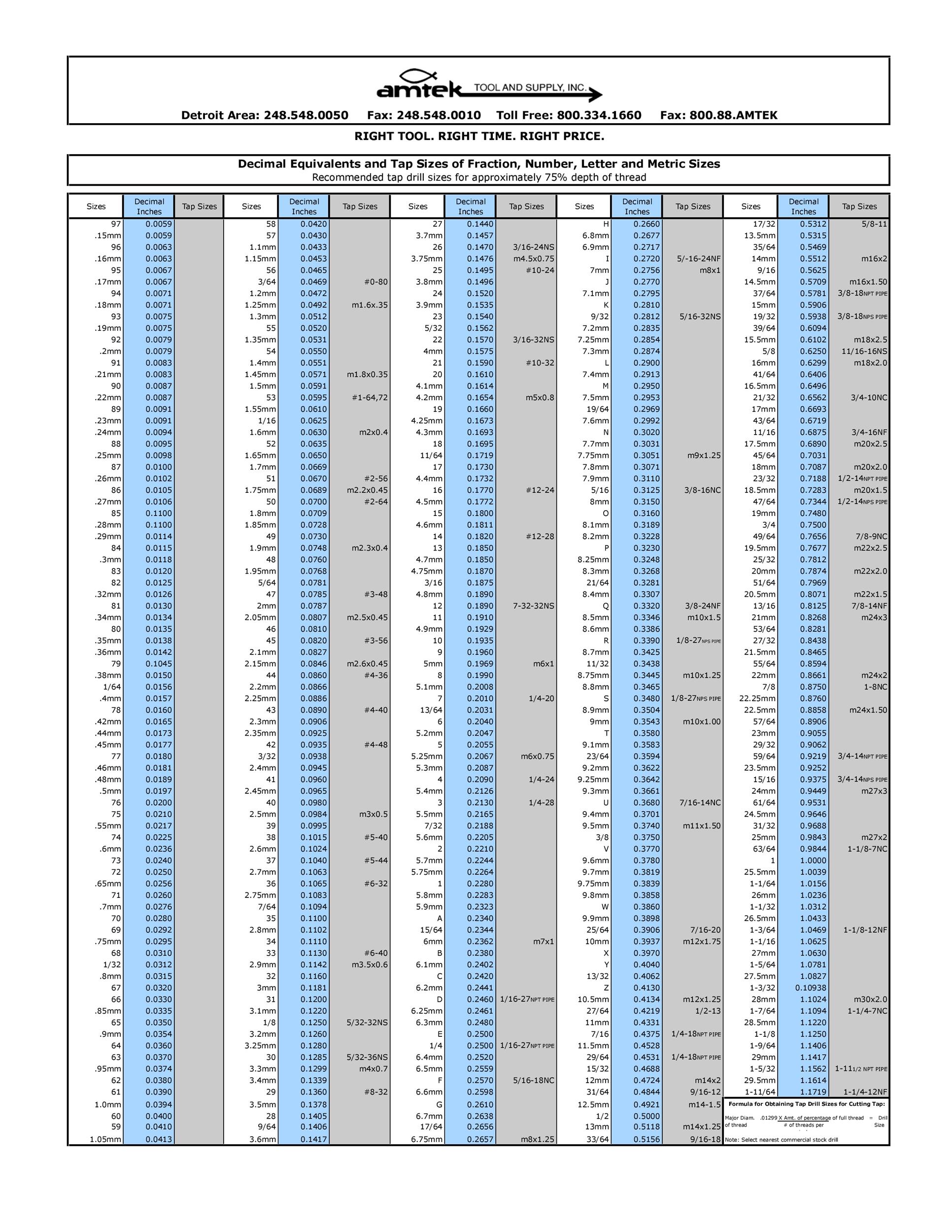
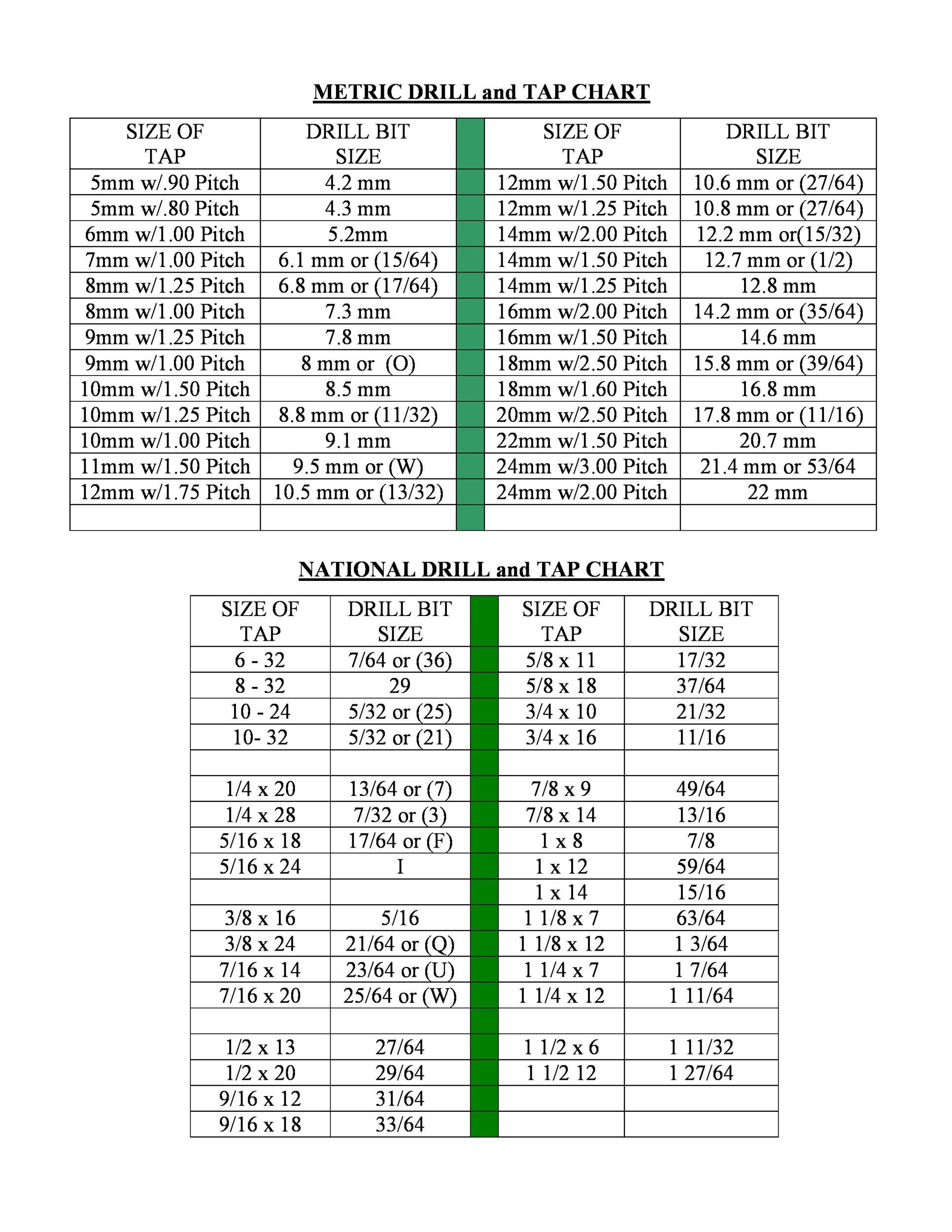
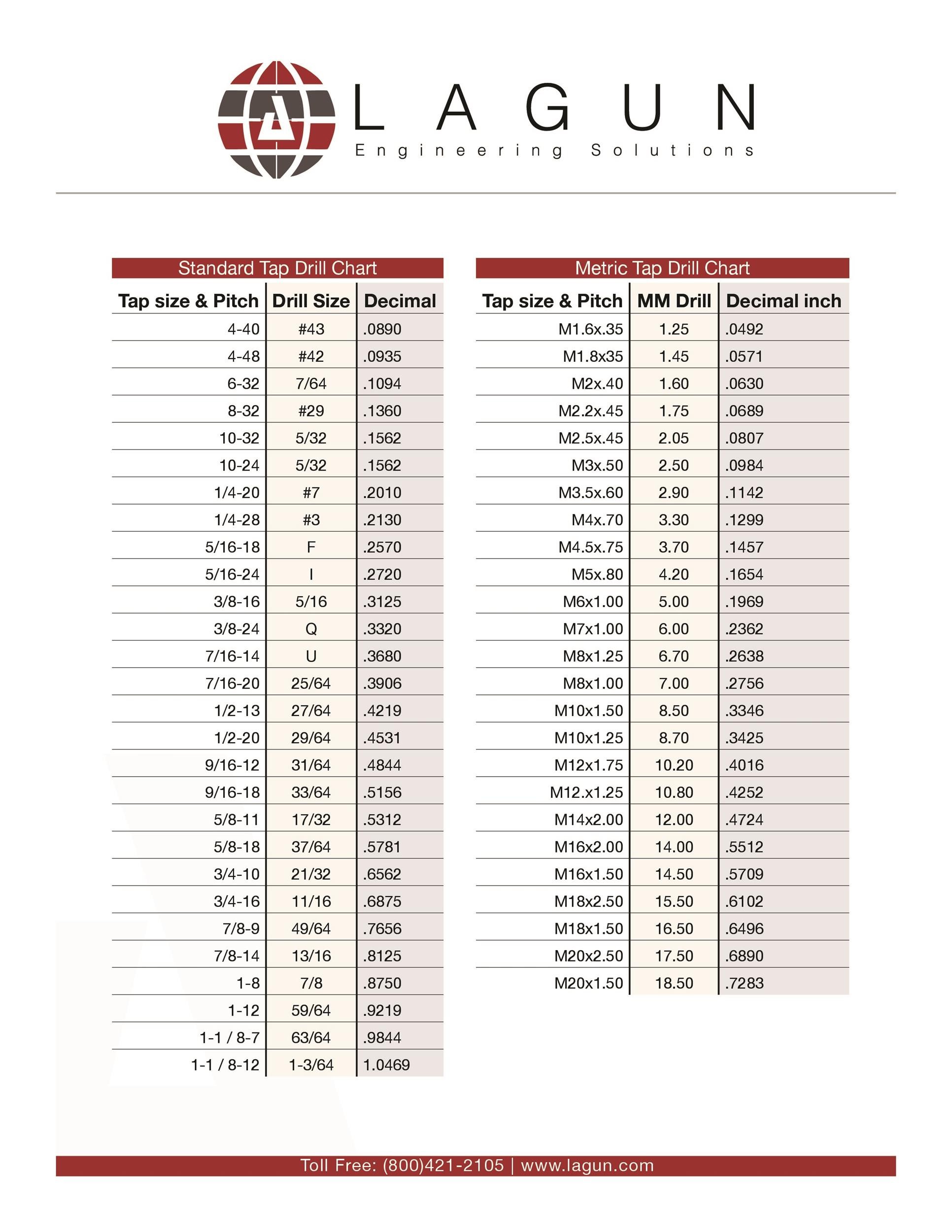
The drill tap chart is a handy reference tool for anyone working with drills and taps. It provides a quick guide to selecting the right drill bit size for a specific tap size, ensuring a secure and efficient fit. This chart is a valuable resource for professionals and hobbyists alike, offering a simple way to determine the correct drill bit diameter needed to create the perfect thread for your tap.
Key Details and Categories
The drill tap chart typically displays two main categories: drill bit sizes and corresponding tap sizes. These sizes are usually presented in standard measurements, such as inches or millimeters, depending on the region and the standard being followed. The chart provides a clear, visual representation of the relationship between drill bit and tap sizes, making it easy to identify the appropriate drill bit for a given tap.
How to Read and Use the Chart
Using the drill tap chart is straightforward. Here's a step-by-step guide:
Identify the tap size you require for your project. This information is usually available on the tap packaging or can be found in the product specifications.
Locate the tap size on the chart. The tap size is typically listed on the left side of the chart, with corresponding drill bit sizes displayed across the top or in a separate column.
Find the intersection of the tap size and the drill bit size column. This intersection point indicates the recommended drill bit size for that particular tap.
Select the appropriate drill bit based on the chart's recommendation. Ensure you choose a drill bit with the correct diameter to achieve a precise and secure fit.
Double-check the tap drill size calculator or consult the chart again if you need to confirm the size for a specific tap. It's always a good practice to verify, especially for critical applications.
Variations and Differences
While drill tap charts provide a standardized guide, variations can occur due to different standards and regions. For instance, the metric drill tap chart may have slightly different values compared to the imperial (inch) chart. Additionally, some manufacturers might offer their own charts with specific recommendations, especially for unique or specialized tap designs. It's essential to be aware of these variations and refer to the appropriate chart for your specific needs and region.
Common Mistakes and How to Avoid Them
One common mistake is assuming that all drill tap charts are universal. Always ensure you are using the correct chart for your region and standard. Another pitfall is neglecting to verify the tap drill size calculator or chart for specific tap designs. Some taps, especially those with unique thread profiles, may require a slightly different drill bit size than what is commonly recommended. To avoid these issues, always double-check the exact specifications and consult the relevant charts or calculators for your specific application.
Well, there you have it! A drill tap chart is a handy tool to have in your back pocket, offering a quick and easy reference for your drilling and tapping needs. It's a simple concept but one that can save you time and ensure accurate results.
Remember, while these charts provide a great starting point, exact values can vary slightly depending on your specific context and the standard you're working with. So, always double-check your requirements before you begin. Consider this article your go-to guide; bookmark it for future reference, and you'll never be lost for the right drill tap info again!
Related: Need a Lacoste Size Chart?
When it comes to shopping for Lacoste clothing, having a reliable Lacoste size chart at hand is essential. This guide will provide you with the tools to navigate and understand the size charts accurately, ensuring a perfect fit every time. Whether you're after a men's polo shirt or a women's dress, knowing how to interpret size guides is key.
Understanding the Lacoste Size Chart
The Lacoste size chart is a valuable tool for anyone looking to purchase clothing from this iconic brand. It provides a clear guide to help you find your perfect fit, ensuring a comfortable and stylish experience. This chart offers a standardized sizing system, making it easy to navigate and understand.
Comparing Size Standards and Formats
Lacoste's size chart follows a straightforward format, typically featuring columns for different clothing categories, such as tops, bottoms, and dresses. Each category further breaks down into specific garment types, like polo shirts or jeans. The chart provides measurements in both centimeters (cm) and inches, catering to international customers.
Measuring Yourself Accurately: A Step-by-Step Guide
- Start by identifying the clothing category you're interested in, whether it's a men's polo shirt or a women's dress.
- Locate the corresponding section on the Lacoste size chart.
- Measure your body accurately using a flexible tape measure. For tops, measure your chest circumference at the fullest part. For bottoms, measure your waist and hip circumference.
- Compare your measurements to the size chart. Find the row that most closely matches your measurements.
- Consider the fit you prefer. If you like a looser fit, choose a size slightly larger than your exact measurements. For a more tailored look, go for a size that aligns with your measurements.
Common Size Discrepancies and How to Avoid Them
It's important to note that size charts can vary slightly between brands and even within a brand's different collections. While Lacoste's size chart is a reliable guide, there might be minor variations. To ensure an accurate fit, always double-check the specific size guide for the item you're interested in. Additionally, be aware of the standard being used. Lacoste, like many brands, provides measurements in both cm and inches, so ensure you're referencing the correct column. Remember, accurate measuring is key to achieving the perfect fit.
Remember, when it comes to sizing, a little extra care goes a long way. While our guide provides a solid framework, it's always wise to consider your unique needs and preferences. The exact values can vary, so take a moment to ensure you've accounted for any specific requirements you may have.
Feel free to explore our other resources and guides; we've got plenty of practical tips and tools to help you navigate the world of fashion and sizing with ease. Happy browsing!
Related: How to Access the Charter Oak Login?
Charter Oak Login is a handy tool, a simple yet effective way to access valuable information. This guide will show you how to navigate and make the most of this chart, ensuring you can quickly find what you need.
The Charter Oak Login portal offers a straightforward approach to account access, providing an easy-to-use interface for users. With various charts and references available, you'll discover tips and learn about potential variations, ensuring you're prepared for any differences you may encounter.
Accessing the Charter Oak Login Chart
The Charter Oak Login chart is a handy reference tool for anyone looking to access their Charter Oak account. This chart provides a simple and visual guide to the login process, ensuring a smooth and efficient experience. Let's dive into how to make the most of this helpful resource!
Key Details and Prerequisites
Before we begin, it's important to note that the Charter Oak Login chart is designed to provide a general overview and may not cover every specific detail or exception. The chart is a reference, so it's always a good idea to double-check exact specifications or any unique requirements for your account.
The chart typically includes the following categories: username, password, security questions, and their respective answers. These are the key elements needed to log in to your Charter Oak account. The chart provides a clear and organized layout, making it easy to find the relevant information.
Practical Chart Reading and Application
Here's a step-by-step guide on how to use the Charter Oak Login chart effectively:
Locate your username and password. These are usually provided when you first set up your account or can be found in your account settings.
Refer to the chart to confirm the security questions associated with your account. Security questions are an additional layer of protection and are often personalized.
Ensure you have the correct answers to your security questions. These answers are confidential and should be kept secure.
With all the necessary information at hand, you can now proceed to log in to your Charter Oak account. Enter your username, password, and security question answers accurately.
If you encounter any issues, such as incorrect answers or forgotten details, refer back to the chart for guidance. It's a quick and convenient way to refresh your memory.
Variations and Differences
It's important to note that the Charter Oak Login chart may vary depending on the specific account type and region. Different regions may have unique security measures or account access requirements. Here are some key factors to consider:
Account Type: The chart may differ for personal, business, or specialized accounts.
Region: International users may have variations in security questions or language preferences.
Account Age: Older accounts might have different login procedures or security measures compared to newer ones.
Security Protocols: Charter Oak may update its security protocols periodically, leading to changes in the login process.
Common Chart Errors and How to Avoid Them
Here are some common mistakes people make when using the Charter Oak Login chart and some tips to avoid them:
Misreading Security Questions: Always double-check the exact wording of the security questions. Small differences in phrasing can lead to incorrect answers.
Forgetting Password: Regularly update your password and ensure it's stored securely. Consider using a password manager to avoid forgetting complex passwords.
Using Outdated Information: The Charter Oak Login chart may change over time. Always refer to the most recent version to ensure you have the correct and up-to-date information.
Ignoring Account Alerts: Charter Oak may send notifications or alerts regarding changes to the login process. Pay attention to these alerts to avoid any confusion or issues.
Well, there you have it! A simple and practical guide to Charter Oak login, covering all the essentials. Remember, while this guide provides a solid framework, it's always wise to double-check the specific requirements and standards relevant to your context. No two situations are exactly the same, so ensure you've got the right details before you begin.
Feel free to explore our other resources and guides; we've got plenty of helpful content to keep you informed and inspired. Happy reading, and here's to a smooth and successful journey with Charter Oak!