



Wood Btu Chart Template Overview
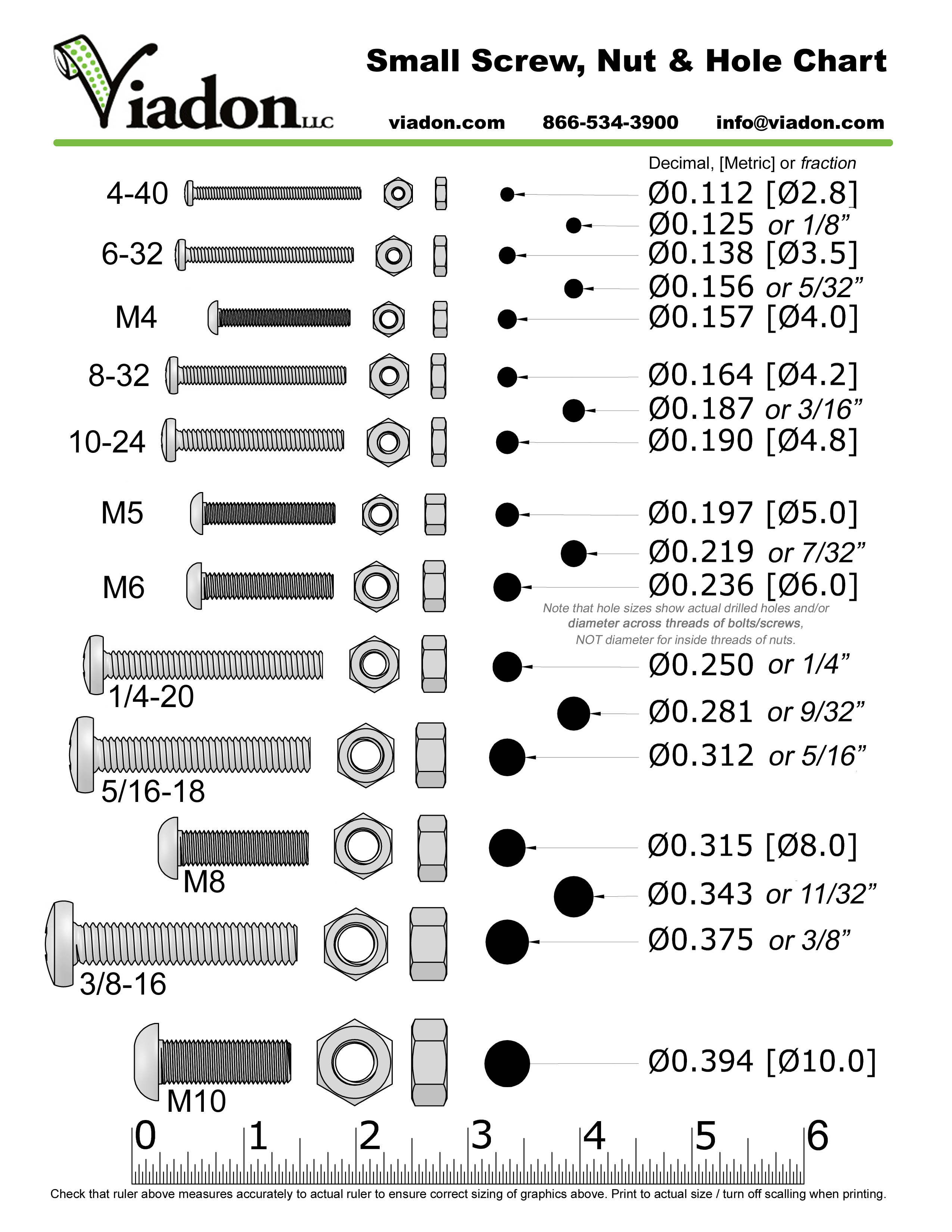
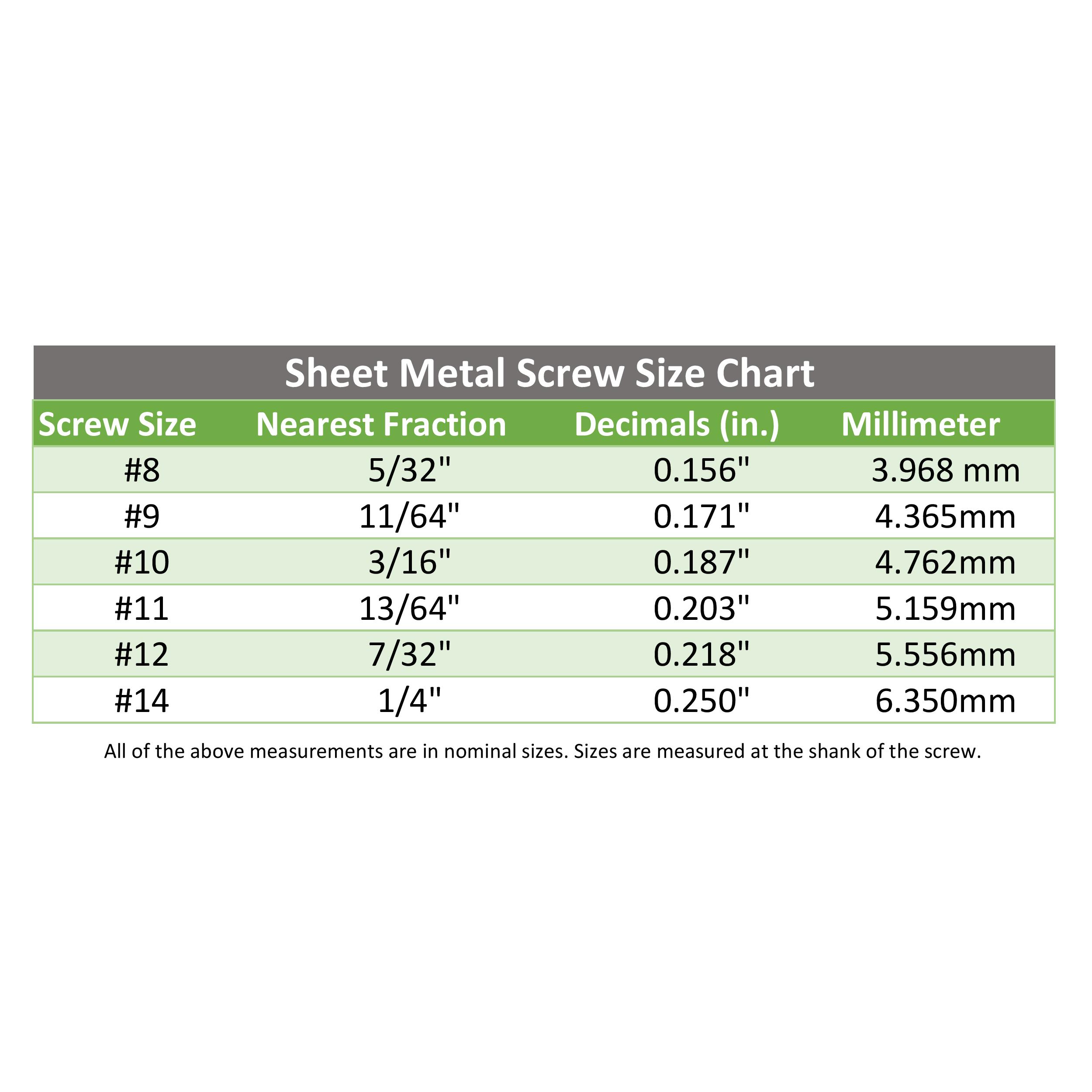
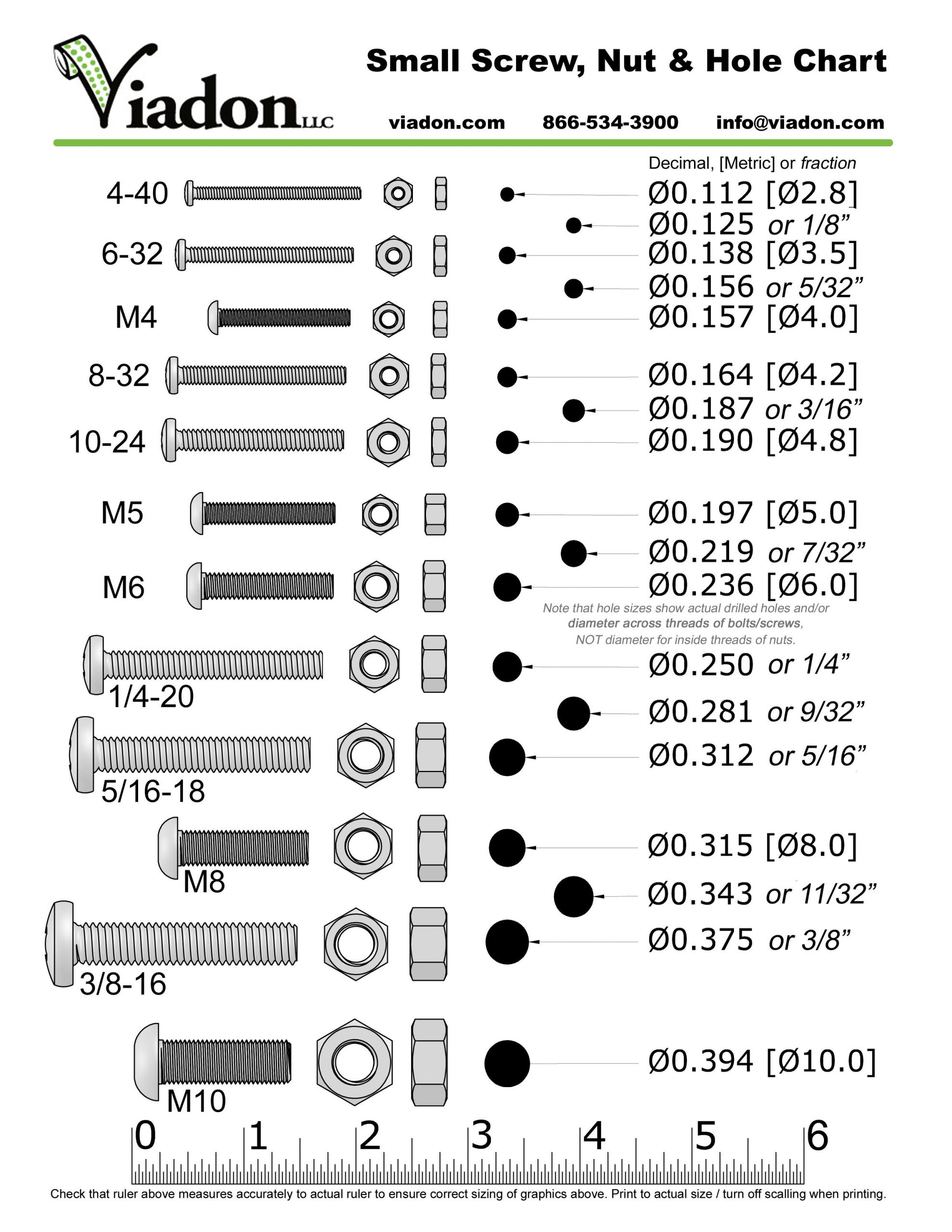
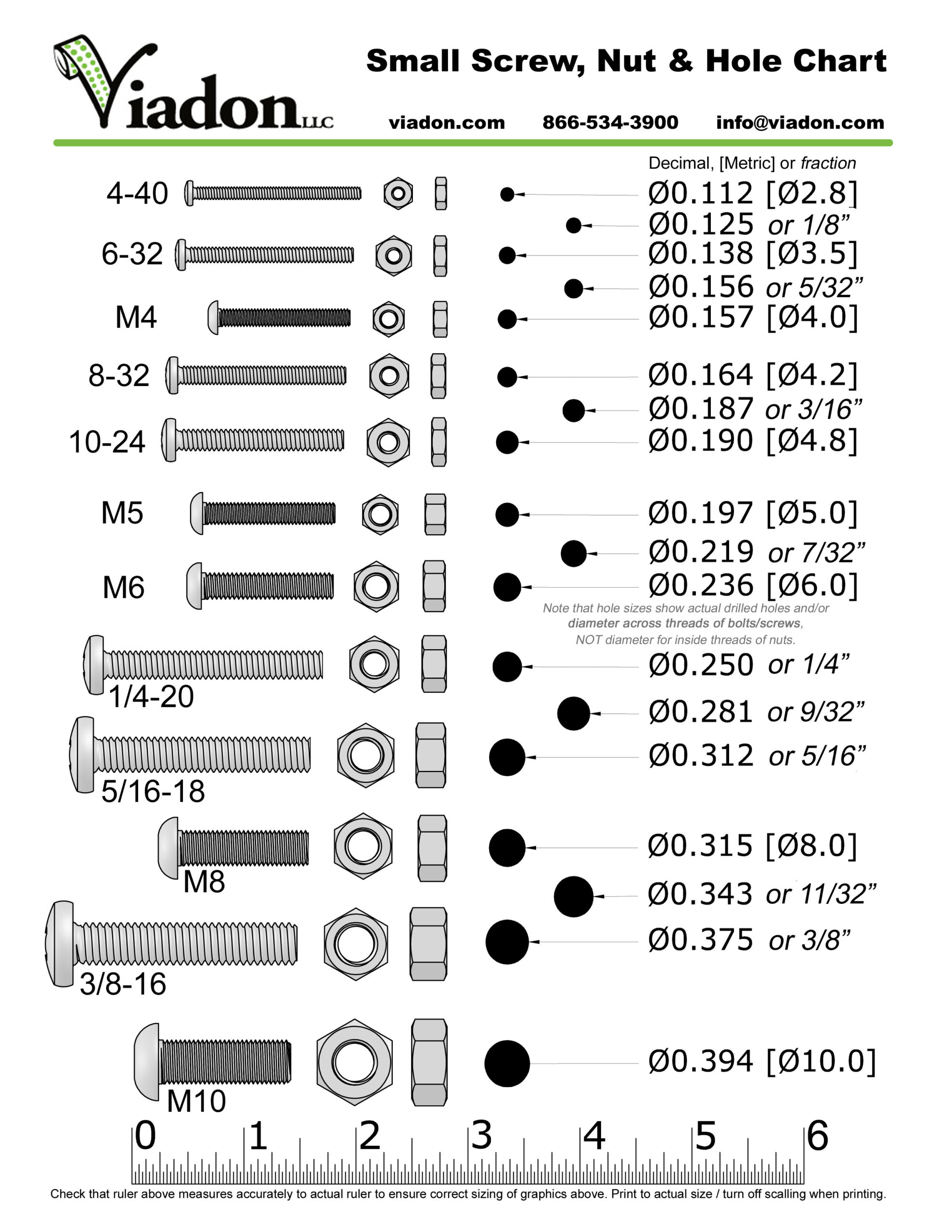
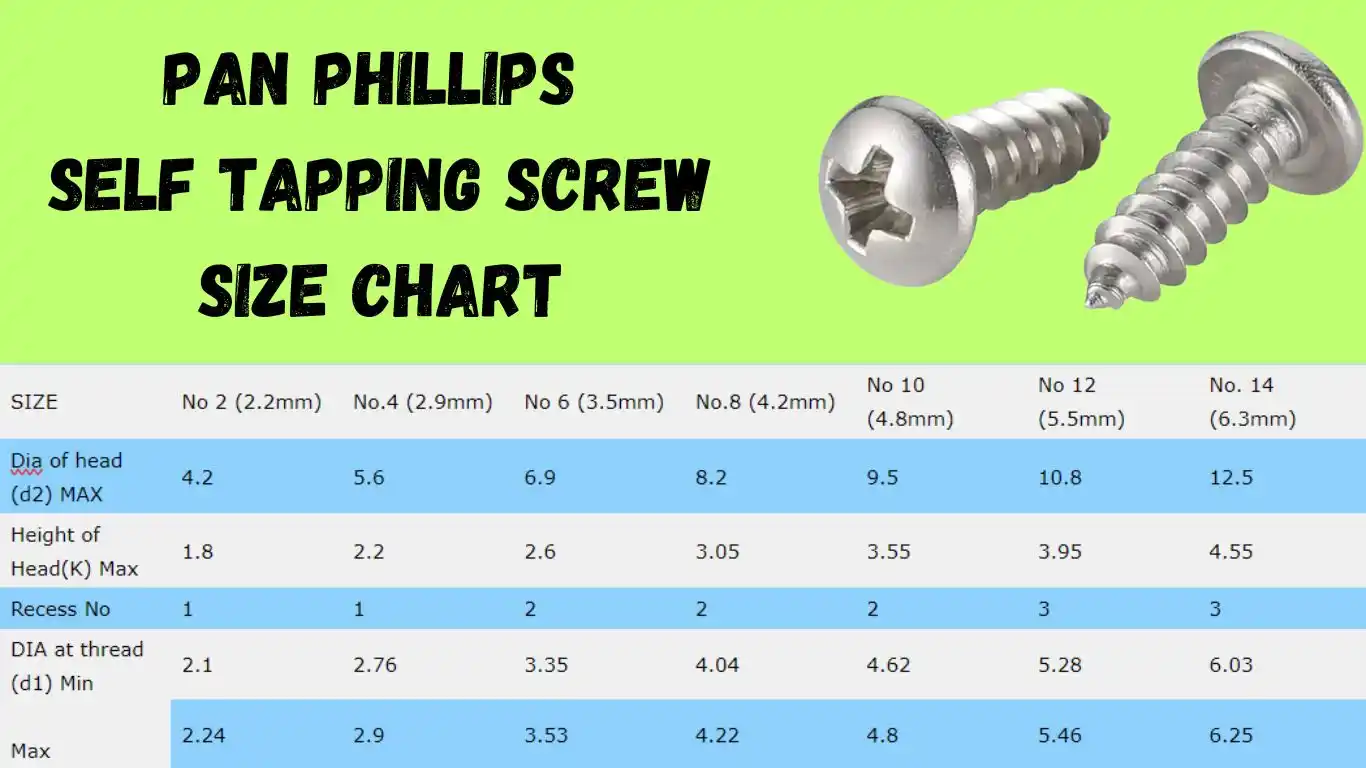
A screw size chart is a handy tool for anyone dealing with screws and fasteners. It's a simple yet effective way to ensure you're using the right size and type for your project. This guide will cover the basics, giving you the knowledge to read and utilize these charts with ease.
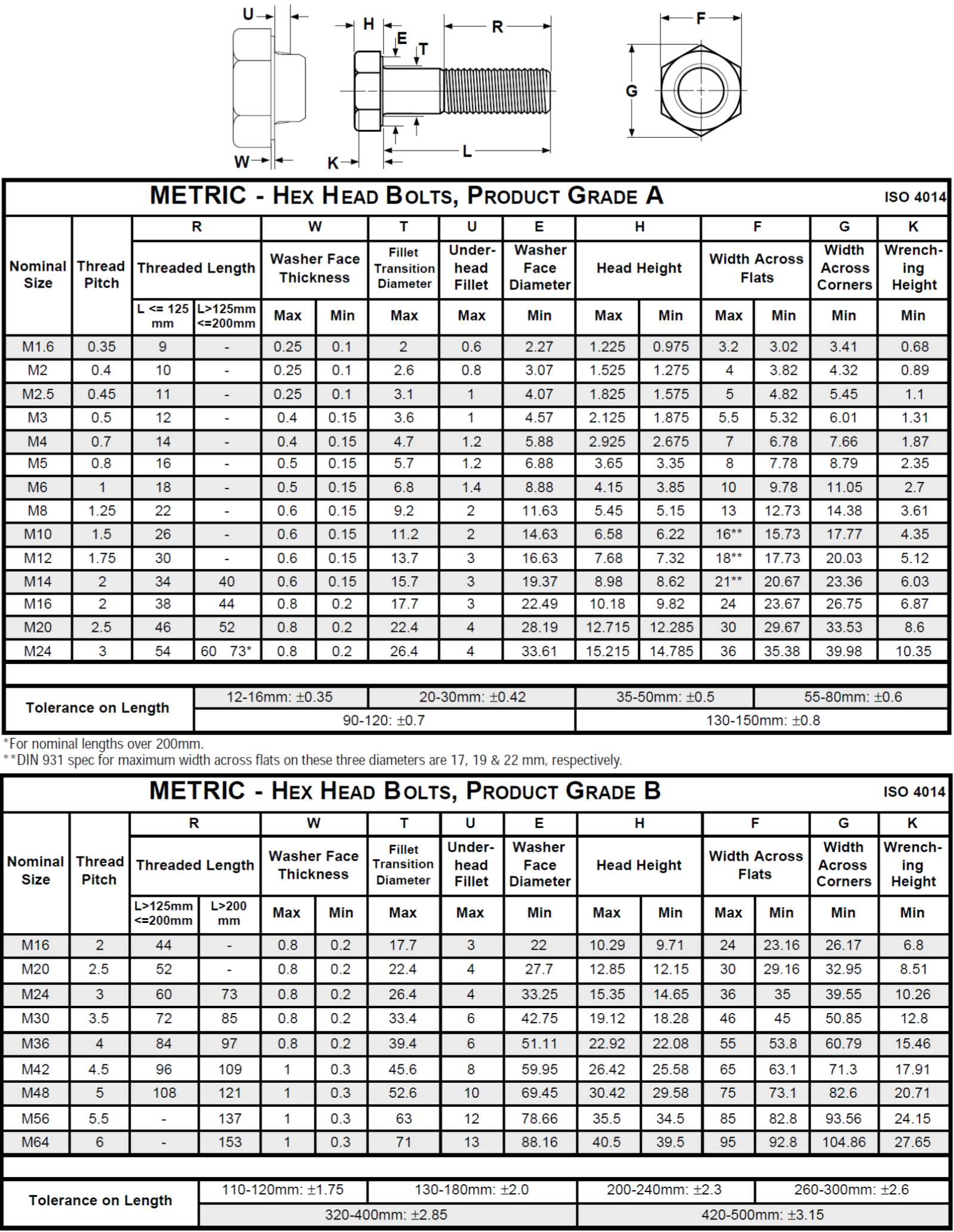
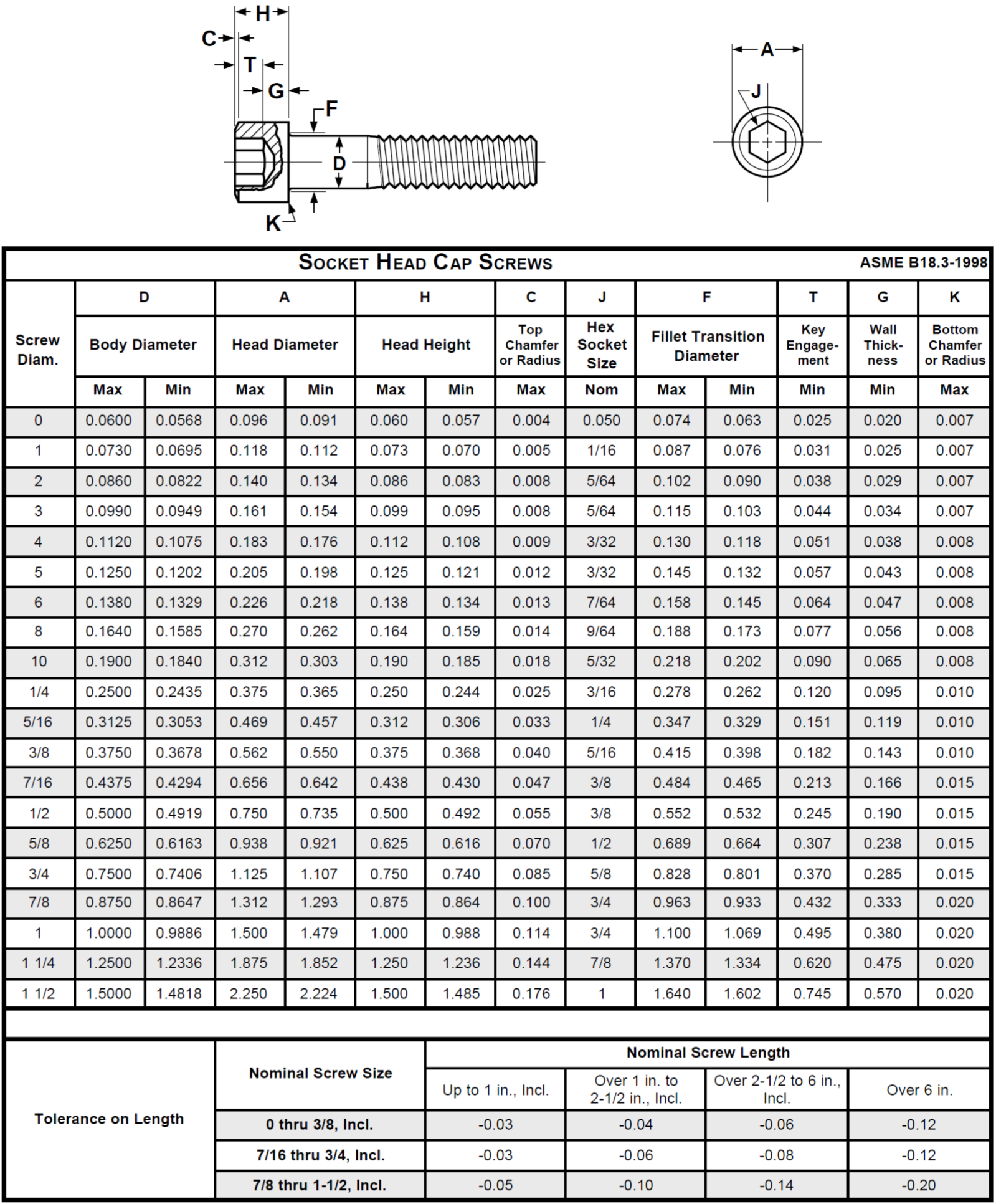
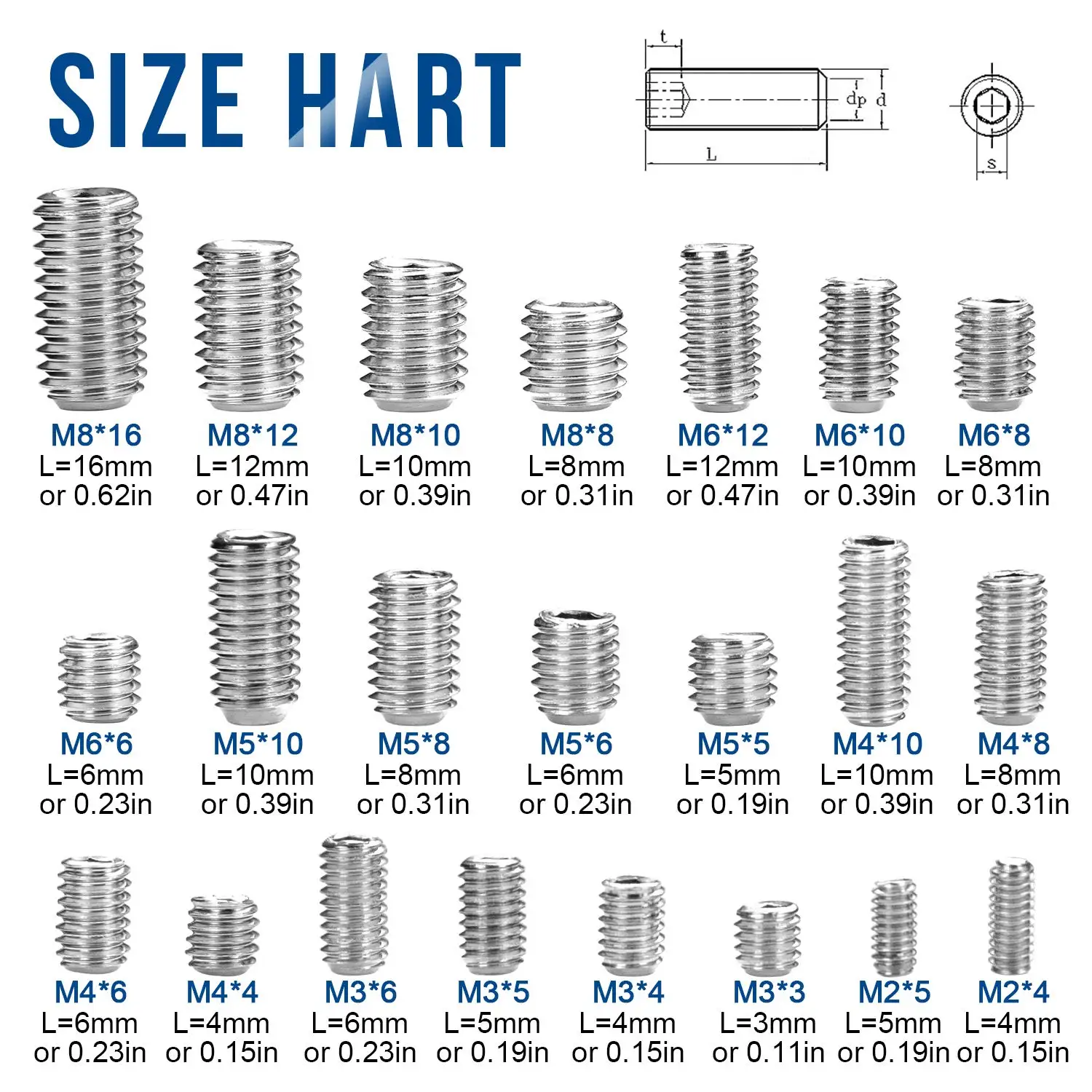
The chart provides a quick reference for various screw dimensions, including gauge, thread, and head type. While the values may differ slightly depending on the standard or region, the screw size chart offers a reliable starting point for your fastener needs.
Understanding the Screw Size Chart
A screw size chart is your practical guide to choosing the right screw for any project. It's a reference tool that simplifies the process of selecting screws based on their size, type, and intended use. This chart is a handy resource for anyone working with screws, from DIY enthusiasts to professional contractors.
Comparing Standards and Formats
Screw size charts can vary depending on the standard being followed. The two main standards are the metric system and the imperial system, with each having its own set of measurements and designations. The metric system is widely used internationally and offers a straightforward approach, while the imperial system, common in the US, uses a different set of thread sizes and designations. It's crucial to know which standard your project follows to ensure accurate screw selection.
Practical Screw Selection: A Step-by-Step Guide
Using a screw size chart is straightforward. Here's a simple process:
- Identify the screw's intended use. Different applications require specific screw types and sizes.
- Locate the relevant section on the chart based on the standard you're working with.
- Read across the chart to find the desired screw size. The chart typically displays screw length and diameter measurements.
- Match the measurements to the physical screw you need.
- Check the screw head type and drive style, which are often included in the chart.
- Select the appropriate screw based on your findings.
Avoiding Misreadings and Pitfalls
Misreading a screw size chart can lead to incorrect screw selection. Common mistakes include:
- Confusing metric and imperial measurements. Always double-check the standard being used.
- Misinterpreting screw head types. Pay attention to the symbols or descriptions provided.
- Overlooking drive style variations. Ensure the drive style matches your screwdriver or tool.
- Ignoring the screw's intended use. Different applications require specific screw characteristics.
Key Factors Affecting Accuracy
Several factors can influence the accuracy of your screw selection:
Screw gauge: The gauge refers to the thread pitch, which can vary and impact screw compatibility.
Head types: Different head shapes and sizes serve specific purposes and may affect your choice.
Drive style: The drive style, such as Phillips or flathead, must match your tool for easy installation.
Material: Screws are made from various materials, each with unique strengths and applications.
Finish: The screw's finish, like zinc plating or stainless steel, offers different levels of corrosion resistance.
Key factors:
- Screw gauge (thread pitch)
- Head type and size
- Drive style
- Material
- Finish
Adapting the Chart for Specific Needs
Screw size charts are versatile and can be adapted to suit specific projects. If you're working with unusual materials or have unique requirements, you may need to adjust the chart or seek expert advice. For instance, if you're dealing with soft materials, you might need longer screws to ensure a secure hold. Always consider the specific demands of your project to make the most accurate selection.
Keeping Your Reference Reliable
To ensure the reliability of your screw size chart, it's essential to keep it up-to-date. Regularly check for new standards and updates, especially if you work on diverse projects. Additionally, consider creating a personalized chart by noting down your frequently used screw sizes and their corresponding applications. This customized reference will streamline your selection process and reduce the risk of errors.
So, you've got your screw size chart, a handy tool to keep in your back pocket for any project. It's a simple yet effective reference, and with a few key considerations, you can ensure you're using it accurately.
Remember, these charts provide a great starting point, but your specific project and its unique requirements may vary. Always double-check the exact values and measurements you need, and don't be afraid to adapt and make it work for you. It's a useful guide, but it's not set in stone! Bookmark this page for a quick reminder, and you'll be a screw size expert in no time.
Related: How to Read the Gallon Man Chart
Hey there! Let's talk about the gallon man chart, a clever visual tool that simplifies liquid measurements. This guide will give you a quick rundown on how to use this chart like a pro.
The gallon man chart is a handy reference, often used in cooking and baking, to convert and understand different liquid measurements. It's a simple diagram, but it can vary slightly depending on your region and the standards you follow. So, let's explore how to read and apply it accurately!
Understanding Gallon Man: A Visual Guide
The gallon man chart is a clever visual tool that helps us understand and convert liquid measurements easily. It's like having a handy reference guide for all your cooking and baking needs! This chart is especially useful when you're working with recipes that call for different units of measurement, like cups, pints, quarts, and gallons.
Key Details and Units
The gallon man chart typically displays a visual representation of a person, often a stick figure, with different body parts labeled to indicate liquid measurements. The head might represent a cup, the torso a pint, and so on. Each body part is labeled with its corresponding volume, making it easy to visualize and remember. The chart usually covers common liquid measurements in the imperial system, such as cups, pints, quarts, and gallons. It's a great way to quickly convert between these units.
Reading the Chart and Converting Measurements
Using the gallon man chart is simple and practical. Here's a step-by-step guide:
Identify the unit you want to convert. Let's say you have a recipe that calls for 2 cups of milk, but you only have a measuring jug that measures in pints.
Locate the "cup" on the gallon man chart. It's usually the head or a part of the head.
Follow the visual guide to see how many cups are equivalent to a pint. You'll see that 2 cups are equal to 1 pint.
Now, you know that 2 cups of milk are the same as 1 pint. So, you can easily measure out the right amount for your recipe.
It's as simple as that! The gallon man chart provides a quick and visual way to convert liquid measurements, making your cooking and baking adventures smoother.
Variations and Differences
While the gallon man chart is a fantastic tool, it's important to note that variations exist. Different charts might use slightly different visuals or have additional measurements included. For example, some charts might include half-cup or quarter-cup measurements, providing even more precision. Additionally, the chart's design and layout can vary, so it's always a good idea to familiarize yourself with the specific chart you're using.
Common Mistakes and How to Avoid Them
Here are a few common pitfalls to watch out for when using the gallon man chart:
Misinterpreting the visual cues: Always double-check the labels and ensure you're following the correct path of measurement.
Assuming precision: Remember, the chart provides a general guide. For precise measurements, especially in baking, it's best to use a scale for dry ingredients and a liquid measuring cup for liquids.
Mixing up imperial and metric: If you're working with recipes from different regions, be mindful of the measurement system used. The gallon man chart typically represents imperial measurements, so conversions might be needed for metric recipes.
By being aware of these potential mistakes, you can ensure accurate measurements and delicious results!
Well, there you have it! The Gallon Man Chart is a handy tool with a simple concept, but as we've seen, it's important to be aware of the variations and potential mistakes. Remember, the exact details might shift a little depending on your context, so always double-check your sources.
Feel free to explore our other guides; we've got plenty of practical tips and tricks to offer, and who knows, you might just discover a new favorite reference tool!
Related: Unraveling the Goku Family Chart
As you embark on your quest for a clear and concise Goku family chart, a visual guide to the intricate relationships within the Dragon Ball universe, you'll find a wealth of information at your fingertips. This chart, a comprehensive tool for fans and enthusiasts, offers a structured glimpse into the complex web of connections, providing a quick and reliable reference for those seeking to navigate the Saiyan genealogy. While the format may vary, with different versions offering unique insights, the core purpose remains: to unravel the warrior family history and present it in an accessible manner.
Understanding the Goku Family Chart
The Goku family chart is a visual representation of the intricate relationships and lineage within the iconic Dragon Ball franchise. It serves as a comprehensive guide, offering a clear overview of the extensive family tree of the Goku lineage. This chart is an essential tool for fans and enthusiasts, providing a structured way to navigate and understand the complex web of connections between characters.
Key Family Members and Notable Relations
When examining the Goku family chart, you'll encounter various categories and branches. The chart typically begins with the original saiyan warrior, Goku's grandfather, and then branches out to include his immediate family, such as his wife, Chi-Chi, and their children, Gohan and Goten. As you explore further, you'll discover extended family members, including Goku's father, Bardock, and his brother, Raditz. Each category represents a generation, with unique abilities and power levels that define the characters.
Power Levels Explained: A Step-by-Step Guide
Understanding the power dynamics within the Goku family chart is crucial. Here's a simple guide:
- Start by identifying the generation or category of the character you're interested in. This will give you a baseline understanding of their power level.
- Within each generation, characters may possess unique abilities or transformations that enhance their power. Take note of these, as they can significantly impact their overall strength.
- Compare characters across generations to grasp the evolutionary growth of power within the Goku lineage. This will help you appreciate the progression of strength and abilities over time.
- Remember, power levels can vary depending on the specific standards or formats used in the Dragon Ball universe. Always refer to the relevant sources or episodes for accurate representations.
Common Misreadings and How to Avoid Them
One common pitfall when interpreting the Goku family chart is assuming a direct correlation between power levels and family ties. While family members may share similar abilities, their individual power levels can vary significantly. It's essential to consider each character's unique journey and training to understand their true strength. Additionally, be cautious of generalizations; each character's power level may fluctuate based on various factors, including training, transformations, and even plot-specific enhancements.
Factors Affecting Accuracy and Real-World Application
The accuracy of the Goku family chart relies on several key factors. Firstly, it's important to note that the Dragon Ball franchise has evolved over time, with new characters, transformations, and power-ups introduced in different series and movies. Therefore, the chart must be regularly updated to reflect these changes accurately. Secondly, the chart's effectiveness depends on the reader's familiarity with the Dragon Ball universe. A basic understanding of the characters, their abilities, and the overall narrative is essential for a comprehensive interpretation. Finally, while the chart provides a structured overview, it's always beneficial to cross-reference with other sources, such as official guides or fan-curated databases, to ensure the most accurate and up-to-date information.
Remember, when working with the Goku family chart, it's essential to consider your unique situation and any specific requirements you may have. While this guide provides a solid foundation, variations can occur, so double-check the details that matter most to you.
Feel free to explore our other resources and guides; we've got plenty of practical information to help you navigate various topics. Take a look around and find the tools you need to stay organized and informed!