


Wordle Words Not Used Overview
You've landed here because you're seeking a piano notes chart to help you out, right? Maybe you're a musician looking for a quick reference, or a music enthusiast wanting to understand the notes better. Either way, these charts are a handy tool to have.
The great thing about piano notes chart is that they provide a visual overview, making it easier to grasp the layout and understand note frequencies. While there are different formats and variations, the core information remains the same, offering a simple and effective way to navigate the piano's vast range of notes.
What is a Piano Notes Chart?
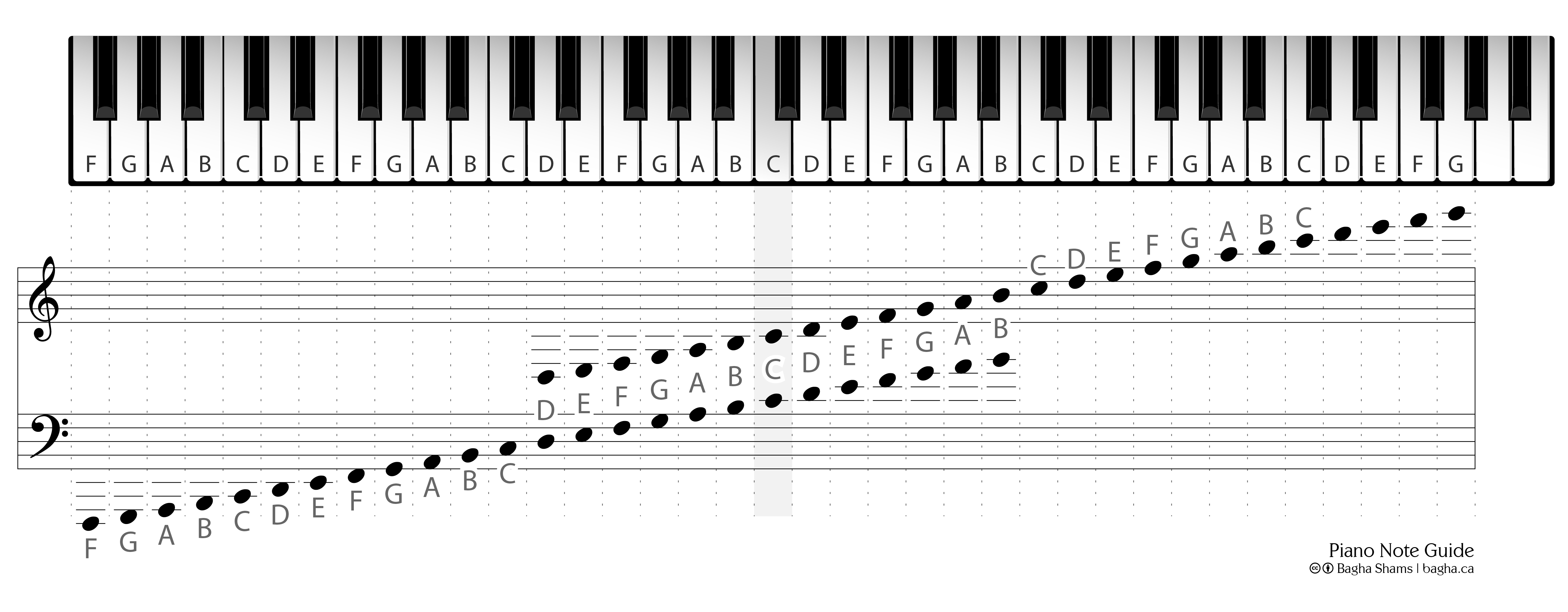
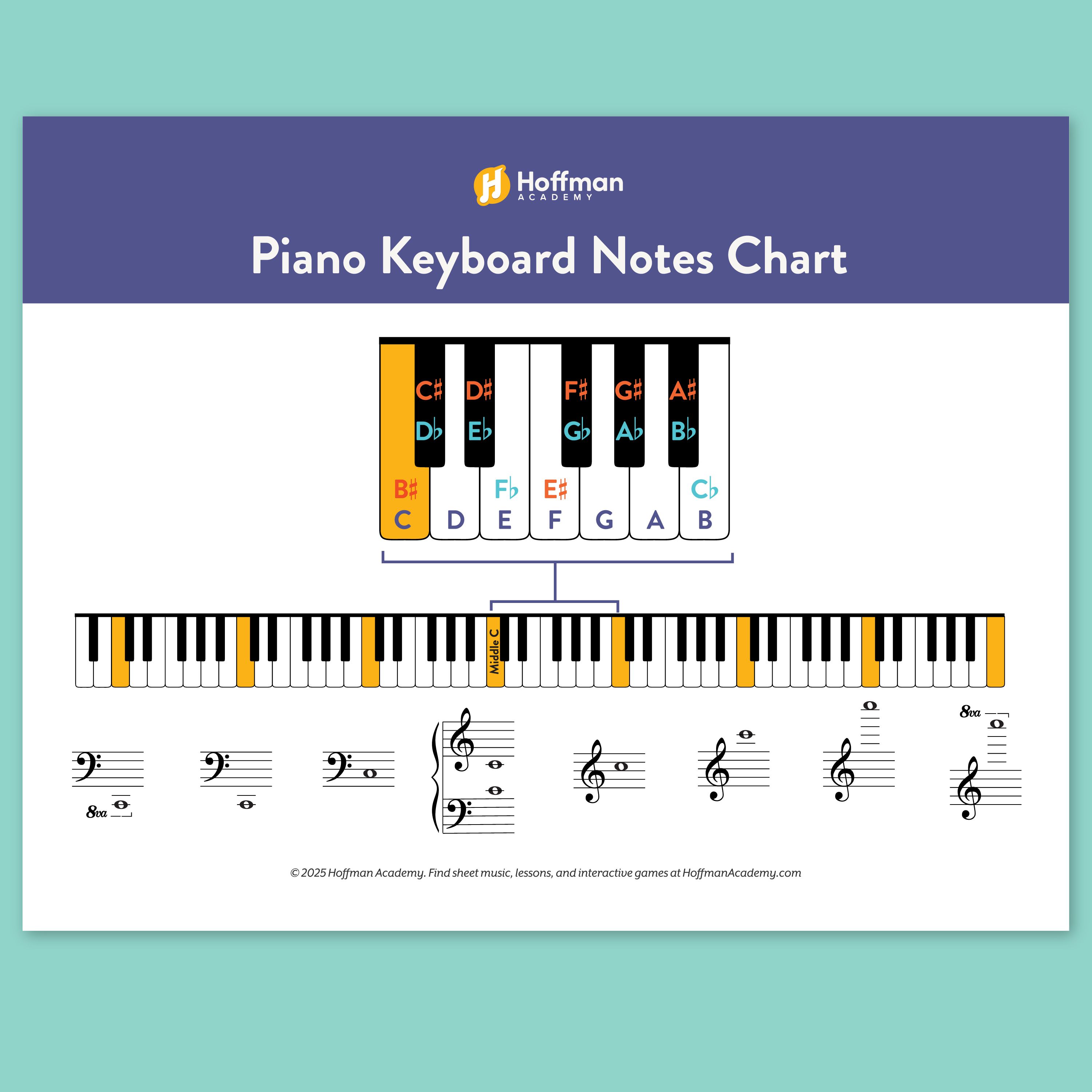
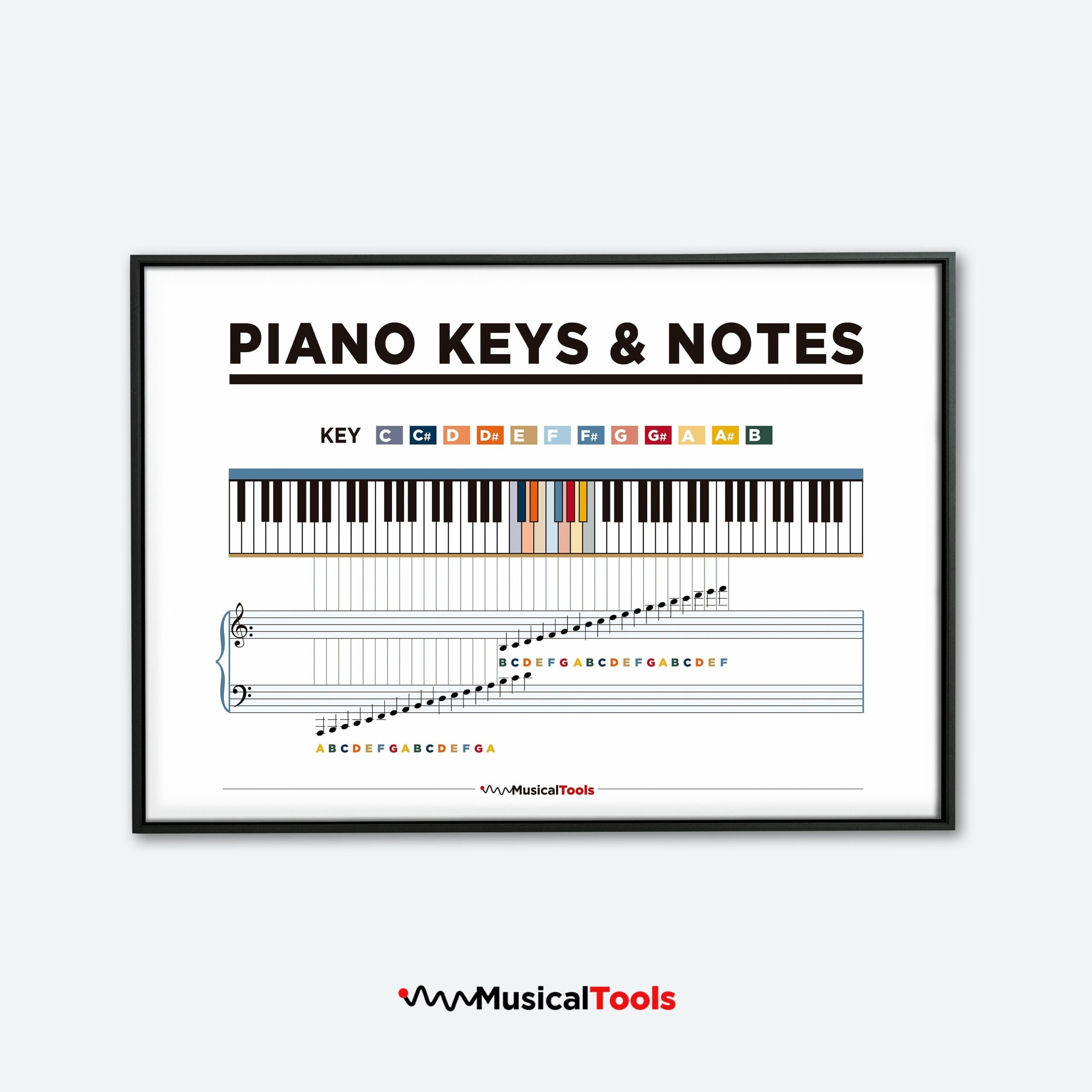
A piano notes chart is a visual representation that helps musicians and music enthusiasts understand the relationship between piano keys and the corresponding musical notes. It serves as a handy reference tool, especially for beginners, to grasp the layout of the piano keyboard and the notes it produces.
Key Details and Categories
The chart typically displays the piano keyboard's layout, with each key labeled according to its note. It covers the entire range of notes, from the lowest to the highest, and often includes multiple octaves. The notes are usually represented by their standard musical notation, such as C, D, E, F, G, A, and B, along with their respective sharps and flats. Additionally, some charts may include the frequency of each note, which is a numerical value indicating the pitch.
How to Read and Apply the Chart
Reading a piano notes chart is straightforward. Here's a step-by-step guide:
- Identify the Keyboard: The chart will display a visual representation of the piano keyboard, typically showing the white and black keys.
- Note Labels: Each key on the chart is labeled with its corresponding note. Look for the notes you need, whether it's a specific scale, chord, or a single note.
- Octaves and Range: Understand the octaves displayed on the chart. Octaves are indicated by numbers, and each octave contains a complete set of notes. The chart will usually cover multiple octaves to provide a comprehensive view.
- Sharps and Flats: Pay attention to the sharps (#) and flats (b) on the keys. These indicate the raised or lowered pitch of a note. For example, Cis a semitone higher than C, and Db is a semitone lower.
- Frequency (Optional): If the chart includes frequency values, these represent the pitch of each note in hertz (Hz). This information is useful for understanding the scientific aspect of pitch.
Variations and Differences
Piano notes charts may vary depending on the standard used. Different regions and music education systems might have slight variations in notation or labeling. For example, some charts might use scientific pitch notation, while others prefer the traditional letter names. Additionally, the range of notes covered can differ, especially when dealing with specialized keyboards or digital pianos with extended ranges.
Common Mistakes and How to Avoid Them
One common mistake is confusing the placement of sharps and flats. Remember, sharps raise the pitch, while flats lower it. Another pitfall is assuming all pianos have the same note distribution. While most standard pianos have 88 keys, some keyboards or digital pianos might have fewer keys, affecting the range of notes. Always double-check the specific keyboard you are using to ensure accuracy.
Practical Tips for Accurate Results
When using a piano notes chart, it's essential to familiarize yourself with the layout and understand the note names and their positions. Practice identifying notes by sight and sound. Start with the basic notes and gradually expand your knowledge to include sharps, flats, and different octaves. Additionally, consider using color-coded charts or stickers on your piano keys as a visual aid, especially if you are a beginner.
Double-Checking and Edge Cases
While piano notes charts provide a valuable reference, it's crucial to double-check specific note frequencies or tolerances for professional or precise applications. Some charts might not cover every possible note variation or custom keyboard setup. In such cases, consult specialized resources or seek guidance from music experts to ensure accuracy, especially when dealing with unique instruments or specific musical requirements.
Well, there you have it! You now possess a handy piano notes chart and the knowledge to use it effectively. Remember, when it comes to music and instruments, there's always room for variation and personal preference. So, ensure you check any specific requirements or standards relevant to your context.
Consider bookmarking this page for future reference. It's a quick and easy way to refresh your memory on those piano notes and their corresponding keys. Happy playing, and keep those fingers dancing!
Related: A Beginner's Guide to Reading Trumpet Note Charts
A trumpet note chart is a handy tool for any trumpeter, offering a quick glance at the notes and their corresponding fingerings. This guide will take you through the basics, ensuring you can read and use the chart with ease.
It's a simple reference, but an essential one, as it covers the standard range and common scales. While the exact values may vary slightly, the chart provides a solid foundation for understanding note names and their pitch frequencies.
Understanding the Trumpet Note Chart
The trumpet note chart is a valuable tool for any trumpeter, offering a visual representation of the notes and their corresponding fingerings. It's like a map, guiding you through the world of trumpet playing. This chart simplifies the process of learning and mastering different notes, making it an essential resource for beginners and experienced players alike.
Key Details and Categories
Before diving into the chart, it's crucial to understand some basics. The chart typically covers the standard range of a trumpet, which includes both the natural notes and those produced using valve combinations. You'll find notes organized by their pitch frequency, from low to high. Each note is represented by a specific fingering, often shown as a combination of valve positions. Additionally, some charts may include alternate fingerings, offering options for different playing styles or instruments.
Reading the Notation and Applying It
Using the trumpet note chart is straightforward. Start by identifying the note you want to play. Then, locate it on the chart, which will show you the correct fingering. For example, if you want to play a C note, you'll see a specific valve combination indicated. Follow this fingering, and you'll produce the desired note. It's as simple as that! Practice reading the chart and applying the fingerings to become more comfortable with it. Over time, you'll develop muscle memory, making note transitions seamless.
Variations and Differences
While the trumpet note chart provides a solid foundation, it's important to note that variations exist. Different standards, such as US or international, may have slight differences in note names or fingerings. Additionally, some charts might focus on specific scales or playing techniques. Always double-check the exact specifications for your instrument and playing style. Here are some common factors that can cause variations:
- Standard range variations: Some charts may extend beyond the standard range, offering additional notes.
- Instrument type: Different trumpet models might have slight variations in fingering.
- Playing style: Certain charts cater to specific genres or techniques, like jazz or classical.
- Alternate fingerings: These provide options for achieving the same note with different finger combinations.
Remember, the trumpet note chart is a versatile tool, but it's essential to adapt it to your specific needs and context. With practice and familiarity, you'll navigate the chart with ease, unlocking the full potential of your trumpet playing.
Well, there you have it! A handy trumpet note chart can be a great tool to have in your musical arsenal. Remember, these charts provide a solid foundation, but exact values might differ slightly across different standards or resources.
So, before you put your new knowledge into practice, take a moment to ensure you're using the right chart for your specific needs. And don't forget to explore our other guides; there's plenty more musical magic to discover!
Related: Learn the Violin Notes Chart: A Simple Guide
A violin notes chart is a handy tool for any violinist, offering a quick glance at the notes and their positions. This guide will cover the basics, helping you navigate and utilize this reference effectively.
The chart provides a visual representation of the violin's strings and their corresponding notes. While the standard tuning is a common reference point, it's worth noting that variations can occur, especially with different playing styles and regional traditions.
Understanding the Violin Notes Chart
The violin notes chart is a handy tool for any violinist, offering a visual guide to the notes and their positions on the fingerboard. It's like a map, helping you navigate the strings and find the right notes with ease. This chart is especially useful for beginners, providing a clear reference point as they learn to play.
Comparing Note Patterns and Formats
There are various types of violin notes charts, but the most common format shows the fingerboard with frets or positions marked. Each fret or position corresponds to a specific note. You'll often see charts with different colors or symbols to indicate the notes on each string. Some charts also include finger placement guides, showing you where to position your fingers for each note.
Using the Chart: A Step-by-Step Guide
- First, familiarize yourself with the chart. Understand the layout and how the notes are represented. Each string has its own unique set of notes, so pay attention to the differences.
- Next, locate the open strings. These are the notes played without pressing any fingers on the fingerboard. You'll see them at the top of the chart, typically marked as G, D, A, and E.
- Now, start exploring the notes on each string. Press your finger at the indicated positions to play the corresponding notes. For example, if the chart shows a green circle at the third position on the D string, that indicates the note F#.
- Practice moving between notes smoothly. Try playing scales or simple melodies using the chart as a guide. The more you practice, the easier it will be to memorize the note positions.
- As you advance, you can explore alternative tunings and more advanced techniques. The chart can still be a valuable tool, even for experienced players, as it provides a quick reference for less familiar pieces or new styles.
Common Misreadings and How to Avoid Them
One common mistake is assuming that the chart represents the exact position of your fingers. Remember, it's a guide, and your hand size and finger length may vary. Always adjust the finger placement slightly to find the most comfortable and accurate position for your hand.
Another pitfall is ignoring the context. The chart provides a general guide, but the specific piece you're playing may require slight variations. Always refer to the sheet music or listen to the piece to understand the intended notes and their context.
Factors Affecting Accuracy and Real-World Use
The accuracy of the violin notes chart depends on several factors. Firstly, the chart's scale and size can impact its precision. A larger chart may provide more detail, but it's essential to find a balance between size and portability.
Secondly, the chart's design and formatting can affect its usability. Look for charts with clear, easy-to-read fonts and colors. Avoid overly complex designs that may distract from the main purpose of the chart.
Lastly, remember that the chart is a tool, not a substitute for practice and musical understanding. It's a guide to help you find the right notes, but the real magic happens when you internalize the music and play with expression and feeling.
Hey there! We've covered a lot of ground in this blog post, giving you a comprehensive guide to violin notes charts. Remember, these charts are a handy tool, and while the basics remain the same, you might find slight variations depending on your specific needs and the source you're using.
So, the next time you're practicing or teaching, be sure to bookmark this page for a quick reference. It's always good to have these resources at your fingertips, and we've got plenty more guides to explore, so feel free to dive in and discover more!