

Words Ending In Io Overview
Canadian construction companies are everywhere, and we often take them for granted. From building our homes to renovating our spaces, these companies play a vital role in shaping our communities. Let's explore what they offer and how they can help us create our dream spaces.
Building Our Dreams: An Introduction to Canadian Construction
Canadian construction companies are the backbone of our built environment. They are the experts who bring our architectural visions to life, whether it's constructing a new home, adding an extension, or transforming our living spaces through remodeling. These companies offer a range of services, from general contracting to specialized trades, ensuring every aspect of a project is covered.
When considering a construction project, it's important to understand the factors that influence costs. Pricing can vary depending on the scope, materials, and labor involved. Getting multiple quotes is essential to compare and find the best fit for your budget. Remember, the cheapest quote might not always be the best choice, as quality and expertise matter too.
Hiring a reputable contractor is crucial. Check their licenses, insurance, and references to ensure they are reliable and capable. Ask about their experience with similar projects and their ability to manage timelines and budgets. A good quote should provide a detailed breakdown of costs and a clear timeline, giving you peace of mind.
Naming Your Construction Business: A Creative Venture
Naming a construction company is an art. It should be memorable, reflect your brand, and stand out in a competitive market. Consider a name that evokes strength, reliability, and creativity. Some unique name ideas could be:
- BuildCraft
- Constructive Solutions
- Home Evolution
- Skyrise Builders
- EcoBuild
Remember to check name availability and secure your domain and local business registration to avoid legal issues.
The Construction Industry: Jobs and Opportunities
The construction industry offers a wide range of roles, from general contractors to specialized tradespeople. Estimators, project managers, and skilled laborers are in demand. Salaries vary depending on experience, location, and the scale of projects. Job boards, industry networks, and local construction associations are great places to start your search.
Industry Tools and Resources
Tools like RSMeans provide valuable cost data and resources for construction professionals. These databases help estimate project costs accurately, ensuring projects stay on budget. Construction companies rely on such tools to provide reliable estimates and manage projects effectively.
The Size of the Company: Does it Matter?
The size of a construction company can influence its capabilities. Larger firms often have more resources and specialized teams, allowing them to take on complex projects. Smaller companies, on the other hand, may offer a more personalized service and be better suited for smaller-scale projects. It's about finding the right fit for your needs.
Final Thoughts
Canadian construction companies are an integral part of our daily lives, and understanding their role can help us make informed decisions. Whether you're building, remodeling, or just curious, these companies offer a wealth of expertise and creativity. So, the next time you see a construction site, remember the hard work and dedication that goes into creating our built environment.
Related: easy paper craft for kindergarten fun creative ideas
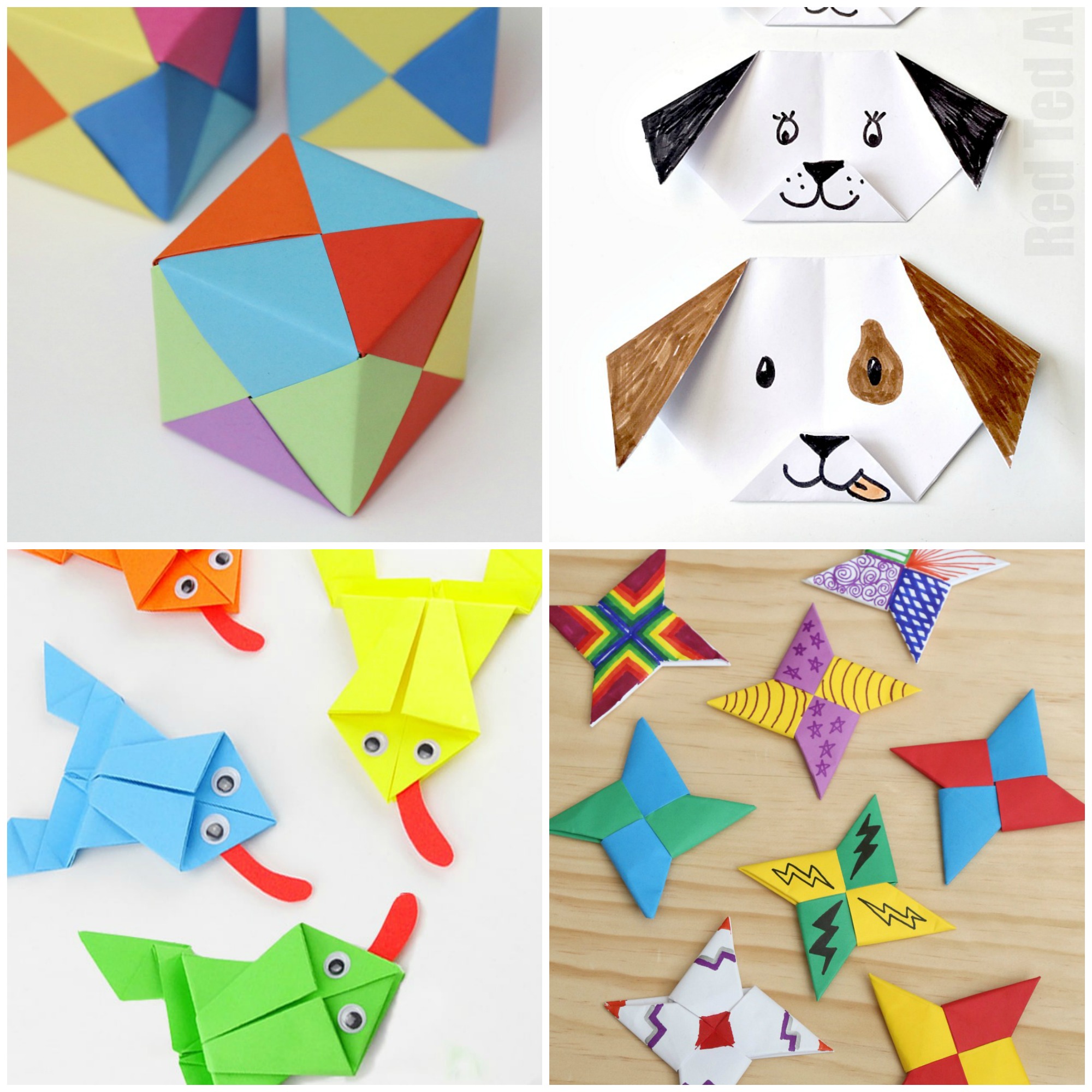
Easy paper craft for kindergarten is a fun and simple way to get creative with your little ones, and it's something I've really enjoyed doing with my kids. It's a great activity to keep them entertained and engaged, and it's so satisfying to see their little faces light up with pride when they've made something cool.
So, what is this all about? Well, it's basically a collection of craft ideas that use paper as the main material. These crafts are designed to be accessible and fun for kids, with simple steps and minimal supervision needed. It's a brilliant way to encourage their creativity and fine motor skills, and it's an affordable activity too!
You can find a whole range of ideas online, from the classic paper chain to more intricate pop-up cards. Some ideas are seasonal, like making paper snowflakes for Christmas, while others are more general and can be done anytime. The best part is that these crafts often require very few materials - paper, scissors, glue, and maybe some crayons or markers.
Getting Started
If you're new to this, I'd recommend starting with some basic folding and cutting activities. You can teach them how to make simple shapes like squares and triangles, and then use those to create fun designs. For example, folding a piece of paper into a fan shape is a great way to introduce the concept of symmetry and pattern-making.
Step It Up
Once they've got the hang of the basics, you can introduce more complex crafts. One of my favorites is making paper boats. It's a classic for a reason - it's easy, and kids love seeing their creations float in water! You can also try making paper hats, which is a fun way to encourage imagination and role-play.
The beauty of easy paper craft for kindergarten is that it's so adaptable. You can tailor the difficulty level to your child's age and abilities, and you can often use these crafts as a springboard for other activities. For instance, making a paper doll might lead to a fun dress-up game, or creating a paper city could inspire some imaginative play.
So, why not give it a go? It's a brilliant way to spend some quality time with your kids, and you might just discover a new hobby together!
Related: Uncover t Chart Example: A Visual Guide
A common misconception about t chart examples is that they are solely for complex data analysis. While these charts are indeed powerful tools for organizing and comparing information, their simplicity often belies their versatility. A t chart example, whether it's a simple t-table or a more intricate data visualization, serves as a clear and concise way to present categorical data. It's a straightforward approach to making sense of information, ensuring an easy and efficient understanding for all.
A Quick Overview of the T Chart
The t chart is a simple yet powerful tool for organizing and presenting data, often used to compare two sets of information or track changes over time. It consists of two columns, typically labeled with categories or variables, and rows where the corresponding data is recorded. This chart is versatile and can be applied to various scenarios, making it a popular choice for data visualization and analysis.
Comparing T Chart Formats and Standards
The beauty of the t chart lies in its flexibility. While the basic structure remains consistent, the categories and measurements can vary depending on the context and the standard being followed. For instance, in education, a t chart might compare two literary works, with columns for 'Themes' and 'Symbols' and rows for specific examples. In a scientific setting, it could display temperature variations over different days, with columns for 'Date' and 'Temperature' and rows representing each day's data.
Step-by-Step Guide to Using a T Chart
Creating and interpreting a t chart is straightforward:
- Define your categories or variables. These will form the column headers of your chart. Ensure they are clear and relevant to your data.
- Determine the rows. Decide how many rows you need based on the quantity of data points you wish to compare.
- Populate the chart. Enter your data into the appropriate rows and columns. Ensure consistency in your measurements and units.
- Analyze and interpret. Once complete, review the chart to identify patterns, trends, or differences between the categories. This step is crucial for drawing meaningful insights from your data.
Common Misreadings and How to Avoid Them
While the t chart is user-friendly, misinterpretations can occur. Here are some common pitfalls and how to steer clear:
- Mixing Units: Always ensure that the units of measurement are consistent within each column. Mixing units can lead to incorrect comparisons.
- Categorization Errors: Be precise when labeling your categories. Vague or ambiguous labels can confuse readers and impact the chart's effectiveness.
- Overlooking Trends: Sometimes, the most valuable insights come from subtle variations. Don't focus solely on extreme values; consider the overall pattern or trend.
- Data Entry Mistakes: Double-check your data for accuracy. Even a single incorrect entry can skew your analysis.
Remember, the t chart is a versatile tool, but it's essential to understand its limitations and potential variations based on the specific context and standards you're working with.
T charts are a versatile tool, and I hope this guide has given you a clear understanding of their potential. Remember, when applying these charts, it's essential to consider your unique context and requirements. While the steps and tips provided offer a solid framework, the exact values and details may vary slightly depending on the specific standards or sources you are working with.
So, take a moment to review your needs and adapt the chart to suit your purposes. It's a simple yet powerful resource, and with a bit of customization, it can become an invaluable part of your toolkit. Feel free to bookmark this page for future reference; it might just be the quick reminder you need to stay organized and on track!