



Wrench Size Chart Editable Overview
A capsule size chart is a handy tool for anyone working with capsules, whether it's for medication, supplements, or even food products. This guide will help you navigate and understand these charts, ensuring you can quickly find the right capsule size for your needs.
The chart provides a clear overview of capsule dimensions, typically showing both metric and imperial sizes. It's a simple reference, but one that can vary slightly depending on the standard or region, so it's good to know how to read and interpret them accurately.
A Quick Overview
The capsule size chart is your go-to guide for understanding and selecting the right capsule size for your needs. It's a handy reference tool that simplifies the process of identifying and working with different capsule sizes, especially when dealing with various standards and formats.
Comparing Capsule Size Standards
When it comes to capsule sizes, there are two main standards to consider: the metric system and the imperial system. The metric system, used internationally, employs a straightforward numbering system for capsule sizes, ranging from 000 to 5. Each size corresponds to specific dimensions, with the larger numbers indicating smaller capsules. On the other hand, the imperial system, commonly used in the US, utilizes lettered sizes (A to E) and has its own set of dimensions. It's crucial to know which standard you're working with to ensure accurate selection.
Step-by-Step Guide to Using the Chart
Using the capsule size chart is simple:
- Identify the standard: Determine whether you're working with metric or imperial capsules. This information is typically provided by the manufacturer or can be found on the packaging.
- Locate the size: Refer to the chart and find the corresponding size based on the standard. The chart will provide you with the specific dimensions for each size, including length and diameter.
- Consider your needs: Evaluate the capsule's intended use and the amount of content it needs to hold. This will help you choose the appropriate size.
- Double-check: Always confirm the exact specifications, especially if you're working with sensitive or specialized formulations. Some manufacturers may have slight variations, so it's best to verify.
Common Misreadings and How to Avoid Them
One common mistake is assuming that all capsules within a size category are identical. While the capsule size chart provides standard measurements, there can be minor variations between brands or even within the same brand. Always refer to the specific product details to ensure accuracy. Additionally, be cautious when converting between metric and imperial sizes; direct conversions may not always provide an exact match, so it's best to consult the chart for the closest equivalent.
Factors Affecting Real-World Accuracy
Several factors can influence the accuracy of your capsule selection and filling process:
- Capsule Type: Gelatin vs. hard capsules can have slight size variations.
- Manufacturer: Different brands may have unique specifications, so always check.
- Content Volume: Ensure the capsule size accommodates the intended dosage or content.
- Environmental Conditions: Humidity and temperature can affect capsule dimensions over time.
- Filling Technique: Proper filling techniques ensure accurate dosing and avoid overpacking.
Remember, while the capsule size chart provides a valuable reference, it's essential to consider these factors and double-check specific product details for precise results.
Hey there! I hope this capsule size chart has been a handy reference for you. Remember, these values can vary slightly, so always double-check your sources and standards to ensure you're getting the right information for your specific needs.
Feel free to explore our other guides and resources; we've got plenty of practical tips and tricks to help you navigate various topics with ease. Happy learning, and keep those capsules organized!
Related: Unravel the Mystery: Hook Size Chart
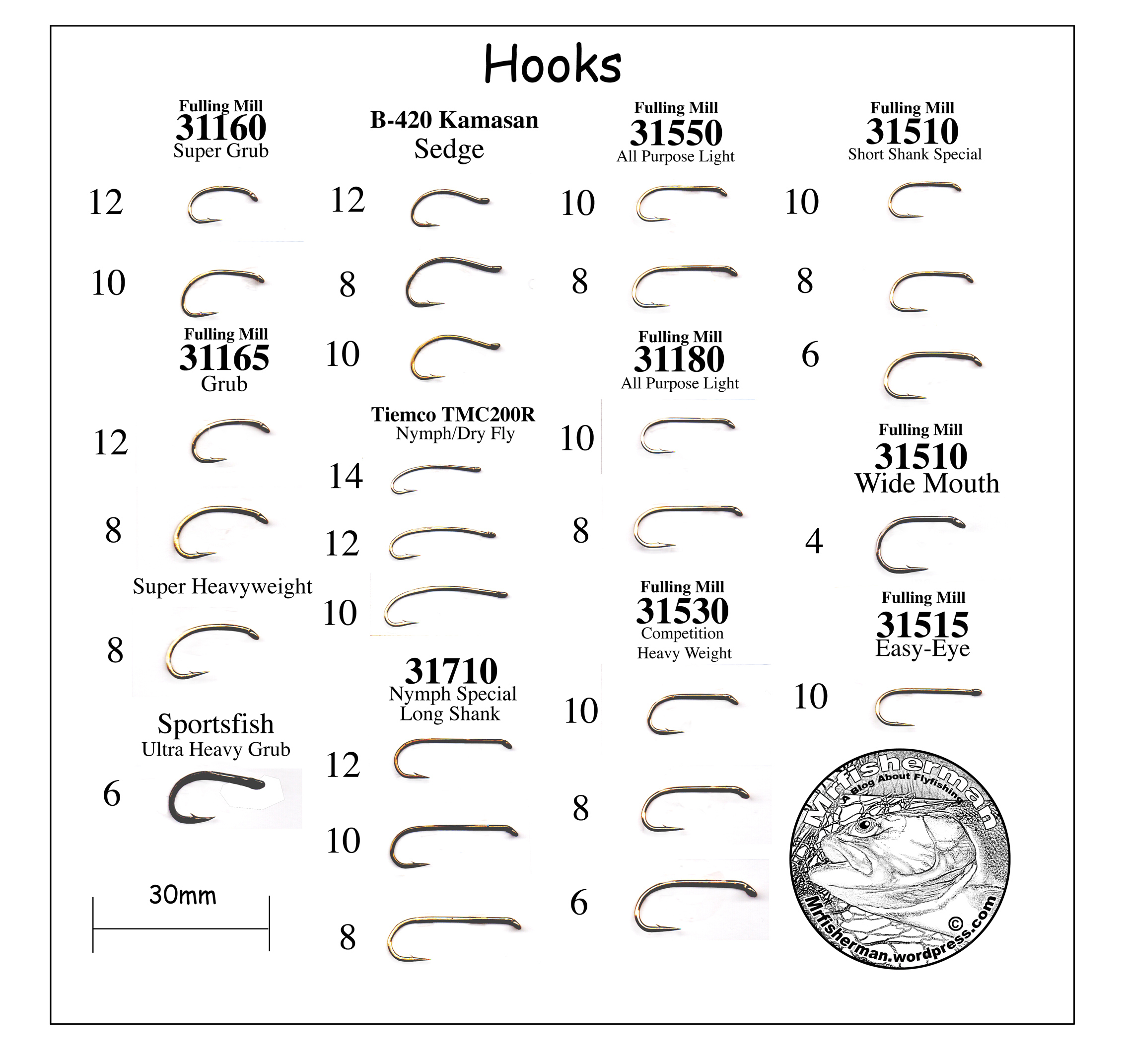
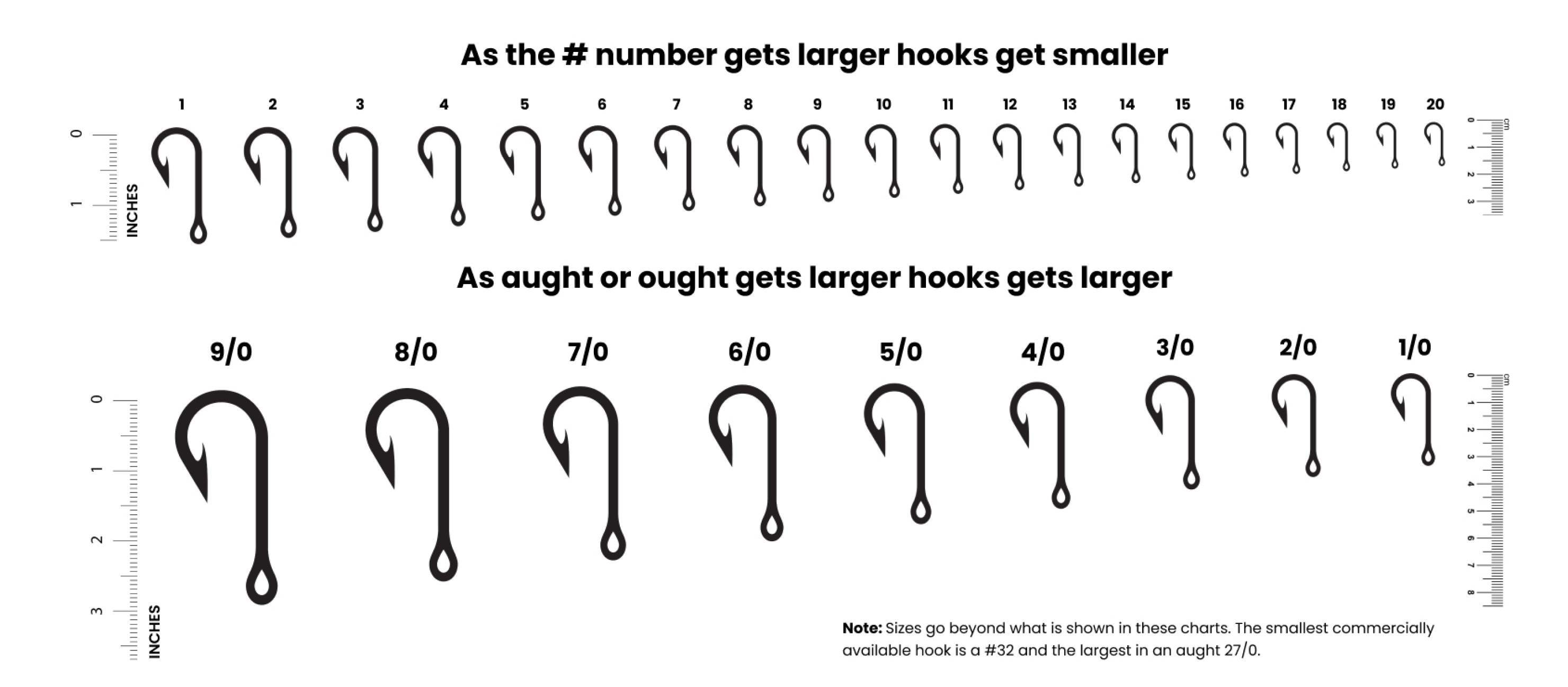
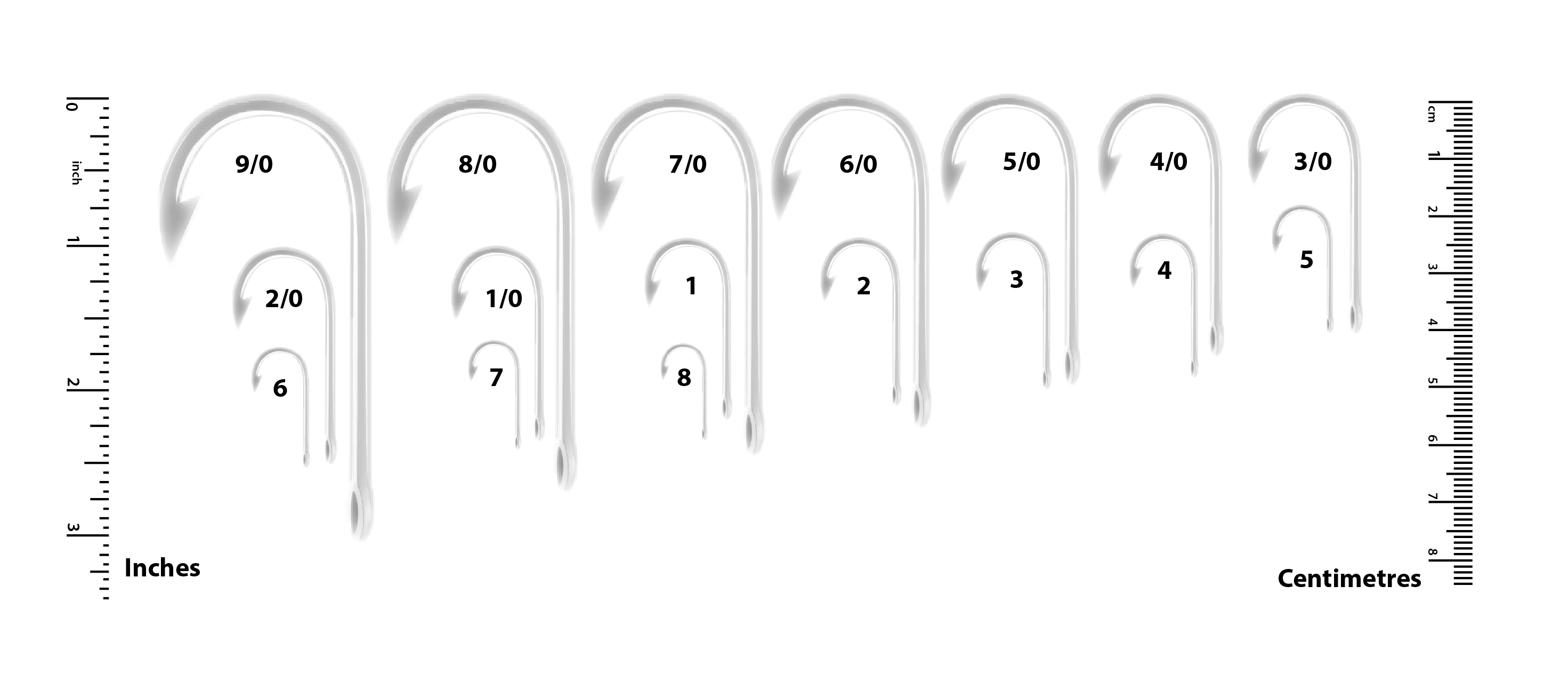
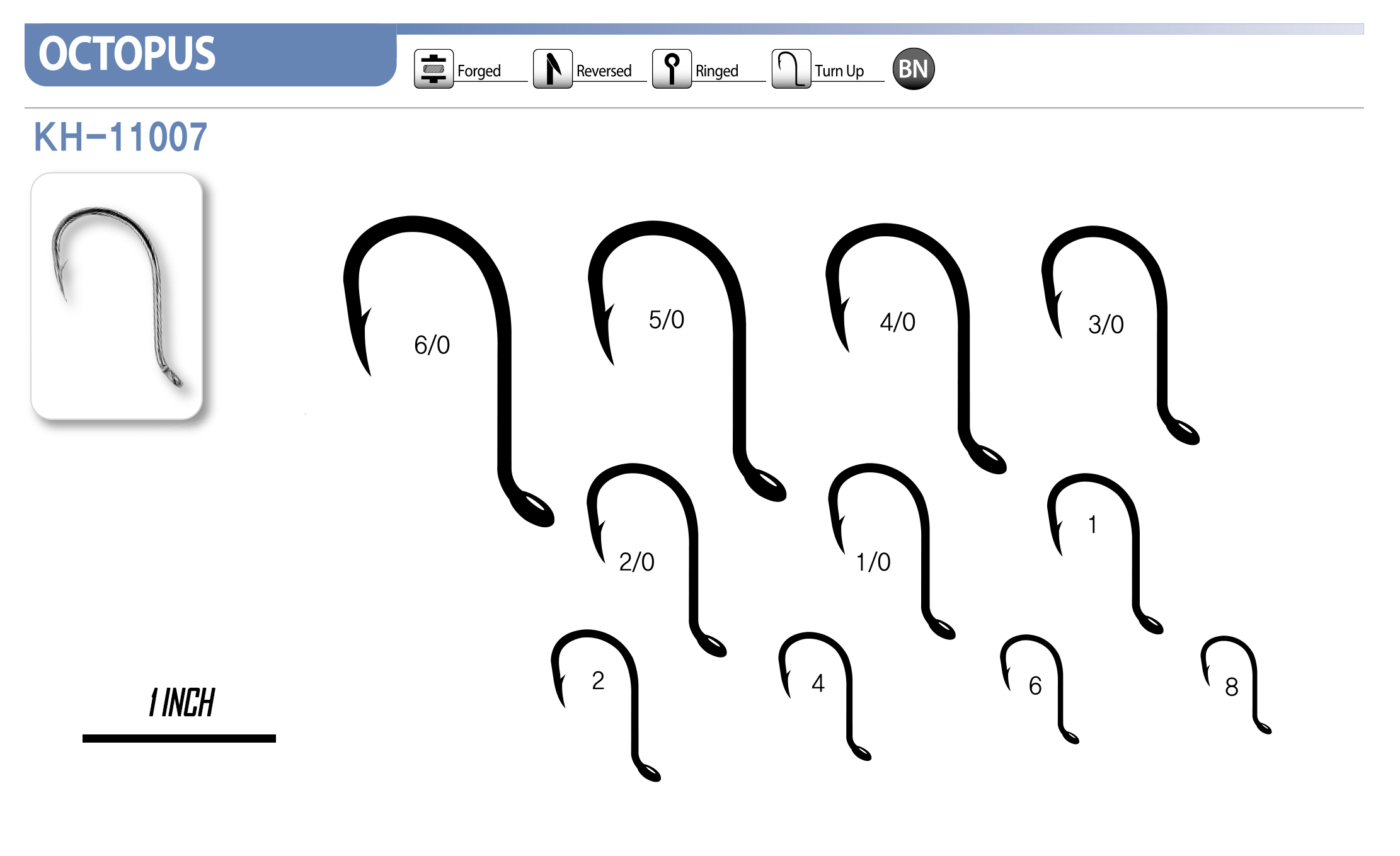
You're here, searching for a hook size chart, probably for your next fishing adventure or a craft project. These charts are a handy tool, offering a quick and easy way to find the right hook size for your needs. Whether you're a seasoned angler or a beginner, having a reliable reference like this is essential. The great thing about hook size charts is their simplicity; they provide a clear guide, and while the values may vary slightly depending on your location or the brand you use, they offer a consistent framework to work with.
Understanding the Chart: A Quick Overview
The hook size chart is a handy tool for anglers, providing a simple visual guide to choosing the right hook size for your fishing needs. It's a reference tool that displays hook sizes, often in a table format, to help you select the appropriate hook for your fishing line, bait, and target fish.
Comparing Hook Size Standards and Formats
Hook size charts can vary depending on the standard or region. For instance, the American system uses numbers, while the European system employs letters. These charts typically show hook sizes in a range, such as 2/0, 1/0, 1, 2, 4, 6, and so on, with smaller numbers indicating larger hooks. Some charts may also include additional information like hook type and recommended line strength.
Choosing the Right Hook: A Step-by-Step Guide
To use a hook size chart effectively:
- Identify your target fish species. Different fish require different hook sizes.
- Determine your fishing method: fly fishing, bait fishing, or other techniques.
- Check the chart for the recommended hook size based on your fish and technique.
- Consider the bait you're using; larger baits may require bigger hooks.
- Select a hook size that aligns with the chart's recommendations.
- Always double-check the exact specifications, especially for specialized fishing techniques.
Common Misreadings and How to Avoid Them
It's important to note that hook size charts provide general guidelines. Factors like hook brand, bait size, and personal preference can influence your choice. Misreading the chart might lead to selecting a hook that's too small or too large for your needs. Always consider the context and adjust accordingly.
Factors Affecting Accuracy: Key Considerations
Hook size and fish: Different fish species have varying mouth sizes and feeding habits, influencing the hook size required.
Hook size and line: The strength of your fishing line should match the hook size to ensure a secure connection.
Hook size and bait: The size of your bait plays a role; larger baits may need bigger hooks to support them.
Personal preference: Anglers may have their own preferences based on experience, so the chart serves as a guide, not a strict rule.
Some key factors that can cause variations include:
- Water conditions: Turbulent waters might require larger hooks to handle the current.
- Fish behavior: Active fish may need smaller, more subtle hooks.
- Hook material: Different hook materials can affect the hook's strength and size.
Adapting the Chart for Specific Needs
While the hook size chart provides a standard guide, anglers can adapt it for their unique situations. If you prefer a specific hook brand, you might need to adjust the size based on its unique characteristics. Specialized fishing techniques, like ice fishing or deep-sea fishing, may require custom hook size charts. Always consider the context and adjust the chart to fit your specific fishing needs.
Well, there you have it! A handy hook size chart is a simple yet effective tool to ensure your hook choices are spot on. Remember, while this guide offers a comprehensive overview, it's always wise to double-check the specific requirements of your project. Exact values can vary, so it's best to be prepared and ensure you're using the right reference for your needs.
Feel free to explore our other guides and resources; we've got plenty of practical tips and tricks to offer. Happy hook-choosing, and we hope you find the perfect fit for your next adventure!
Related: What's the best way to use a slacks size chart?
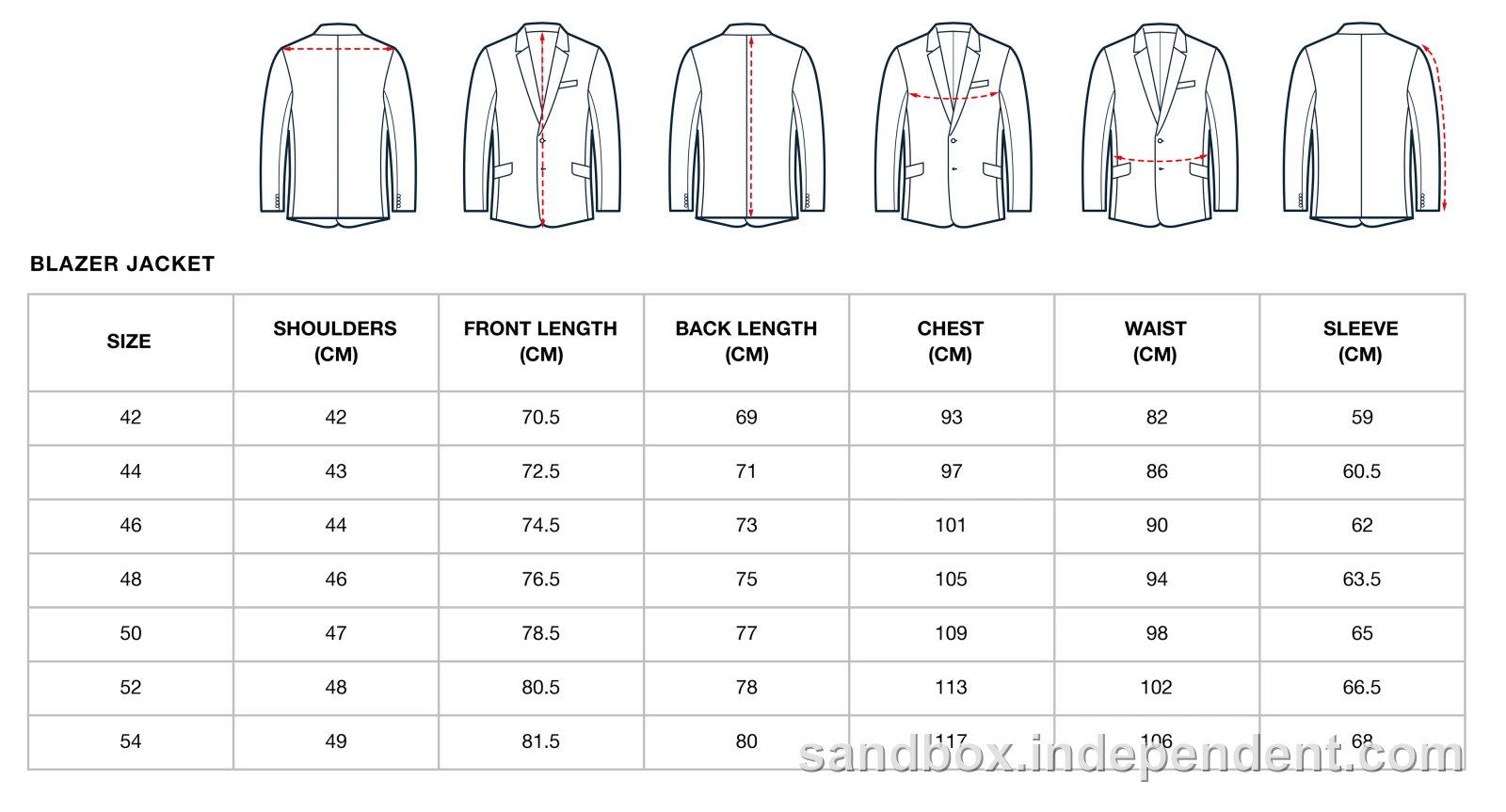
A slacks size chart is your handy tool for ensuring a perfect fit every time. This guide will walk you through the ins and outs, offering a simple approach to understanding those charts and ensuring you get the right size.
You'll find these charts are a great reference, offering waist size charts, pant guides, and even international size standards. While the values may vary slightly depending on the brand and region, they provide a reliable starting point for your measurements.
Understanding Slack's Size Chart
A waist size chart is a handy tool to help you find your perfect fit when shopping for slacks. It's a reference guide that translates your body measurements into the right size label, making it easier to choose the correct pair of pants.
Comparing Size Chart Standards
Size charts can vary depending on the brand and region. For example, a pant size guide from a US brand might use different measurements or labels compared to an international brand. It's important to check which standard the chart follows to ensure an accurate fit.
Step-by-Step Guide to Using the Size Chart
Using a slacks size chart is simple. Here's a quick guide:
Measure your waist: Use a tape measure to find your natural waist, which is usually the smallest part of your waist. Make sure the tape is snug but not too tight.
Find your waist size: Look for the waist measurement column on the chart. It will typically list a range of sizes, often in inches or centimeters. Find the number that matches or is closest to your waist measurement.
Check the hip measurement: Some charts also include hip measurements. If your hips are wider than your waist, ensure the hip measurement on the chart accommodates your body shape.
Consider the inseam: The inseam length determines how long your pants will be. Choose the length that suits your preference and height.
Avoiding Common Misreadings
It's easy to misinterpret a size chart if you're not familiar with it. Here are some tips to avoid common mistakes:
Always double-check the units of measurement. Some charts use inches, while others use centimeters.
Pay attention to the size labels. Brands might use different terminology, so ensure you understand their specific size categories.
If you're between sizes, it's often better to size up for comfort. Most charts provide a range, so choose the larger size if you're unsure.
Factors Affecting Accuracy
Several factors can influence the accuracy of a slacks size chart:
Body shape: The chart provides a general guide, but everyone's body is unique. Factors like muscle mass, bone structure, and body fat distribution can affect how clothes fit.
Fabric and design: The material and cut of the pants can impact the fit. Stretch fabrics might offer more flexibility, while structured fabrics may require a more precise fit.
Personal preference: Comfort and style are subjective. Some people prefer a looser fit, while others like their pants more tailored. Consider your personal style and comfort level when choosing a size.
Adapting the Chart for Your Needs
The beauty of a slacks size chart is its adaptability. You can use it as a starting point and make adjustments based on your preferences:
If you prefer a more relaxed fit, choose a size larger than your measured waist size.
For a more tailored look, opt for a size that matches your waist measurement precisely.
Consider the rise of the pants (high, medium, or low) and choose a size that aligns with your preference.
Keeping Your Reference Reliable
To ensure a consistent and reliable experience, it's beneficial to keep your slacks size chart updated:
Measure yourself regularly, especially if you've gained or lost weight. Body measurements can change over time, so it's essential to have an accurate reference.
Take note of the brand and style of pants you usually wear. This information can help you quickly identify your size when shopping online or in-store.
Share your measurements with trusted friends or family members. This way, they can assist you in finding the right size when shopping together.
Well, there you have it! A comprehensive guide to slacks size charts, covering all the bases. We've explored the different options, learned the steps to get an accurate fit, and even discussed some common pitfalls to avoid.
Remember, when it comes to size charts, there can be slight variations, so always double-check the specific requirements for your chosen brand or style. It's a good idea to keep this page bookmarked for future reference, so you can quickly refer back to it when needed. Stay stylish, and happy sizing!