


Wrist Size Chart Sheet Overview
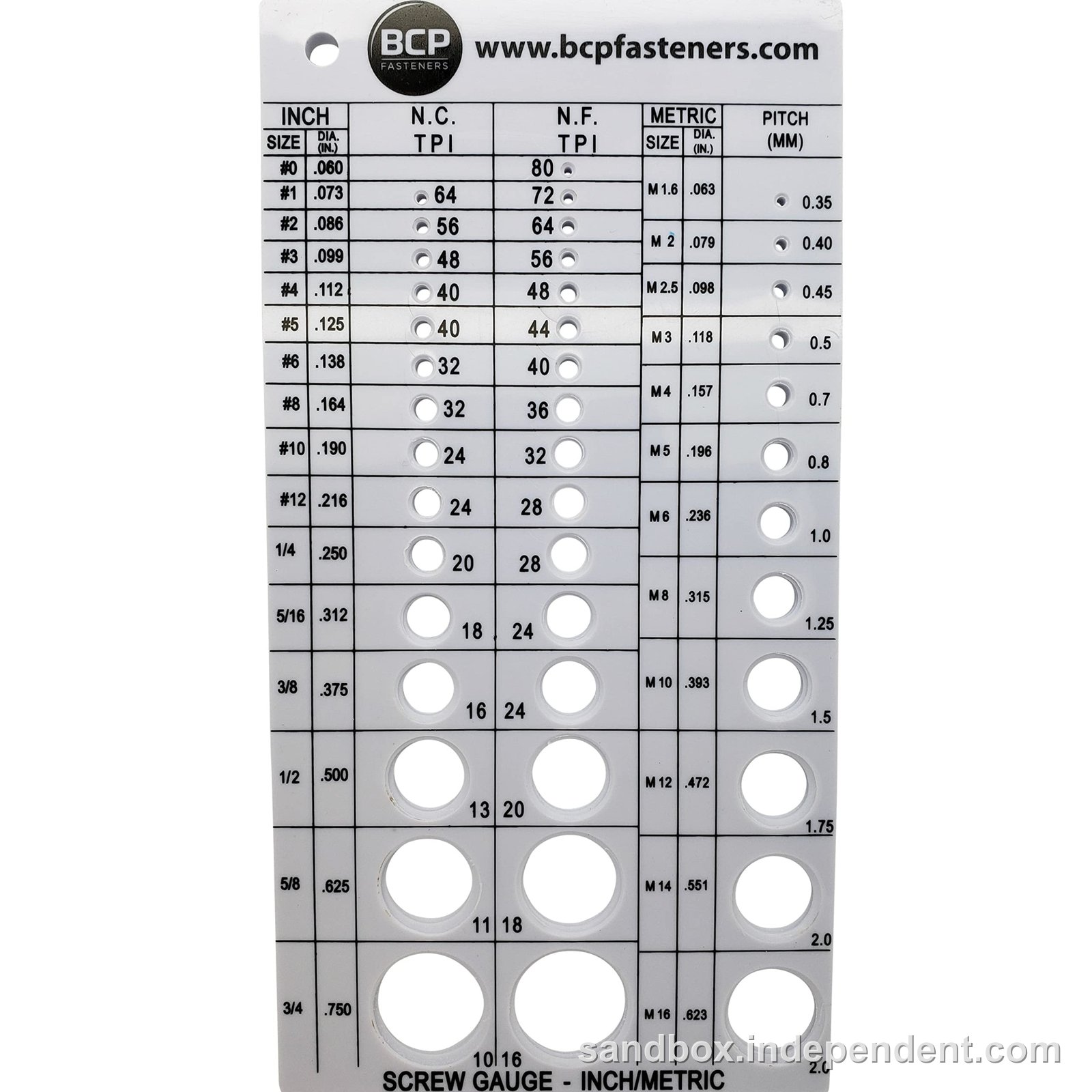
A common mistake people make when using a gauge size chart is assuming all charts are the same. But, it's important to remember that these charts can vary depending on the context and the specific system being used.
So, whether you're dealing with needle gauge charts or pipe gauge charts, understanding the variations and reading the right chart accurately is key. While the values and formats may differ, the gauge size chart remains a reliable tool, offering a quick and easy reference for your projects.
Understanding the Gauge Size Chart
The gauge size chart is your practical guide to understanding the different sizes and measurements used for various objects and materials. It's like a roadmap that helps you navigate the world of gauges and ensures you choose the right size for your needs. This chart provides a standardized way to compare and select the appropriate gauge, whether you're dealing with needles, wires, jewelry, or pipes.
Comparing Gauge Standards and Formats
Gauge sizes can vary depending on the standard being used. There are different systems, such as the standard gauge system and metric gauge measurements, which have their own scales and ranges. For example, the needle gauge chart may use a different scale compared to the wire gauge sizes. It's essential to know which standard applies to your specific application to ensure accurate readings.
Reading the Table: A Step-by-Step Guide
When using a gauge size chart, follow these steps:
Identify the Type: Determine what you need the gauge for, such as needles, wires, or pipes. Each type may have a slightly different chart or scale.
Choose the Standard: Select the appropriate standard for your region or industry. Common standards include the US system and international metric measurements.
Locate the Size: Find the size you require on the chart. The chart will typically have a column or row dedicated to the gauge sizes, with corresponding measurements.
Convert if Needed: If your chart uses a different standard than your application, you may need to convert the size. For instance, converting between jewelry gauge sizes and metric gauge measurements might be necessary.
Common Misreadings and How to Avoid Them
Misinterpreting a gauge size chart can lead to mistakes. Here are some tips to avoid common pitfalls:
Always double-check the standard being used. Different industries or regions may have unique specifications.
Pay attention to the units. Gauge charts may use various units, such as inches or millimeters, so ensure you're reading the correct column or row.
Be aware of tolerances. Some gauges have specific tolerances, and the chart might not cover every possible variation. Check the exact specifications if needed.
Avoid assuming. Don't make assumptions about gauge sizes, especially when dealing with specialized applications. Always refer to the chart for accurate information.
Remember, the gauge size chart is a valuable tool, but it's essential to use it correctly to ensure precision and avoid errors.
Hey there! We've covered a lot of ground with this gauge size chart, giving you the lowdown on the different options and how to use them effectively. Remember, the exact details might shift a bit depending on your specific needs and the standards you're working with.
Don't stress, though; we've got you covered with a range of other guides and resources to explore. Why not check out some of our other practical posts and discover more handy tips and tricks? It's a great way to stay informed and ensure you're always using the right tools for the job. Happy reading, and keep those projects on track!
Related: Need a shirt size chart? Find your perfect fit!
You're probably here because you need a quick fix, a simple solution to finding your perfect shirt size. And what better tool than a shirt size chart? It's a handy reference, a map to navigate the world of clothing sizes, and it's right at your fingertips. These charts offer a straightforward way to ensure you get the right fit, and they can vary slightly depending on the brand or region, so it's always good to have a reliable guide.
Shirt Size Chart: A Practical Guide
A shirt size chart is a handy reference tool that helps you find the perfect fit for your shirts. It provides a standardized way to determine your size based on key body measurements. These charts are essential for online shopping or when you need to order custom-made shirts.
Key Details and Categories
The shirt size chart typically includes measurements for chest circumference, waist circumference, and sometimes arm length. These measurements are usually given in inches or centimeters, depending on the standard being used. The chart also provides a range of sizes, often in small increments, to ensure a precise fit. For example, a chart might offer sizes from XS to 5XL, with each size representing a specific measurement range.
Step-by-Step Guide: Reading and Using the Chart
Follow these steps to accurately determine your shirt size using a size chart:
Measure your chest circumference at the fullest part of your chest, keeping the measuring tape parallel to the floor. This measurement is crucial for finding the right fit.
Locate your chest measurement on the chart. The chart will guide you to the corresponding size, often with a range of measurements for each size. For instance, a size Medium might fit chest circumferences between 38 and 40 inches.
If the chart provides waist circumference measurements, repeat the process for your waist. This measurement ensures a comfortable fit around your midsection.
Compare your measurements to the size chart's ranges. Choose the size that aligns most closely with your measurements. If your measurements fall between two sizes, consider factors like your preferred fit (more relaxed or snug) and the fabric's stretchability.
For more precise fitting, some charts may include arm length measurements. Measure your arm length from the base of your neck to your wrist. Match this measurement to the chart's arm length column to ensure a perfect sleeve length.
Understanding Variations and Differences
It's important to note that shirt size charts can vary depending on the brand, manufacturer, or even the specific style of shirt. Some brands may have slightly different measurement standards or size increments. Additionally, the intended fit of the shirt (e.g., slim, regular, or relaxed) can impact the size chart. Always check the brand's size guide or any notes about fit to ensure an accurate selection.
Common Mistakes and How to Avoid Them
One common mistake is relying solely on your usual shirt size without considering the specific brand or style. Each brand may have its own unique sizing system, so it's crucial to refer to their size chart. Another mistake is neglecting to measure yourself accurately. Take precise measurements, especially for the chest and waist, to ensure an accurate fit. Avoid guessing or estimating, as this can lead to disappointment with the final product.
Practical Fitting Tips for Accurate Results
To ensure the best fit, consider these tips:
When measuring, stand naturally and relax your arms. Avoid pulling the measuring tape too tight or too loose.
If you're between sizes, choose the larger size for a more comfortable fit, especially if the shirt has a slim or tailored cut.
Pay attention to the fabric and its stretchability. Some fabrics, like cotton blends, have more give, while others, like linen, are more rigid.
Check the brand's size guide for any specific notes or recommendations. They might offer tips for their unique sizing or suggest sizing up or down for certain styles.
Consider the intended use of the shirt. If it's for a formal occasion, you might want a more tailored fit, while casual shirts can allow for a looser fit.
Remember, the shirt size chart is a valuable tool, but it's just a guide. Always prioritize your comfort and personal style when making a final decision.
Well, there you have it! A shirt size chart is a handy tool to ensure you get the perfect fit every time. Remember, while these charts provide a great starting point, exact values can vary, so it's always wise to check the specific guidelines for your chosen brand or standard.
Don't forget to explore our other guides and resources; we've got plenty of practical tips to help you navigate the world of fashion and sizing with ease. Stay tuned for more!
Related: How to Read a Skin Tone Chart?
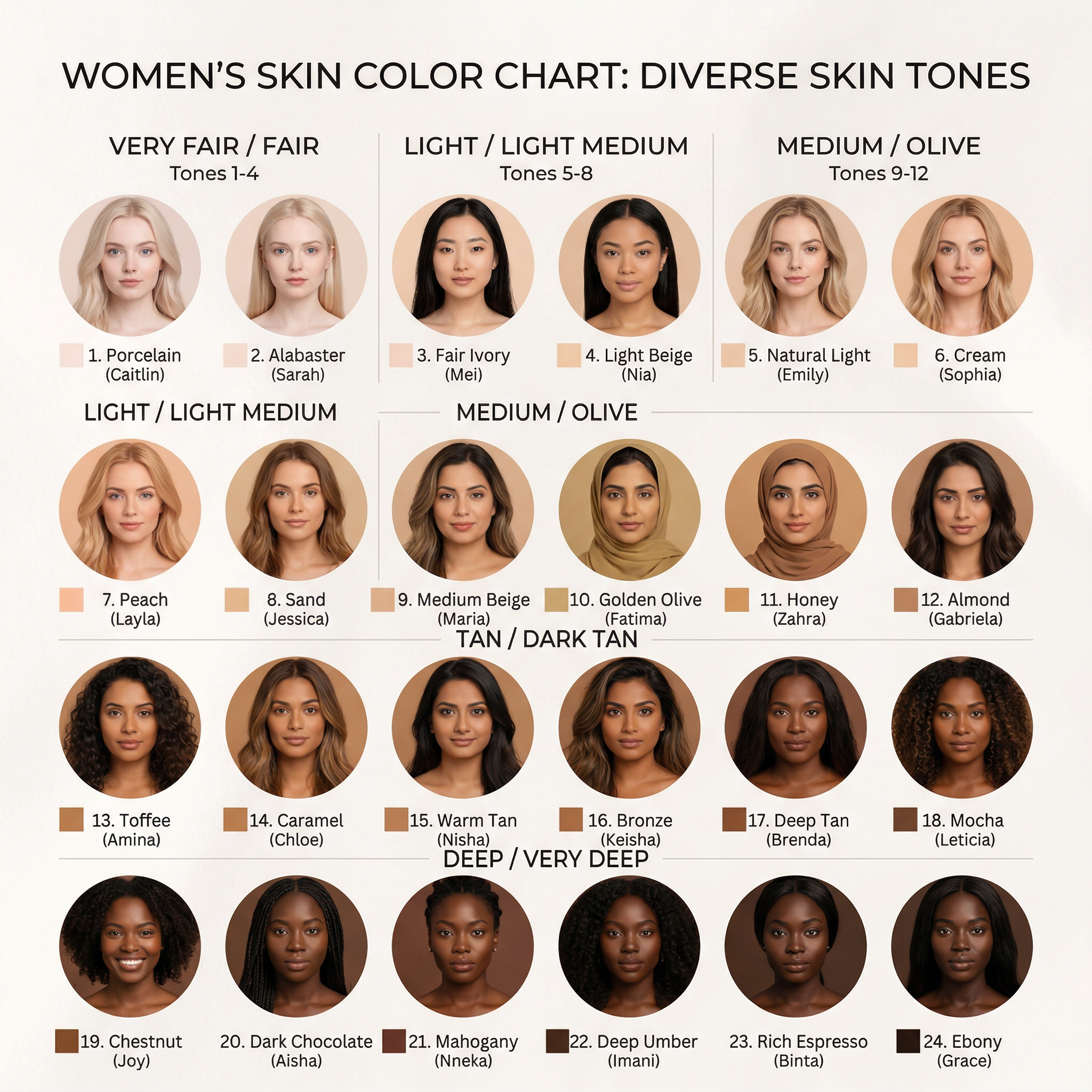
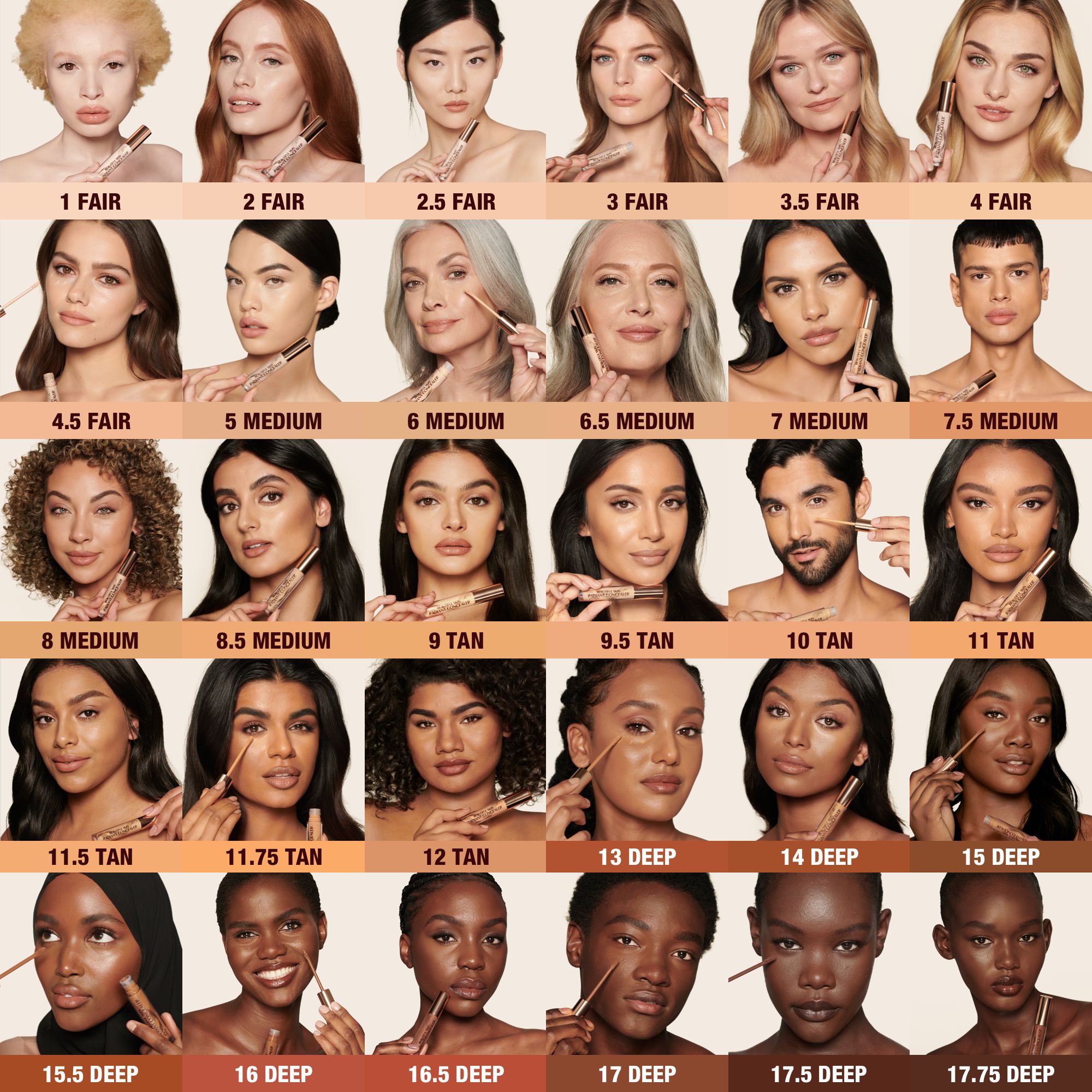
You're probably here because you need a quick reference or a simple guide to understanding skin tone charts. These charts are a handy tool, offering a visual representation of skin tones, and they can be incredibly useful when you're seeking the perfect match for your foundation or even for artistic purposes. It's a great way to ensure accuracy and find your ideal shade, and while the values may vary depending on the context, they provide a reliable starting point.
Understanding Skin Tones: An Overview
The skin tone chart is a helpful tool to understand and categorize skin colors. It offers a visual representation of various skin tones, providing a reference for accurate shade matching. This chart is particularly useful in industries like cosmetics and fashion, where precise tone identification is essential.
Comparing Standards and Scales
Several standards and scales exist to measure and categorize skin tones. The most well-known is the Fitzpatrick scale, which classifies skin types based on their response to sun exposure. This scale has six categories, ranging from very light to deeply pigmented. Another popular reference is the Munsell skin color charts, which use a three-dimensional color system to represent skin tones. These charts provide a more detailed and nuanced view of skin colors.
Practical Colorimetry: Step-by-Step Guide
Using a skin tone chart is straightforward:
Identify the primary color of your skin. This is the base tone, often referred to as the undertone. Common undertones are cool (pink or blue), warm (yellow or golden), and neutral (a balance of cool and warm).
Determine your skin's lightness or darkness. This is measured on a scale, with higher numbers indicating lighter skin and lower numbers representing darker tones.
Combine these two factors to find your exact position on the skin tone chart. This will give you a precise shade reference for various applications.
Avoiding Misreadings and Pitfalls
It's essential to understand that skin tones can be complex and unique. While charts provide a helpful guide, they might not capture every variation. Here are some tips to ensure accurate readings:
Ensure you're using the correct standard or scale for your specific needs. Different industries may use varying charts, so double-check to avoid mismatches.
Consider the lighting conditions. Natural daylight is best for an accurate assessment, as artificial lighting can alter perceptions.
Be aware of your skin's natural changes. Factors like sun exposure, aging, and certain medical conditions can affect your skin tone over time. Regularly re-evaluate your position on the chart to ensure accuracy.
Key Factors Affecting Accuracy
Several factors can influence the accuracy of a skin tone chart:
Sun exposure and tanning can darken your skin temporarily or permanently.
Aging often leads to a decrease in skin pigmentation, making it lighter.
Certain medications and medical treatments can affect skin color.
Cultural and regional variations exist, with some populations having unique skin tone distributions.
Adapting the Chart for Specific Needs
While standard skin tone charts offer a broad reference, specific industries may require tailored versions. For example, cosmetic brands often create their own shade guides to match their product ranges precisely. These adapted charts ensure an accurate match for foundation and makeup shades. Similarly, fashion designers might use customized charts to select the right fabric colors for different skin tones.
Hey there, I hope this guide has been helpful in your skin tone chart adventures! Remember, while the basics remain the same, the exact details might shift a bit based on your unique needs and the specific chart you're using.
Don't stress, just take it step by step, and you'll find the perfect fit for your requirements. Feel free to explore our other guides for more practical tips and tricks. Consider this page bookmarked for future reference - it's always good to have a handy reminder!