


Yarn Gauge Chart For Kids Overview
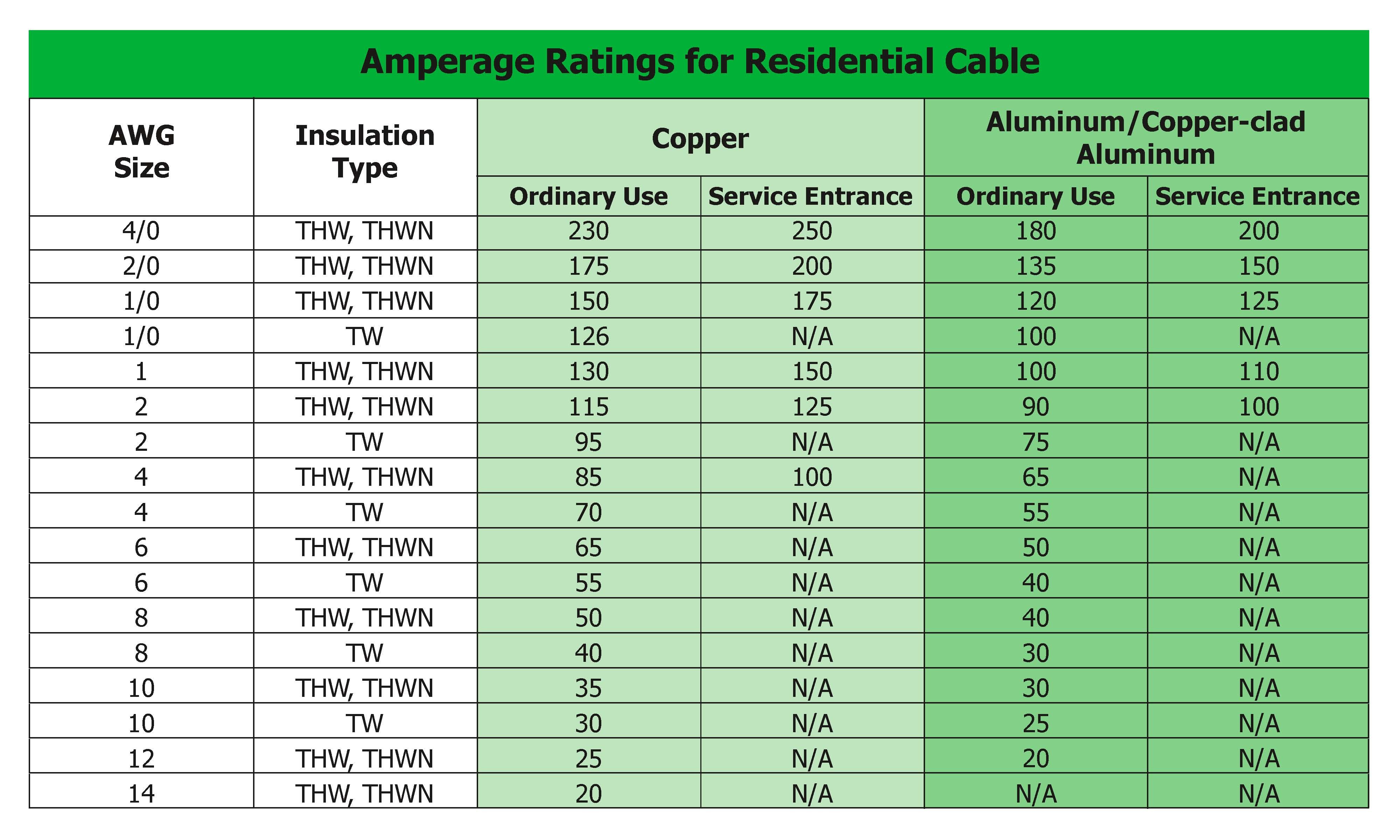
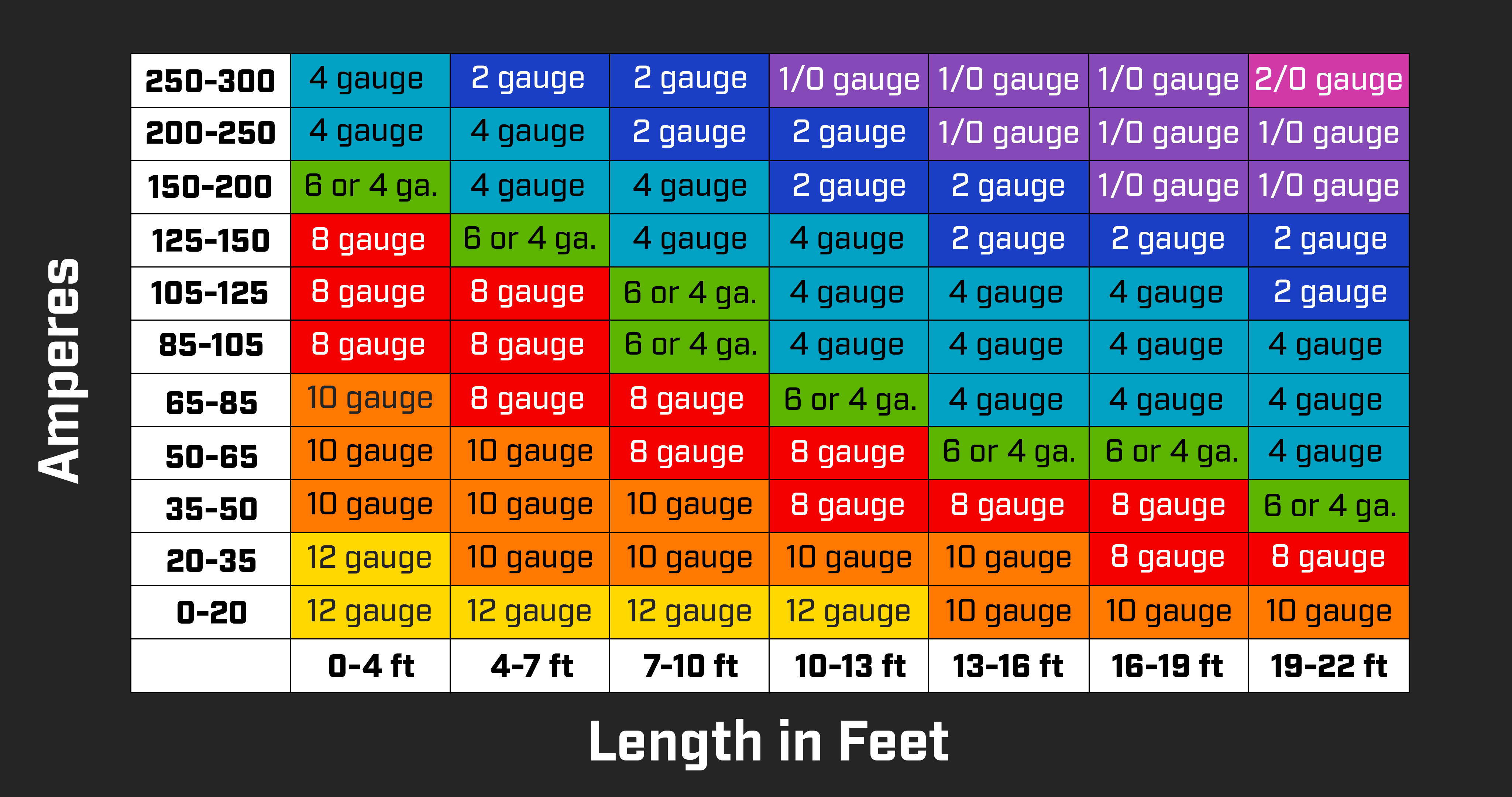
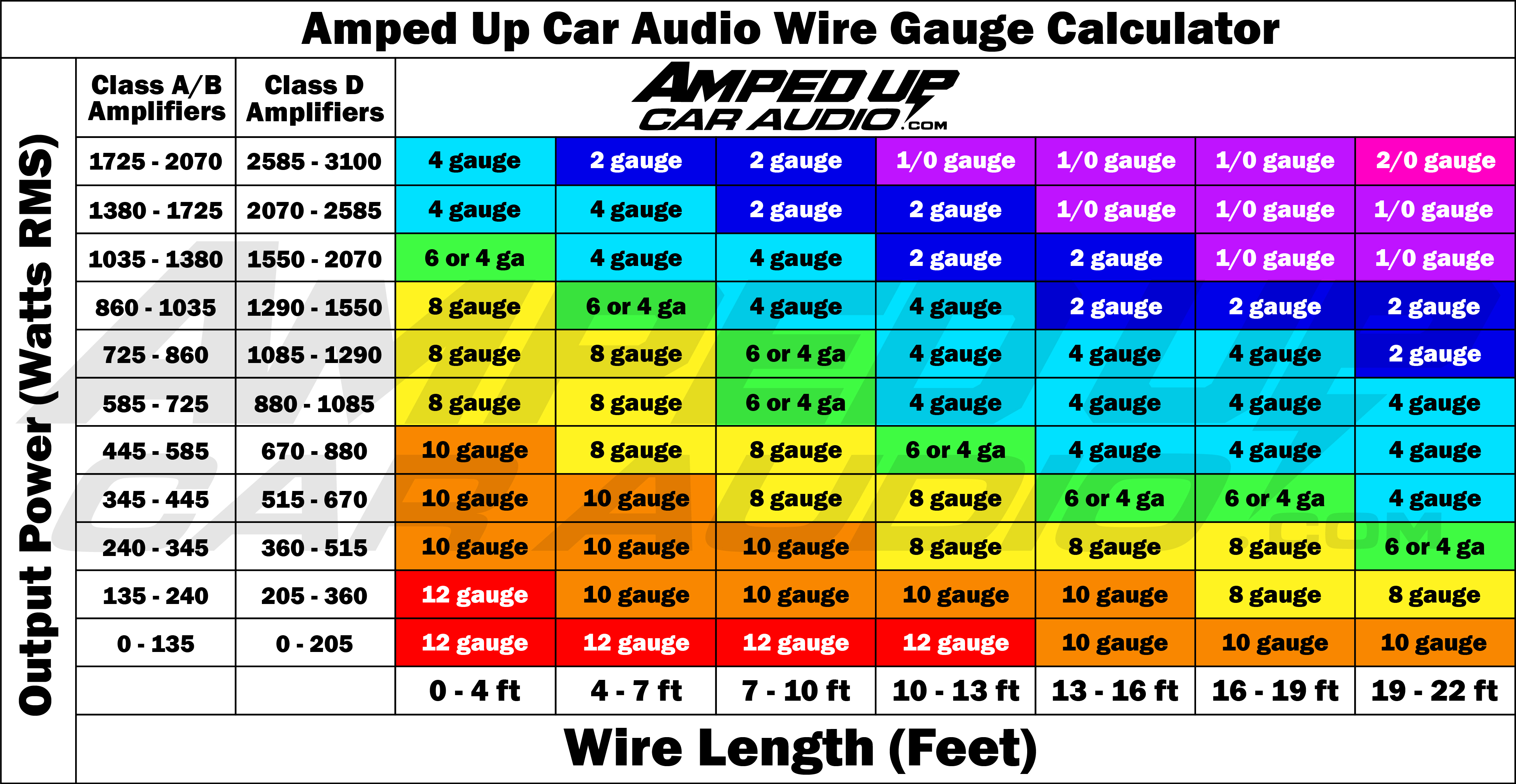
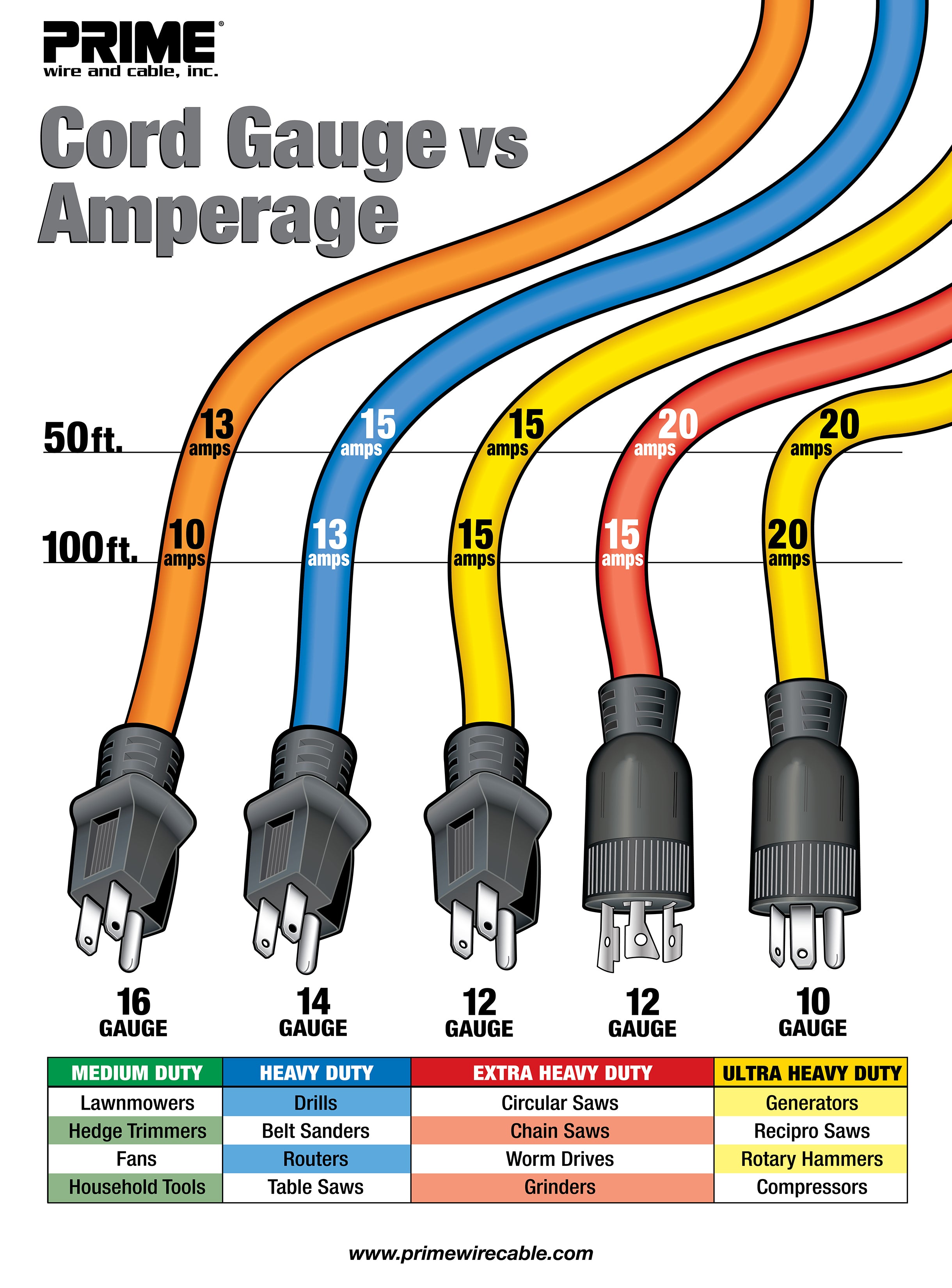
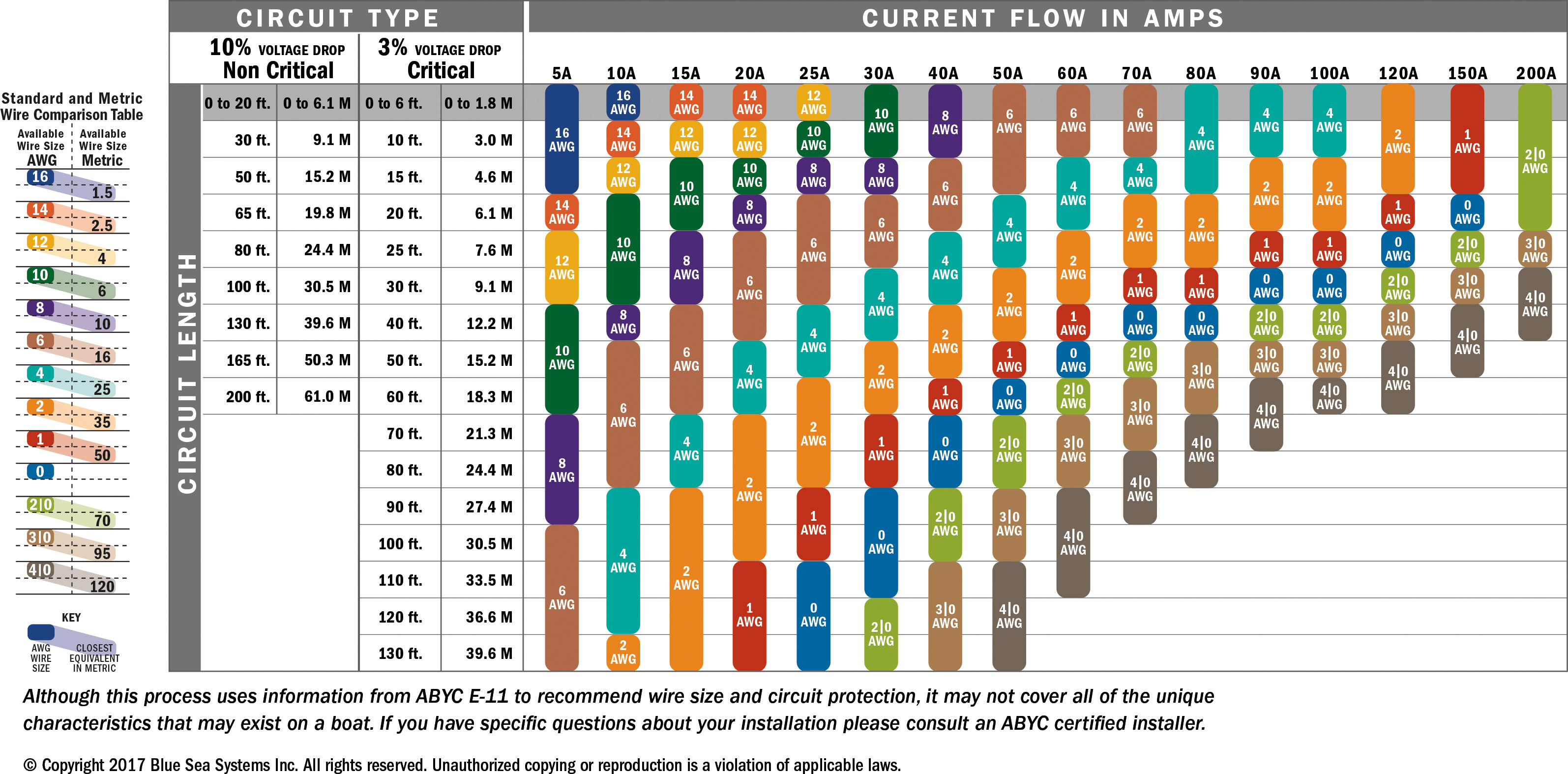
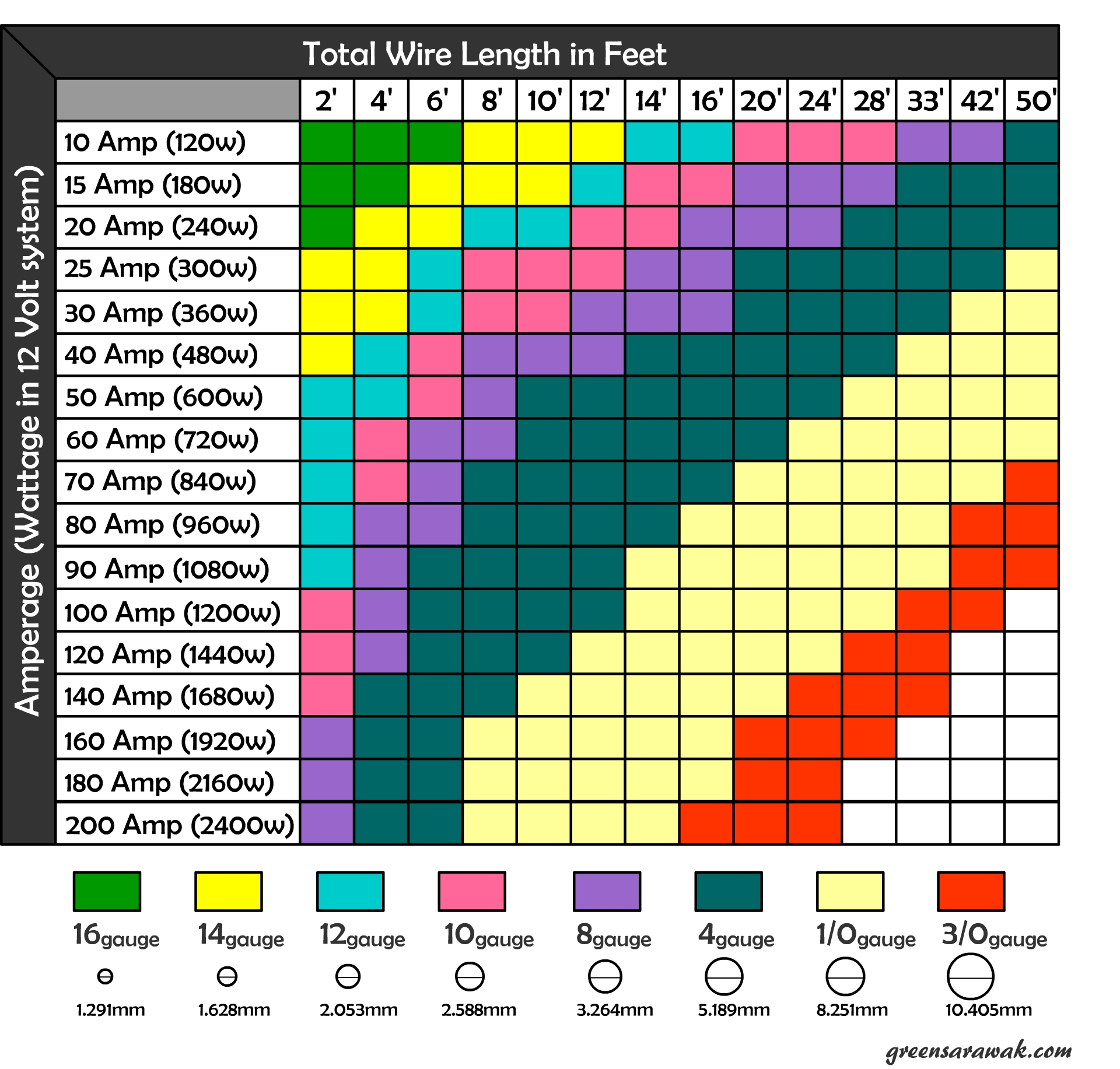
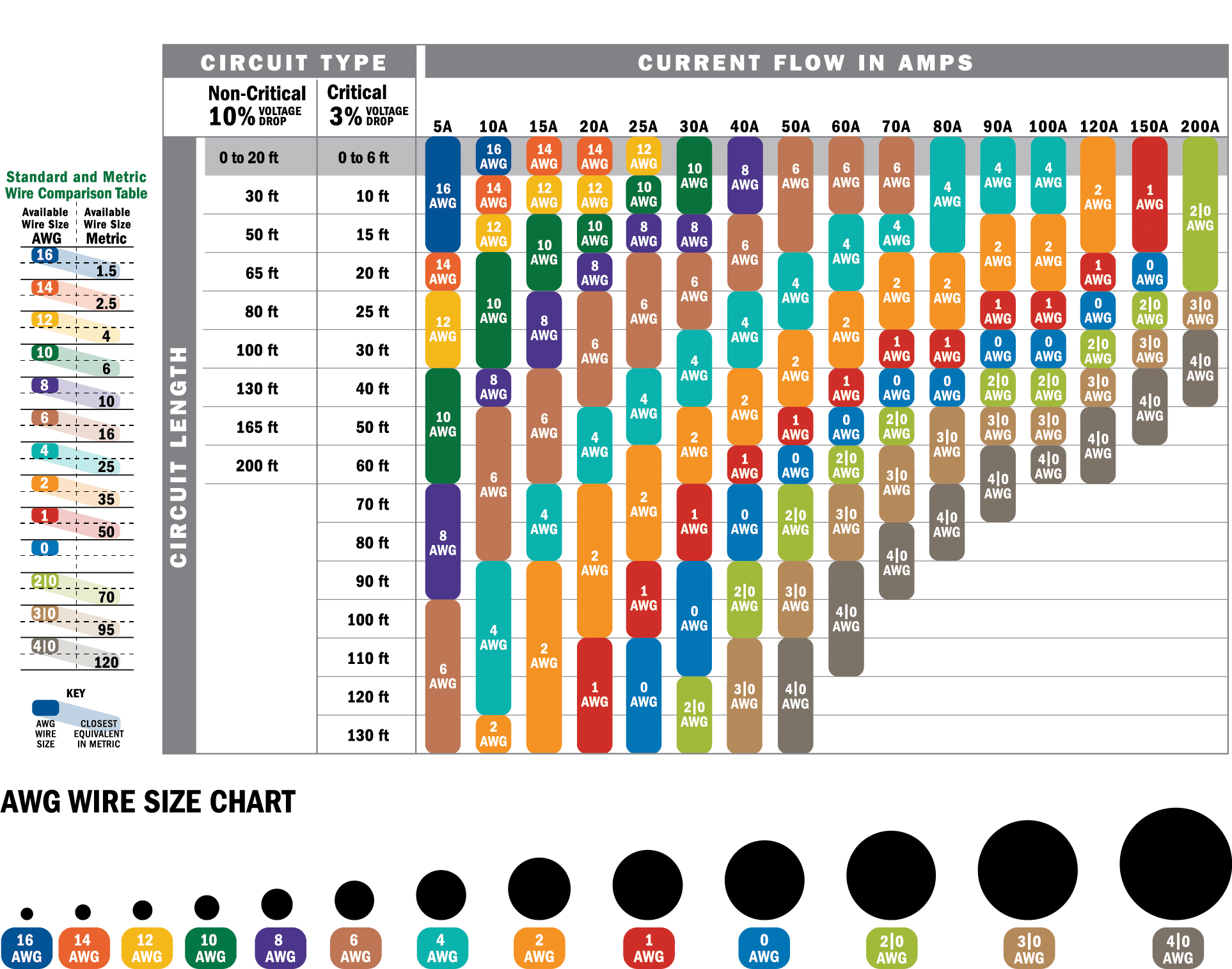
You're here because you need a reliable guide to help you navigate the wire amp chart and its essential details. This chart is a handy tool, offering a quick reference for understanding wire gauge and ampere capacity. It provides a clear visual representation, ensuring you can make accurate choices when selecting wires for your projects. While values may vary depending on certain factors, the wire amp chart serves as a valuable starting point, offering a simple and effective way to ensure your electrical work is safe and efficient.
Understanding the Wire Amp Chart: A Practical Guide
The wire amp chart is a valuable tool that provides essential information about the current-carrying capacity of different wire sizes. It offers a quick reference guide to determine the appropriate wire gauge for your electrical needs. This chart is designed to help you make informed decisions and ensure safe and efficient wiring installations.
Comparing Wire Gauge Amp Charts: Standard AWG Measurements
AWG (American Wire Gauge) is a standard system used to measure wire thickness. The wire amp chart typically displays wire sizes based on this standard, showing the relationship between wire gauge, current capacity, and other relevant factors. It is important to note that different standards and regions may have variations, so it is crucial to refer to the correct chart for your specific needs.
Step-by-Step Guide: Using the Wire Ampacity Chart
To utilize the wire amp chart effectively, follow these steps:
- Identify the wire gauge you are working with or planning to use. This information is usually available on the wire's label or packaging.
- Locate the corresponding wire gauge on the chart. The chart typically lists wire sizes in a clear, organized manner, often with a column dedicated to AWG measurements.
- Read across the row to find the current capacity, which is usually measured in amperes (A). This value indicates the maximum current the wire can safely carry.
- Consider any additional factors, such as temperature, bundle size, and insulation type, as these can affect the wire's ampacity. The chart may provide guidance or separate columns for these variables.
- Choose the appropriate wire size based on your current requirements and any specific conditions. Ensure you select a wire with sufficient ampacity to handle the expected load.
Avoiding Misreadings and Pitfalls
One common mistake is assuming that all wire amp charts are universal. It is essential to double-check the chart's standards and ensure it aligns with your region's specifications. Additionally, pay attention to the units used; some charts may display current capacity in amperes (A) while others might use different units, such as milliamps (mA). Always verify the units to avoid confusion.
Key Factors Affecting Accuracy and Real-World Use
The accuracy of the wire amp chart depends on several factors:
Ampacity for copper conductors can vary based on temperature. Higher temperatures reduce the wire's current-carrying capacity.
Bundle size: Wires in close proximity generate heat, affecting their ampacity.
Insulation type: Different insulation materials have varying effects on wire performance.
Voltage drop: Long wire runs can result in voltage loss, impacting the wire's ability to carry current.
[Wire gauge] - [Current capacity (A)]
[Temperature] - [Ampacity variation]
[Bundle size] - [Heat generation and impact on ampacity]
[Insulation type] - [Performance considerations]
Adapting the Wire Ampacity Chart for Specific Needs
While the wire amp chart provides a valuable reference, it is not a one-size-fits-all solution. For specialized applications or unique conditions, you may need to consult additional resources or seek expert advice. Always prioritize safety and ensure your wiring installations meet the required standards and regulations.
Remember, when it comes to wire amp charts, the specifics can differ slightly based on your unique context. So, take a moment to review the details that apply to your situation, and don't hesitate to reach out if you need further clarification.
If you found this guide helpful, feel free to explore our other resources. We've got a range of practical tips and insights to offer, covering various topics that can enhance your understanding and make your projects even more successful. Happy exploring!
Related: What is the "kilo chart to lbs"?
You're probably here because you need a quick conversion reference, and the kilo chart to lbs is a handy tool for just that. It's a simple yet effective way to get accurate weight conversions from kilograms to pounds, and it's great for those who need a reliable, visual guide. This chart, or weight conversion table, is a practical solution, especially when you're in a hurry and need a straightforward answer.
Understanding the Kilo Chart to Lbs
The kilo chart to lbs is a simple yet effective tool for converting weights between the metric and imperial systems. It provides a quick and easy reference for those who need to make weight conversions, especially when dealing with kilograms and pounds. This chart is a handy guide, offering a visual representation of the relationship between these two common units of measurement.
Comparing Metric to Imperial Weight Standards
The chart typically displays a range of weights in kilograms on one axis and the corresponding values in pounds on the other. It's a straightforward way to visualize and understand the conversion process. You'll often find these charts with clear labels and color-coding, making it easy to identify the relevant values. For instance, a common format might show weights in kilograms on the left, with the equivalent pound values increasing rightwards.
Step-by-Step: Using the Kilo Chart to Lbs
To use the chart, simply locate the weight you wish to convert on the kilogram scale. Follow the row or column to find the corresponding value in pounds. It's as simple as that! For example, if you want to know how many pounds are in 5 kilograms, just find the 5 kg mark on the chart and read the value it aligns with on the pound scale. This method is quick and accurate, perfect for on-the-go conversions.
- Identify the weight in kilograms.
- Locate this value on the chart.
- Follow the row or column to the corresponding pound value.
- Read the value to get your conversion.
Common Measurement Mistakes and How to Avoid Them
While the kilo chart to lbs is a great tool, it's important to be aware of potential variations. Different standards and regions may have slight differences in their conversion factors. Always double-check the specific standard or region you're working with to ensure accuracy. Here are some key factors to consider:
- Imperial units can vary slightly depending on the context and region.
- Metric system conversions may have small differences due to rounding or specific application needs.
- Always check the chart's legend or key to understand any specific symbols or color codes.
- Be mindful of any additional factors, like the weight of packaging, which might affect the final result.
So, there you have it, a handy kilo-to-pound conversion chart to keep at your fingertips. With this simple guide, you can easily navigate between the two measurement systems and avoid any potential confusion.
Remember, while this chart provides a quick and practical solution, exact values can vary slightly depending on the specific standard or source you're working with. So, it's always a good idea to double-check your context and requirements before making any final calculations. Bookmark this page for a handy reference, and you'll be a conversion pro in no time!
Related: How to use the Vans size chart?
You're on a mission to find the perfect fit for your new Vans, and the Vans size chart is your trusty guide. It's a simple yet effective tool, offering a quick and reliable way to ensure you get the right size. This chart, a handy reference, provides an easy-to-read overview of men's and women's sizes, with length and width measurements to help you match your feet to the ideal pair. While the values may vary slightly depending on the style and region, the Vans size chart is a great starting point for an accurate fit.
Understanding Vans Size Chart
The Vans size chart is your go-to guide for finding the perfect fit for your favorite Vans sneakers. It's a handy tool that simplifies the sizing process, ensuring you get the right size for a comfortable and stylish stride.
Key Details and Categories
This chart provides a comprehensive breakdown of Vans shoe sizes, covering both men's and women's styles. The sizes are typically presented in US standard measurements, with length and width dimensions for each size. You'll find a clear table or diagram, making it easy to locate your ideal size.
Step-by-Step Guide to Reading the Chart
Here's a simple guide on how to navigate the Vans size chart:
- Identify your gender: The chart often separates men's and women's sizes, so start by locating the relevant section.
- Find your US size: Look for the column or row labeled with your US shoe size.
- Check the length and width: The chart will provide measurements for both length and width, ensuring a precise fit.
- Convert if needed: If you're more familiar with international sizes, use the conversion chart provided to find your equivalent US size.
- Choose your style: Different Vans styles might have slight variations, so ensure you're referring to the correct style guide.
Variations and Differences
It's important to note that shoe sizing can vary slightly between brands and even within the same brand for different styles. Vans, like many other shoe manufacturers, may have slight variations in their sizing charts to accommodate different foot shapes and preferences. These variations ensure a comfortable fit for a wide range of wearers.
Common Mistakes and How to Avoid Them
One common mistake is assuming that your Vans size will be the same as your regular shoe size. Always refer to the Vans shoe size chart specifically, as it may differ from other brands you wear. Another pitfall is neglecting to measure your foot properly. Ensure you follow the provided guidelines for accurate measurements.
Tips for Accurate Sizing
To ensure an accurate fit, consider these practical tips:
- Measure your foot regularly, especially if you're between sizes or notice any changes.
- Try on multiple sizes if possible, especially if you're new to Vans or have unique foot characteristics.
- Pay attention to the width measurements; a wide foot might require a different size than what you usually wear.
- Consider the style of Vans you prefer; some styles might fit slightly differently due to their design.
Double-Checking and Handling Exceptions
While the Vans size chart is a reliable guide, it's always a good idea to double-check the specific style and model you're interested in. Some Vans styles might have unique features or fit preferences, so referring to the detailed sizing guide for that particular style is recommended. Additionally, if you have unique foot characteristics, such as a wide or narrow foot, you may need to adjust your size accordingly. Always trust your comfort and fit preferences.
Well, there you have it! A comprehensive guide to understanding the Vans size chart. It's always best to be prepared and know your size, especially when it comes to finding the perfect fit.
Remember, while this guide provides a solid foundation, it's always wise to check the specific size chart for the style you're interested in. Vans, like many brands, may have slight variations, so double-checking ensures you get the right size for your feet. Happy shopping, and don't forget to explore our other helpful guides to enhance your shoe-buying experience!