







Yarn Size Chart Easy Overview
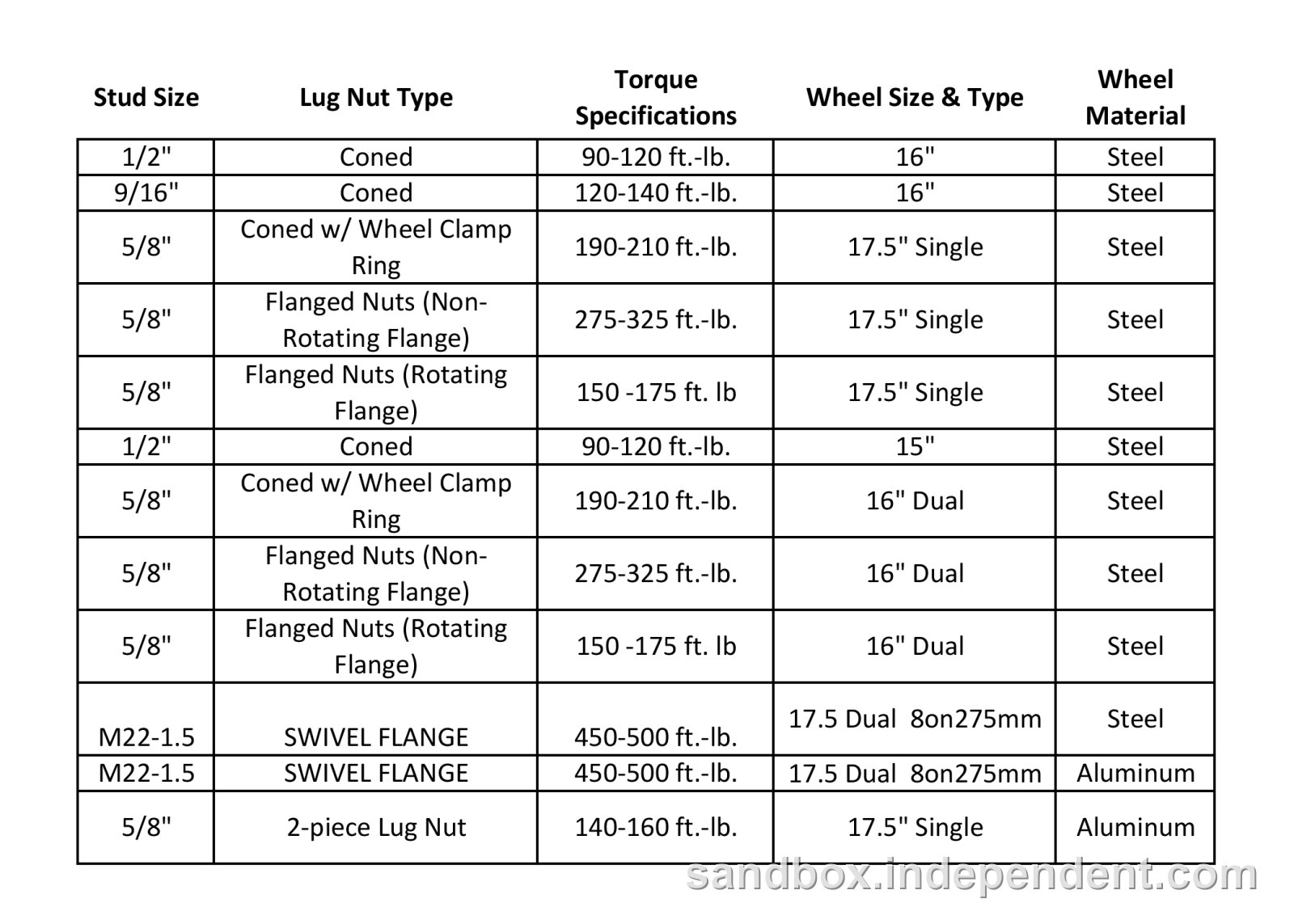
Many people often mistake cox and charter for being interchangeable terms, but they are, in fact, distinct concepts with specific applications. Cox and charter, a reference table, offers a clear and organized way to understand and utilize a set of standards and measurements. It provides a visual guide, ensuring accuracy and consistency, which is crucial for various practical purposes.
Understanding the Cox and Charter Chart
The cox and charter chart is a valuable reference tool, providing a visual representation of standard measurements and categories. It offers a quick and easy way to compare and understand various specifications, making it an essential guide for professionals and enthusiasts alike. This chart is particularly useful when dealing with complex systems or processes that involve multiple variables.
Comparing Options: Cox vs. Charter
The cox and charter chart presents two primary categories: Cox and Charter. Each category has its own set of measurements and specifications, allowing for a clear comparison. The Cox category often represents a more traditional or established standard, while Charter offers an alternative, sometimes with modern adaptations. The chart provides a side-by-side view, making it simple to identify the differences and choose the most suitable option for a given application.
Step-by-Step Guide to Using the Chart
- Identify the Category: Begin by determining whether your specific application falls under the Cox or Charter category. This initial step is crucial as it sets the foundation for accurate interpretation.
- Locate the Relevant Measurements: Once you've identified the category, locate the corresponding measurements or specifications on the chart. These measurements are typically presented in a clear, tabular format, making it easy to find the values you need.
- Interpret the Data: The chart provides a range of values for each measurement. Understand the context and purpose of your application to interpret these values accurately. Consider any specific requirements or tolerances that may apply to your project.
- Apply the Information: With the relevant measurements in hand, you can now apply this knowledge to your project. Whether it's selecting the right components, calculating dimensions, or making informed decisions, the cox and charter chart ensures you have the necessary data to proceed with confidence.
Common Misreadings and How to Avoid Them
While the cox and charter chart is designed for simplicity, misreadings can occur. One common mistake is failing to consider the specific standard being used. Remember, measurements and categories may vary depending on the standard, so always double-check the applicable standard for your project. Another pitfall is assuming the chart covers every possible scenario. While it provides a comprehensive overview, there may be exceptions or unique cases that require additional research or consultation with experts.
Factors Affecting Accuracy and Real-World Use
The accuracy of the cox and charter chart relies on several key factors. Firstly, the chart's effectiveness depends on staying up-to-date with the latest standards and specifications. Regular updates ensure the chart remains relevant and accurate. Secondly, the chart's applicability varies across industries and regions. What may be standard in one field might differ in another, so understanding the specific context is essential. Lastly, while the chart provides a valuable reference, it is always beneficial to cross-reference with other resources or seek expert advice for complex or critical applications.
Remember, while this guide provides a solid framework, the specifics may shift based on your unique context. Every situation is different, so adapt these principles to fit your needs.
Feel free to explore our other guides, where you'll find a wealth of practical information and tips to enhance your understanding and skills. We've got you covered, whether you're seeking more comparisons, step-by-step guides, or insights into potential pitfalls. Happy learning!
Related: Cat Dental Chart: A Comprehensive Guide
Many cat owners overlook the importance of understanding their pet's dental health, but a cat dental chart is a valuable tool to have in your kitty care arsenal. It's not as scary as it sounds; this chart is a simple, visual guide to help you navigate your cat's teeth and their unique numbering system. While it may seem like a foreign concept, it's an easy-to-use reference, and once you get the hang of it, you'll wonder why you didn't explore it sooner! The chart, often featuring a cat teeth diagram, provides a clear overview of your cat's dental anatomy, and it's worth taking the time to familiarize yourself with it.
Understanding the Cat Dental Chart
The cat dental chart is a handy reference tool for cat owners and veterinary professionals. It provides a visual representation of a cat's teeth, helping you identify and locate specific teeth easily. This chart is like a map, guiding you through your cat's dental anatomy.
Standard Tooth Notation and Formats
The cat dental chart typically follows a consistent format, using a standardized tooth notation system. This system assigns unique codes or numbers to each type of tooth, indicating its position in the cat's mouth. For example, the notation may use a combination of letters and numbers, such as 'I1' for the first incisor or 'PM4' for the fourth premolar. These notations are universal and help ensure consistency across different charts and references.
Step-by-Step Guide to Using the Cat Dental Chart
- Familiarize yourself with the chart's layout. Identify the different sections representing the upper and lower jaws, and note the tooth types and their positions.
- Locate the specific tooth you want to examine or treat. Use the standardized notation to find the correct tooth on the chart.
- Refer to the chart to understand the tooth's characteristics, such as its size, shape, and typical appearance. This can aid in identifying any abnormalities or issues.
- When treating or examining your cat's teeth, refer to the chart to ensure you are working on the correct tooth and following the appropriate procedures.
Avoiding Misreadings and Pitfalls
While the cat dental chart is a valuable tool, it's essential to be aware of potential variations. Different cat breeds may have slight differences in their dental anatomy, so always double-check the specific breed's dental formula if needed. Additionally, ensure you are using the correct chart for your region or standard. For instance, some charts may use different notation systems or measurements, so always refer to the chart's key or legend for clarity. Misreading these details can lead to incorrect assumptions about your cat's dental health.
Hey there, cat lovers! We hope this guide has given you a purr-fect understanding of the cat dental chart and its uses. Remember, while the basics remain the same, there might be slight variations in the details, so always double-check the specific standards or sources you're working with.
Don't forget to bookmark this page for future reference; it'll be a life-saver the next time you need a quick reminder! We've got plenty more practical guides like this one, so feel free to explore and find the purr-fect resources for all your cat-related needs. Meow for now!
Related: A Beginner's Guide to Reading Trumpet Note Charts
A trumpet note chart is a handy tool for any trumpeter, offering a quick glance at the notes and their corresponding fingerings. This guide will take you through the basics, ensuring you can read and use the chart with ease.
It's a simple reference, but an essential one, as it covers the standard range and common scales. While the exact values may vary slightly, the chart provides a solid foundation for understanding note names and their pitch frequencies.
Understanding the Trumpet Note Chart
The trumpet note chart is a valuable tool for any trumpeter, offering a visual representation of the notes and their corresponding fingerings. It's like a map, guiding you through the world of trumpet playing. This chart simplifies the process of learning and mastering different notes, making it an essential resource for beginners and experienced players alike.
Key Details and Categories
Before diving into the chart, it's crucial to understand some basics. The chart typically covers the standard range of a trumpet, which includes both the natural notes and those produced using valve combinations. You'll find notes organized by their pitch frequency, from low to high. Each note is represented by a specific fingering, often shown as a combination of valve positions. Additionally, some charts may include alternate fingerings, offering options for different playing styles or instruments.
Reading the Notation and Applying It
Using the trumpet note chart is straightforward. Start by identifying the note you want to play. Then, locate it on the chart, which will show you the correct fingering. For example, if you want to play a C note, you'll see a specific valve combination indicated. Follow this fingering, and you'll produce the desired note. It's as simple as that! Practice reading the chart and applying the fingerings to become more comfortable with it. Over time, you'll develop muscle memory, making note transitions seamless.
Variations and Differences
While the trumpet note chart provides a solid foundation, it's important to note that variations exist. Different standards, such as US or international, may have slight differences in note names or fingerings. Additionally, some charts might focus on specific scales or playing techniques. Always double-check the exact specifications for your instrument and playing style. Here are some common factors that can cause variations:
- Standard range variations: Some charts may extend beyond the standard range, offering additional notes.
- Instrument type: Different trumpet models might have slight variations in fingering.
- Playing style: Certain charts cater to specific genres or techniques, like jazz or classical.
- Alternate fingerings: These provide options for achieving the same note with different finger combinations.
Remember, the trumpet note chart is a versatile tool, but it's essential to adapt it to your specific needs and context. With practice and familiarity, you'll navigate the chart with ease, unlocking the full potential of your trumpet playing.
Well, there you have it! A handy trumpet note chart can be a great tool to have in your musical arsenal. Remember, these charts provide a solid foundation, but exact values might differ slightly across different standards or resources.
So, before you put your new knowledge into practice, take a moment to ensure you're using the right chart for your specific needs. And don't forget to explore our other guides; there's plenty more musical magic to discover!