




Yarn Size Chart Free Printable Overview
A teeth color chart is a handy tool for anyone seeking a quick and accurate way to assess and match tooth shades. This guide will walk you through the basics, covering what these charts are and how to use them effectively.
These charts, often in the form of a simple table or visual guide, provide a reference for tooth shade comparison. While the specific values and formats may vary, the concept remains the same: an easy-to-read resource for dental shade matching.
What is a Teeth Color Chart?
A teeth color chart is a visual guide that helps dental professionals and patients understand and communicate tooth shade accurately. It provides a standardized reference for comparing and matching tooth colors, ensuring consistency in dental procedures and treatments.
Key Details and Categories
The chart typically consists of a range of tooth shades, often organized in a grid or tabulated format. Each shade is represented by a unique code or label, making it easy to identify and communicate. The shades are usually based on a recognized standard, such as the Vitapan Classical Shade Guide, which is widely used in dentistry. This guide categorizes tooth colors into various groups, with each group further divided into sub-shades, providing a comprehensive and precise color reference.
Reading and Applying the Teeth Color Chart
To use the teeth color chart effectively, follow these steps:
- Prepare the teeth for shade matching by cleaning and drying them thoroughly. Natural light or specialized lighting can enhance color accuracy.
- Compare the patient's teeth with the shades on the chart. Hold the chart close to the teeth and observe the color match.
- Identify the closest shade match. Consider the overall color and any subtle variations.
- Confirm the shade with the patient and document it for future reference.
- Repeat the process for multiple teeth if needed, ensuring consistency across the dental arch.
Understanding Shade Variations
Shade variations can occur due to several factors. Natural tooth color can differ based on genetics, age, and lifestyle factors like diet and oral hygiene. External factors like staining from food, drinks, or tobacco can also impact tooth color. Additionally, lighting conditions and the observer's perception can influence shade matching. It's essential to consider these variables when using a teeth color chart to ensure accurate results.
Common Mistakes and How to Avoid Them
When working with a teeth color chart, it's crucial to avoid these common pitfalls:
- Relying solely on memory: Always refer to the chart for an accurate shade match. Avoid guessing or relying on past experiences.
- Inconsistent lighting: Ensure consistent lighting conditions to minimize errors. Natural daylight or specialized dental lighting is recommended.
- Neglecting patient feedback: Involve the patient in the shade selection process. Their perception and feedback are valuable for an accurate match.
- Overlooking oral health: Ensure the teeth are clean and free from debris or stains before shade matching.
- Using outdated charts: Keep your teeth color chart up-to-date to reflect the latest standards and shades. Regularly check for new versions or updates.
Well, there you have it! A teeth color chart is a handy tool, and now you know how to navigate it like a pro. Remember, the exact shades and values might differ slightly depending on the source or standard, so always double-check.
Feel free to explore other guides on our site for more practical tips and tricks. We've got you covered with a range of topics, so take a look and discover something new!
Related: Find the Perfect Fit: Chicos Size Chart Guide
Many shoppers may approach the chicos size chart with some hesitation, assuming it's a complex and confusing tool. However, it's quite the opposite; this chart is a straightforward and invaluable resource for anyone navigating the world of clothing sizes.
The beauty of the chicos size chart lies in its simplicity and consistency. While size charts can vary slightly across brands and regions, the Chicos chart offers a reliable and standardized guide, ensuring a seamless shopping experience for its customers. With a quick glance, you can confidently understand your size and make informed choices, whether you're shopping online or in-store.
Understanding the Chicos Size Chart
The chicos size chart is a valuable tool for anyone looking to find their perfect fit in Chicos clothing. It provides a clear and organized guide to help you determine your size based on your body measurements. By following this chart, you can ensure a comfortable and flattering fit for your Chicos wardrobe.
Key Details and Categories
The chicos sizing guide typically includes measurements for bust, waist, and hip, which are the primary categories to consider. These measurements are presented in inches or centimeters, depending on the standard being used. The chart offers a range of sizes, usually starting with smaller sizes and progressing to larger ones, covering a wide range of body types. It's important to note that Chicos, like many clothing brands, may have slight variations in their sizing charts, so always refer to the specific chart provided by Chicos for the most accurate information.
How to Read and Apply the Size Chart
To use the chicos size chart effectively, follow these steps:
- Measure your bust, waist, and hip using a measuring tape. Ensure the tape is straight and not twisted, and that it sits comfortably around your body without squeezing or sagging.
- Locate your measurements on the chart. Find the size that aligns with your bust, waist, and hip measurements. If your measurements fall between two sizes, consider the overall fit you prefer. A looser fit may be more comfortable, while a closer fit can create a more tailored look.
- Take into account the fabric and style of the garment. Some fabrics have more give, so a slightly smaller size may work, while structured garments may require a more precise fit.
- If you're between sizes or unsure, don't hesitate to contact Chicos' customer support for further guidance. They can provide additional advice based on the specific garment and your preferences.
Size Variations and Common Causes
It's important to understand that size charts can vary across brands and even within a brand's different product lines. Here are some factors that can contribute to size variations:
- Fabric and design: Different fabrics and styles can affect the fit and sizing of a garment. Stretchier fabrics may accommodate a wider range of sizes.
- Regional standards: Clothing size charts can differ based on regional standards. For example, a US size may not align perfectly with an international size chart.
- Body shape: Everyone's body is unique, and variations in body shape can impact how a size chart applies to you. Curves, height, and proportion can all influence the fit.
- Manufacturing tolerances: Even within a brand, there can be slight variations in sizing due to manufacturing processes. Always refer to the specific size chart for the garment you're interested in.
Remember, the chicos size chart is a helpful guide, but it's not an exact science. By understanding your body measurements and the factors that can influence sizing, you can make informed choices and find the perfect Chicos outfit that flatters your figure.
Chicos size charts are a handy tool to have at your disposal, especially when you need to find the perfect fit. Remember, these charts are a guide, and while they provide a consistent framework, exact values can vary.
So, before you finalize your measurements, take a moment to ensure you're using the right chart for your specific needs. With that in mind, you're all set to tackle your sizing challenges! Consider bookmarking this page for future reference; it might just save you some time and effort the next time you need to refer to a size chart.
Related: How to Use a Bike Size Chart?
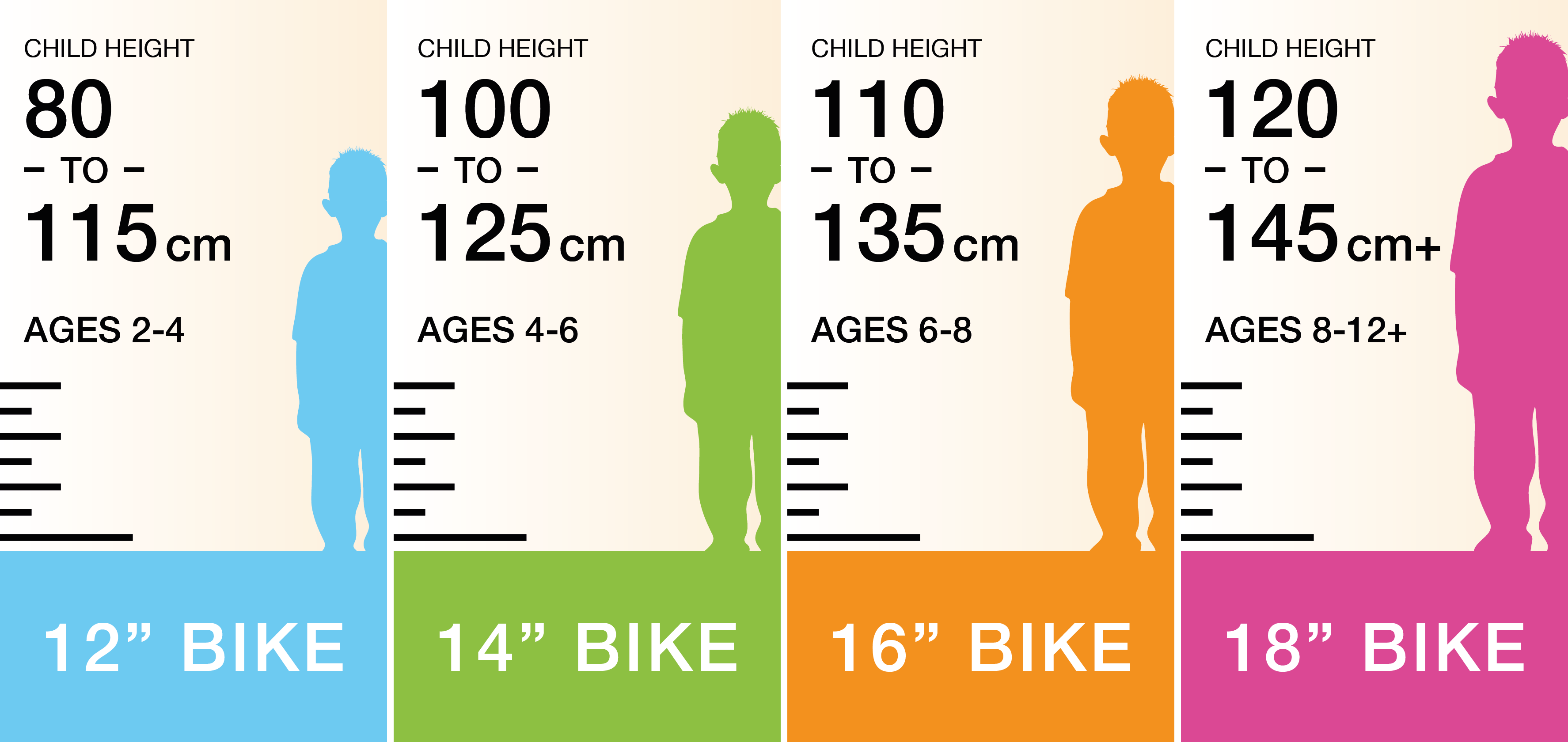
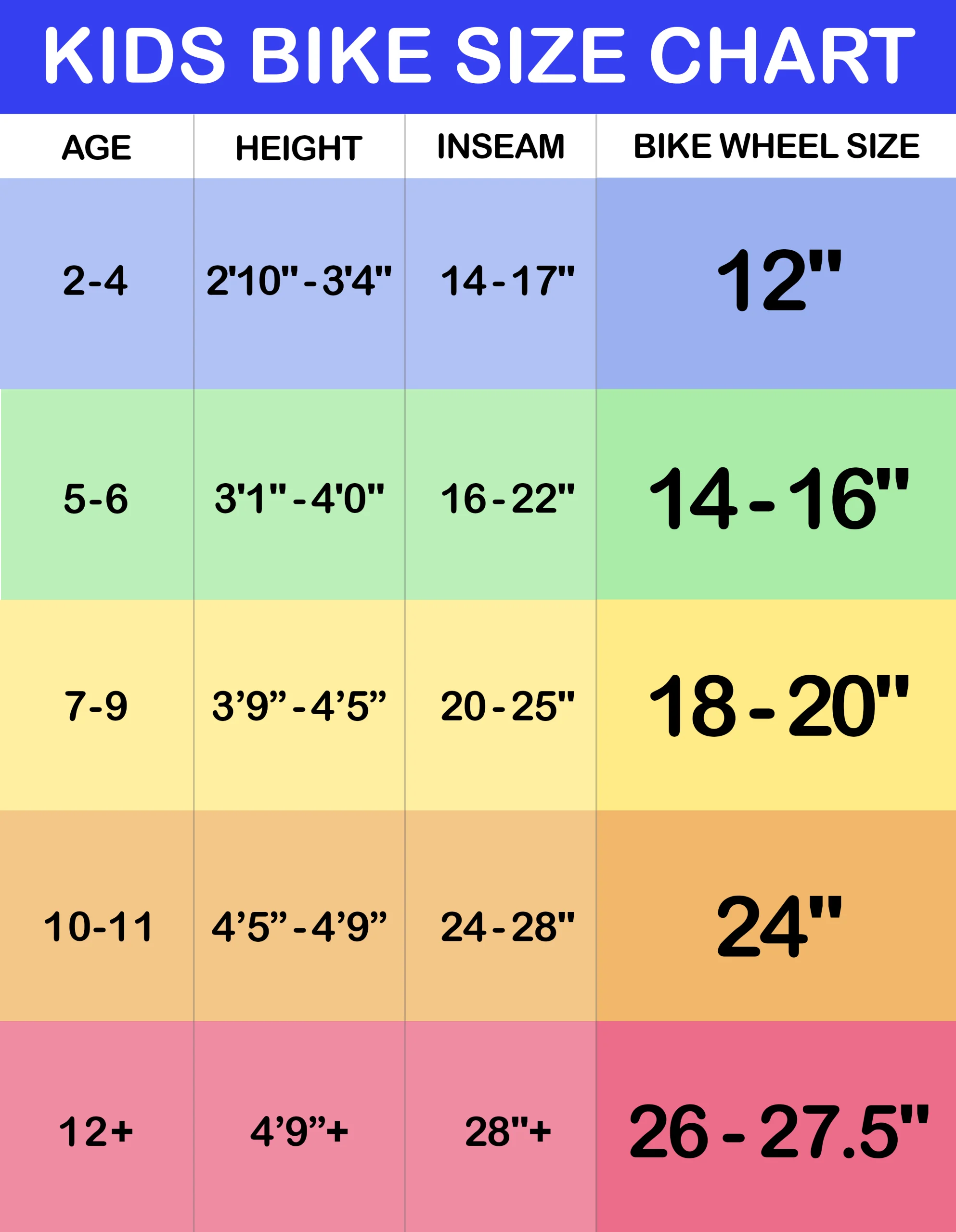
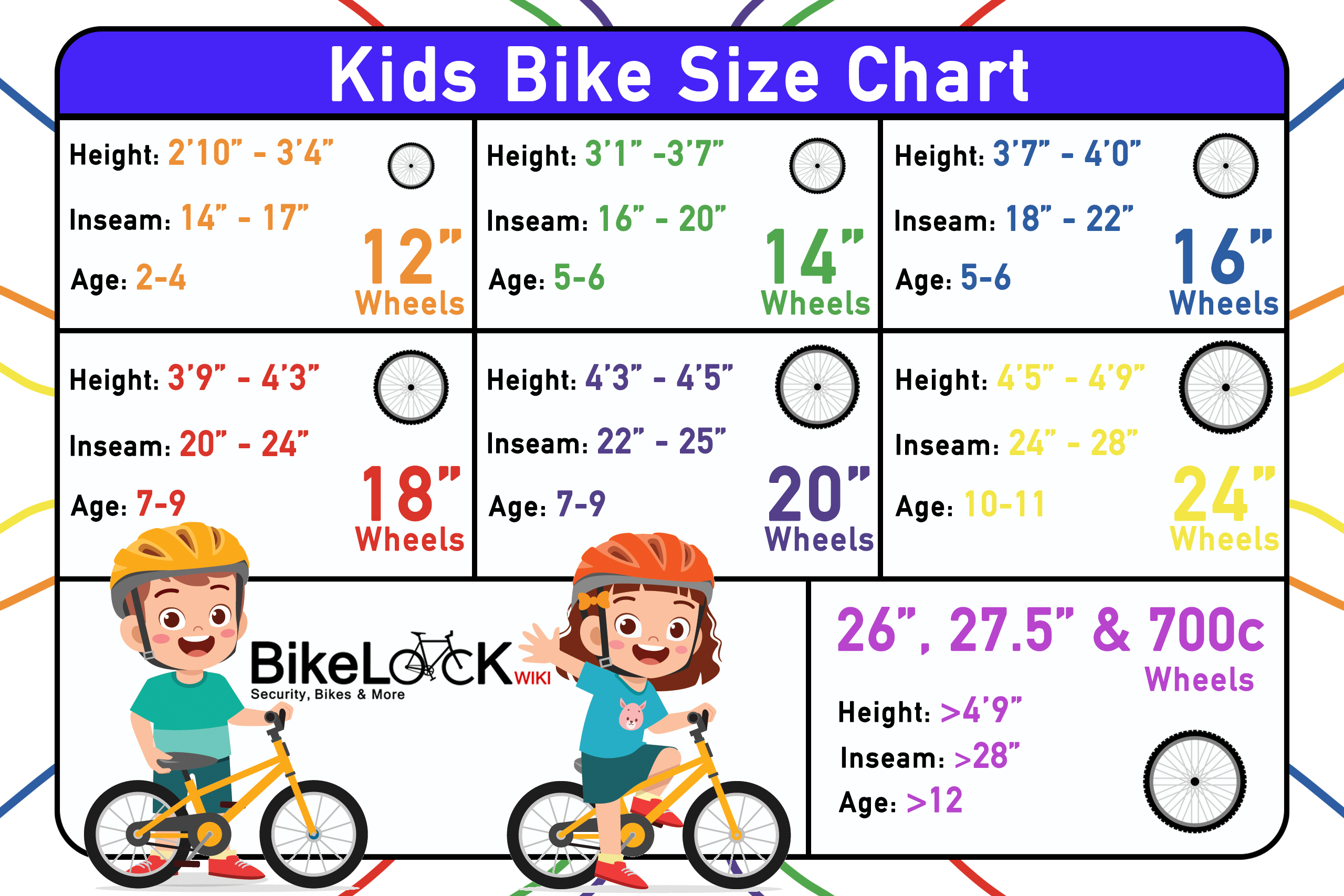
A bike size chart is a handy tool for any cyclist, offering a quick and easy way to find the perfect bike fit. This guide will walk you through the ins and outs of these charts, ensuring you know how to use them effectively. From frame size to wheel dimensions, we'll cover it all, so you can make an informed choice and enjoy a comfortable ride.
The Essential Guide to Bike Size Charts
A bike size chart is your go-to tool for finding the perfect bike fit. It's a simple yet powerful reference that ensures you get the right size bike for your body and riding style. These charts are designed to make the sizing process straightforward, but there are a few things to keep in mind to ensure an accurate fit.
Understanding the Options: Standards and Formats
Bike size charts can vary depending on the standard used. The most common are the imperial (inch) and metric (centimeter) systems, with the latter being more prevalent internationally. These charts typically cover various bike types, from road bikes to mountain bikes, and often include specific measurements like frame size, wheel size, and seat height.
Step-by-Step Guide to Using a Bike Size Chart
Using a bike size chart is straightforward, but precision is key. Here's a simple process to ensure you get the right size:
Identify the Standard: First, determine the standard used in the chart. This is usually indicated at the top or bottom of the chart. If you're unsure, check the manufacturer's website or ask a bike expert.
Measure Yourself: Take accurate measurements of your body. You'll need your height, inseam (the inner leg measurement from crotch to ankle), and sometimes arm length. These measurements will be crucial for finding the right frame size and overall bike fit.
Match Your Measurements: Refer to the chart and find the section that corresponds to your height and inseam. This will give you a starting point for frame size.
Consider Your Riding Style: Bike size charts often provide recommendations based on riding style. For example, if you're a casual rider, you might opt for a more upright position, while a racing enthusiast would lean towards a more aggressive, stretched-out position.
Adjust for Comfort: Once you have a frame size, consider making adjustments for comfort. This could mean tweaking the seat height or handlebar width to find your ideal riding position.
Common Misreadings and How to Avoid Them
While bike size charts are straightforward, there are a few potential pitfalls to avoid:
Misinterpreting Frame Size: Frame size is a critical measurement, but it's not always the only factor. Some charts provide a range of frame sizes for a given height, and you should choose the one that best suits your riding style and comfort.
Wheel Size: Don't confuse wheel size with frame size. Wheel size is an important consideration, especially for kids' bikes, but it's a separate measurement.
Sizing for Kids Bikes: When sizing bikes for children, always double-check the manufacturer's recommendations. Kids grow quickly, so it's essential to ensure the bike can accommodate their growth while still providing a safe and comfortable ride.
Regional Variations: Be mindful of regional differences. Some countries or regions may have slightly different sizing standards, so always check the chart's origin or consult a local bike expert if in doubt.
Hey there, bike enthusiasts! We hope this guide has helped you navigate the world of bike sizing with ease. Remember, when it comes to finding the perfect bike, it's all about getting the right fit for your body and riding style.
So, before you make that final decision, take a moment to review your specific needs and preferences. Double-check the measurements and consider any personal factors that might influence your choice. It's a simple step, but it ensures you end up with a bike that truly suits you.