


Year Planner Sheet Overview
A common misconception about depth charts NFL is that they are merely a list of players; however, these charts are so much more than that. They provide a strategic overview, offering a unique insight into a team's tactics and player hierarchy. Depth charts NFL serve as a concise reference, allowing fans and analysts to quickly grasp a team's depth and potential, especially in specific positions.
Understanding Depth Charts: An Overview
A depth chart in the NFL is a valuable tool that provides an organized, visual representation of a team's roster. It offers a snapshot of the players' positions and their hierarchy within the team, giving coaches, players, and fans a clear understanding of the team's structure. This chart is an essential reference for strategizing and making informed decisions.
Comparing Depth Chart Formats and Standards
The depth chart follows a standardized format, typically arranged by position groups. Each position group is further organized with the starters at the top, followed by backups, and sometimes even further depth players. The chart may also include injury status indicators or notes about player availability. The NFL depth chart is a consistent tool, ensuring a clear and comparable view of team rosters across the league.
Reading a Depth Chart: A Step-by-Step Guide
To read a depth chart, start by identifying the position groups. These are usually labeled clearly, such as "Offensive Line," "Running Backs," or "Defensive Backs." Within each group, the players are listed in a hierarchical order. The starters, or the first-choice players, are at the top, followed by the backups, who are often listed in the order of their experience or skill level. Pay attention to any notes or symbols indicating injuries or special circumstances. These can provide valuable insights into a player's availability and the team's strategy.
Common Misreadings and How to Avoid Them
One common mistake is assuming that the depth chart is a strict hierarchy, where the second player listed is always the direct backup. While this is often the case, it's important to note that coaches may have specific strategies and plans. For instance, a team might have a veteran player listed as a backup, but they could be used in a rotational role or for specific packages. Additionally, injury situations can lead to unexpected changes, so always consider the latest updates and news to ensure an accurate interpretation.
Key Factors Affecting Depth Chart Accuracy
- Injury Status: Player injuries can significantly impact the depth chart. When a starter is injured, the backup steps up, and this can cause a ripple effect, moving players further down the depth chart into starting roles.
- Player Performance: The depth chart is a living document, and player performance can cause fluctuations. A player's impressive performance may see them rise up the chart, while a struggling player might find themselves demoted.
- Team Strategy: Coaches may have long-term plans and strategies, which can influence the depth chart. For instance, a team might want to develop a young player, so they might be listed higher on the chart to ensure they get more playing time.
Adapting Depth Charts for Specific Needs
While the standard depth chart format is consistent, teams and analysts may adapt it for their specific needs. Some teams might create more detailed charts, including additional notes on player strengths, weaknesses, or specific roles. Analysts might create depth charts that focus on specific scenarios, such as a "Red Zone" depth chart, which highlights the players most likely to be used in short-yardage situations. These adaptations ensure that the depth chart remains a versatile and valuable tool for various users.
Depth charts are a handy tool, offering a quick reference and a clear overview. It's important to remember that while they provide a valuable snapshot, they are just one part of the puzzle.
As you've seen, there are various factors and considerations to keep in mind when working with depth charts. Always ensure you're using the right format and data for your specific needs. Double-check the sources and standards you're referencing to ensure accuracy and relevance.
Feel free to explore our other guides and resources for more insights and practical tips. We've got a range of topics covered, so you can find the information you need to stay informed and make the most of your reference tools.
Related: Construction Cost Database Essential Guide
I've been thinking about doing some home renovations lately, and one thing that's been on my mind is how to budget and plan for the costs. That's when I stumbled upon the construction cost database - a handy tool that seems like it could really help me out. So, I did some digging and here's what I found...
Understanding Construction Costs
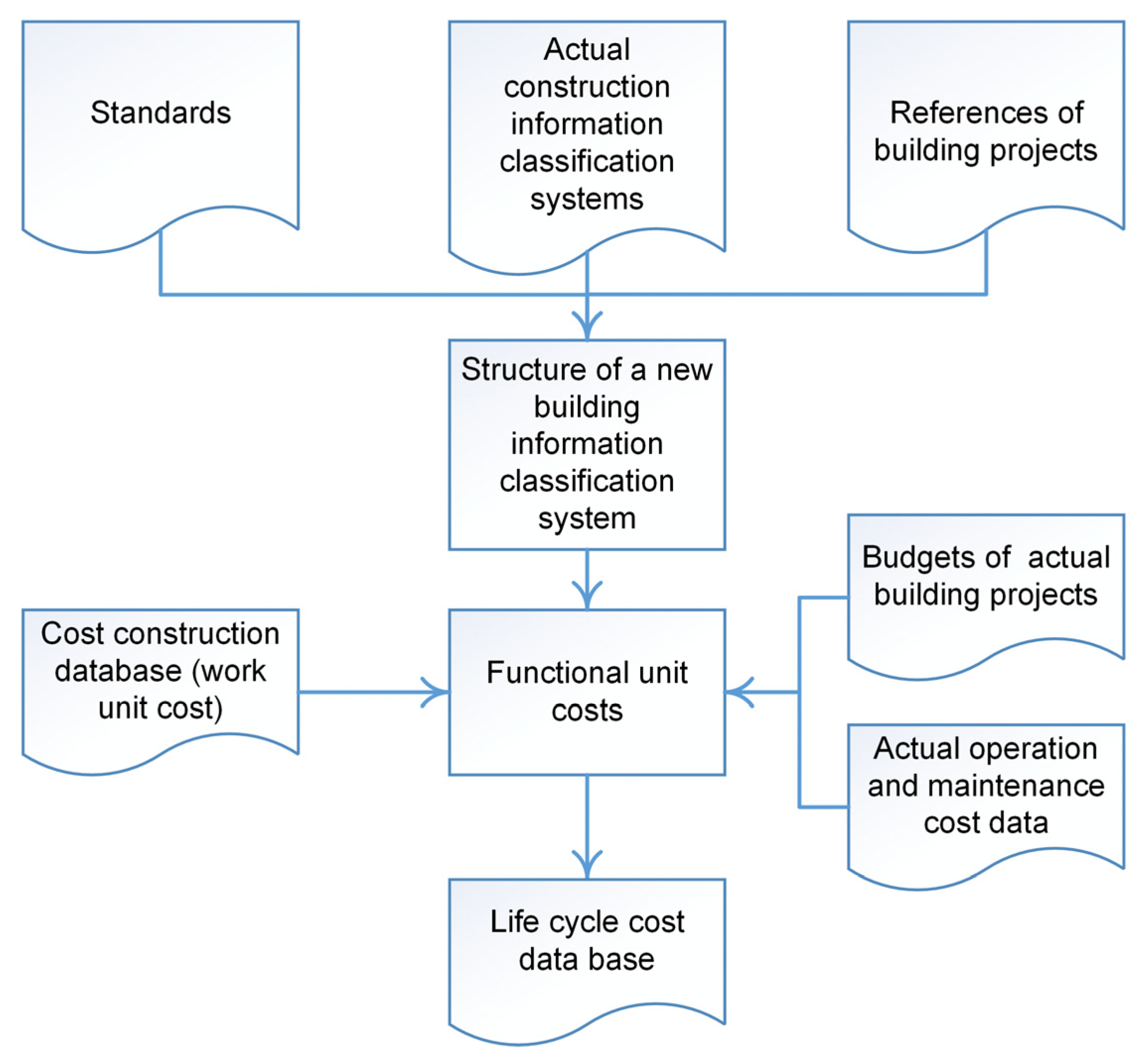
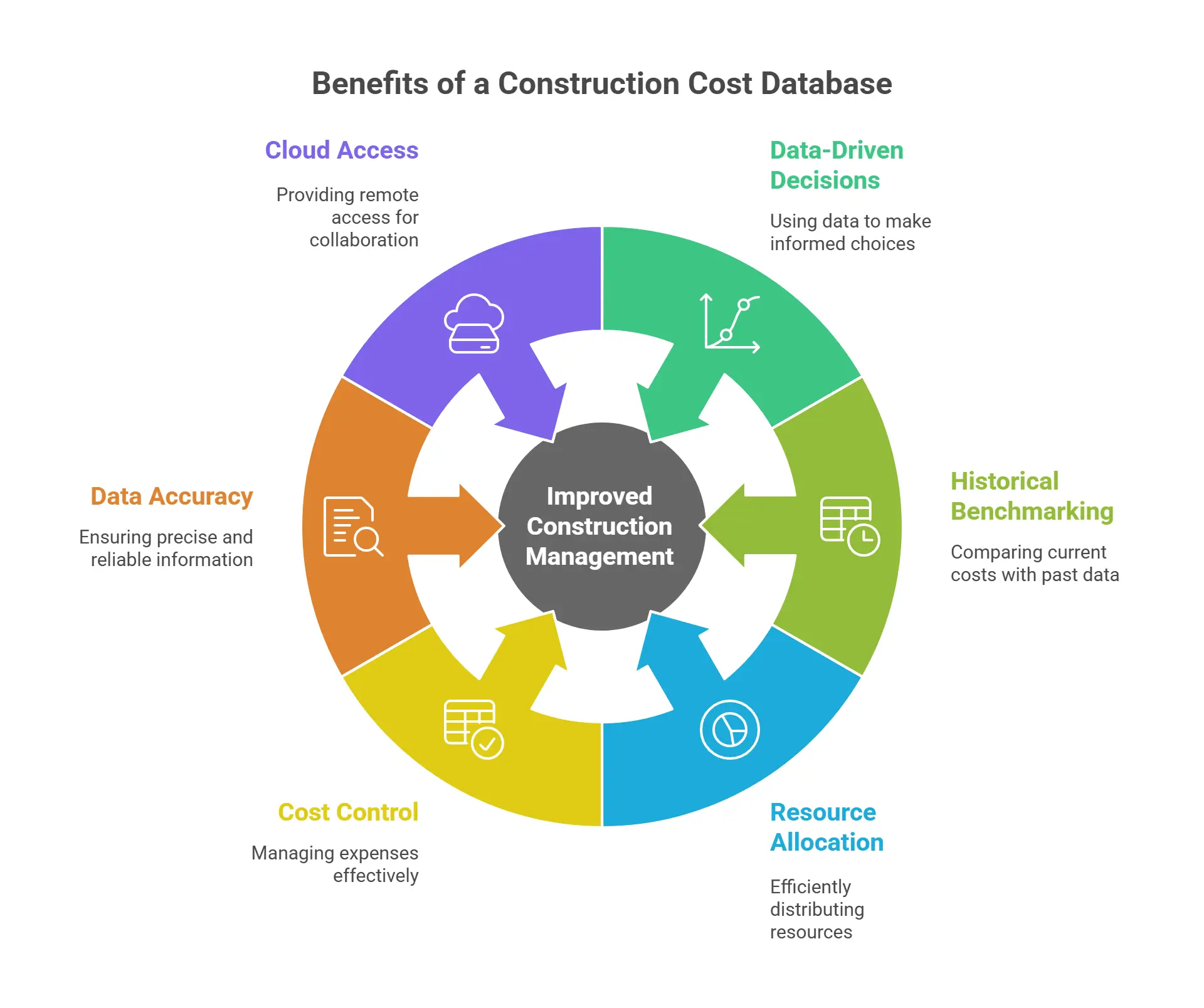
A construction cost database is like a big, detailed library of information about building and renovation costs. It's a resource that construction companies, contractors, and even homeowners like me can use to get a better idea of what projects might cost. This database covers all sorts of construction work, from new builds to remodels and everything in between.
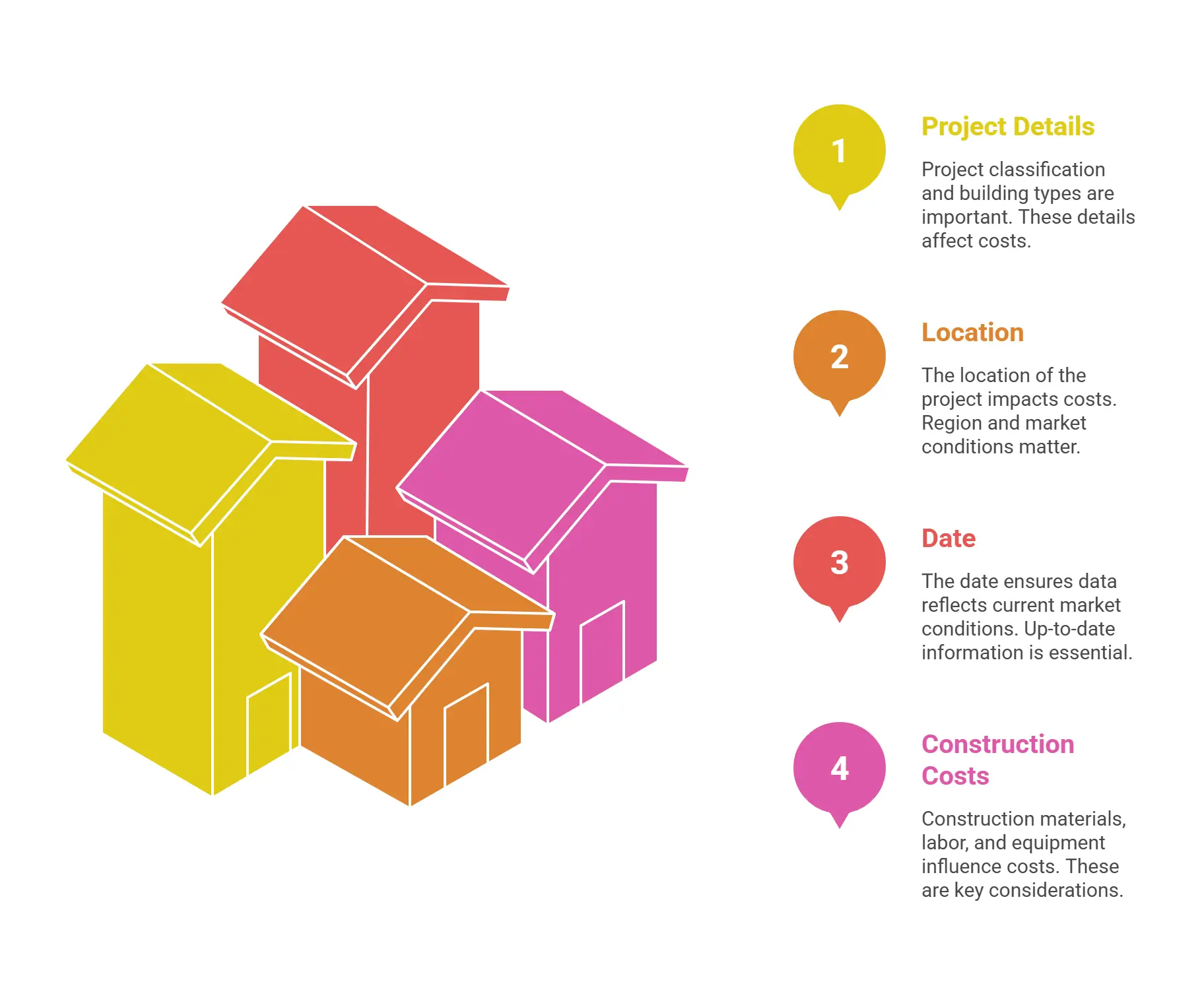
The beauty of it is that it provides estimates for different types of work, like installing a new roof, adding a room, or even just painting a wall. It takes into account things like the size of the project, the materials needed, and even the location, which can affect costs. So, it's a great way to get a rough idea of what you might be looking at financially before you even start a project.
Finding the Right Contractor
When it comes to hiring a contractor, the construction cost database can be a real lifesaver. It can help you compare quotes and ensure you're getting a fair deal. You see, contractors will often use these databases to estimate their quotes, so if you have access to the same info, you can better understand the costs they're quoting you.
Before hiring, make sure to check their references, ask about their experience with similar projects, and get a detailed breakdown of the costs. A good quote will cover all the bases, from labor to materials, and will give you a clear idea of any potential extra costs that might come up.
Company Names and the Industry
In the construction world, company names can be a bit of a giveaway about what they do. Often, you'll see names that are straightforward and to the point, like "Atlanta Building Solutions" or "Helena Home Renovations". These names are easy to remember and give a clear indication of the services offered.
If you're thinking of starting a construction business, choosing a name is an important step. It needs to be unique, memorable, and reflect the services you provide. Some fun examples could be "Build-it-Right Construction", "Hammer & Nail Builders", or "Renovate & Revive". Just remember to check the availability of the name and secure the relevant registrations and domains.
Jobs and Opportunities
The construction industry offers a wide range of jobs, from general contractors and estimators to project managers and specialists in various trades. These roles can vary greatly in terms of responsibility and salary, depending on experience and the size of the company.
If you're interested in construction jobs, you'll likely find opportunities advertised online, through job boards, and even on company websites. It's a good idea to keep an eye on these platforms and to tailor your resume and cover letter to the specific role and company you're applying for.
Industry Tools and Insights
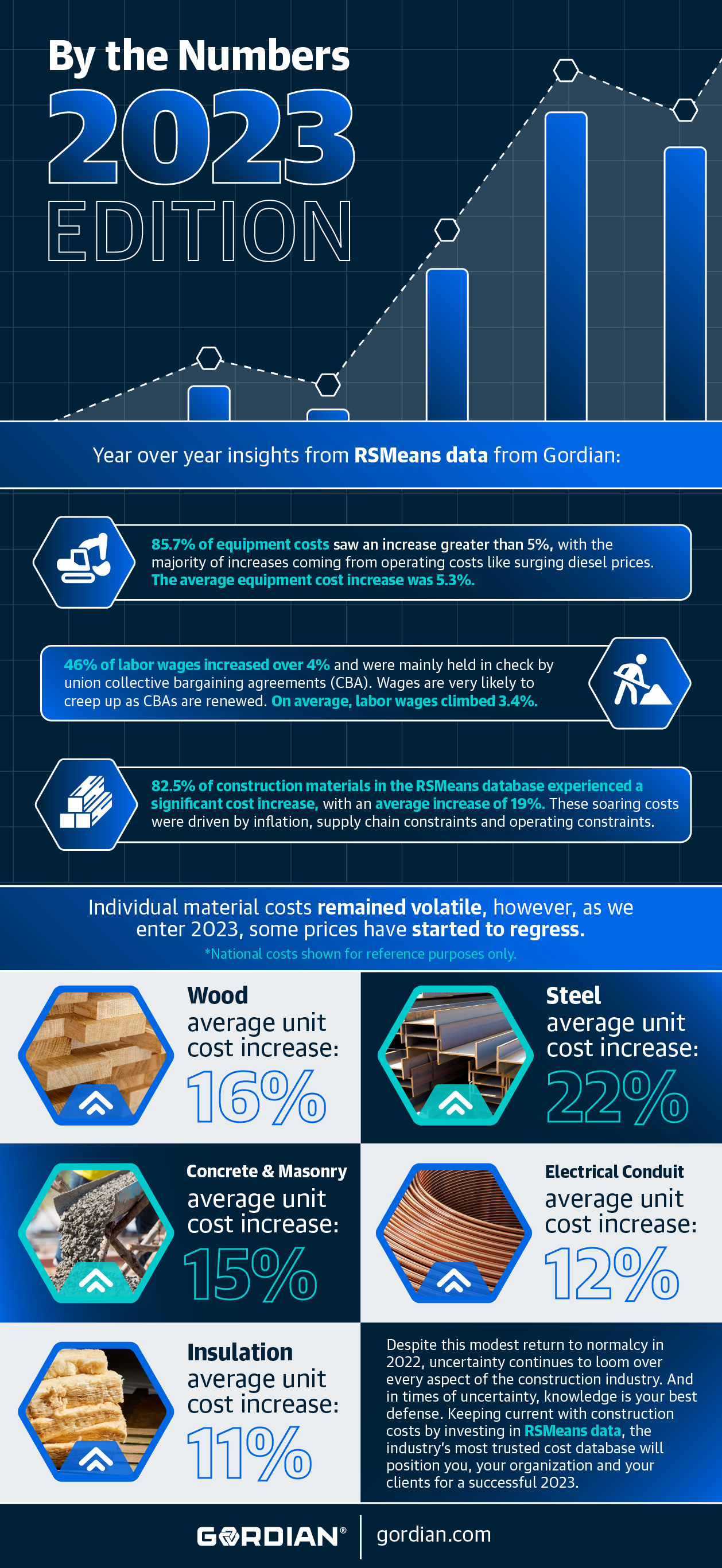
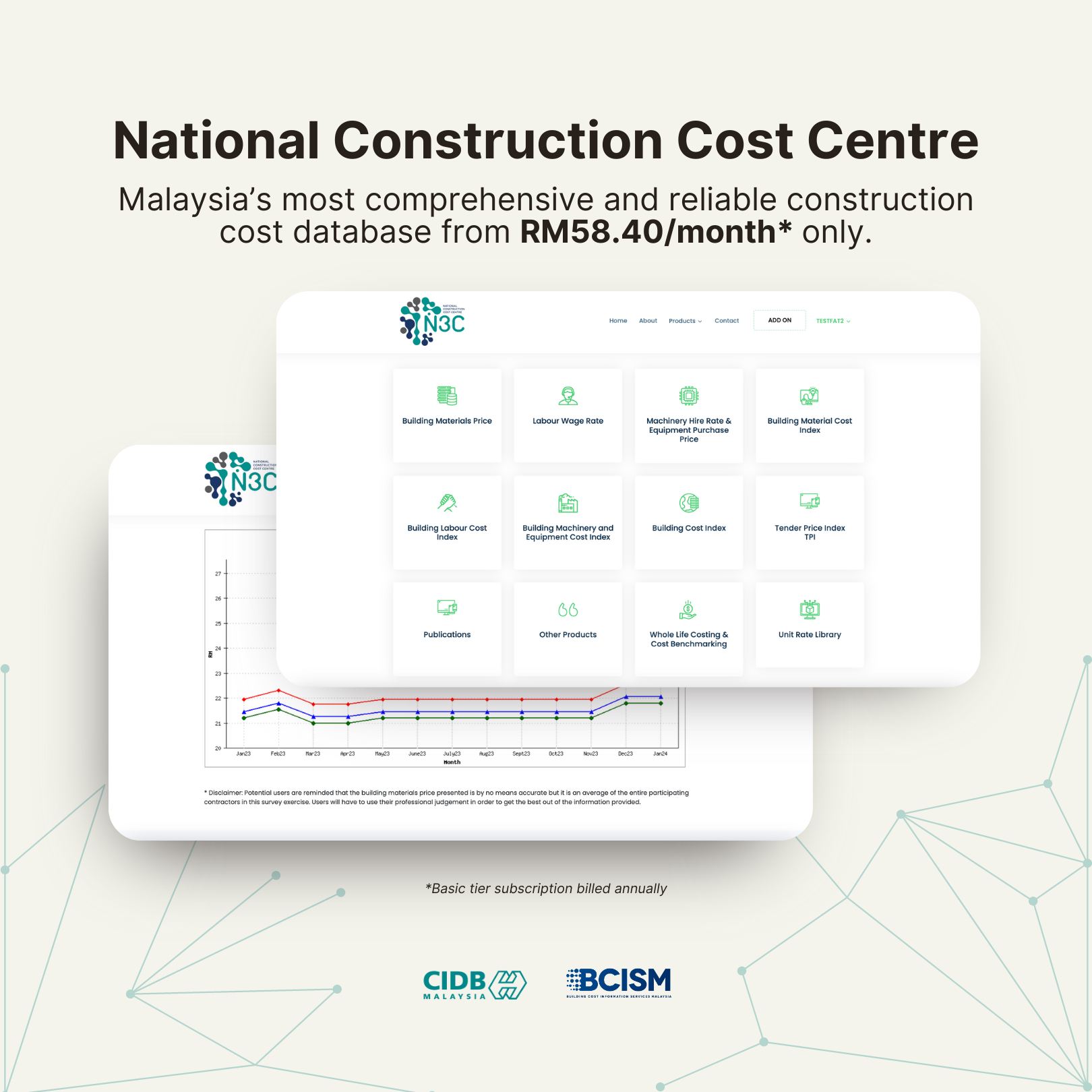
Tools like RSMeans are popular in the construction industry and are essentially detailed cost databases. These tools are used by professionals to estimate costs accurately and efficiently. They provide valuable insights into the costs of different materials, labor, and even the potential impact of economic factors on a project.
Having access to these tools can be a real advantage, especially for larger construction companies. It allows them to provide accurate quotes and plan projects effectively. For homeowners, it's a great way to get a realistic idea of what your renovation might cost.
Big Players and the Industry
The construction industry is diverse, with companies of all sizes. The big players often have the advantage of economies of scale, allowing them to take on larger projects and offer more specialized services. They might have access to better resources, like advanced cost databases and tools, which can give them an edge in the market.
However, smaller companies can offer a more personalized service and often have a strong local presence. It's a balance between size and specialization, and both types of companies play a vital role in the industry.
So, there you have it! The construction cost database is a valuable resource for anyone involved in construction, whether you're a homeowner, a contractor, or a company owner. It's a great way to get a handle on costs and plan effectively.
Related: How to Read the Moncler Size Chart: A Simple Guide
A Moncler size chart is a handy tool for anyone looking to navigate their sizing options with ease. This guide will provide a clear overview, offering insights into how to utilize this chart effectively. Whether you're familiar with Moncler's sizing or new to the brand, understanding the size chart is key to ensuring a perfect fit. It's worth noting that sizing can vary, so we'll cover some essential tips to help you interpret the chart accurately, ensuring you make the right choices for your wardrobe.
Understanding the Moncler Size Chart
The Moncler size chart is a valuable tool for anyone looking to purchase Moncler clothing, especially online. It provides a clear guide to help you find your perfect fit, ensuring a comfortable and well-tailored experience. This chart is designed to simplify the sizing process, making it accessible and user-friendly.
Key Details and Categories
The Moncler size chart typically includes measurements for various body parts, such as chest, waist, hips, and sleeve length. These measurements are presented in a clear, tabular format, often with columns for different sizes and rows for each body measurement. The chart may also indicate the standard fit for each size, helping you choose the right style. It's essential to note that Moncler, like many other clothing brands, uses both European and US sizing standards. The chart will usually specify which standard is being used, ensuring accuracy.
Step-by-Step Guide: Reading the Moncler Size Chart
To use the Moncler size chart effectively, follow these steps:
- Identify the sizing standard: Check if the chart uses European or US sizing. This information is crucial for an accurate fit.
- Take your measurements: Using a measuring tape, record your chest, waist, hip, and sleeve length measurements. Ensure the tape is straight and snug, but not tight, to get precise results.
- Compare your measurements: Match your measurements to the corresponding size on the chart. Look for the size where most of your measurements align.
- Consider the standard fit: Moncler provides guidance on the standard fit for each size. This information helps you decide if you prefer a more relaxed or fitted look.
- Double-check specific items: Some Moncler pieces, like jackets, may have unique sizing details. Always refer to the product-specific sizing guide for such items.
Size Variations and Potential Differences
While the Moncler size chart aims for consistency, variations can occur due to:
- Manufacturing processes: Slight differences in production can lead to minor variations in sizing.
- Material stretch: Some fabrics have more give, which can affect the final fit.
- Personal preferences: Individuals may prefer a looser or tighter fit, influencing their size choice.
- Design variations: Certain Moncler styles may have unique cuts or features, impacting the overall fit.
Common Mistakes and How to Avoid Them
To ensure an accurate fit, avoid these common mistakes:
- Relying solely on your usual size: Sizing can vary across brands. Always refer to the Moncler size chart for an accurate fit.
- Ignoring specific item guides: Some Moncler pieces have unique sizing. Always check the product-specific guide.
- Measuring incorrectly: Take precise measurements to ensure an accurate comparison with the chart.
- Neglecting personal preferences: Consider whether you prefer a relaxed or fitted look, and choose accordingly.
Remember, the Moncler size chart is a valuable tool, but it's essential to be mindful of these factors to achieve the perfect fit. With careful consideration and attention to detail, you'll enjoy a comfortable and stylish Moncler experience.
Remember, while this guide offers a comprehensive overview, exact details can vary slightly depending on the specific Moncler product and the context in which you're using the size chart. It's always a good idea to double-check the size guide provided with your chosen item to ensure an accurate fit.
Feel free to bookmark this page for future reference. We also have a range of other practical guides on various topics, so be sure to check them out for all your reference needs!