





You Are Welcome Meme Overview
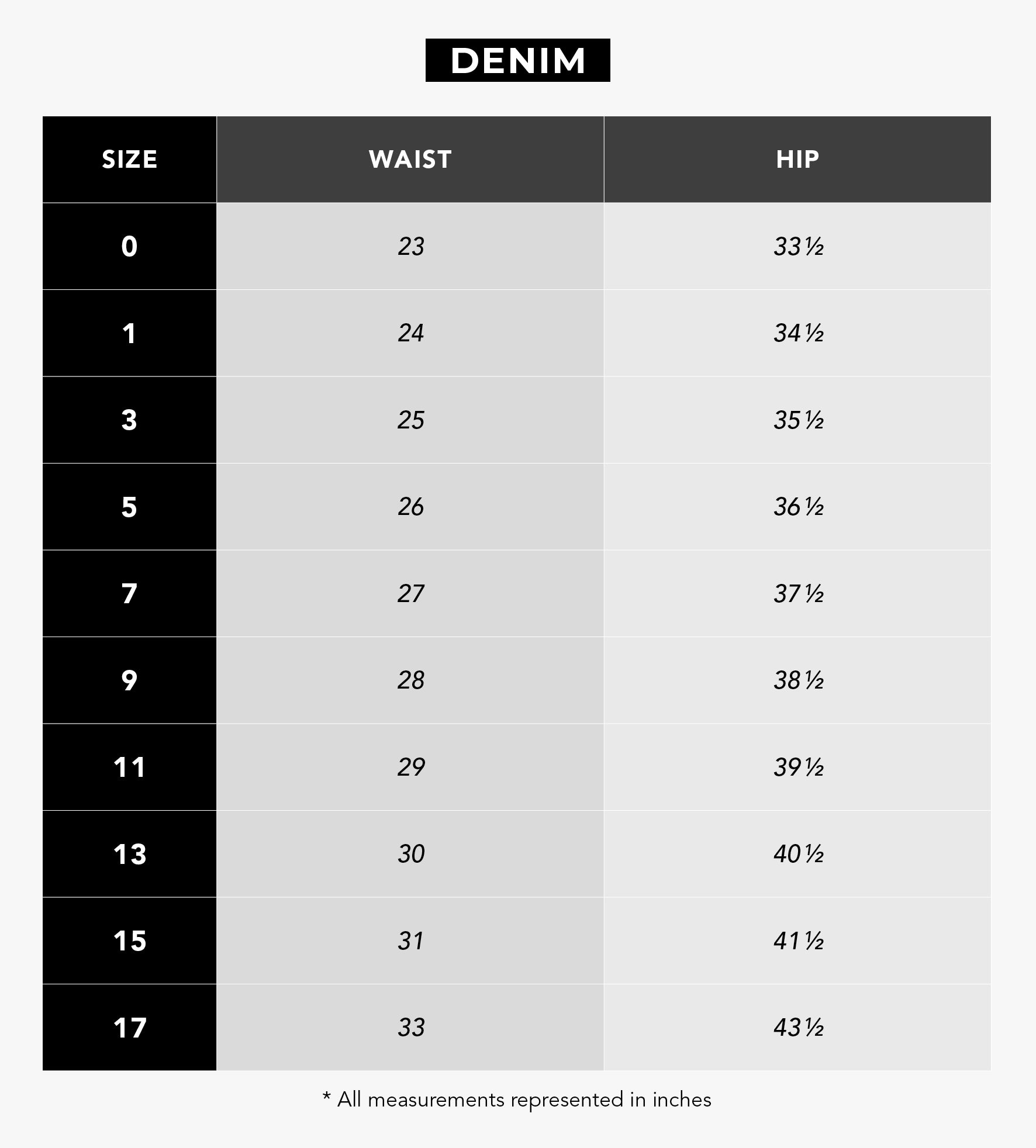
You've likely found yourself searching for a jean size chart at some point, whether it's to double-check a size before ordering online or to understand the measurements listed on a clothing tag. These charts are a handy tool, offering a quick reference for finding your perfect fit, and they can vary slightly depending on the brand and region. With a simple glance, you can navigate the world of denim sizing, ensuring you always get the right pair of jeans.
Understanding Size Charts: A Guide to Jean Sizing
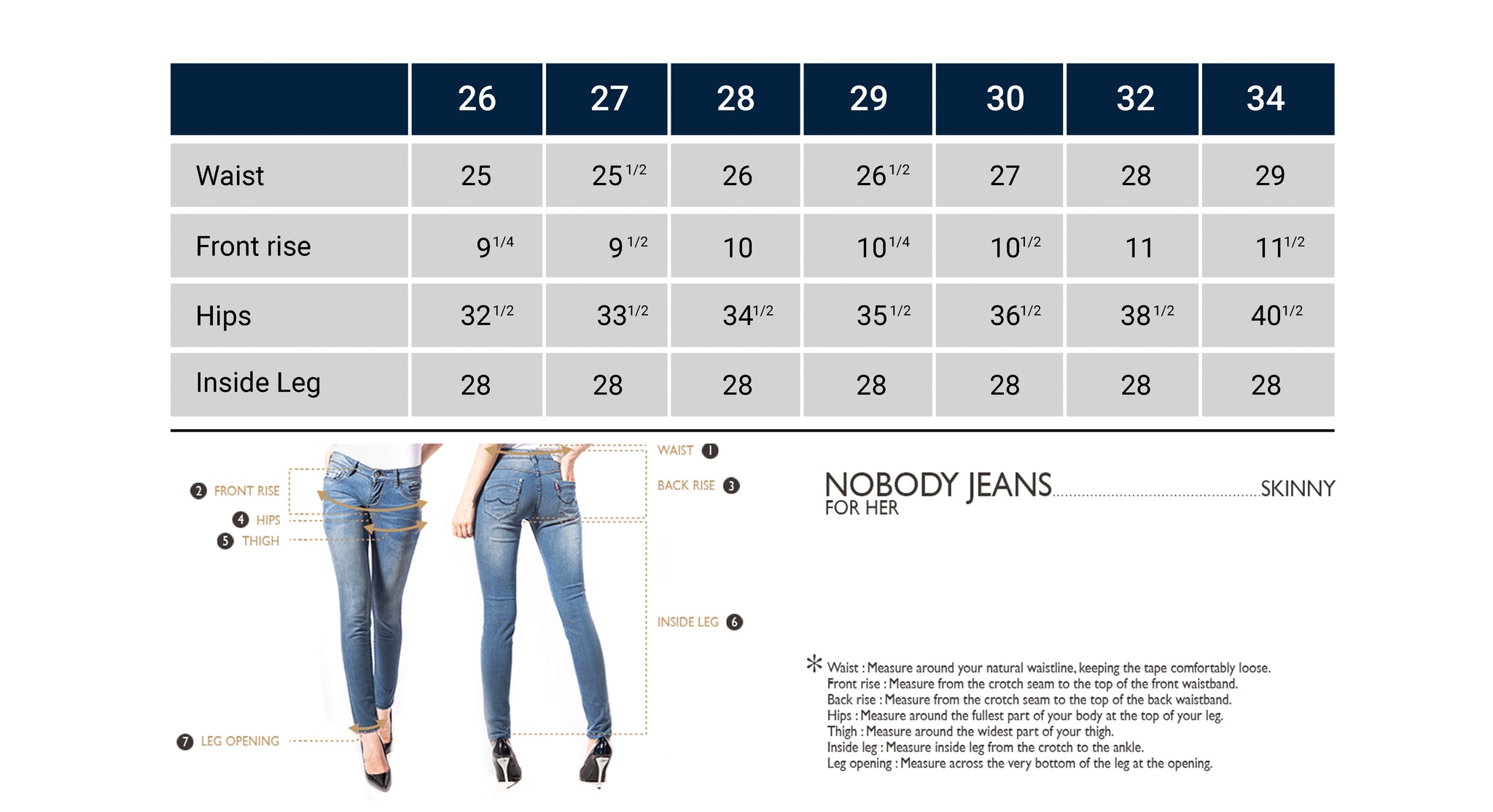
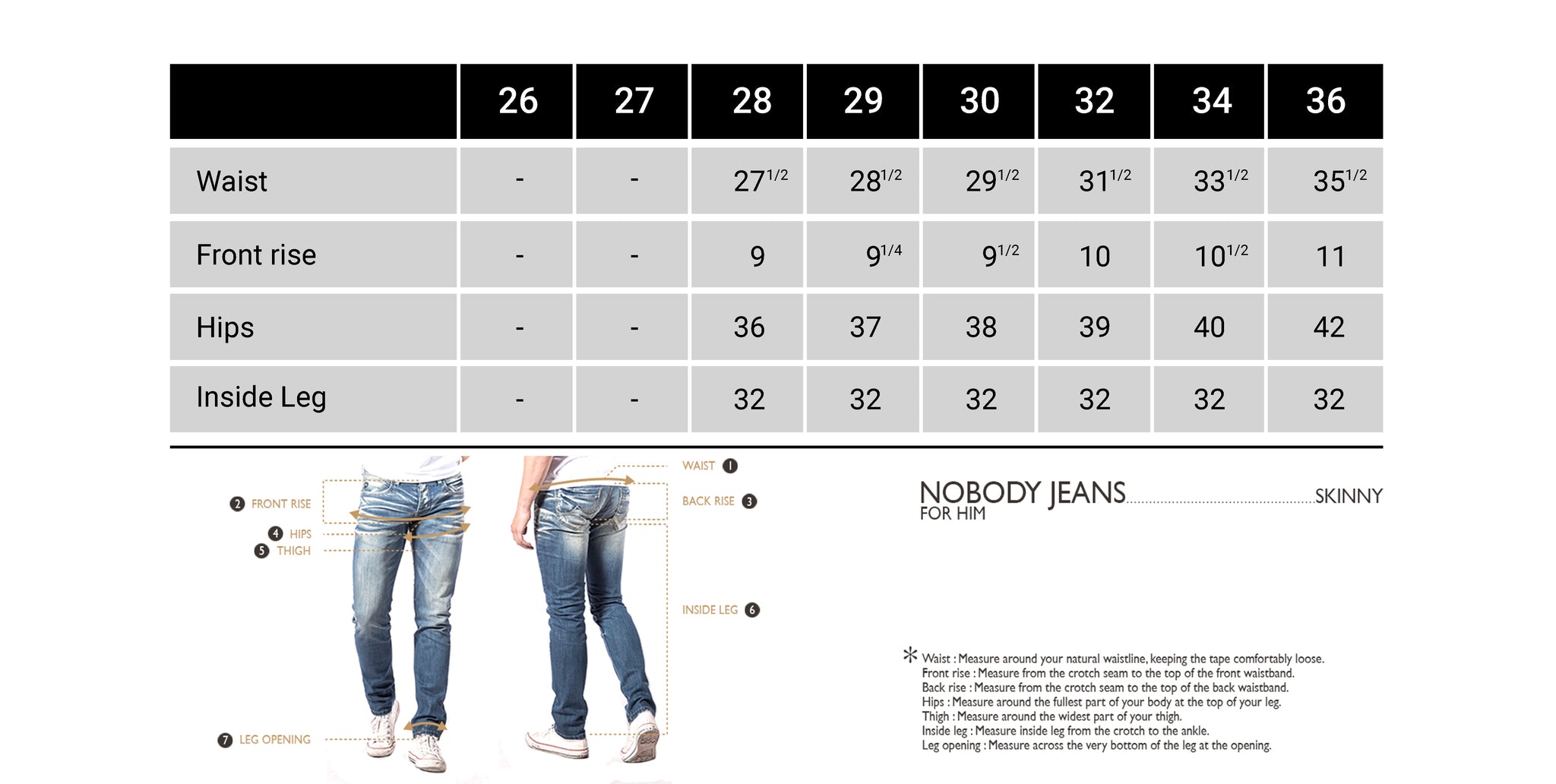
The jean size chart is a handy tool that simplifies the process of finding your perfect fit in denim. This chart provides a standardized way to determine your jean size, making it easier to shop for jeans, both in-store and online. It offers a quick reference for waist and hip measurements, ensuring you choose the right size for your body.
Comparing Standards and Formats
Jean size charts can vary depending on the region and manufacturer. The most common standards are the US and international (metric) systems, each with its own set of measurements and size labels. US sizes are often based on waist size, while international sizes may use a combination of waist and hip measurements. It's essential to know which standard a chart follows to ensure accurate sizing.
Step-by-Step Guide: Measuring for Jeans
To use a jean size chart accurately, follow these steps:
- Gather a measuring tape and stand in a comfortable position. Ensure the tape is straight and not twisted.
- Measure your waist at the narrowest point, usually just above your belly button. This is your waist size.
- Optionally, measure your hip at its widest point, typically around the hip bones. This measurement is crucial for a precise fit, especially for curvier figures.
- Refer to the jean size chart and locate your waist size. Some charts may also provide a hip size range for each waist size, ensuring a better fit.
- Choose the size that corresponds to your measurements. If your waist and hip measurements fall into different size categories, select the size that accommodates your hip measurement to ensure comfort and a flattering fit.
Avoiding Misreadings and Pitfalls
One common mistake is assuming all jean size charts are universal. Always check the standard and units used on the chart. For instance, a US size 8 may not align with an international size 8. Additionally, remember that jeans can stretch over time, so consider choosing a size that feels slightly snug initially.
Factors Affecting Accuracy
Several factors can influence the accuracy of a jean size chart. Firstly, body shape and proportions vary greatly, so a single chart may not cater to all body types. Secondly, denim fabric can stretch and shrink, especially with frequent wear and washing. To account for this, some charts provide a size range or suggest choosing a size down for a more tailored look. Lastly, manufacturing variations can lead to slight size discrepancies between brands. Always refer to the brand's size guide for specific tolerances.
Adapting the Chart for Your Needs
If you prefer a more tailored fit, consider using a pant size calculator or a detailed clothing size chart that considers multiple body measurements. These tools offer a precise fit by accounting for various body dimensions. Alternatively, for a quick and convenient option, stick to the standard jean size chart, which provides a good starting point for finding your size.
Well, there you have it! A comprehensive guide to jean sizes, covering all the bases and offering a practical solution for your sizing needs.
Remember, while this chart is a fantastic tool, it's always wise to double-check your specific requirements and context. Exact values can vary, so ensure you're using the right standards and measurements for your situation. With this guide, you're well-equipped to navigate the world of jean sizes confidently.
Consider bookmarking this page for future reference; it'll be a handy resource whenever you need to size up your denim game!
Related: How to Find Your Glove Size Chart?
A glove size chart is a handy tool to ensure you get the perfect fit for your hands. This guide will show you how to navigate these charts and find your ideal glove size with ease.
Glove sizing can vary depending on the type and purpose of the glove, so having a reliable chart is key. It's a simple process to measure your hand and find your size, and we'll cover the steps to ensure you get it right. With a glove size chart, you'll be able to choose the right gloves for any task, from gardening to safety gear.
Glove Size Chart: A Quick Overview
A glove size chart is your handy guide to finding the perfect fit for your hands. It's a simple yet effective tool that ensures your gloves are neither too loose nor too tight, offering comfort and functionality. This chart typically includes measurements for hand length and width, helping you choose the right size for various glove types.
Comparing Standards and Formats
Glove size charts can vary depending on the standard used. Common standards include the US sizing system and the international glove size standards. These standards provide different measurement categories and ranges. For instance, the US system often uses letter sizes like S, M, L, while international standards may employ numerical sizes with more precise measurements. It's essential to know which standard your chart follows to ensure accurate sizing.
Step-by-Step Guide to Using the Chart
Using a glove size chart is straightforward. First, measure your hand length from the tip of your middle finger to the base of your palm. Then, measure your hand width across your palm at its widest point. These measurements will guide you to the right size on the chart. For instance, if your hand length is 7.5 inches and your hand width is 3.5 inches, you'd likely need a medium-sized glove according to the US standard. Always refer to the chart's legend or key to understand the measurements and categories.
- Measure your hand length and width accurately.
- Locate these measurements on the chart.
- Identify the corresponding glove size.
- Cross-check with the glove's product description or packaging for any specific sizing details or recommendations.
- Try on the gloves to ensure a comfortable fit.
Common Misreadings and Pitfalls
Misreading a glove size chart can lead to an inaccurate fit. One common mistake is assuming all glove types follow the same sizing standards. For example, safety gloves might have different measurements than regular gloves. Always check the chart's specific use case or purpose. Another pitfall is neglecting to measure both hand length and width. Both measurements are crucial for an accurate fit. Lastly, remember that hand shapes can vary, so a size that fits one hand perfectly might not fit the other.
Factors Affecting Accuracy
Several factors can influence the accuracy of a glove size chart. Here are some key considerations:
- Hand Shape: Hands come in various shapes, and some gloves might fit certain shapes better than others.
- Material Stretch: The material of the glove can affect its stretch and fit. For instance, leather gloves might have less give than fabric gloves.
- Safety Features: Gloves with extra padding or safety features might have a different fit compared to standard gloves.
- Personal Preferences: Some people prefer a tighter or looser fit, so personal preference plays a role in sizing.
- Manufacturing Tolerances: Gloves from different manufacturers might have slight variations in sizing, so always check the brand's specific measurements.
Always refer to the glove sizing guide provided by the manufacturer for the most accurate fit.
So, there you have it, a handy guide to glove sizing. Remember, it's always a good idea to double-check your specific needs and consider any unique factors that might impact your glove choice.
We've covered a lot of ground, but there's always more to explore. If you found this helpful, why not check out some of our other practical guides? We've got a range of topics to keep you informed and ensure you're always making the right choices. Happy reading!
Related: Find Your Seat: BJCC Seating Chart Guide
The bjcc seating chart is a valuable tool for anyone planning an event or attending a show at the BJCC. This guide will help you navigate and understand the different seating options available, ensuring you make the most of your experience. From concert halls to arenas, the BJCC offers a range of venues, and each has its own unique seating layout. We'll cover the basics, including how to read row numbers and locate your seats accurately.
Understanding the BJCC Seating Chart
The BJCC seating chart is a valuable tool for anyone attending an event at the BJCC Concert Hall. It provides a clear visual representation of the venue's layout, helping you navigate and find your seat with ease. This chart offers a comprehensive overview, ensuring an enjoyable and stress-free experience.
Comparing Seating Options and Views
The BJCC arena seating chart categorizes seats into different sections, each with its own unique view and atmosphere. These sections are typically labeled with letters or numbers, making it simple to locate your seat. The chart also indicates the proximity to the stage, with some sections offering a more intimate experience, while others provide a panoramic view of the entire arena.
Step-by-Step Guide to Using the Seating Chart
When using the BJCC seating chart, follow these steps:
- Identify your seat number and section on the chart. Look for the corresponding letter or number on the venue's layout.
- Navigate to your section. The chart often includes a key or legend, providing a visual guide to the different sections and their locations within the arena.
- Find your row and seat. Once in your section, locate the row number and then identify your specific seat, which is usually numbered sequentially.
- Enjoy the event! With your seat located, you can now focus on the performance or activity without any distractions.
Avoiding Common Misreadings
While the BJCC theater seating chart is designed to be user-friendly, there are a few common mistakes to avoid:
- Double-check your seat number and section. Mistakes can happen, so ensure you have the correct details before setting off.
- Be aware of potential obstructions. Some seats may have limited views due to pillars or other structural elements. The chart might indicate these obstructions, so pay attention to any notes or symbols.
- Consider legroom. Different sections may offer varying legroom, so if comfort is a priority, choose a section with ample space.
Factors Affecting Accuracy and Real-World Use
Several factors can influence the accuracy and practicality of the BJCC concert seating chart:
Stage Setup: The position and size of the stage can impact the view from certain seats. Always check the event's specific stage setup to ensure an optimal experience.
Seat Width and Legroom: These can vary, so consider your personal preferences and comfort needs.
Event-Specific Considerations: Some events may have unique seating arrangements or configurations, so always refer to the specific seating chart for that event.
Related Factors:
Seating capacity and density.
Seat spacing and aisle width.
Proximity to concessions and restrooms.
Choosing the Right Seating Format
The BJCC concert hall offers various seating formats to cater to different preferences and needs:
- Standard Seating: This is the most common format, offering a mix of row and section seating. It provides a balanced experience, suitable for most events.
- Premium Seating: These seats often have enhanced amenities, such as wider seats, more legroom, and exclusive access to certain areas.
- General Admission: This format offers a more flexible and casual experience, with no assigned seats. It is ideal for standing events or those who prefer a less structured environment.
Remember, the BJCC row numbers and seat arrangements may vary depending on the event and the specific seating chart provided. Always refer to the official chart for the most accurate and up-to-date information.
Well, there you have it! A comprehensive guide to understanding and utilizing the BJCC seating chart effectively.
Remember, while this guide provides a solid foundation, every situation is unique. It's always a good idea to review your specific event details and consider any unique factors that may impact your seating choice. With the right preparation, you'll be seated comfortably and ready to enjoy the show!
Consider bookmarking this page for future reference. It's a handy tool to have at your disposal whenever you need a quick reminder or a more in-depth look at the BJCC seating chart.