




Youth Size Chart 2026 Overview
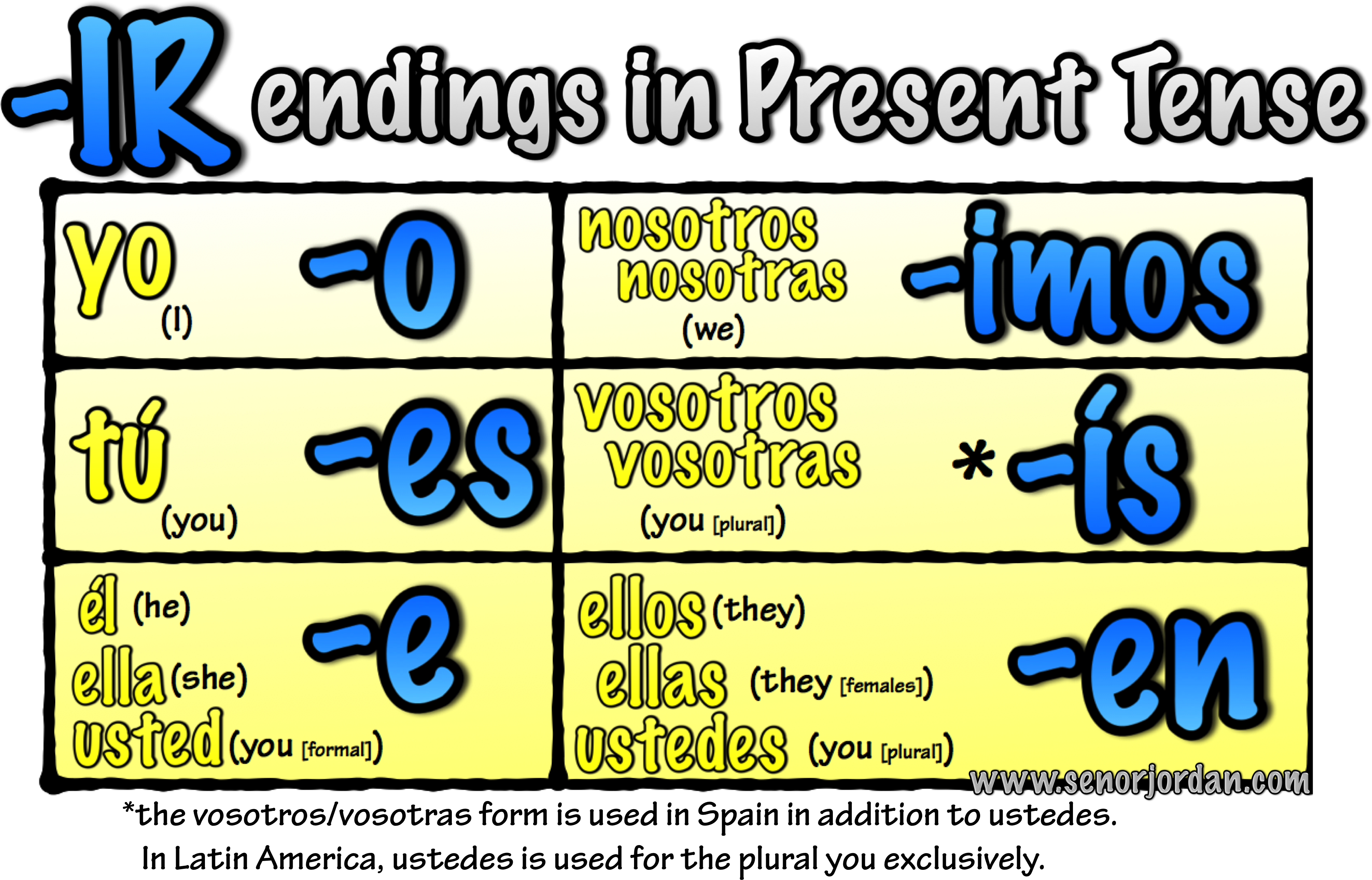
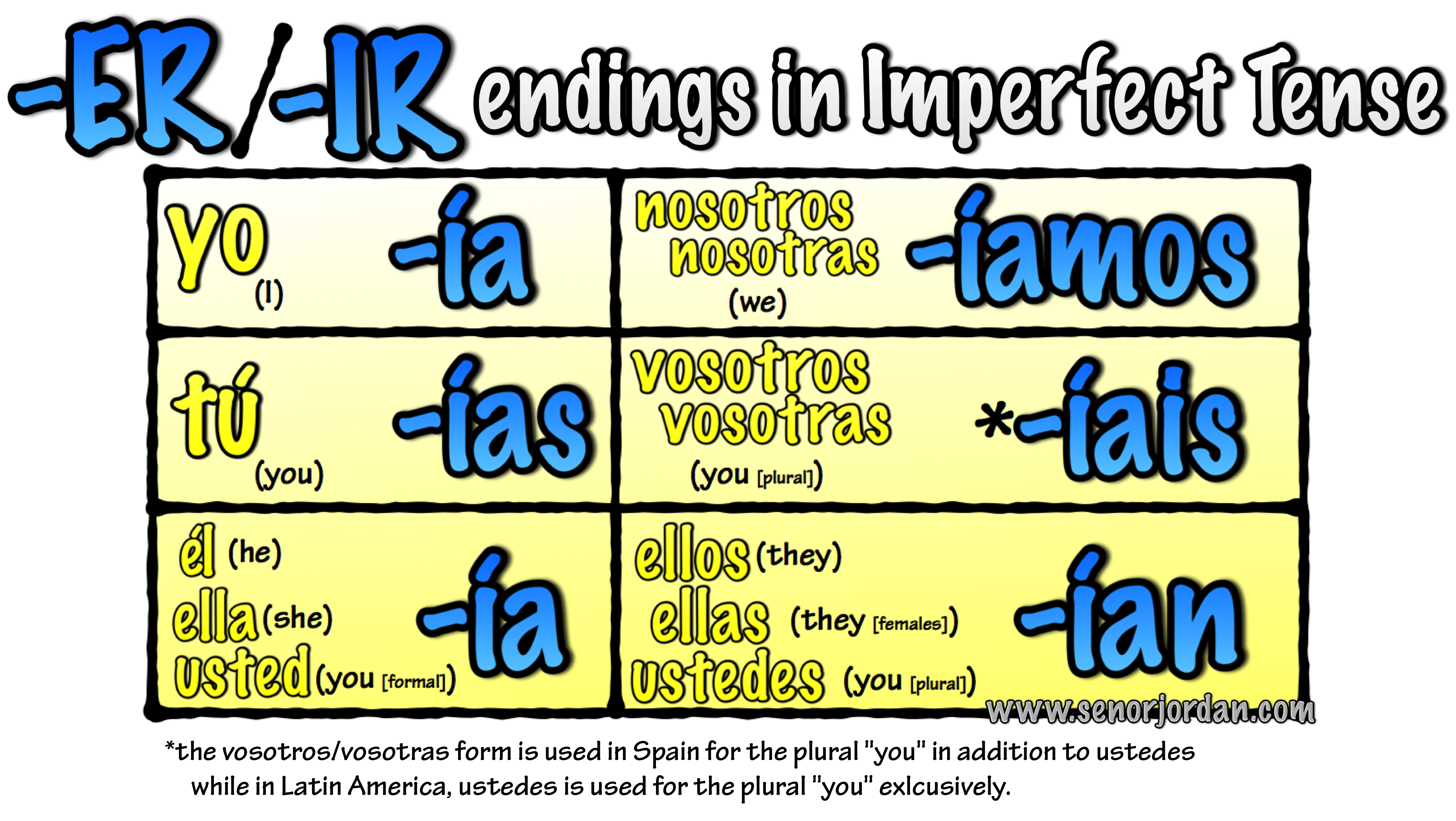
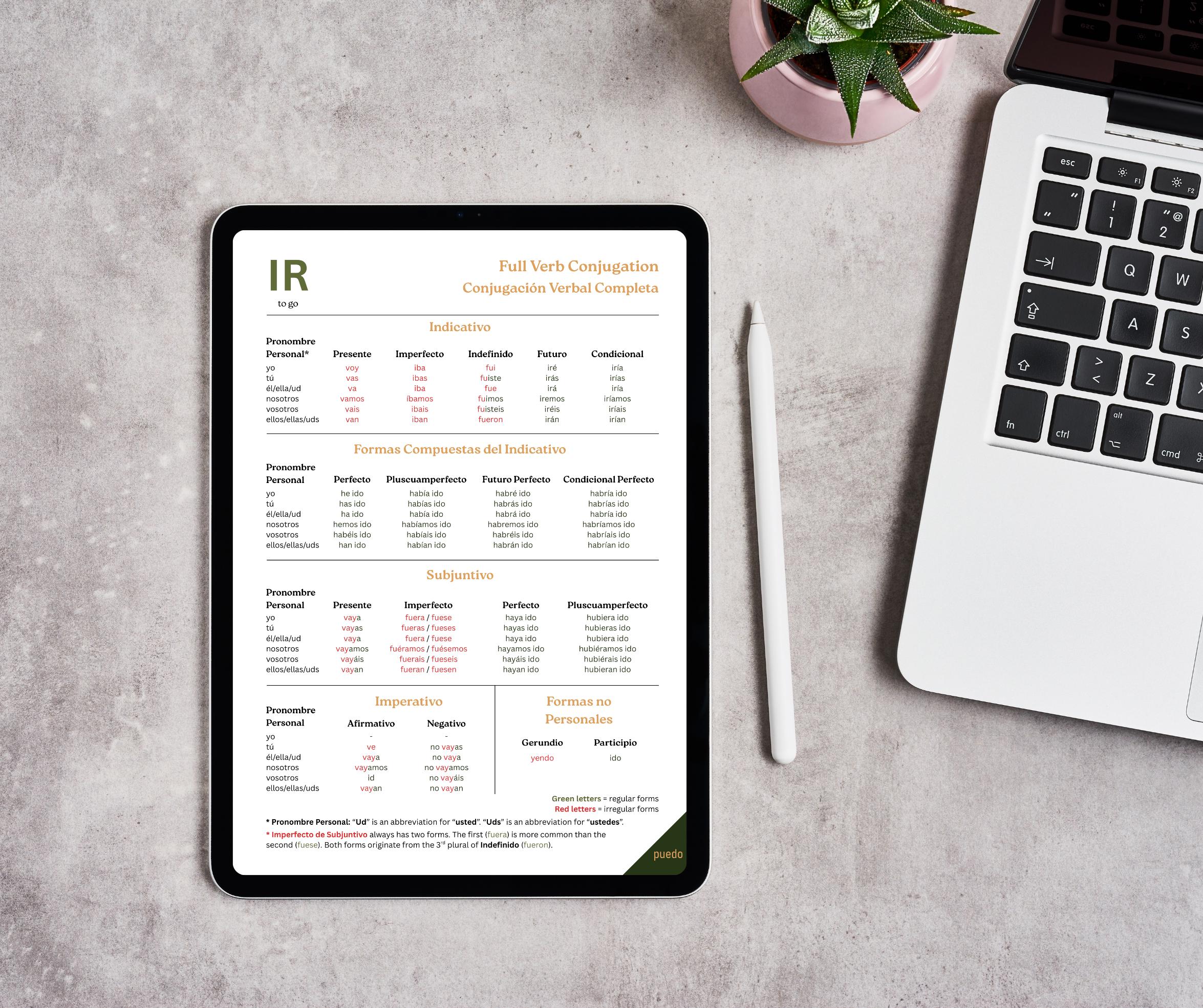
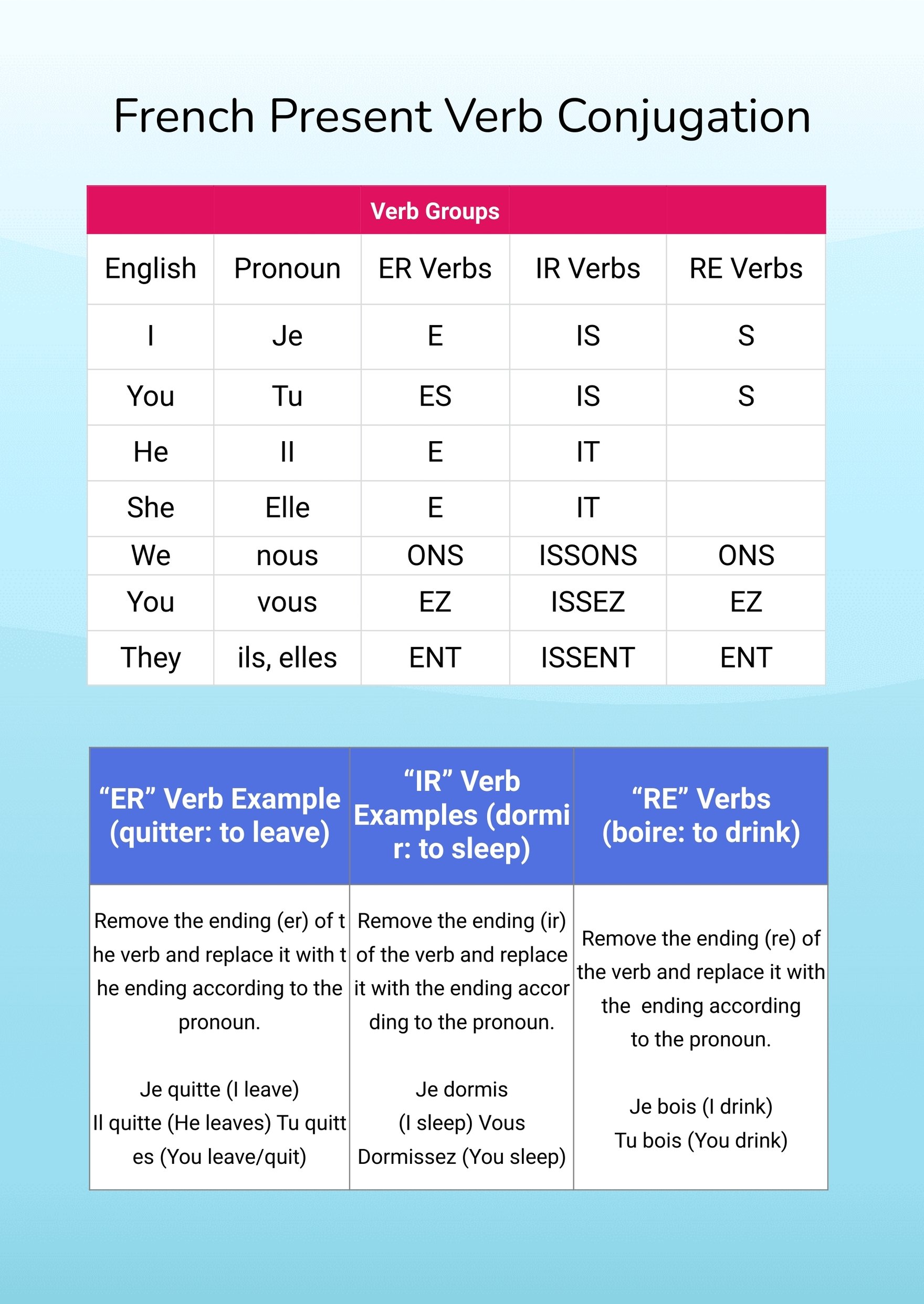
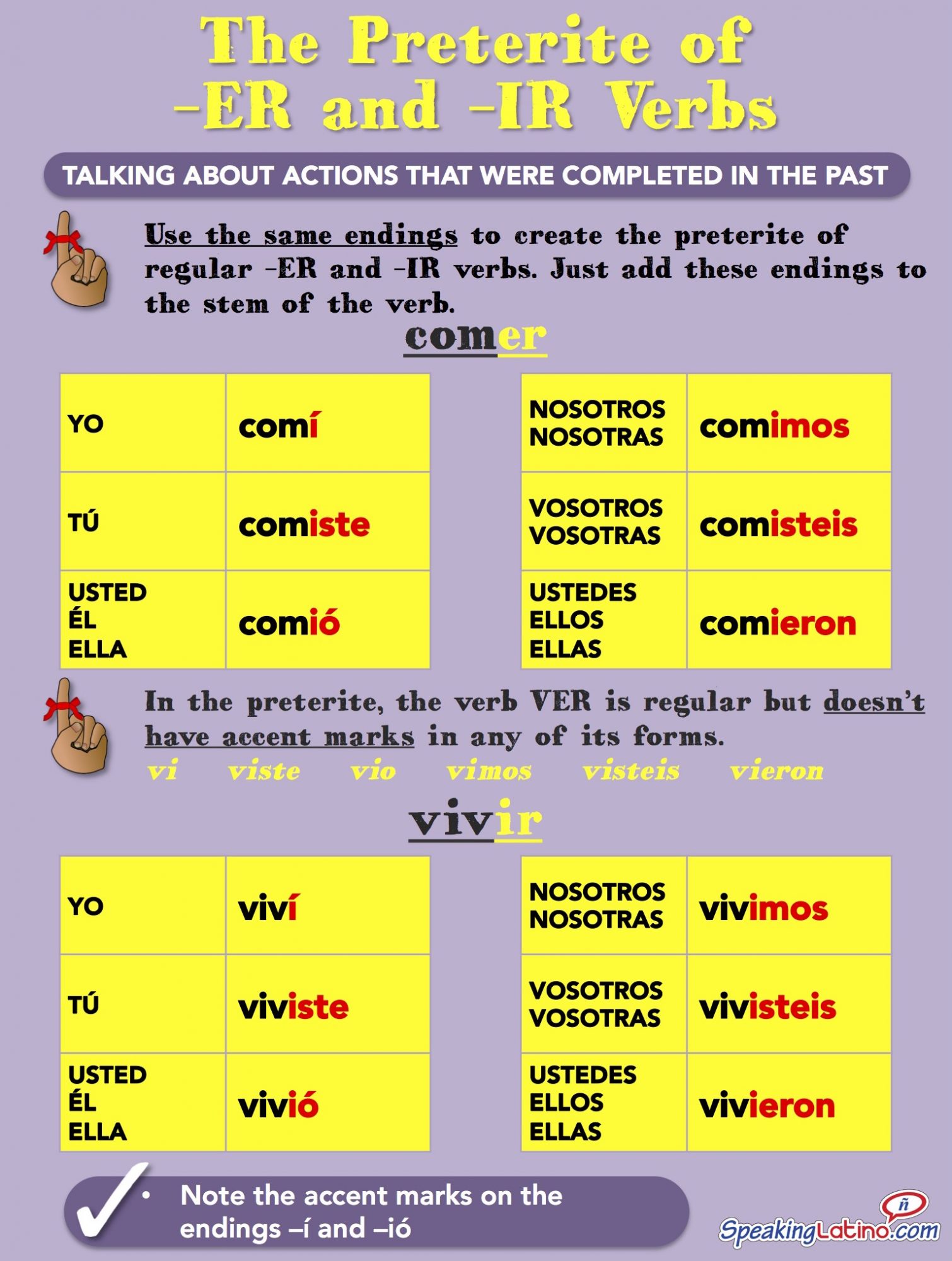
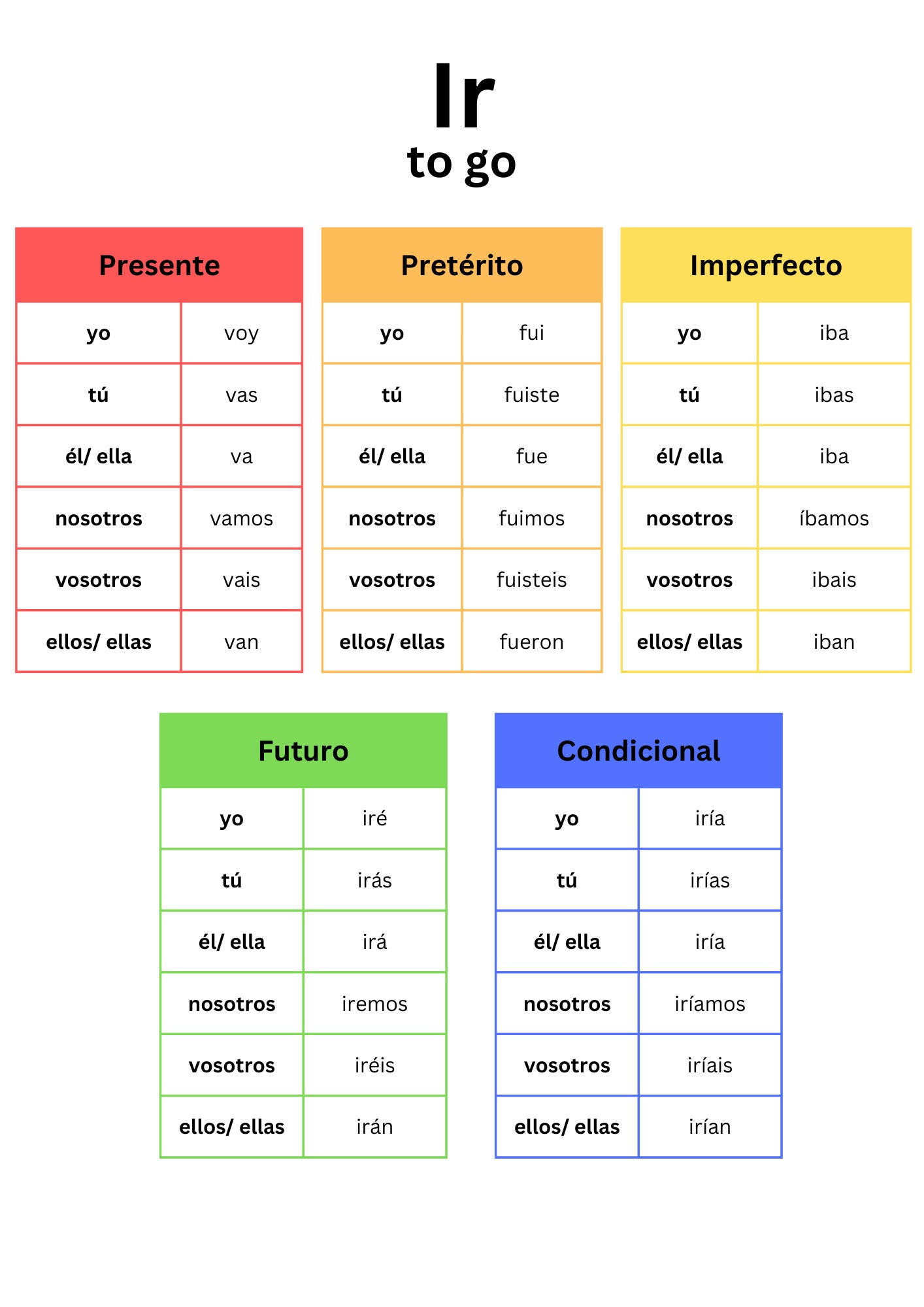
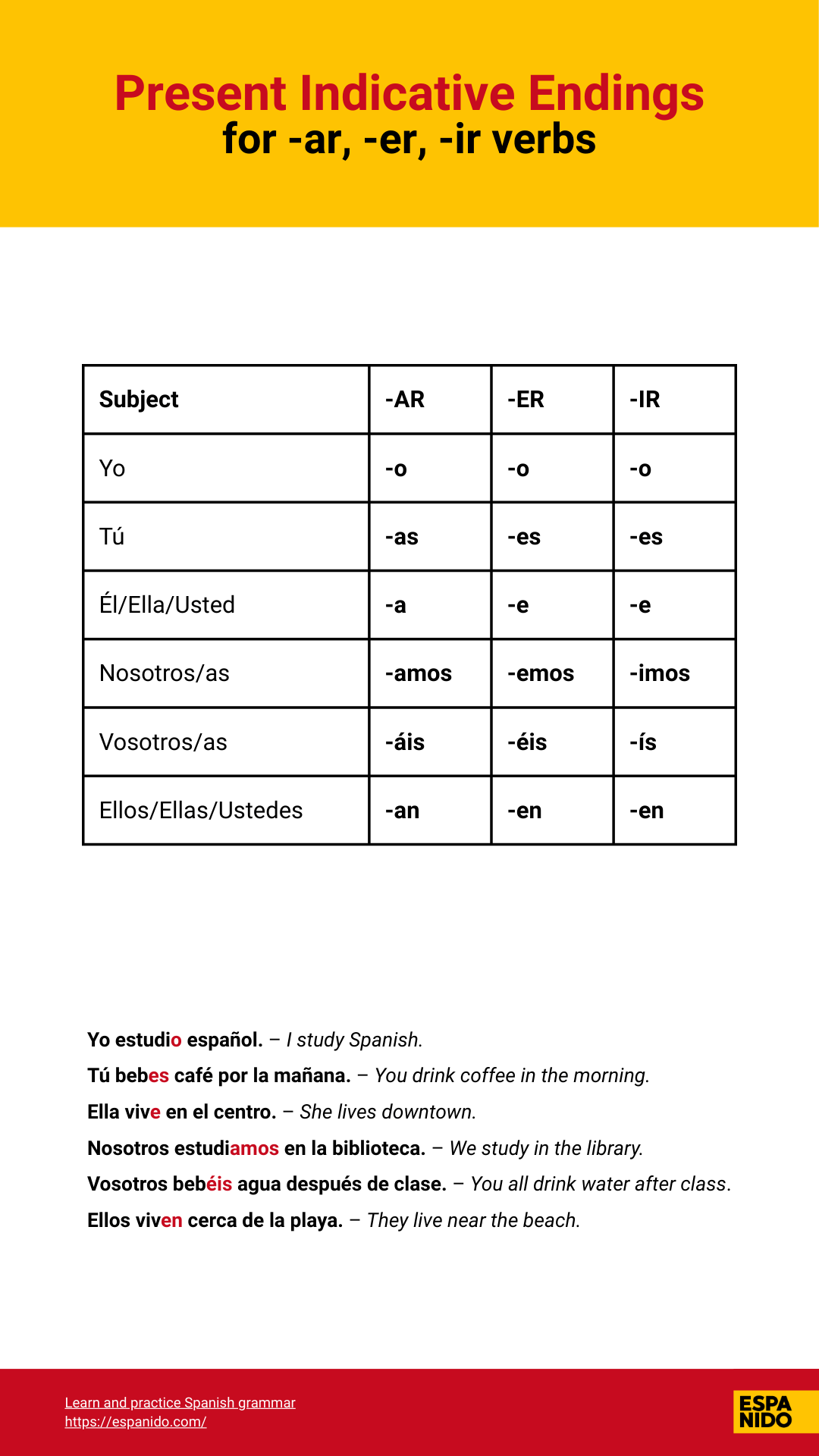
You've landed on this page, perhaps with a specific task in mind or a quick reference need. The ir verb chart is a handy tool, a concise visual guide, that can save you time and effort when navigating Spanish verb conjugations. It offers a structured overview, allowing you to find and understand verb forms efficiently, covering present, past, and future tenses. While the chart's layout and details may vary, its purpose remains consistent: to provide a reliable reference for regular verbs in Spanish.
Understanding the Ir Verb Chart: A Quick Overview
The ir verb chart is an invaluable tool for Spanish language learners, offering a comprehensive visual guide to the conjugation of regular verbs ending in 'ir'. It serves as a reference, providing a clear layout of verb forms across different tenses and persons. This chart is an essential resource for mastering Spanish grammar and ensuring accurate verb usage in various contexts.
Comparing Conjugation Patterns: Regular Verbs vs. Irregulars
While the ir verb chart focuses on regular verbs, it's important to note the existence of irregular verbs, which do not follow standard conjugation patterns. These verbs require separate memorization and are not represented on the chart. Regular verbs, on the other hand, adhere to consistent rules, making the ir verb chart a reliable guide for most verb forms.
Step-by-Step Guide: Using the Ir Verb Chart
To utilize the ir verb chart effectively, follow these steps:
- Identify the verb tense you wish to conjugate. The chart typically covers present, past, and future tenses, each with its section.
- Locate the verb ending you need to conjugate. For instance, if you want to conjugate 'mirar' (to look), find the 'ar' ending section.
- Within the chosen section, find the specific person (e.g., yo, tú, él/ella, nosotros/as) you wish to conjugate for.
- Read across to the appropriate tense column to find the conjugated form. For example, 'yo miro' (I look) in the present tense.
- Repeat this process for other tenses and persons as needed.
Avoiding Common Pitfalls: Misreading and Mistakes
One common mistake is misreading the chart, especially when unfamiliar with Spanish verb endings. Ensure you understand the verb ending and its corresponding section. Another pitfall is assuming all verbs follow the regular pattern. Always double-check for irregular verbs, especially common ones like 'ser' (to be) or 'ir' (to go).
Factors Affecting Accuracy: Regional Variations and Tenses
The accuracy of the ir verb chart can be influenced by regional variations in Spanish. While the chart provides a standard guide, some verbs may have slight differences in certain Spanish-speaking countries. Additionally, the chart primarily covers regular verbs, so it's essential to be aware of irregular verbs and their unique conjugations.
Choosing the Right Format: Adapting to Your Needs
There are various formats of the ir verb chart available, catering to different learning styles and preferences. Some charts are more detailed, covering all tenses and persons, while others focus on specific tenses or provide a simplified layout. Choose the format that best suits your learning goals and level of Spanish proficiency.
Maintaining Reliability: Keeping Your Reference Up-to-Date
To ensure the reliability of your ir verb chart, it's crucial to regularly update your reference materials. Spanish language resources, including verb charts, may evolve and improve over time. Stay informed about any updates or new editions of the chart to access the most accurate and comprehensive guide for your Spanish conjugation needs.
Well, that's a wrap on our exploration of the IR verb chart and its practical applications. We've covered a lot of ground, from understanding the chart's purpose to mastering its use and avoiding common pitfalls. Remember, the key to success lies in adapting the chart to your specific needs and keeping your reference materials up-to-date.
Before you go, it's worth emphasizing the importance of considering your unique context. Exact values and formats may vary, so double-check the standards and sources relevant to your situation. With that in mind, I hope this guide proves invaluable the next time you need a quick reference. Feel free to bookmark this page for future use!
Related: Find Your Perfect Puma Size: A Quick Guide
A common pitfall when using a Puma size chart is assuming that one standard size fits all. This is a mistake many of us have made, and it's an easy trap to fall into, especially with the variety of sizing systems out there. The Puma size chart, a simple yet essential tool, offers a reliable guide to ensure you find the perfect fit for your Puma gear. It's a quick reference, but one that can make a big difference in your comfort and confidence.
Understanding the Puma Size Chart: Your Guide to Perfect Fit
The Puma size chart is a valuable tool for anyone looking to purchase Puma footwear or apparel. It provides a clear and concise guide to help you find your ideal size, ensuring a comfortable and well-fitted product. This chart is designed to offer a standardized sizing system, making it easier for customers to navigate Puma's range.
Comparing Size Standards: International vs. US
Puma size charts typically follow two main standards: the international or metric system and the US sizing system. These charts provide conversions between the two, ensuring a seamless shopping experience for customers worldwide. The international system uses centimeters (cm) for length measurements, while the US system relies on numerical sizes.
Step-by-Step Guide to Using the Puma Size Chart
To accurately use the Puma size chart, follow these simple steps:
Identify the type of product you wish to purchase. Puma's size charts cater to various items, including shoes, clothing, and accessories.
Locate the specific size chart for your chosen product. Puma provides separate charts for men's, women's, and kids' sizes, ensuring an accurate fit for all.
Measure your body or feet, depending on the product. For shoes, measure your foot length accurately, ensuring you stand up straight and measure both feet, as sizes may vary slightly.
Refer to the size chart and find your measurement. The chart will provide a range of sizes with corresponding measurements. Choose the size that aligns with your measurement, ensuring a comfortable fit.
Consider any additional fit preferences. Puma's size charts offer guidance on whether a particular style runs small, large, or true to size. This information helps you make an informed decision.
Common Misreadings and How to Avoid Them
While the Puma size chart is straightforward, a few common misreadings can occur:
Shoe size variations: Shoe sizes can vary slightly between brands, so always refer to Puma's specific chart. Don't assume your usual size will fit perfectly.
Clothing size differences: Clothing sizes can be influenced by various factors, such as style, fabric, and fit preferences. Puma's size guide offers helpful tips to ensure an accurate fit.
Kids' sizes: Children's growth can be rapid, so regular measurements are essential. Puma's kids' size chart provides age and height ranges to help you choose the right size.
Remember, while the Puma size chart is a valuable tool, it's always a good idea to double-check specific product details and customer reviews for any unique sizing considerations.
While every effort has been made to ensure the accuracy of this guide, it's important to note that exact details can differ slightly depending on the specific product or brand you're dealing with. Puma's size charts are a great starting point, but always double-check with the manufacturer's guidelines for the most precise fit.
Remember, this is a handy reference, so feel free to bookmark this page for future use. It's a quick and easy way to ensure you're getting the right size, and it's always good to have these practical guides on hand. For more helpful tips and tricks, be sure to explore our other guides too!
Related: Find the Perfect Fit: Violin Size Chart Guide
You're likely here because you need a quick solution, and that's exactly what the violin size chart offers. It's a simple yet effective tool, providing an at-a-glance guide to violin sizing. Whether you're a parent seeking the right violin for your child or a musician looking for a new instrument, this chart is your reliable companion.
While it may seem straightforward, there are a few things to note. Sizing can vary slightly depending on the brand and region, so it's always good to cross-reference. The chart includes standard violin dimensions, but it's always wise to check specific violin measurements too.
Understanding Violin Size Charts
Violin size charts are your guide to choosing the perfect-sized violin, especially for beginners and kids. These charts provide a clear, visual reference to help you match your body size to the ideal violin dimensions. It's an essential tool to ensure comfort, playability, and a positive learning experience.
Key Details and Categories
A violin size chart typically includes two main categories: body length and violin size. Body length refers to the measurement from your neck to the palm of your hand when your arm is extended. This measurement helps determine the appropriate violin size. Violin sizes are usually given as fractions, such as 1/8, 1/4, 1/2, and so on, indicating the instrument's overall length. These fractional sizes are especially useful for children, as they grow and progress in their violin journey.
How to Read and Apply the Chart
Using a violin size chart is straightforward. First, measure your body length as described earlier. Then, locate your measurement on the chart's body length scale. The chart will guide you to the corresponding violin size, ensuring a comfortable fit. For example, if your body length measurement falls within the range for a 1/4 violin, that's the size you should choose. It's as simple as that!
- Measure your body length.
- Find your measurement on the chart.
- Follow the chart's guidance to the recommended violin size.
- Select the violin with the indicated size.
Variations and Differences
While violin size charts provide a great starting point, it's important to note that individual preferences and playing styles can influence the ideal violin size. Some players may prefer a slightly larger or smaller violin for comfort or sound reasons. Additionally, the type of music played and the player's physical attributes can also impact the choice. It's always a good idea to consult with a violin teacher or specialist to fine-tune your selection.
Common Mistakes and How to Avoid Them
One common mistake is relying solely on age to determine violin size. While age can be a rough guide, it's not an accurate indicator of body size or playing ability. Always measure your body length and use the violin size chart as the primary reference. Another mistake is assuming all charts are the same. Different charts may use varying units or have slight differences in recommendations. Always double-check the chart's units and compare it to a trusted source or expert advice. Lastly, don't rush the process. Taking the time to choose the right violin size will ensure a comfortable and enjoyable playing experience.
Hey there! I hope this violin size chart has been helpful and easy to understand. Remember, while we've covered the basics, exact details can differ slightly, so always double-check your sources.
This guide is a handy reference, but we've got plenty more where that came from! Feel free to explore our other practical guides; we've got something for everyone. And when you need a quick reminder, just bookmark this page for future use. Happy violin adventures!