





Youth Sizes Chart Blank Overview
You're likely here because you're seeking clarity on the Redken color chart, a valuable resource for anyone wanting to navigate hair color options effectively. This chart is your go-to guide, offering a simple yet comprehensive overview of Redken's color range. It provides an easy-to-understand visual representation, ensuring you can make informed choices about your hair color journey.
Understanding the Redken Color Chart
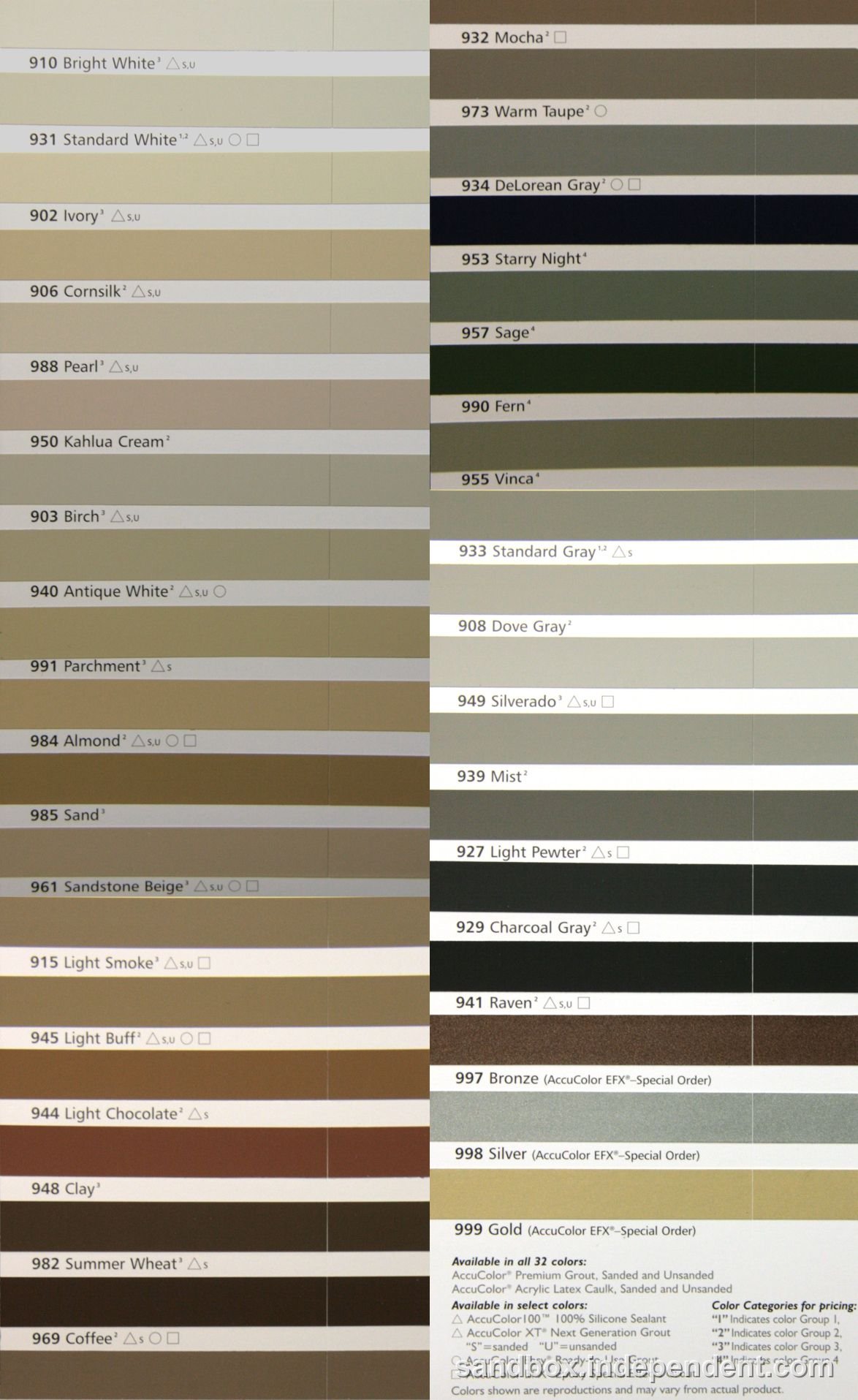
The Redken color chart is a comprehensive guide to their hair color range, offering a visual representation of the various shades and tones available. It provides a standardized way to choose and mix colors, ensuring consistent results. This chart is an essential tool for professionals and enthusiasts alike, offering a clear reference for achieving desired hair colors.
Standard Color Notation: Comparing Options
The Redken color chart follows a simple and intuitive system. Each color is represented by a unique code, typically a combination of letters and numbers. For example, the code "GG" represents a specific shade of golden blonde. This notation allows for easy identification and mixing of colors. The chart also displays the intensity and tone of each color, helping users choose the right shade for their desired look.
Practical Application Tips: Step-by-Step Guide
To use the Redken color chart effectively, follow these steps:
- Identify your desired color family. The chart is organized into sections, making it easy to navigate.
- Choose the specific shade within that family. Consider the natural hair color and the desired level of lift or deposit.
- Note the color code and intensity. This information is crucial for accurate mixing.
- Follow the recommended mixing ratios and application techniques provided by Redken.
- Test a small strand to ensure the desired result before full application.
Common Misreadings and Pitfalls
While the Redken color chart is straightforward, there are a few potential pitfalls to avoid:
- Ensure you are using the correct chart for your region or standard. Redken may offer different charts for various markets.
- Pay attention to the color intensity and tone. A slight variation in these can lead to significantly different results.
- Be aware of the natural hair color and its impact on the final result. Pre-lightening or pre-pigmentation may be necessary for certain shades.
- Always refer to the Redken color wheel or swatches for a more visual representation of the final color.
- Remember, practice and experience are key to mastering color application.
Remember, while this guide offers a comprehensive overview, it's always beneficial to cross-reference with your specific needs. The Redken color chart is a versatile tool, but its application may vary depending on your unique circumstances.
Feel free to explore our other guides for a deeper understanding of hair care and styling. We've got plenty of resources to help you navigate the world of hair coloring and beyond!
Related: Need a Lacoste Size Chart?
When it comes to shopping for Lacoste clothing, having a reliable Lacoste size chart at hand is essential. This guide will provide you with the tools to navigate and understand the size charts accurately, ensuring a perfect fit every time. Whether you're after a men's polo shirt or a women's dress, knowing how to interpret size guides is key.
Understanding the Lacoste Size Chart
The Lacoste size chart is a valuable tool for anyone looking to purchase clothing from this iconic brand. It provides a clear guide to help you find your perfect fit, ensuring a comfortable and stylish experience. This chart offers a standardized sizing system, making it easy to navigate and understand.
Comparing Size Standards and Formats
Lacoste's size chart follows a straightforward format, typically featuring columns for different clothing categories, such as tops, bottoms, and dresses. Each category further breaks down into specific garment types, like polo shirts or jeans. The chart provides measurements in both centimeters (cm) and inches, catering to international customers.
Measuring Yourself Accurately: A Step-by-Step Guide
- Start by identifying the clothing category you're interested in, whether it's a men's polo shirt or a women's dress.
- Locate the corresponding section on the Lacoste size chart.
- Measure your body accurately using a flexible tape measure. For tops, measure your chest circumference at the fullest part. For bottoms, measure your waist and hip circumference.
- Compare your measurements to the size chart. Find the row that most closely matches your measurements.
- Consider the fit you prefer. If you like a looser fit, choose a size slightly larger than your exact measurements. For a more tailored look, go for a size that aligns with your measurements.
Common Size Discrepancies and How to Avoid Them
It's important to note that size charts can vary slightly between brands and even within a brand's different collections. While Lacoste's size chart is a reliable guide, there might be minor variations. To ensure an accurate fit, always double-check the specific size guide for the item you're interested in. Additionally, be aware of the standard being used. Lacoste, like many brands, provides measurements in both cm and inches, so ensure you're referencing the correct column. Remember, accurate measuring is key to achieving the perfect fit.
Remember, when it comes to sizing, a little extra care goes a long way. While our guide provides a solid framework, it's always wise to consider your unique needs and preferences. The exact values can vary, so take a moment to ensure you've accounted for any specific requirements you may have.
Feel free to explore our other resources and guides; we've got plenty of practical tips and tools to help you navigate the world of fashion and sizing with ease. Happy browsing!
Related: A Beginner's Guide to Understanding the ND Depth Chart
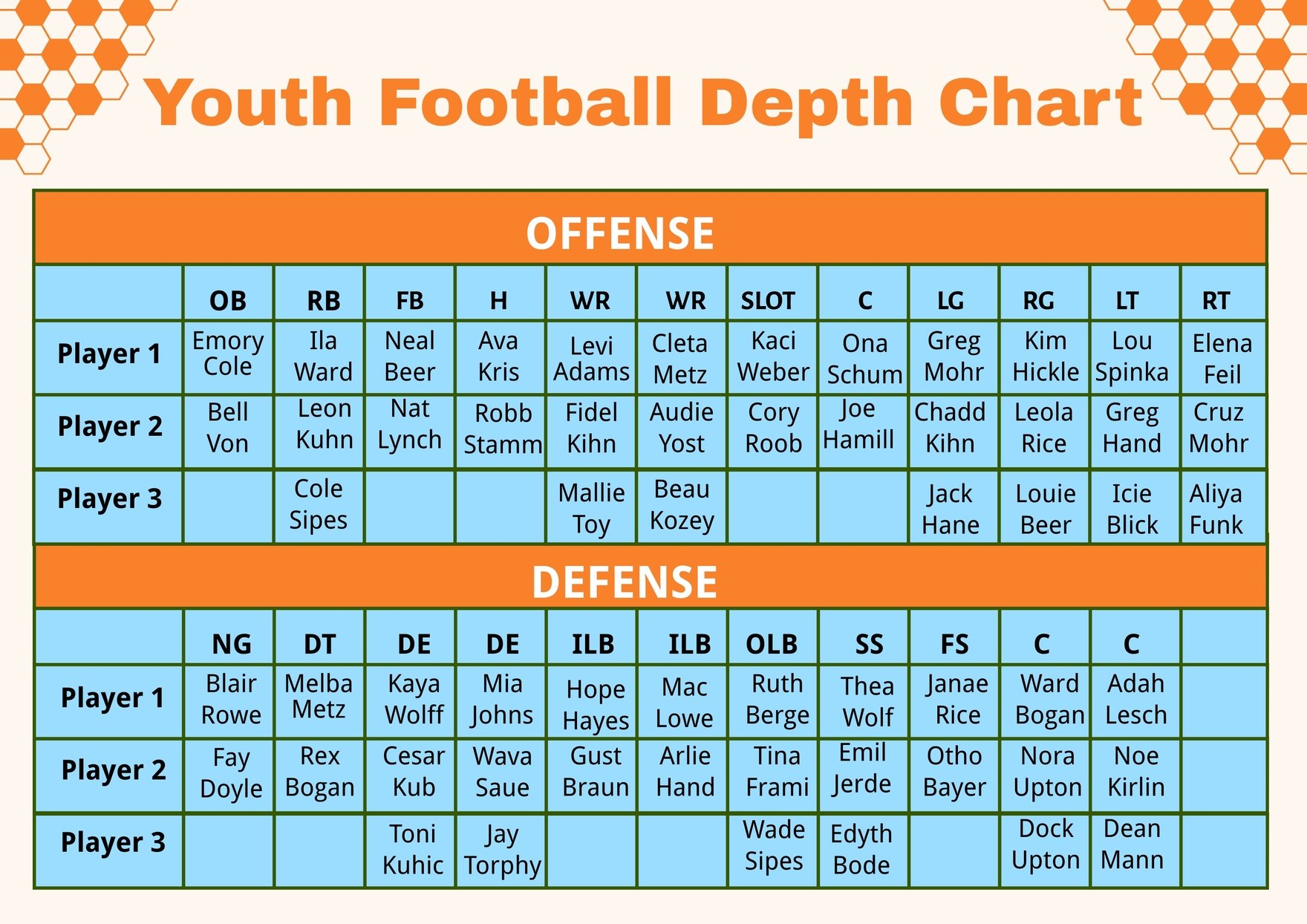
Many sports enthusiasts may overlook the importance of a bold nd depth chart, assuming it's merely a list of names. However, this chart is a strategic tool, offering a unique glimpse into a team's dynamics and potential. It's not just about the starting lineup; the nd depth chart reveals the depth and versatility of a team's roster, providing insights that can impact game strategies and player development.
Understanding the nd Depth Chart: A Comprehensive Guide
The nd depth chart is a valuable tool used in various fields, providing a visual representation of hierarchical relationships and resource allocation. It offers a clear snapshot of the structure and depth within a system, whether it's a sports team, an organizational chart, or a technical diagram. This guide will help you navigate and utilize the nd depth chart effectively.
Key Details and Categories
The nd depth chart typically consists of multiple columns and rows, with each column representing a specific category or resource. Common categories include positions, roles, or skill sets. The rows, on the other hand, indicate the depth or level of each category, often progressing from primary or essential elements to secondary or backup options. The chart's design may vary depending on the standard or context, but the core structure remains consistent.
Reading and Applying the nd Depth Chart
- Start by identifying the chart's categories and their respective columns. These categories provide the framework for understanding the chart's content.
- Move on to the rows, which represent the depth or hierarchy. Each row typically corresponds to a specific level or tier within the system.
- Read across the rows to understand the distribution and allocation of resources. For example, in a sports depth chart, the top row might represent the starting lineup, with subsequent rows indicating substitutes or reserves.
- Pay attention to any color-coding or symbols used. These visual cues often provide additional information or indicate special considerations.
- Use the nd depth chart as a reference to make informed decisions. It can guide strategic planning, resource allocation, and understanding the system's capabilities and limitations.
Variations and Differences
While the nd depth chart follows a standard structure, variations may occur due to different standards, industries, or specific use cases. For instance, a sports depth chart may vary depending on the sport and its unique positions. Additionally, regional differences might influence the chart's design, especially when comparing metric and imperial systems. It's essential to be aware of these variations and refer to the appropriate standard or guidelines for your specific context.
Common Mistakes and How to Avoid Them
One common mistake is assuming that the nd depth chart provides a comprehensive overview without any exceptions. While it offers a valuable snapshot, it may not account for all variables or unique circumstances. To avoid this pitfall, always double-check the exact specifications, especially when dealing with critical or safety-related systems. Another mistake is overlooking the chart's context. Remember to consider the industry, region, and specific use case to ensure accurate interpretation. By being mindful of these potential pitfalls, you can utilize the nd depth chart effectively and make informed decisions.
Hey there, reader! We've covered a lot of ground with this depth chart guide, and I hope it's given you a clear understanding of the concept and its practical applications. Remember, while the fundamentals remain consistent, the exact details can vary slightly across different contexts and standards.
Feel free to explore other guides on our site to deepen your knowledge and gain insights into related topics. We've got a whole library of resources to help you navigate and master various concepts and tools. Happy learning!