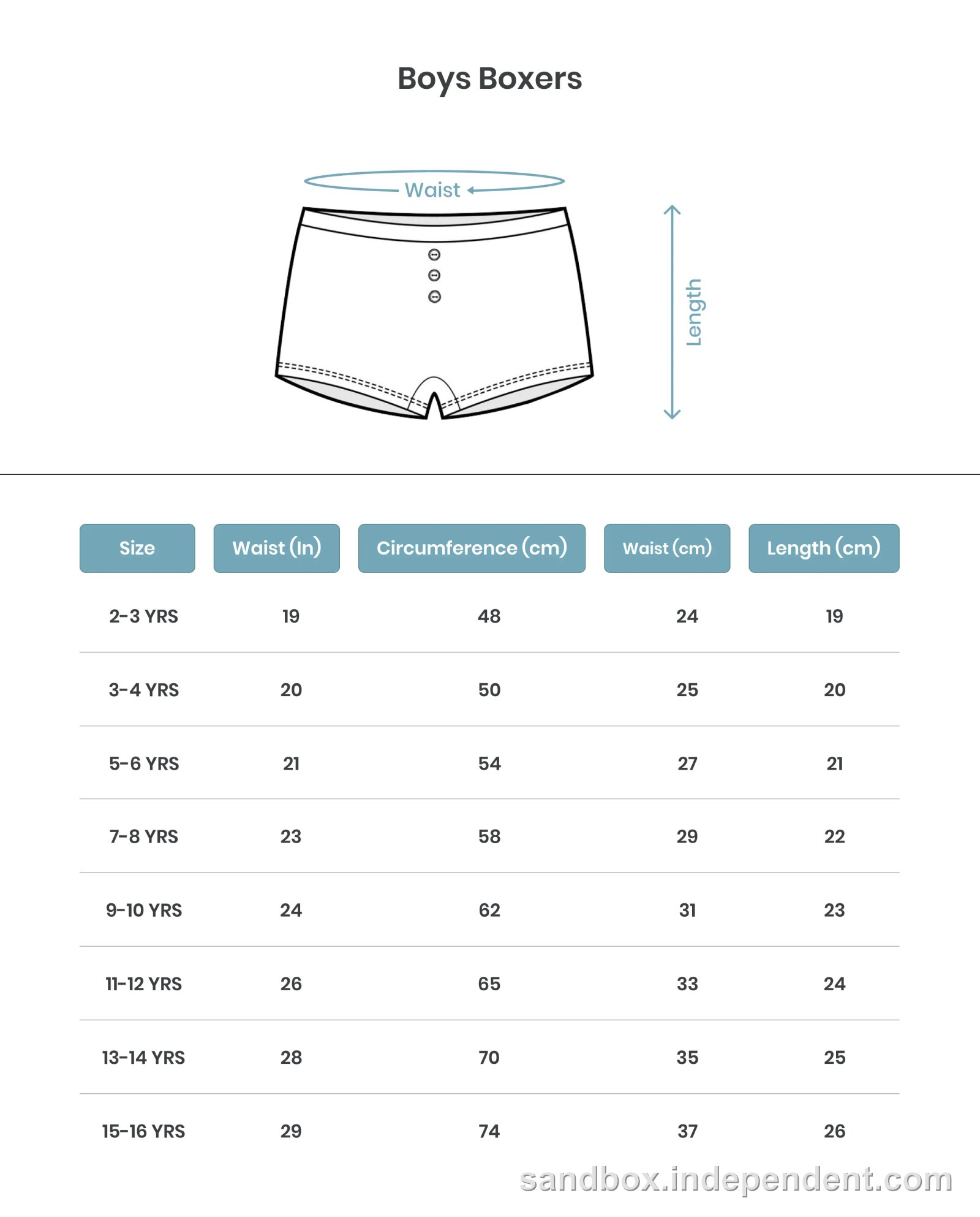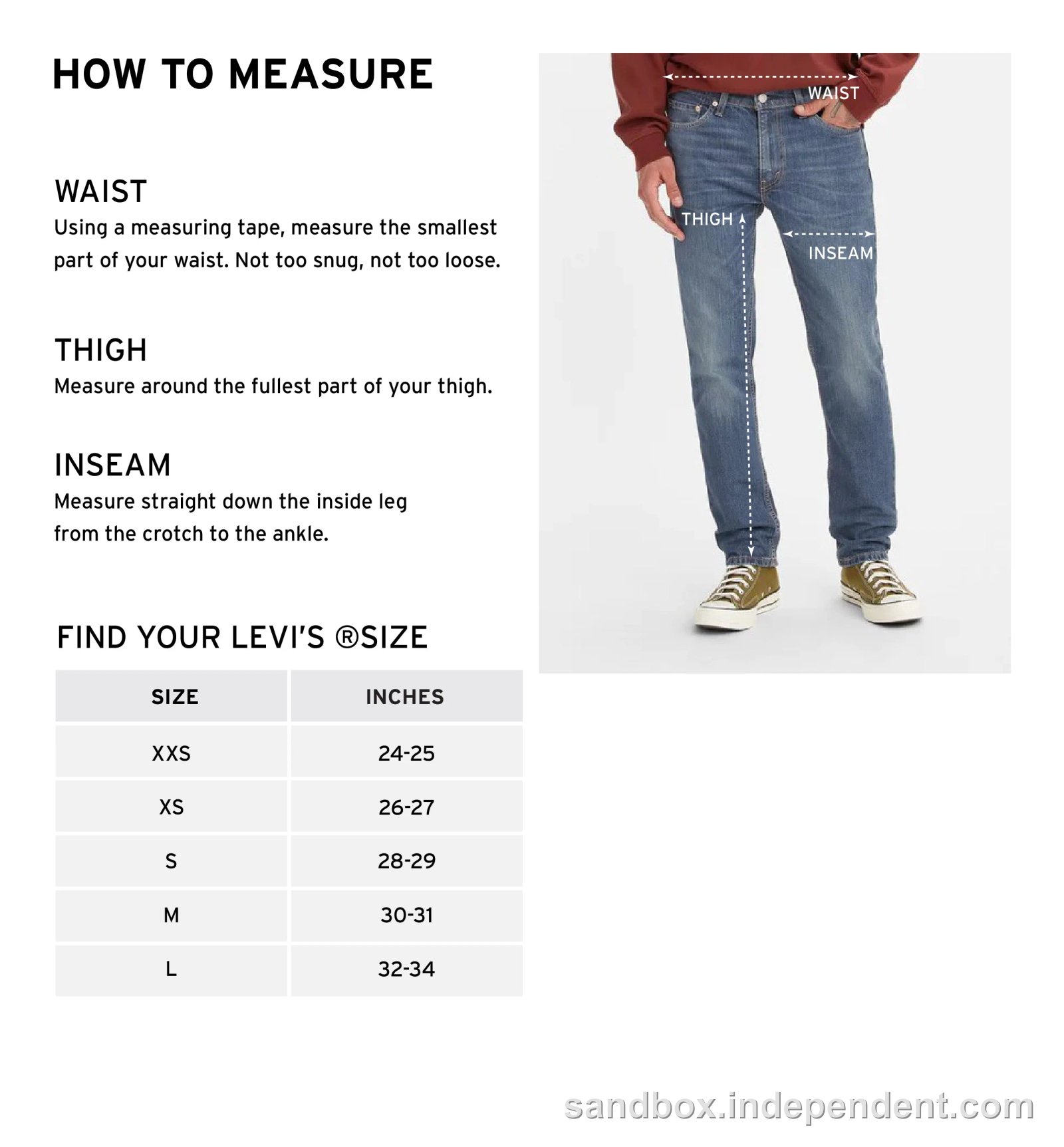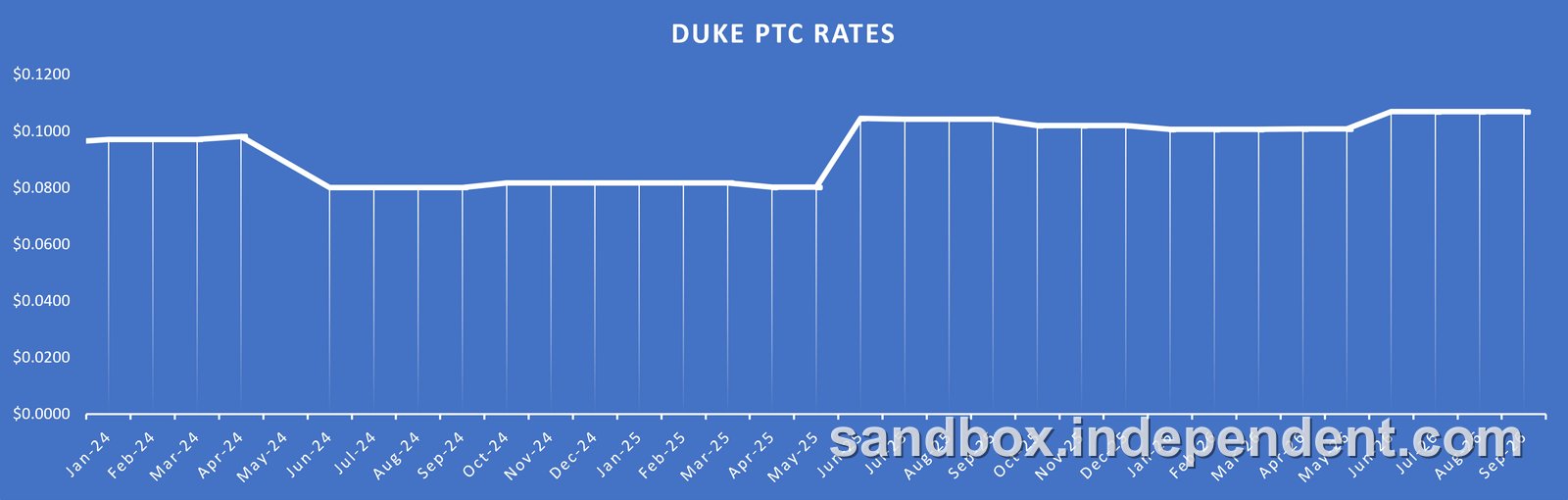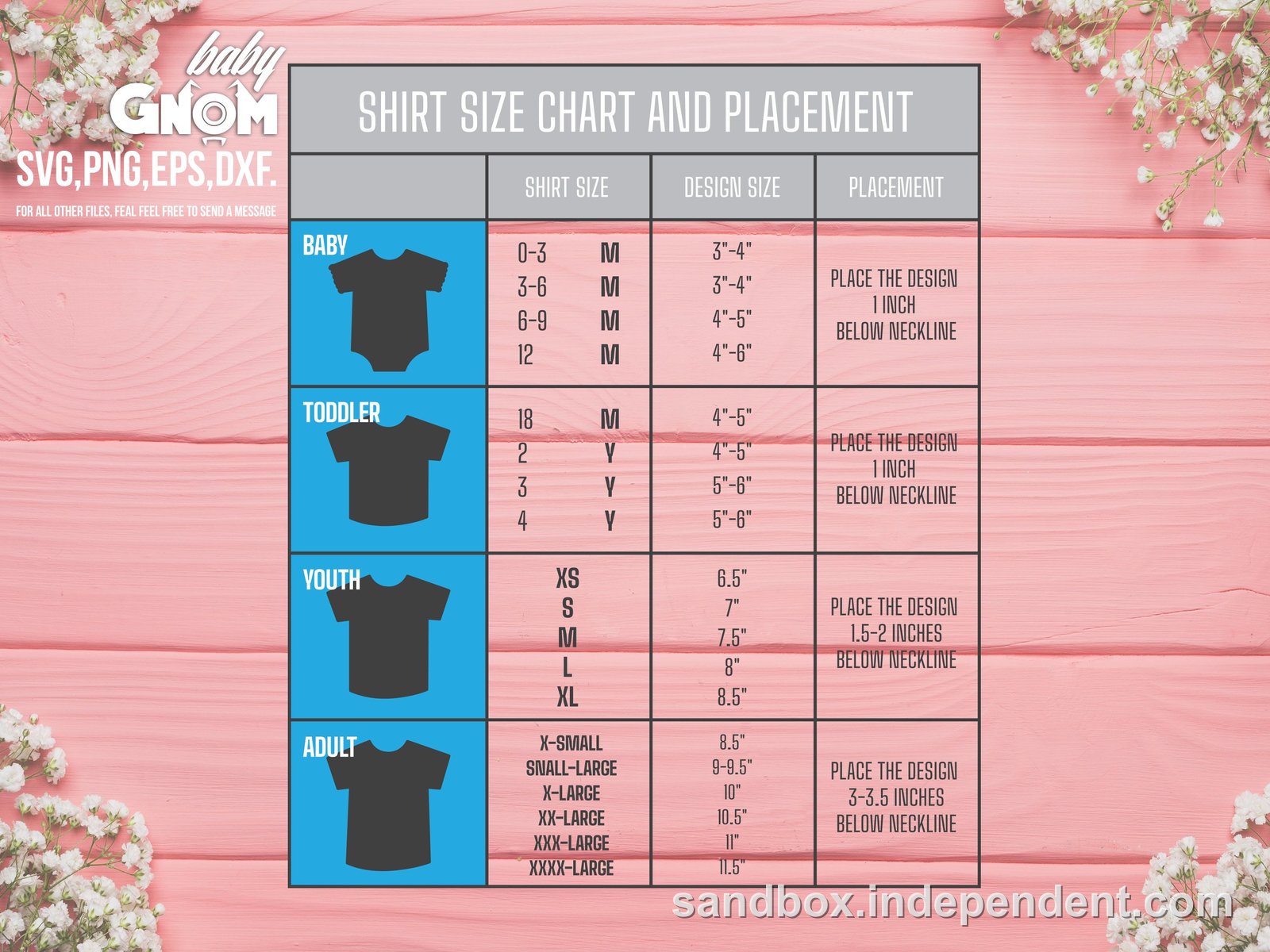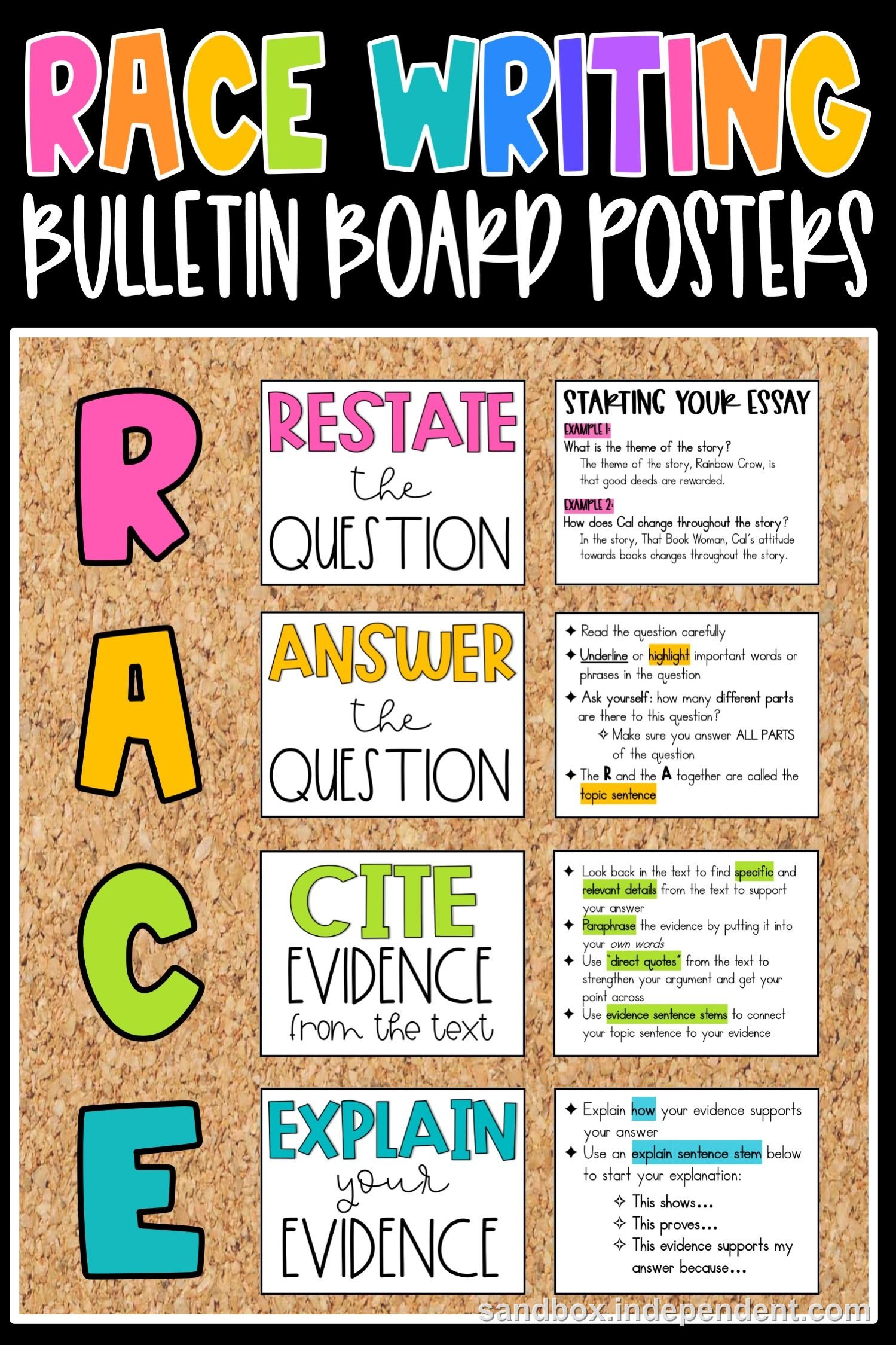



Youth Sizes Chart Template Overview
Frustrated by the endless search for the right information? You're not alone. Many pet owners find themselves seeking a quick, reliable guide to navigate the apoquel dose chart and ensure their furry friends receive the correct dosage. This chart is a crucial tool, offering a simple yet effective way to determine the appropriate treatment for canine allergies. With variations in dosing based on factors like weight and region, having a clear, accessible reference is essential.
Understanding the Apoquel Dose Chart
The apoquel dose chart is a valuable tool for pet owners and veterinary professionals, offering a clear guide to administering the correct dosage of apoquel, a medication used to treat canine allergies. This chart simplifies the process, ensuring your dog receives the right amount based on their weight.
Key Details and Categories
The apoquel dose chart typically presents two main categories: weight ranges and corresponding dosage recommendations. Weight is a critical factor, as it determines the appropriate dose. The chart provides a range of weights, often in kilograms or pounds, with the recommended dosage for each range. This ensures accuracy and safety in medication administration.
Step-by-Step Guide: Reading and Applying the Chart
Follow these steps to accurately use the apoquel dose chart:
- Weigh your dog accurately. Ensure the scale is suitable for your dog's size and provides precise readings.
- Locate your dog's weight on the chart. If their weight falls within a range, choose the dosage for the lower weight in the range. For instance, if your dog weighs 15 kg and the range is 15-20 kg, select the dosage for 15 kg.
- Measure the dosage precisely. Use the appropriate measuring tool, such as a syringe or oral dispenser, to ensure an accurate dose.
- Administer the medication as directed. Follow the instructions for the frequency and timing of doses, typically twice daily for the first two weeks and then once daily thereafter.
Variations and Differences
It's important to note that apoquel dose charts may vary slightly depending on the region and the specific manufacturer's guidelines. Factors like the dog's age, breed, and overall health may also influence dosage, so it's crucial to consult with a veterinarian for personalized advice. Additionally, the chart provides a general guide, and individual cases may require adjustments.
- Key factors influencing dosage:
- Weight of the dog
- Manufacturer's guidelines
- Region-specific standards
- Dog's age and breed
- Overall health condition
Common Dosage Mistakes and How to Avoid Them
To ensure accurate dosing:
- Always refer to the most recent apoquel dose chart provided by your veterinarian or the medication's packaging.
- Avoid rounding up or down when determining the dosage. Stick to the precise weight and corresponding dosage.
- Be mindful of the medication's expiration date and storage instructions to maintain its effectiveness.
- Consult your veterinarian if you have any concerns or questions about the dosage or your dog's response to the medication.
Remember, while the apoquel dose chart is a helpful guide, it's essential to prioritize your dog's health and well-being. Regular communication with your veterinarian is key to ensuring the best care for your canine companion.
Remember that while this chart provides a valuable reference, the exact doses and guidelines may differ slightly depending on various factors. It's always a good idea to consult with a veterinarian for personalized advice and to ensure the best care for your furry friend.
Feel free to bookmark this page for future use, and don't forget to check out our other practical guides for pet owners! We aim to make your life a little easier with these handy resources.
Related: Link Seal Chart: Your Simple Reference Guide
You're probably familiar with the link seal chart, a handy reference tool for anyone working with seals and their applications. It's a simple yet effective visual guide, offering a quick and reliable way to understand seal measurements and types. This chart, with its clear layout, provides an efficient solution for those seeking precise information without the need for extensive research. While the values and formats may vary depending on certain factors, the link seal chart serves as a valuable starting point, ensuring you have the right data at your fingertips.
Link Seal Chart: Unlocking the Secrets of Effective Sealing
The link seal chart is a valuable tool for anyone involved in construction, engineering, or industries requiring precise sealing solutions. This reference guide provides a clear understanding of the various seal types, their dimensions, and their applications. By using the link seal diagram, you can make informed decisions and ensure successful installations.
Key Measurements and Categories
The chart presents a comprehensive overview of standard link seal dimensions, offering a quick reference for professionals. It typically includes columns indicating the seal type, its size or diameter, and other relevant specifications. Common seal types, such as single, double, or triple-link seals, are categorized and measured in inches or millimeters, depending on the standard being used. Each seal type has its unique characteristics and is designed for specific purposes.
Understanding the Chart: A Step-by-Step Guide
Reading the link seal chart is straightforward. First, identify the seal type you require for your project. The chart will provide a range of options, each with its own set of dimensions. Pay close attention to the seal's diameter, as this is a critical measurement for proper installation. Additionally, the chart may offer insights into the seal's material, which is essential for compatibility and durability considerations.
Here's a simple step-by-step process:
- Identify the seal type needed.
- Locate the seal on the chart and note its diameter.
- Check the material and ensure it aligns with your project requirements.
- Cross-reference with industry standards or manufacturer specifications for any specific tolerances or additional details.
Seal Variations and Practical Tips
While the link seal chart provides a valuable framework, variations can occur due to industry standards, regional differences, and specific use cases. It's essential to be aware of these potential discrepancies. Here are some key factors to consider:
- Standard link seal dimensions may differ slightly between regions, so always double-check the relevant standards for your location.
- Manufacturer-specific charts might offer unique seal types or measurements, so refer to their guides for accurate information.
- Environmental factors, such as temperature and pressure, can influence seal performance, so choose seals suitable for your application.
Remember, the link seal chart is a practical tool, but it's essential to adapt and verify the information for your specific project needs. With this guide, you can confidently navigate the world of sealing solutions and ensure successful installations.
Hey there! I hope this link seal chart has been a helpful reference for you. Remember, while the basics remain consistent, the exact details can shift a little based on your specific context or the standards you're working with.
Feel free to keep this page bookmarked for future use. It's always handy to have a quick, reliable guide like this at your fingertips. You might also want to explore some of our other practical guides for more tips and tricks. Happy referencing!
Related: Keep it Chart: A Quick Reference Guide
You've stumbled upon the keep it chart, a nifty tool that's here to make your life easier. It's a simple yet effective way to keep track of things, and it's a real time-saver for those quick reference moments.
This chart, or visual guide, offers a straightforward solution to keep your information organized. Whether it's a common measurements table or a practical tips diagram, the keep it chart ensures you have a reliable reference at your fingertips.
What is the Keep It Chart?
The keep it chart is a handy visual reference guide that simplifies complex information. It's a practical tool designed to help you quickly find and understand key data points, making it an essential companion for various tasks and projects.
Understanding the Chart's Details
Before diving in, let's clarify some basics. The keep it chart typically covers a range of common measurements and specifications, presented in a clear, organized manner. You'll find categories like length, width, height, weight, and more, each with its specific units. These units can vary depending on the standard you're using, so it's essential to be aware of the system in play. For instance, you might see inches, feet, and pounds in one chart, while another might use centimeters, meters, and kilograms.
How to Read and Use the Keep It Chart
Using the keep it chart is straightforward. Here's a step-by-step guide:
- Identify the category you need. Let's say you're looking for length measurements.
- Locate the relevant section on the chart. It will likely have a clear label or heading.
- Within that section, find the specific measurement or range you require. The chart might provide a range of values, so choose the one that best suits your needs.
- Note the corresponding value or specification. This could be a dimension, a weight, or any other relevant data point.
- Apply this information to your project or task. Whether you're building, designing, or simply organizing, the keep it chart provides a quick and reliable reference.
Common Variations and Differences
While the keep it chart is a valuable tool, it's important to note that variations exist across different standards and contexts. For example, the units and ranges may differ between the metric system and the imperial system. Additionally, specific industries or applications might have unique requirements, leading to customized charts. Always double-check the exact specifications when dealing with critical or specialized tasks.
Tips and Tricks to Avoid Mistakes
To ensure accurate use of the keep it chart, keep these tips in mind:
- Always verify the standard being used, especially when working with international projects or diverse teams.
- Pay attention to the units. Converting between systems can be tricky, so double-check your calculations if needed.
- If you're unsure about a measurement or if the chart seems to contradict your expectations, trust your instincts and seek further clarification.
- Regularly review and update your keep it chart to ensure you have the latest and most relevant information.
Remember, the keep it chart is a practical tool designed to simplify your work, but it's essential to use it with care and attention to detail. With these tips, you'll be able to make the most of this valuable resource!
Well, there you have it! A handy guide to keep you on track and ensure you're using the right tools for the job. Remember, these charts are a great reference, but it's always wise to double-check the specifics for your unique situation.
Consider bookmarking this page for future use; it's a simple yet effective way to stay organized and informed. Happy charting!