


Youth Sizing Chart Black And White Overview
A shrimp size chart is a handy tool for anyone seeking precise information on shrimp measurements. This guide aims to provide a clear understanding of these charts, ensuring you can confidently interpret and utilize them.
The chart offers a quick reference for standard shrimp sizes, which can vary slightly depending on the region and specific shrimp variety. It's a simple yet effective way to ensure you're getting the right size for your needs, whether for cooking, aquaculture, or any other purpose.
Understanding the Shrimp Size Chart
The shrimp size chart is a valuable tool for anyone working with shrimp, whether you're a chef, a seafood enthusiast, or even a scientist studying these fascinating creatures. It provides a clear and concise overview of shrimp sizes, helping you choose the right shrimp for your needs and ensuring accurate measurements.
Comparing Size Categories and Standards
The chart typically categorizes shrimp based on their length, using either metric or imperial units. Common size categories include:
- Extra-large shrimp (15-20 pieces per pound)
- Large shrimp (21-30 pieces per pound)
- Medium shrimp (31-40 pieces per pound)
- Small shrimp (41-60 pieces per pound)
- Extra-small shrimp (61-80 pieces per pound)
These categories are based on the number of shrimp that would fit into a standard pound, giving a rough guide to their size. It's important to note that these categories may vary slightly between different standards and regions.
Using the Shrimp Size Chart: A Step-by-Step Guide
Identify the standard you are working with. Shrimp size charts can vary depending on the region and industry, so ensure you are using the correct chart for your needs.
Determine the size category you require. Consider the recipe or purpose for your shrimp. Are you looking for a specific size for a delicate dish or a larger shrimp for a robust flavor?
Check the chart for the appropriate size category. The chart will give you a range of lengths for each category, helping you select the right size. For example, if you need large shrimp, the chart might indicate a range of 7-8 inches (17-20 cm).
Convert units if necessary. If your recipe or requirements use a different unit of measurement, convert the values using standard conversion factors.
Double-check with specific recipes or guidelines. While the shrimp size chart provides a useful reference, some recipes or culinary traditions may have specific size requirements. Always refer to these guidelines for precise measurements.
Avoiding Common Misreadings and Pitfalls
Shrimp size charts are a guide, and actual sizes can vary slightly. Always allow for a small margin of error, especially when working with fresh shrimp.
Be aware of potential variations due to factors like shrimp species, fishing methods, and even the time of year. These can impact the average size of shrimp.
While the chart provides a useful reference, it's essential to consider the context. For example, if you're working with a specific recipe that calls for a precise size, ensure you understand the implications of using a slightly larger or smaller shrimp.
Remember, the shrimp size chart is a practical tool to help you navigate the world of shrimp sizes, but it's always beneficial to have a basic understanding of the factors that can influence these measurements.
Before you put this guide to use, remember that while this chart provides a handy reference, it's always wise to verify the specific requirements for your particular project or recipe. Exact values can vary, so a quick double-check ensures you get it just right.
Consider bookmarking this page for future reference; it might come in handy more often than you think! With this simple tool, you'll always have a reliable guide at your fingertips.
Related: Flute Notes Chart: A Simple Guide
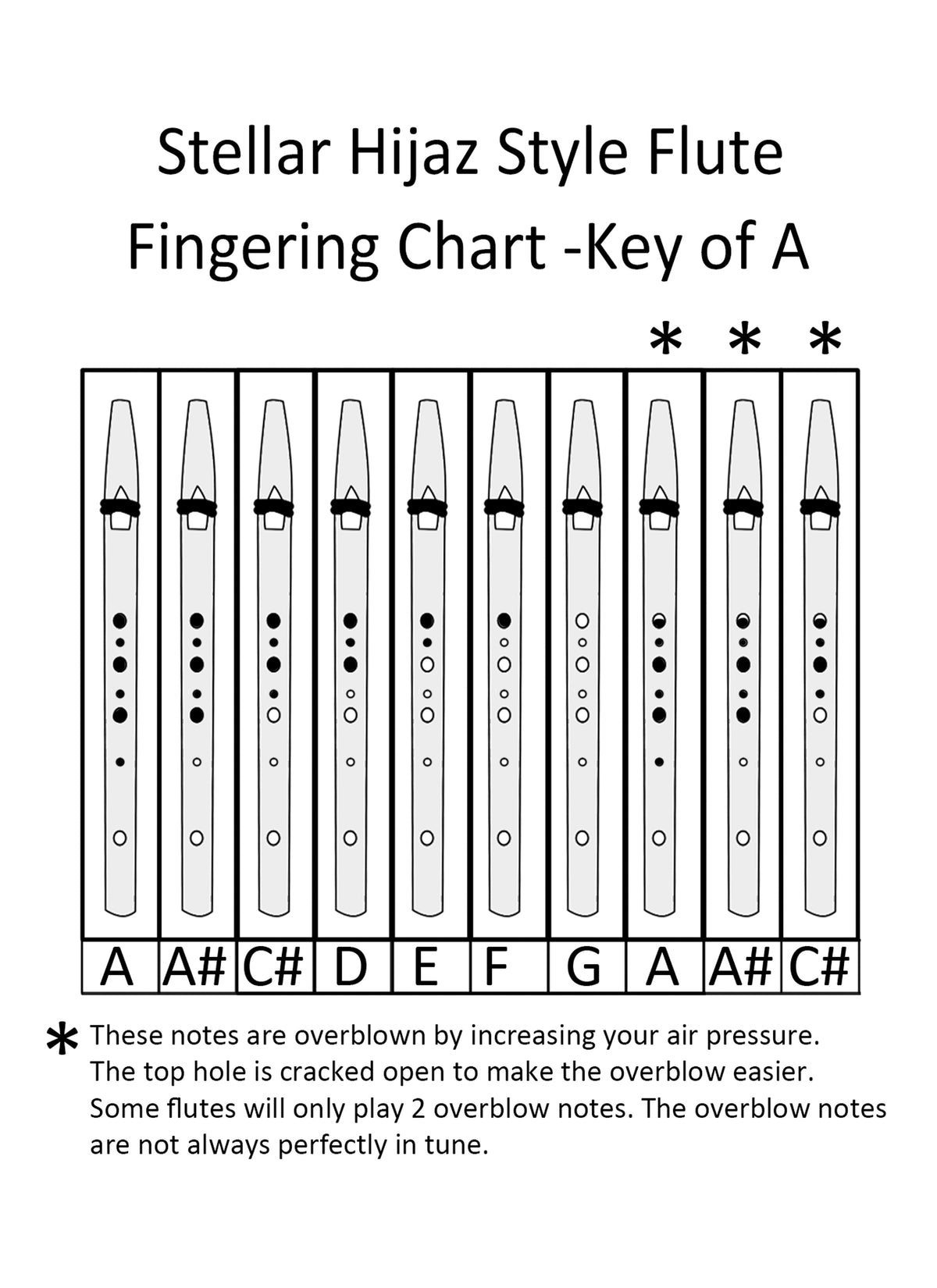
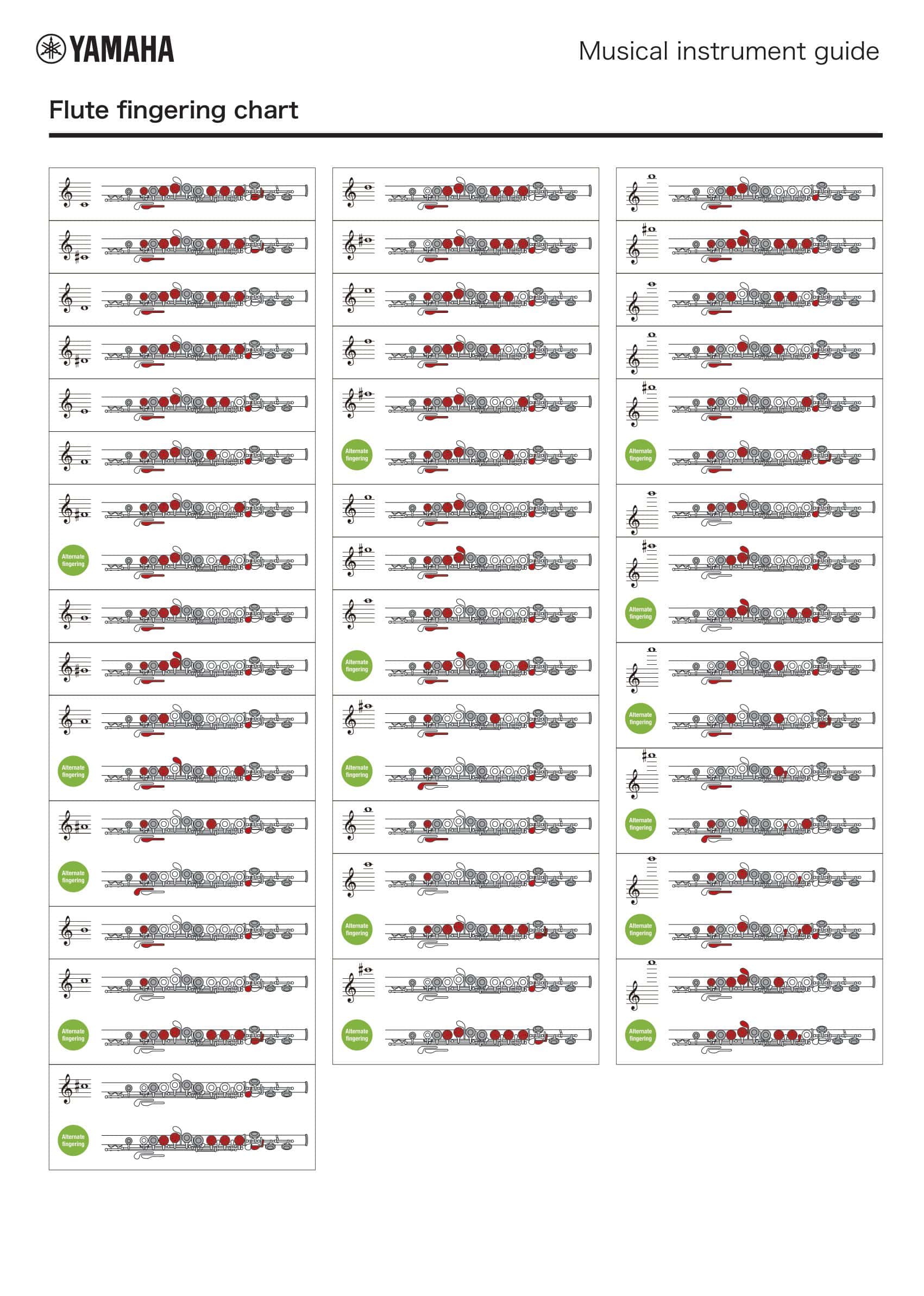
You're here, perhaps with your flute in hand, seeking a simple, reliable guide to navigate the world of flute notes. A flute notes chart is your trusted companion, offering a clear and concise visual representation of the notes you can produce. This chart, a valuable tool for musicians, presents the standard flute note range and beyond, with details that can vary depending on your instrument and playing style. It's a quick reference, ensuring you stay on track and play with precision.
The Flute Notes Chart: A Visual Guide
The flute notes chart is a valuable tool for flute players, offering a visual representation of the notes produced by the instrument. It provides a quick reference for understanding the relationship between finger positions and the corresponding musical notes. This chart is an essential guide for beginners and experienced flutists alike.
Key Details and Prerequisites
Before delving into the chart, it's important to understand some basic concepts. The flute notes chart typically displays the standard flute note range, which covers the notes from the lowest to the highest pitch achievable on a flute. It uses a combination of finger positions, or flute fingering, to represent different notes. The chart often includes common flute scales and note names, providing a comprehensive overview.
Understanding and Reading the Chart: A Step-by-Step Guide
The flute notes chart usually features a grid-like structure, with finger positions represented horizontally and note names or pitches vertically. Each intersection represents a specific note.
Locate the starting point, which is often marked as "C" or "Do." This is the reference point for all other notes. From there, you can identify the finger positions required to play each note.
Pay attention to the alternate fingerings indicated on the chart. These are alternative ways to produce the same note, offering options for players to adjust their technique or achieve a desired sound.
Practice reading the chart by identifying a specific note and finding its corresponding finger position. Then, try playing that note on your flute to reinforce the connection between the visual representation and the actual sound.
As you become more familiar with the chart, you can use it to explore different scales and musical phrases. The chart serves as a roadmap, guiding you through the finger positions needed to play various melodies.
Variations and Differences: Factors to Consider
While the flute notes chart provides a standardized reference, variations can occur due to several factors:
Standard flute note range can differ slightly between different flute models or types. Always check the specific range for your flute.
The chart may not account for all possible fingerings or techniques. Some advanced players might discover unique fingerings not commonly used.
Pitch chart accuracy can be influenced by factors like flute quality, player technique, and environmental conditions.
Different regions or manufacturers might use slightly different standards for note frequencies or labels.
The chart is a guide, but practical exercises and experience are essential for mastering the flute.
Remember, the flute notes chart is a valuable tool, but it's important to verify specific details and tolerances for your flute and playing style. With practice and familiarity, it becomes an indispensable reference for your musical journey.
Flute notes are a fascinating subject, and this chart is a great tool to have in your musical arsenal. Remember, while the fundamentals remain consistent, the exact details can vary slightly depending on the standard or context. So, if you're keen to explore more, our site offers a range of guides and resources to satisfy your curiosity. Dive into the world of music theory and discover the endless possibilities!
Related: How to use a youth sizing chart?
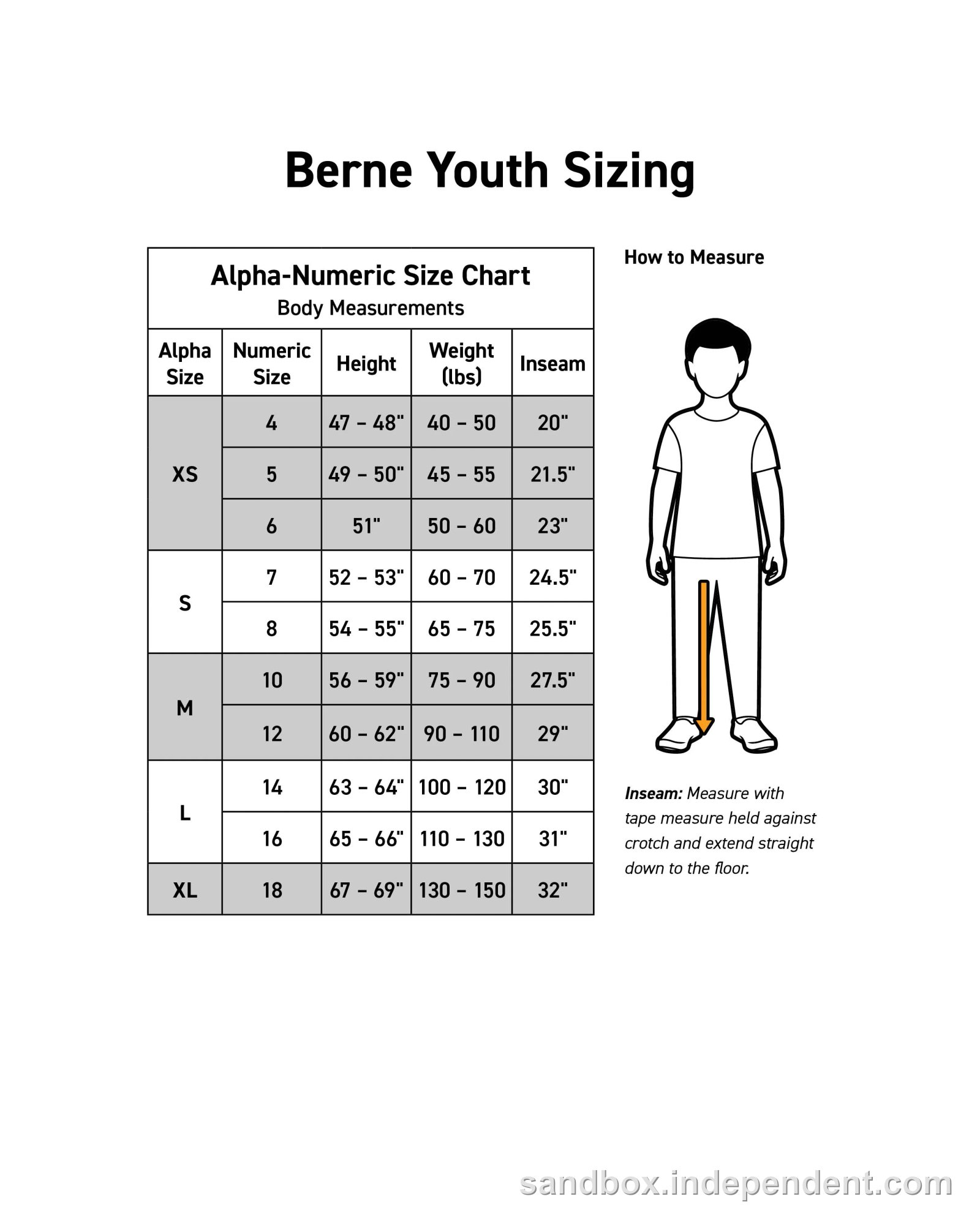
A youth sizing chart is a handy tool to have when shopping for kids' clothes and shoes. This guide will show you how to navigate these charts with ease, ensuring you get the right fit every time.
These charts are a quick reference, offering standard youth measurements to help you find the perfect size. While values may vary slightly by brand and region, they provide a reliable starting point. You'll find clothing size charts, shoe size guides, and even a head circumference guide, all designed to make sizing a breeze!
Understanding the Youth Sizing Chart
The youth sizing chart is your go-to guide for finding the perfect fit for kids' clothing and shoes. It's a simple yet powerful tool that helps you navigate the world of sizing, ensuring your little ones look and feel their best.
Key Details and Categories
This chart typically includes measurements for height, weight, and sometimes even age. These measurements are divided into categories, often based on age groups or specific size ranges. You'll find units in both centimeters (cm) and inches, so it's essential to know which system you're using. For instance, a child's height might be listed as 122 cm or 48 inches, depending on the standard.
How to Read and Apply the Chart
Using the youth sizing chart is straightforward:
Start by measuring your child's height and weight. If you're unsure, ask a friend or family member to help. It's best to measure in the morning, before any major activities, to get an accurate reading.
Locate the height and weight categories on the chart that match your child's measurements. These categories will often have a range, so find the one that best fits your child's size.
Once you've identified the right category, you'll see a recommended size or a range of sizes. This is the size you should choose when shopping for clothing or shoes.
For clothing, you might see a letter (e.g., S, M, L) or a number (e.g., 6, 8, 10) indicating the size. For shoes, you'll often find a number followed by a width indicator (e.g., 13 M, 1 M).
Variations and Differences
It's important to note that youth sizing charts can vary depending on the standard being used. For instance, a clothing size chart from one brand might not align perfectly with another brand's chart. This is especially true when comparing international sizing standards. Additionally, some charts might be more detailed, including measurements for head circumference or chest size, which can further refine the fit.
Common Mistakes and How to Avoid Them
One of the most common mistakes is not measuring accurately. Always take precise measurements, especially if your child is on the border of two size categories. Another pitfall is assuming that all brands or manufacturers use the same sizing standards. Always double-check the specific kids sizing guide or standard youth measurements provided by the brand or retailer. Lastly, don't forget to consider the material and design of the clothing or shoes. Some items might run larger or smaller than expected, so it's always a good idea to check reviews or ask for recommendations.
Well, that's the lowdown on youth sizing charts! You now have the tools to navigate these charts with ease and ensure a perfect fit for your little ones. Remember, while these charts are a fantastic guide, it's always wise to double-check the specific requirements or standards you're working with.
Feel free to explore our other resources; we've got a range of practical guides to help you tackle various tasks with confidence. Happy sizing and see you around!