



Youth Sizing Chart For Kids Overview
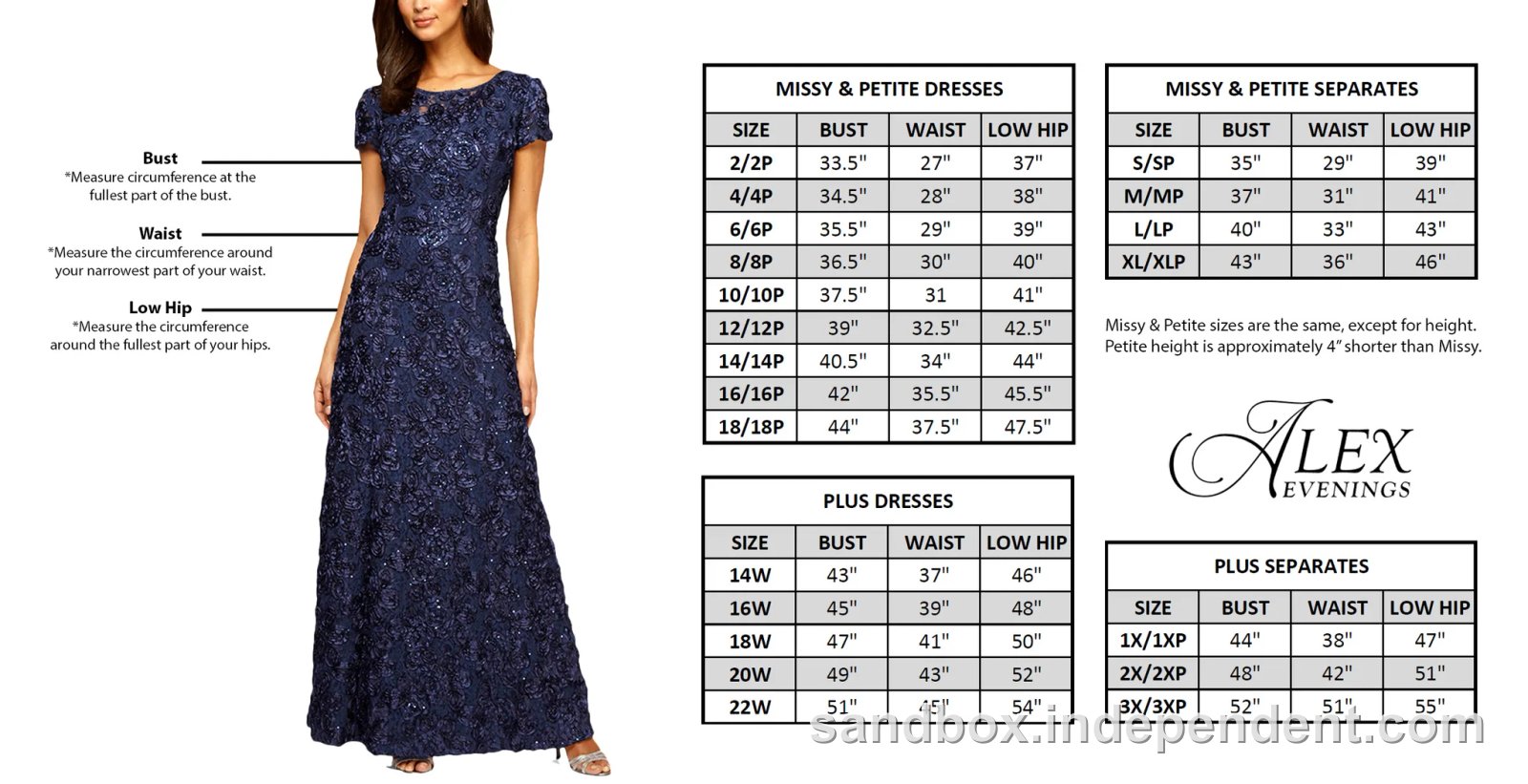
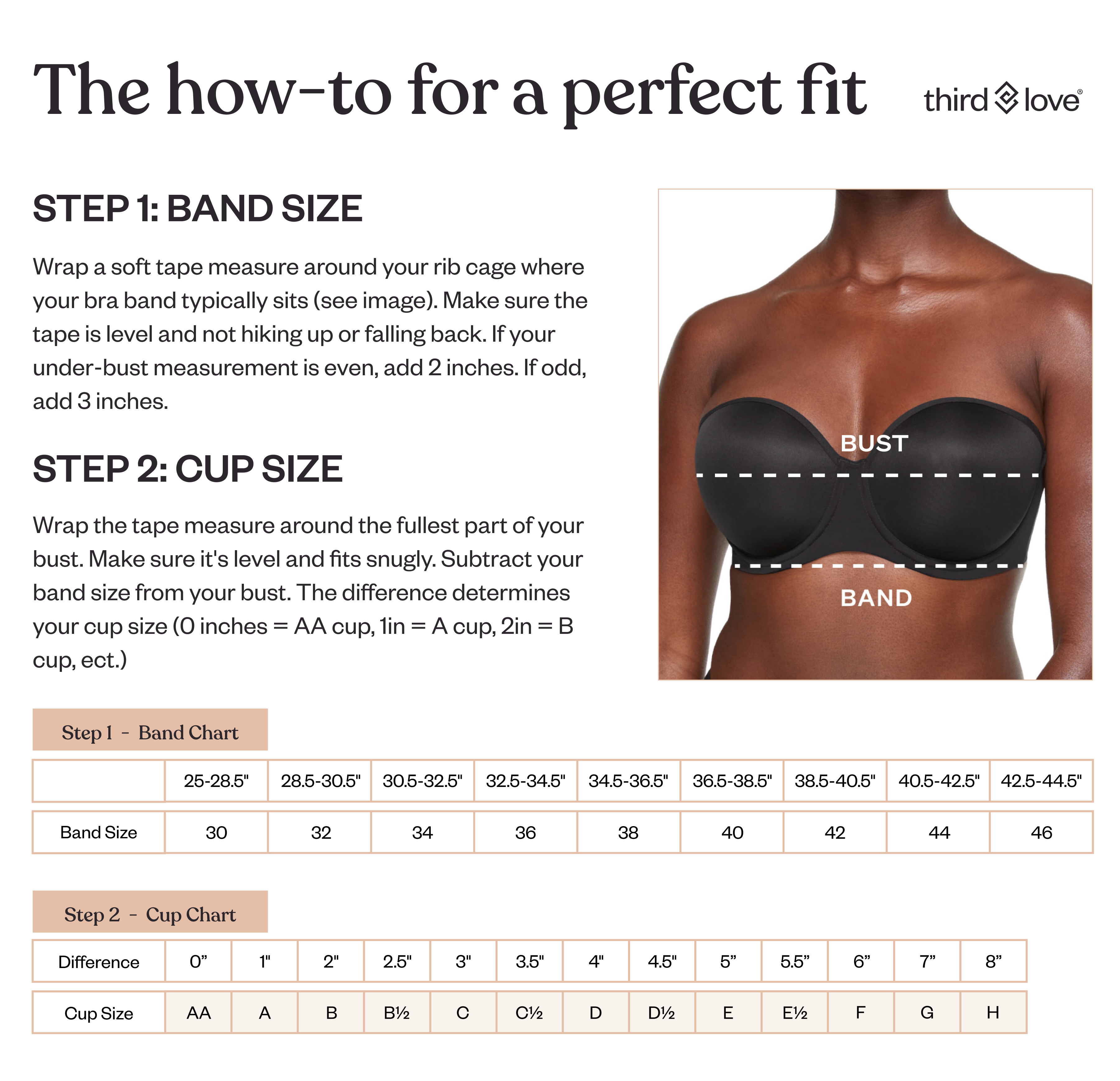
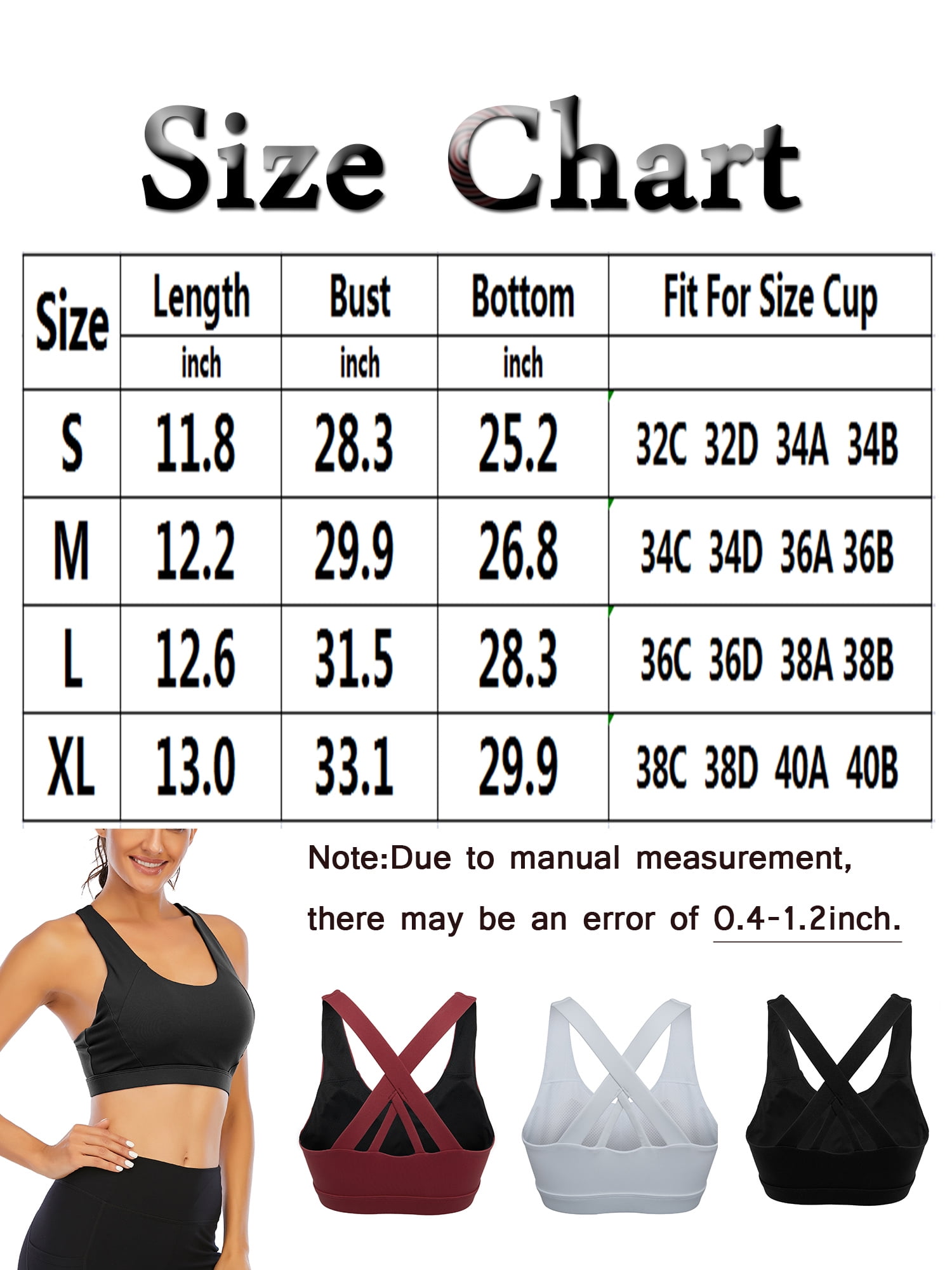
You're probably here because you need a quick answer, and who can blame you? A chest size chart is a handy tool, offering a simple visual guide to understanding bra sizes and fit. It's a reference that can save you time and ensure you get the right size, every time. These charts can vary slightly, but they're an essential guide for anyone wanting an accurate bra size and a comfortable fit.
Understanding the Chest Size Chart
The chest size chart is a handy tool to help you find the right fit for clothing and accessories, especially when shopping online. It provides a reference for measuring and understanding your chest size, ensuring you make informed choices. This chart is particularly useful for women's sizing, including bra size charts, but it can also guide men's clothing choices.
Comparing Measurement Standards
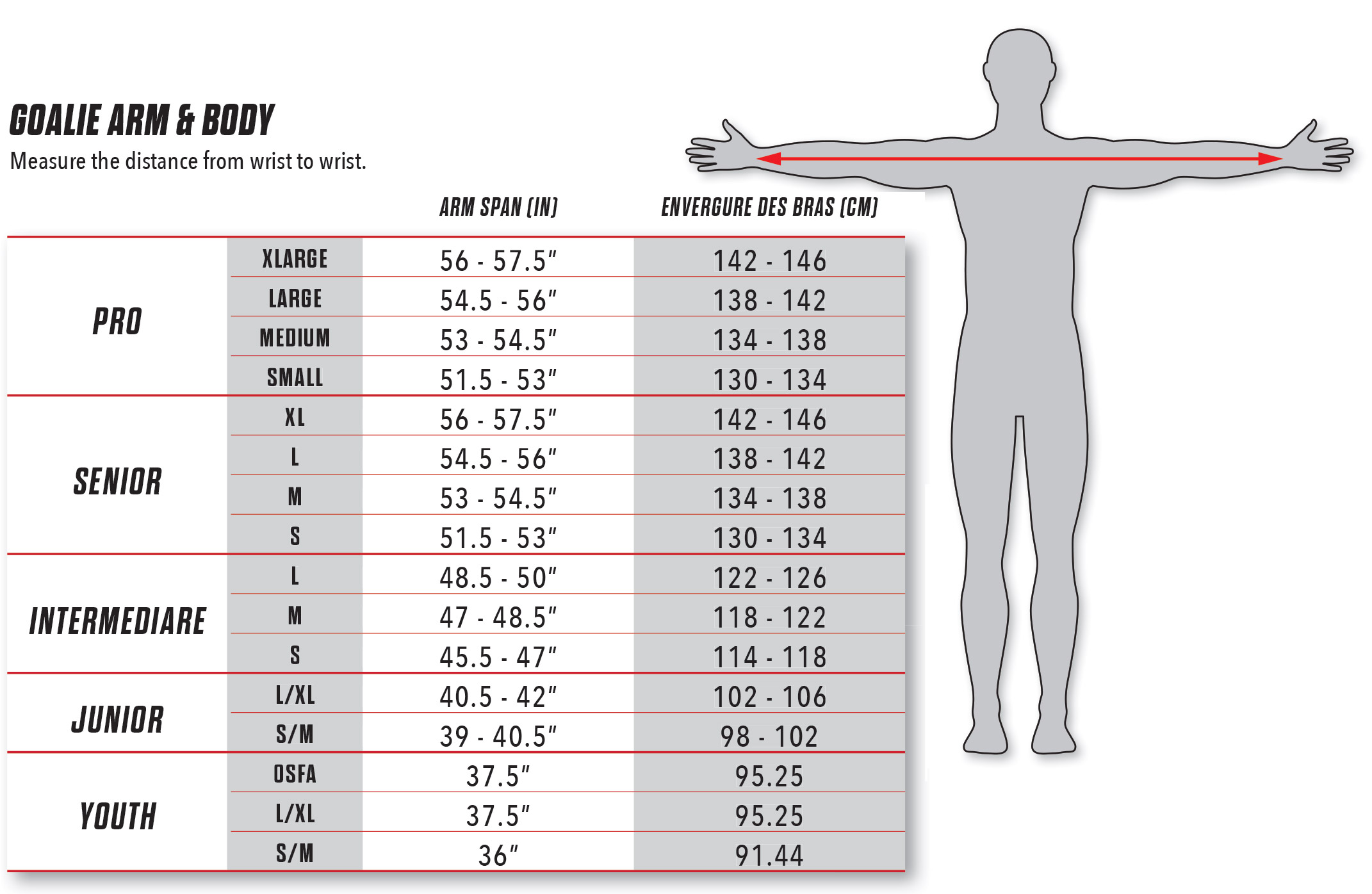
Measurement standards can vary depending on the region and manufacturer. For example, the US and international (metric) systems have different size categories and ranges. The chest size chart typically includes both systems, making it versatile. It's essential to check which standard is being used to ensure accuracy.
Measuring Accurately: A Step-by-Step Guide
- Prepare a flexible measuring tape. Ensure it's not too tight or loose.
- Stand in a relaxed position, with your arms slightly away from your sides.
- Measure the fullest part of your chest, usually across the nipple line.
- Wrap the tape around your body, ensuring it's level and parallel to the floor.
- Take the measurement in inches or centimeters, depending on the standard.
- Refer to the chest size chart to find your size. It will provide a range of measurements and corresponding sizes.
- If you fall between sizes, consider the fabric's stretch and your personal preference for a snug or loose fit.
Common Mistakes and How to Avoid Them
One common mistake is measuring too tightly or too loosely. This can lead to an inaccurate reading and an ill-fitting garment. Always ensure the tape is snug but not constricting. Another pitfall is assuming all brands use the same sizing. Different manufacturers may have slight variations, so it's best to refer to their specific size charts. Additionally, some charts may not cover all body types, so be mindful of any special considerations you may have.
Factors Affecting Accuracy and Real-World Use
Several factors can influence the accuracy of your chest size measurement. These include your posture during measurement, the type of clothing you're wearing, and any recent weight changes. It's essential to stand upright and maintain a consistent posture. The fabric of your clothing can also affect the measurement, so consider measuring over a thin, form-fitting garment. If you've recently gained or lost weight, your chest size may have changed, so it's beneficial to remeasure periodically.
So, now you're equipped with a handy chest size chart and the knowledge to use it effectively. Remember, these charts provide a great starting point, but it's always wise to consider your unique needs and measurements.
Don't forget to check out our other guides for more practical tips and insights. We've got a range of topics to explore, so feel free to browse and discover something new!
Related: How to Read the Gallon Man Chart
Hey there! Let's talk about the gallon man chart, a clever visual tool that simplifies liquid measurements. This guide will give you a quick rundown on how to use this chart like a pro.
The gallon man chart is a handy reference, often used in cooking and baking, to convert and understand different liquid measurements. It's a simple diagram, but it can vary slightly depending on your region and the standards you follow. So, let's explore how to read and apply it accurately!
Understanding Gallon Man: A Visual Guide
The gallon man chart is a clever visual tool that helps us understand and convert liquid measurements easily. It's like having a handy reference guide for all your cooking and baking needs! This chart is especially useful when you're working with recipes that call for different units of measurement, like cups, pints, quarts, and gallons.
Key Details and Units
The gallon man chart typically displays a visual representation of a person, often a stick figure, with different body parts labeled to indicate liquid measurements. The head might represent a cup, the torso a pint, and so on. Each body part is labeled with its corresponding volume, making it easy to visualize and remember. The chart usually covers common liquid measurements in the imperial system, such as cups, pints, quarts, and gallons. It's a great way to quickly convert between these units.
Reading the Chart and Converting Measurements
Using the gallon man chart is simple and practical. Here's a step-by-step guide:
Identify the unit you want to convert. Let's say you have a recipe that calls for 2 cups of milk, but you only have a measuring jug that measures in pints.
Locate the "cup" on the gallon man chart. It's usually the head or a part of the head.
Follow the visual guide to see how many cups are equivalent to a pint. You'll see that 2 cups are equal to 1 pint.
Now, you know that 2 cups of milk are the same as 1 pint. So, you can easily measure out the right amount for your recipe.
It's as simple as that! The gallon man chart provides a quick and visual way to convert liquid measurements, making your cooking and baking adventures smoother.
Variations and Differences
While the gallon man chart is a fantastic tool, it's important to note that variations exist. Different charts might use slightly different visuals or have additional measurements included. For example, some charts might include half-cup or quarter-cup measurements, providing even more precision. Additionally, the chart's design and layout can vary, so it's always a good idea to familiarize yourself with the specific chart you're using.
Common Mistakes and How to Avoid Them
Here are a few common pitfalls to watch out for when using the gallon man chart:
Misinterpreting the visual cues: Always double-check the labels and ensure you're following the correct path of measurement.
Assuming precision: Remember, the chart provides a general guide. For precise measurements, especially in baking, it's best to use a scale for dry ingredients and a liquid measuring cup for liquids.
Mixing up imperial and metric: If you're working with recipes from different regions, be mindful of the measurement system used. The gallon man chart typically represents imperial measurements, so conversions might be needed for metric recipes.
By being aware of these potential mistakes, you can ensure accurate measurements and delicious results!
Well, there you have it! The Gallon Man Chart is a handy tool with a simple concept, but as we've seen, it's important to be aware of the variations and potential mistakes. Remember, the exact details might shift a little depending on your context, so always double-check your sources.
Feel free to explore our other guides; we've got plenty of practical tips and tricks to offer, and who knows, you might just discover a new favorite reference tool!
Related: What is the Sileo Dosing Chart?
You've landed here, searching for a clear and concise resource, and the Sileo dosing chart is exactly that: a straightforward guide to ensure accurate dosing. This chart, a trusted tool for many, offers a visual representation of the recommended doses, often tailored to different weights and ages. It's a quick reference, ensuring you can administer Sileo with confidence, and it's designed to be user-friendly, with variations depending on regional standards and specific needs.
Understanding the Sileo Dosing Chart
The Sileo dosing chart is a valuable tool for determining the appropriate dosage of Sileo, a medication often used to treat specific conditions. This chart provides a clear and concise guide to ensure accurate dosing, especially when considering factors like weight and age.
Key Details and Categories
Before delving into the chart, it's essential to understand its structure. The Sileo dosing chart typically displays dosage information based on weight categories, usually in kilograms. These weight ranges are divided into common age groups, ensuring a tailored approach to dosing. The chart provides recommended doses in micrograms, offering precise guidance for each weight category.
Interpreting the Chart: A Step-by-Step Guide
- Identify the patient's weight. Ensure you have an accurate measurement, as this is the primary factor influencing the dose.
- Locate the corresponding weight category on the chart. These categories are often color-coded or labeled for easy identification.
- Within the selected weight category, find the recommended dose in micrograms. This value represents the ideal dosage for that specific weight range.
- Administer the medication as directed, following the dosage guidelines. It's crucial to adhere to the recommended dose to ensure safety and effectiveness.
Variations and Safety Considerations
While the Sileo dosing chart provides a standardized guide, variations may occur due to individual factors. Different regions or healthcare settings might have slightly different charts or guidelines, so it's important to refer to the specific chart relevant to your location. Additionally, certain conditions or patient characteristics might require adjustments to the standard dose, emphasizing the need for professional medical advice. Always consult with a healthcare provider to ensure the safe and effective use of Sileo.
Remember, while this dosing chart serves as a valuable tool, it's always a good idea to double-check the specific guidelines and recommendations relevant to your situation. The exact values and units might vary slightly across different contexts and standards, so it's essential to refer to the most appropriate resources for your needs.
Feel free to explore our collection of guides; we have a range of practical resources to help you navigate various topics with ease and confidence. Happy reading and learning!