








Zicoto Planner Stickers Overview
A club length chart is a valuable tool for golfers, offering a simple yet effective way to navigate the world of golf club sizing. This guide aims to demystify the process, ensuring you can quickly and confidently understand and utilize these charts.
The charts provide a standardized reference for golf club lengths, typically covering various club types like drivers, irons, and more. While values may vary slightly depending on factors such as brand and region, these charts offer a reliable starting point for custom club fitting, ensuring an accurate and personalized golf experience.
Understanding the Club Length Chart
A club length chart is an essential tool for golfers and club fitters, providing a standardized reference for determining the optimal length of golf clubs. This chart ensures consistency and helps golfers find the right fit for their game.
Standard Measurements Explained
The club length chart typically displays a range of club lengths, usually in inches, for various types of clubs. It covers all the essential clubs, including drivers, fairway woods, hybrids, irons, and wedges. The chart provides a quick reference for golfers to identify the standard length of each club based on their height and playing style.
How to Read and Apply the Chart
To use the club length chart, follow these steps:
Identify your height. This is a critical factor in determining the right club length.
Refer to the chart and locate your height range. Most charts provide a height range with a recommended club length.
Consider your playing style and preferences. The chart offers a standard length, but you can adjust based on your comfort and swing.
Measure your existing clubs. If you already have a set, measure the length and compare it to the chart. This helps ensure consistency and allows for easy adjustments.
Make informed decisions. The chart provides a starting point, but custom club fitting can further refine the length to suit your unique swing and performance goals.
Common Adjustments and Variations
While the club length chart offers a standardized guide, several factors can influence the ideal club length:
Height and physical attributes: Taller golfers often require longer clubs, while shorter players may need shorter ones.
Swing speed and tempo: A faster swing may benefit from slightly longer clubs, while a slower swing might perform better with shorter ones.
Playing conditions: Different course conditions can impact club selection and length. For example, longer clubs might be preferred for windy conditions.
Personal preference: Ultimately, the golfer's comfort and confidence with the club's length are crucial.
Remember, while the club length chart provides a solid foundation, it's essential to consider individual factors and seek professional advice for a precise custom fitting.
As you navigate the world of club lengths, remember that precision is key. While this chart provides a solid foundation, it's essential to cross-reference with your specific requirements. Exact values can vary, so a quick double-check ensures you're on the right track.
Consider bookmarking this page for future reference; it's a handy tool to have at your fingertips when you need a quick reminder. Stay organized, and happy measuring!
Related: Bedroom Renovation Cost Essential Guide
"Wow, this bedroom is looking a bit tired. I wonder what a bedroom renovation cost would be..."
Understanding Bedroom Renovation Costs
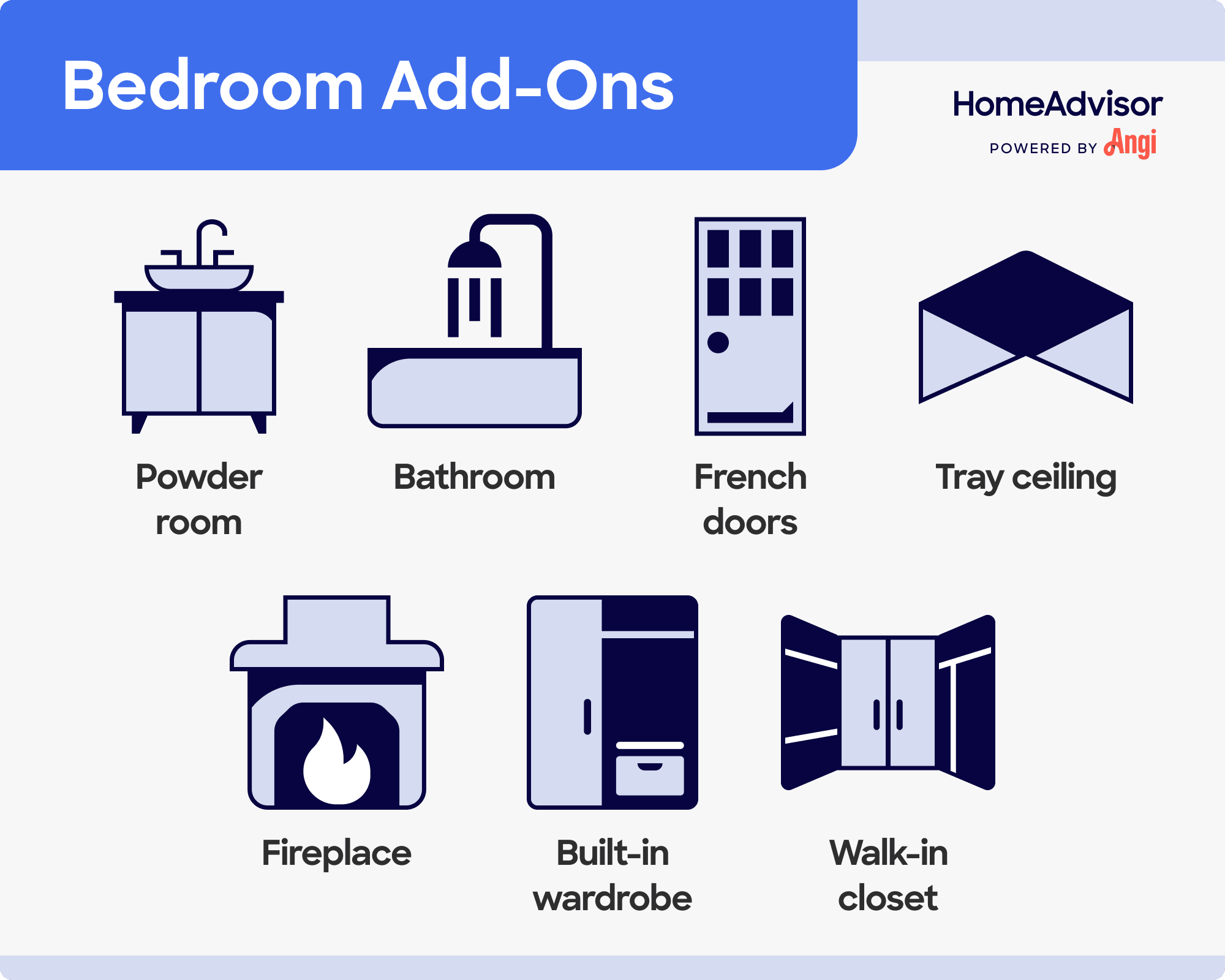
So, you're thinking about giving your bedroom a makeover, but you're curious about the costs involved. Bedroom renovation costs can vary widely, and it's important to have a good idea of what you're getting into before you start. The price tag depends on a few key factors, and understanding these will help you plan and budget effectively.
The first thing to consider is the size of your bedroom. A larger room will naturally cost more to renovate than a smaller one, as it will require more materials and labor. The materials you choose also play a big role. Opting for higher-end finishes and fixtures will push the price up, while more budget-friendly options will keep costs down.
Another significant factor is the scope of the renovation. Are you just looking to freshen up the room with a new coat of paint and some updated furniture, or do you want to completely overhaul the space, including electrical and plumbing work? The more extensive the work, the higher the costs will be.
Hiring a Contractor
If your renovation involves structural changes or complex work, you'll likely need to hire a professional contractor. When looking for a contractor, it's important to do your research and check their credentials. Ask for references and examples of their previous work. Get several quotes to compare prices and ensure you're getting a fair deal.
A good quote will break down the costs clearly, so you can see exactly where your money is going. It should cover materials, labor, and any permits or inspections required. Don't be afraid to ask questions and seek clarification if something isn't clear.
Construction Company Names
If you're in the construction business or thinking of starting a company, choosing the right name is important. It should be memorable, reflect the nature of your work, and stand out from the competition. Some construction company name ideas could include:
- Build-It-Right
- HomeCrafters
- Solid Foundations
- Modern Makeovers
Remember to check the availability of the name you choose, both as a business registration and a domain name, to ensure you can establish an online presence too.
Industry Insights
The construction industry has its own language and tools. One commonly used resource is RSMeans, which provides cost data and estimates for various construction projects. It's a valuable tool for contractors and estimators to ensure accurate pricing.
The industry also has its own cost indexes, which track the costs of materials and labor over time. These indexes help construction professionals stay informed about market trends and make informed decisions about pricing and budgeting.
Large vs. Small Firms
The construction industry is diverse, with both large, established firms and smaller, local businesses. Large firms often have the resources to take on bigger projects and may have a wider reach, but they can also be more expensive. Smaller firms might offer more personalized service and competitive pricing, but may have a more limited scope of work.
When choosing a firm, consider your specific needs and the scale of your project. It's always a good idea to get quotes from a few different companies to compare and find the best fit for your bedroom renovation.
Final Thoughts
Renovating your bedroom can be an exciting project, and understanding the costs involved is a crucial step. By considering factors like size, materials, and scope, you can get a good estimate and plan accordingly. Remember, it's always a good idea to get multiple quotes and do your research to ensure a successful renovation.
Related: Oahu Tide Chart: A Clear and Simple Guide
Many people overlook the power of a simple Oahu tide chart and its ability to provide essential insights. It's not just a pretty visual; it's a practical tool with a specific purpose. The chart is your reliable guide to understanding the ocean's rhythm, offering a clear view of tide times and heights. With this knowledge, you can plan your beach days, water sports, or even fishing trips with confidence.
Understanding Tide Patterns on Oahu
The Oahu tide chart is your go-to guide for navigating the island's coastal adventures. It provides a snapshot of the ocean's rhythm, helping you plan your activities around the tides. This chart is a handy tool, especially for surfers, swimmers, and beachgoers, as it offers a glimpse into the ocean's movements.
Reading the Chart: Formats and Categories
The Oahu tide chart typically displays tide information in a clear, tabular format. You'll find columns indicating the date and time, followed by the tide height and its status, such as high or low tide. The height is often measured in feet or meters, depending on the standard used. It's essential to check which unit of measurement is employed to ensure accuracy.
Practical Tide Tips: Step-by-Step Guide
To make the most of your time on Oahu, follow these simple steps:
- Locate the current date and time on the tide chart.
- Identify the corresponding tide height and its status (high or low).
- Consider the activity you have planned. For instance, low tide might be ideal for beachcombing or exploring tide pools, while high tide is perfect for surfing or swimming.
- Adjust your plans accordingly, ensuring you make the most of the tide's influence.
Common Tide Variations and Misreadings
While the Oahu tide chart is a valuable tool, it's important to note that tides can vary due to several factors. Here are some common variations and how to account for them:
- Weather conditions: Strong winds and storms can influence tide heights and timings. Always check the weather forecast to anticipate any changes.
- Moon phases: The moon's gravitational pull affects tides. Full and new moon phases often bring higher high tides and lower low tides.
- Seasonal changes: Tides can vary throughout the year, with some seasons experiencing more extreme variations.
To ensure accuracy, double-check the specific standards and measurements used on your Oahu tide chart. While the chart provides a reliable guide, it's always beneficial to observe the ocean's behavior and adjust your plans accordingly. Remember, the ocean's rhythm is a fascinating dance, and understanding its patterns will enhance your coastal experiences on Oahu.
Well, there you have it! We've covered a lot of ground, from understanding the different tide chart formats to learning how to read them accurately. It's a simple yet powerful tool for any ocean-lover or adventurer.
Remember, while this guide provides a solid foundation, your specific needs may vary. So, take a moment to ensure you've considered all the unique aspects of your adventure before you set sail. And don't forget to explore our other guides for more practical tips and insights!