

Zzz Rerun Chart Easy Overview
A knife steel chart is a handy tool for anyone wanting to understand knife steel properties and grades. It's a simple yet effective way to compare and contrast different steel types used in knife-making.
This guide will take you through the basics of reading and interpreting these charts, covering the key steel properties and how they impact your knife's performance. You'll discover the variations in steel hardness, composition, and grades, which can differ based on region and brand.
Understanding Steel Ratings
The knife steel chart is your go-to tool for comparing and understanding the different types of steel used in knife-making. It's a handy reference guide that simplifies the complex world of steel properties and grades. This chart helps you make informed decisions when choosing a knife, whether you're a chef, an outdoor enthusiast, or a collector.
Comparing Steel Options
The knife steel chart typically presents various steel types in a clear, organized manner. It often includes columns for steel grades, hardness ratings, and other relevant properties. You'll find a range of steel options, from common and affordable choices to premium, high-performance steels. Each steel type has its unique characteristics, and the chart helps you quickly grasp these differences.
Practical Steel Selection: A Step-by-Step Guide
Using the knife steel chart is straightforward:
Identify your needs: Determine what you'll primarily use the knife for, such as kitchen tasks, outdoor adventures, or collection purposes. Different steel types excel in different areas.
Check the chart: Locate the steel grades column and review the options. Look for steels suitable for your intended use, considering factors like edge retention, sharpness, and corrosion resistance.
Compare hardness: The hardness scale is a critical factor. Harder steels generally hold an edge longer but can be more brittle. Softer steels are more flexible and easier to sharpen but may dull faster. Find a balance that suits your needs.
Consider other properties: Besides hardness, the chart provides insights into steel composition, corrosion resistance, and ease of sharpening. These factors are crucial for long-term performance and maintenance.
Make an informed choice: With the chart's guidance, you can now select the steel that best aligns with your knife's intended use and your personal preferences.
Avoiding Common Misreadings
While the knife steel chart is a valuable tool, it's essential to interpret it accurately:
Understand the scale: Different charts may use varying hardness scales, like Rockwell C (HRC) or Mohs. Ensure you're familiar with the scale used in your chart.
Know your steel: Steel grades can vary between regions and manufacturers. Always double-check the exact specifications, especially for less common steels.
Consider real-world factors: The chart provides a snapshot of steel properties, but actual performance can vary based on knife design, heat treatment, and maintenance.
Key Factors Affecting Accuracy
Several factors influence the accuracy and real-world performance of steel in knives:
Heat treatment: This process can significantly impact a steel's hardness and overall performance. Well-heat-treated steel can outperform its chart rating.
Knife design: The geometry and thickness of the blade can affect how steel performs. A thinner blade may not fully utilize the potential of a high-hardness steel.
Maintenance: Proper care and sharpening techniques are crucial. Neglecting maintenance can lead to premature dulling, even with premium steels.
Environmental factors: Corrosion resistance is essential, especially for outdoor use. The chart provides a guide, but real-world conditions can vary.
Adapting the Chart for Your Needs
The knife steel chart is versatile and can be tailored to your specific requirements:
Focus on key factors: If you prioritize edge retention, narrow your search to steels known for their durability. If corrosion resistance is vital, choose steels with high chromium content.
Compare similar steels: When in doubt, compare steels within the same family. For instance, compare different stainless steel grades to find the best balance of hardness and corrosion resistance.
Seek expert advice: If you're unsure, consult knife experts or experienced users. They can provide valuable insights and recommendations based on their experience.
Keeping Your Reference Reliable
To ensure the knife steel chart remains a reliable reference:
Update regularly: Steel technology and manufacturing processes evolve. Stay updated with the latest charts and sources to access the most accurate information.
Cross-reference: When in doubt, compare multiple charts and sources. This helps verify the accuracy of the information and ensures you have a well-rounded understanding of steel properties.
Seek specialized charts: For specific knife types or uses, consider specialized charts. These charts provide detailed insights tailored to your needs, ensuring you make the best choice.
Hey there, I hope this guide has given you a clear understanding of knife steel charts and their practical use. Remember, these charts are a fantastic tool, but the exact details can vary, so always double-check the specific standards and sources you're working with.
Consider bookmarking this page for future reference; it's a quick and handy way to refresh your memory and ensure you're using the right info. There are plenty more guides like this on various topics, so feel free to explore and find the tools that work best for you!
Related: Unraveling the Yarn Size Chart Mystery
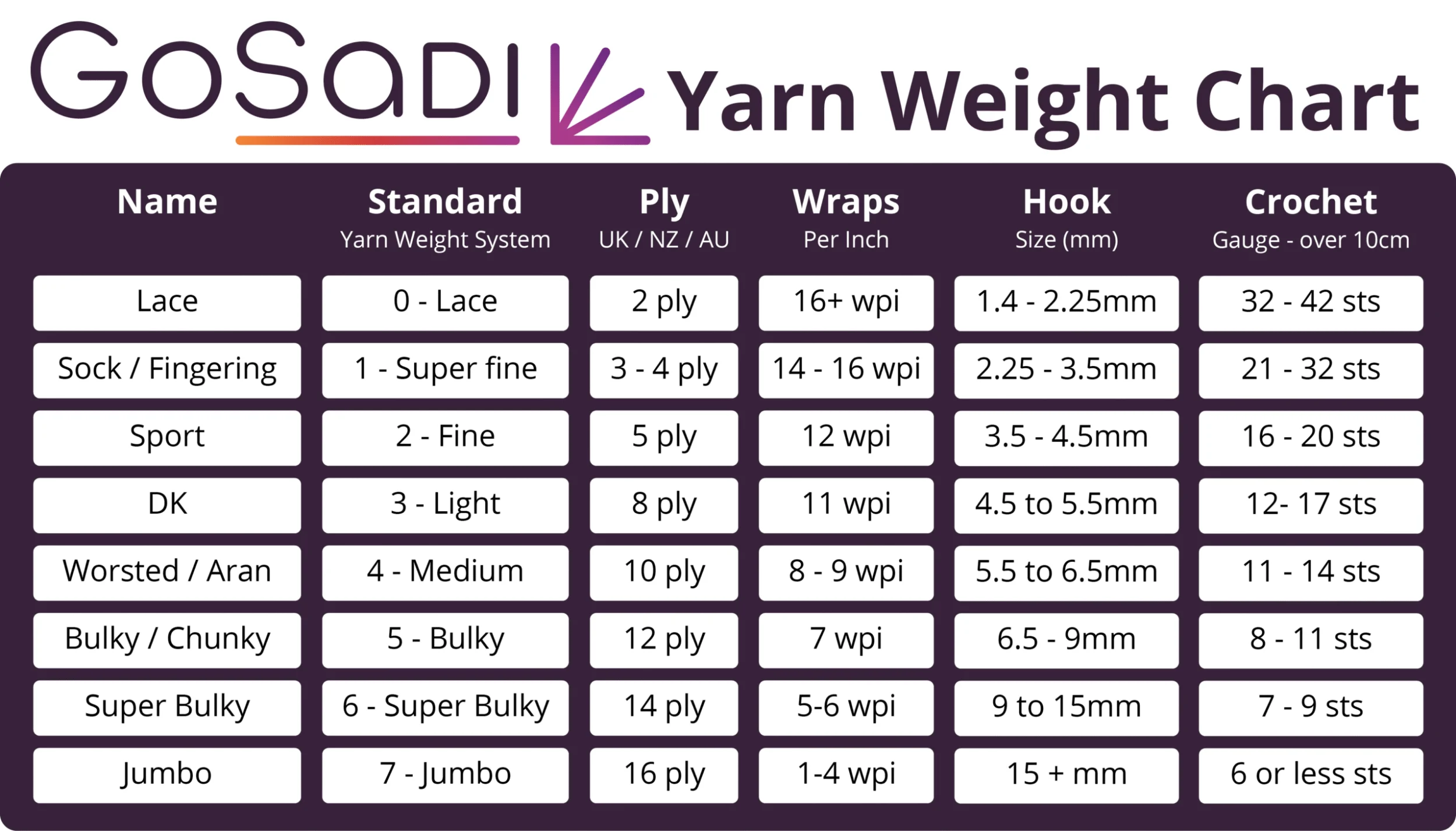
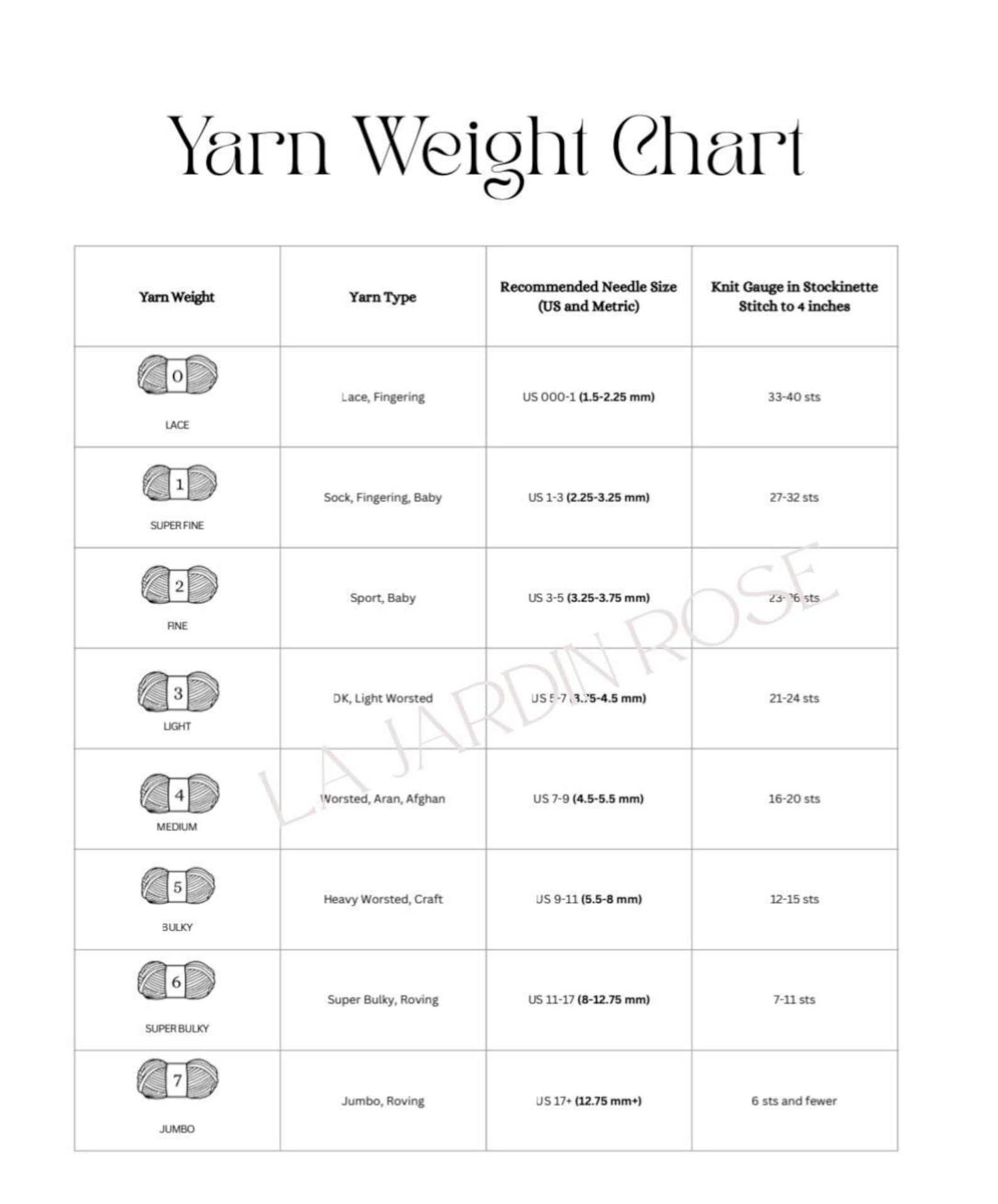
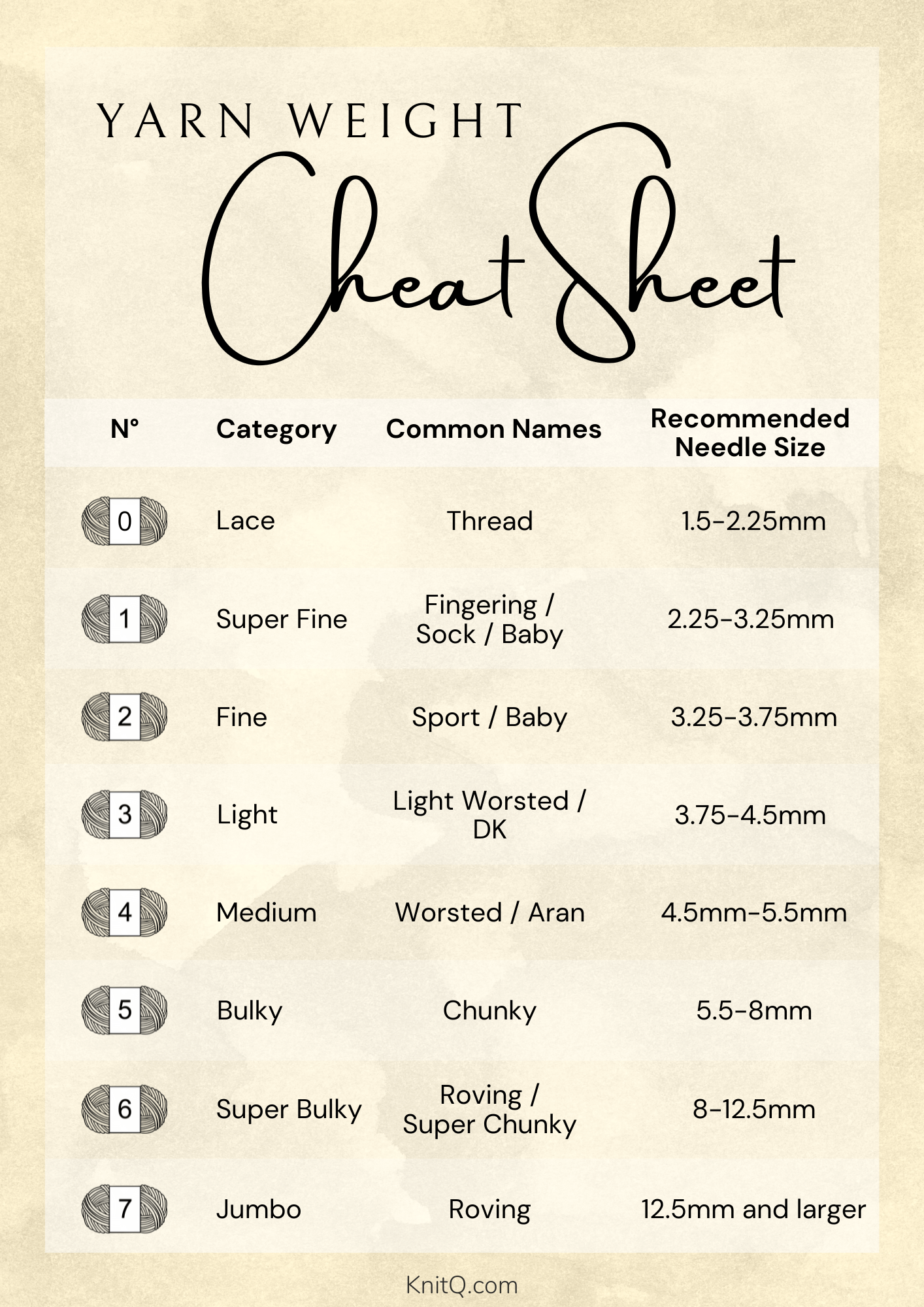
A yarn size chart is a handy tool for any knitter or crocheter, offering a quick glance at the essential information needed to choose the right yarn for your project. This guide will walk you through the basics, ensuring you can read and interpret these charts with ease.
Yarn size charts provide a standardized way to understand yarn thickness, often referred to as weight or ply. While the values and formats may vary slightly depending on your region or the brand you're using, these charts offer a reliable starting point for your creative journey.
Understanding the Yarn Size Chart
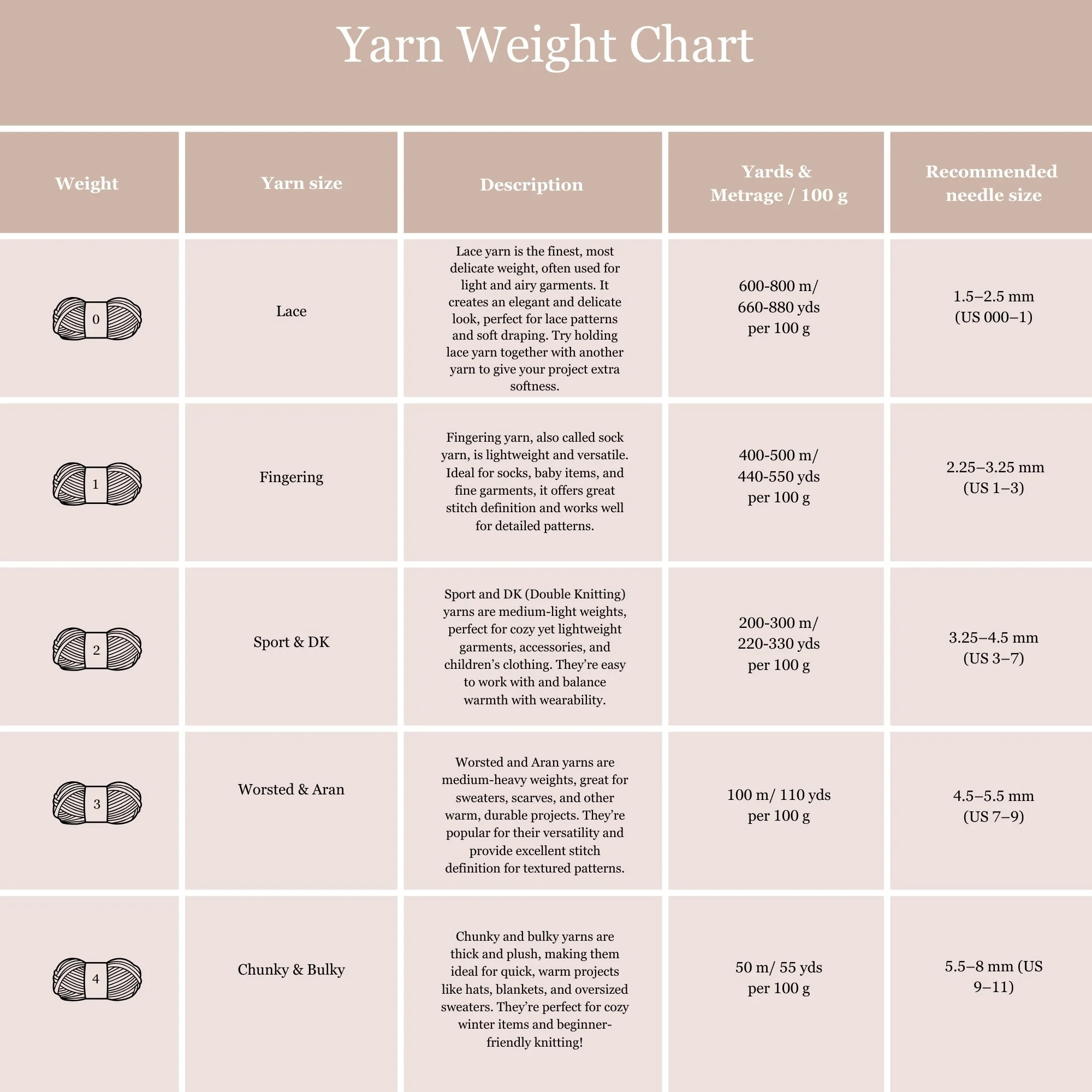
The yarn size chart is a valuable tool for knitters, crocheters, and weavers, offering a standardized way to determine the thickness or weight of yarn. It provides a clear reference for choosing the right yarn for your project and ensures consistent results. This chart is a crucial guide for any fiber artist, allowing them to navigate the vast array of yarn options available.
Key Details and Categories
The yarn size chart typically displays yarn weights in two primary systems: the US Standard System and the Metric System. In the US, yarn weight is often categorized from 0 to 6, with 0 being the finest and 6 the thickest. The metric system uses a more precise measurement, usually in millimeters (mm), to indicate the thickness of the yarn. Additionally, some charts may include a column for the number of plies, which refers to the number of strands twisted together to form the yarn.
How to Read and Apply the Chart
When using a yarn size chart, follow these steps:
- Identify the yarn weight system you are working with. Is it the US Standard or Metric? Ensure you are referring to the correct chart.
- Locate the category or range that best describes your yarn. If you have a specific yarn brand or type, match it to the appropriate weight category.
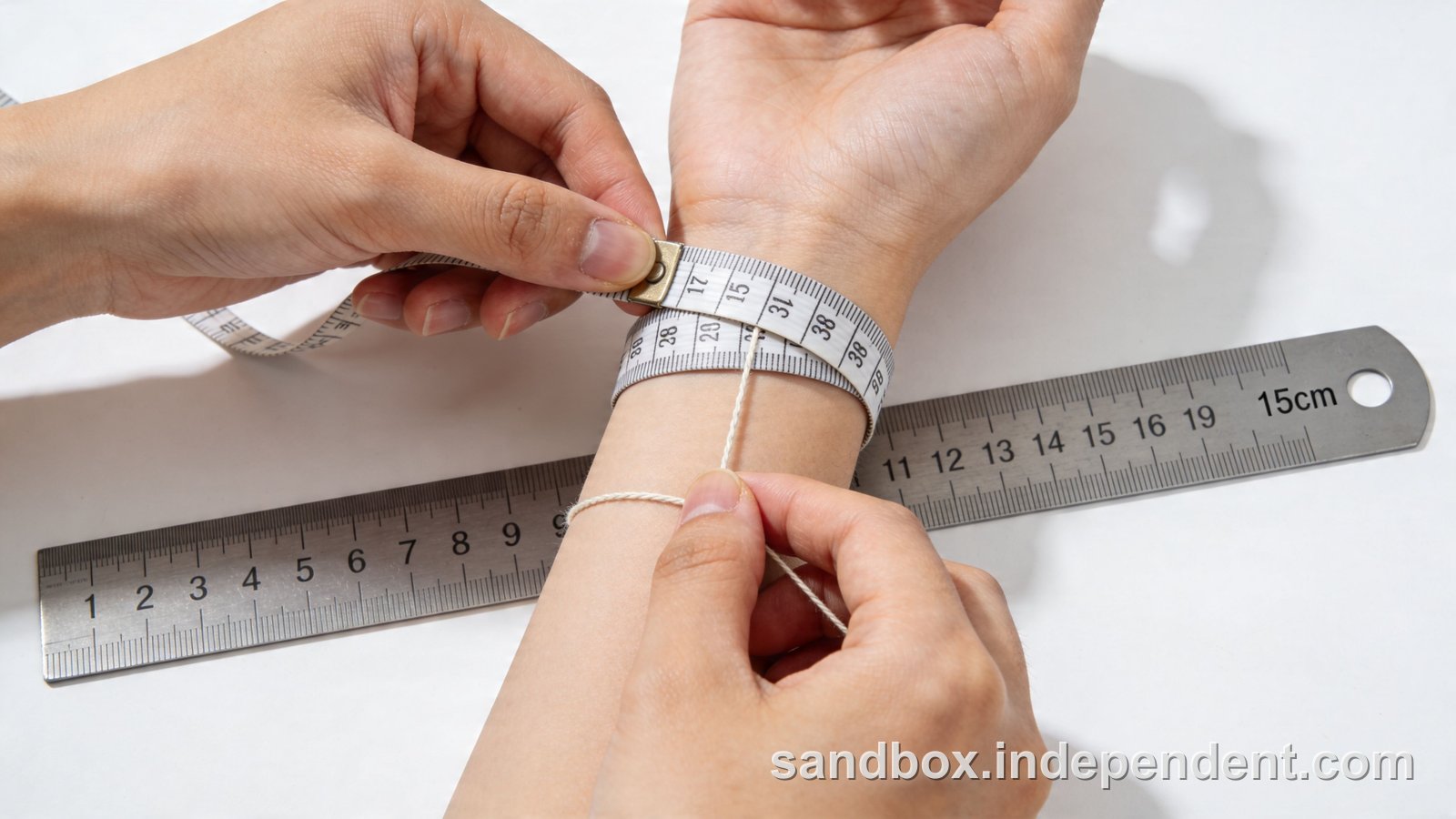
- Take a small length of your yarn and wrap it around a wpi tool or a ruler. Count the number of wraps per inch (wpi) to get an approximate measurement.
- Compare your measured wpi to the chart's values. This will give you an idea of the yarn's thickness and help you choose the right needle or hook size for your project.
- Consider the recommended needle or hook size for your chosen yarn weight. This information is often included in the chart or can be found on the yarn label.
Variations and Differences
It's important to note that yarn size charts may vary slightly between different standards and regions. While the US and Metric systems provide a good foundation, some yarn manufacturers may have their own unique sizing systems. Additionally, the way yarn is spun and the materials used can also impact its thickness, leading to slight variations. It's always a good practice to refer to the specific yarn brand's guidelines or consult their website for exact specifications.
Common Mistakes and How to Avoid Them
One common mistake is assuming that all yarn within a certain weight category will behave the same. While the chart provides a guide, individual yarns can have unique characteristics. Always check the yarn label and consider the recommended needle or hook size provided by the manufacturer. Another pitfall is relying solely on the chart without physically measuring your yarn. Taking the time to wrap and count the wpi ensures a more accurate assessment of your yarn's thickness.
Tips for Accurate Sizing
To ensure accurate sizing when working with a yarn size chart, consider these best practices:
- Always refer to the specific yarn brand's guidelines or website for any unique sizing information.
- Invest in a wpi tool or a ruler to measure your yarn's thickness accurately.
- When in doubt, err on the side of a slightly larger needle or hook size. This can help prevent overly tight stitches and ensure a more relaxed, comfortable knitting or crocheting experience.
- Keep a record of the yarns you've used and their corresponding needle/hook sizes. This can be a valuable reference for future projects.
- Remember that the yarn size chart is a guide, and some variation is normal. Embrace the uniqueness of each yarn and enjoy the process of creating with fiber!
Remember, while this chart provides a great starting point, it's always wise to check the specific requirements for your project. Exact values can vary, so it's good to double-check the standards or guidelines relevant to your context.
This yarn size chart is a handy reference, and I hope it proves useful for your knitting and crocheting adventures. Feel free to bookmark this page for a quick reminder the next time you need it. Happy crafting!
Related: How to Read a Chest Size Chart?
You're probably here because you need a quick answer, and who can blame you? A chest size chart is a handy tool, offering a simple visual guide to understanding bra sizes and fit. It's a reference that can save you time and ensure you get the right size, every time. These charts can vary slightly, but they're an essential guide for anyone wanting an accurate bra size and a comfortable fit.
Understanding the Chest Size Chart
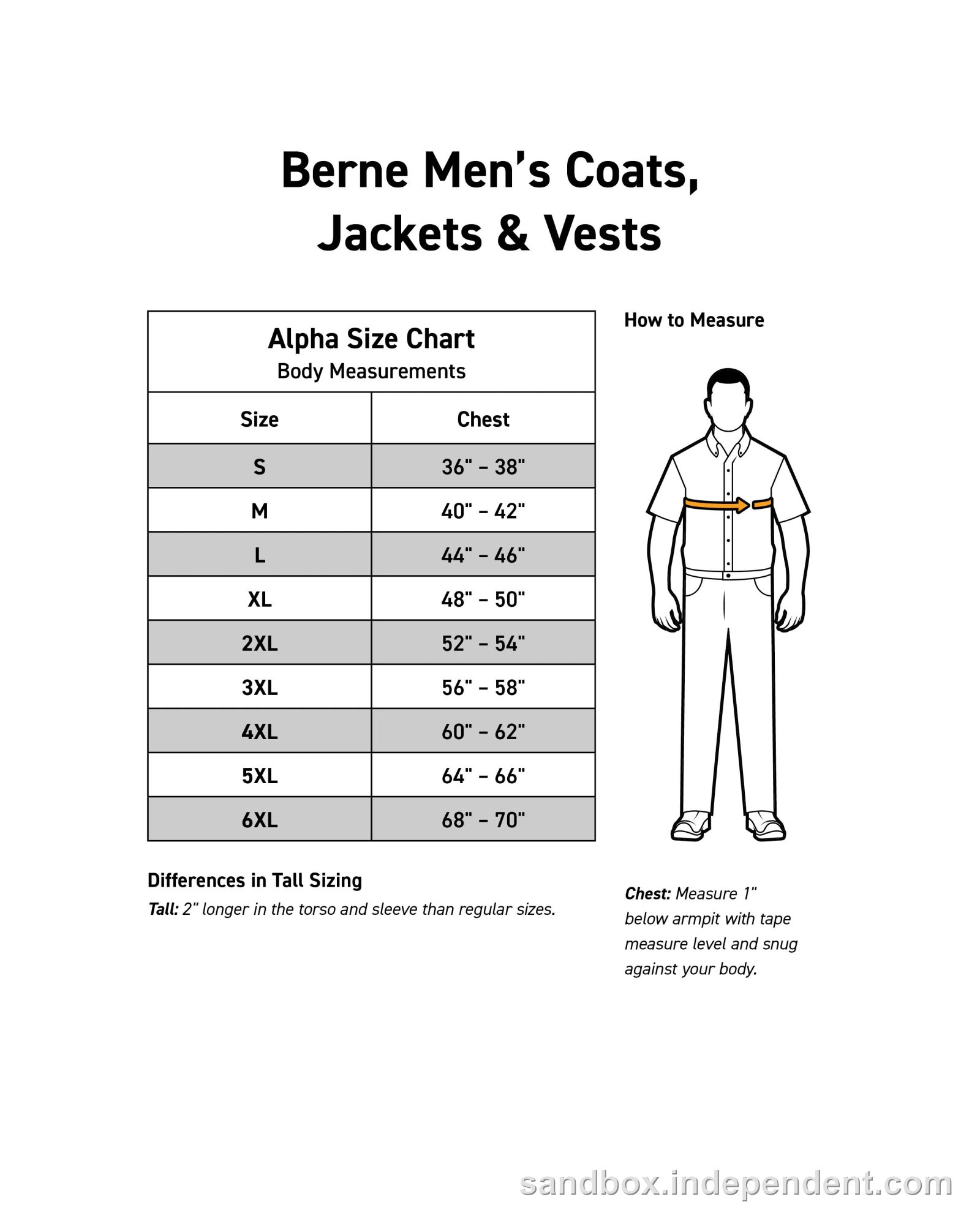
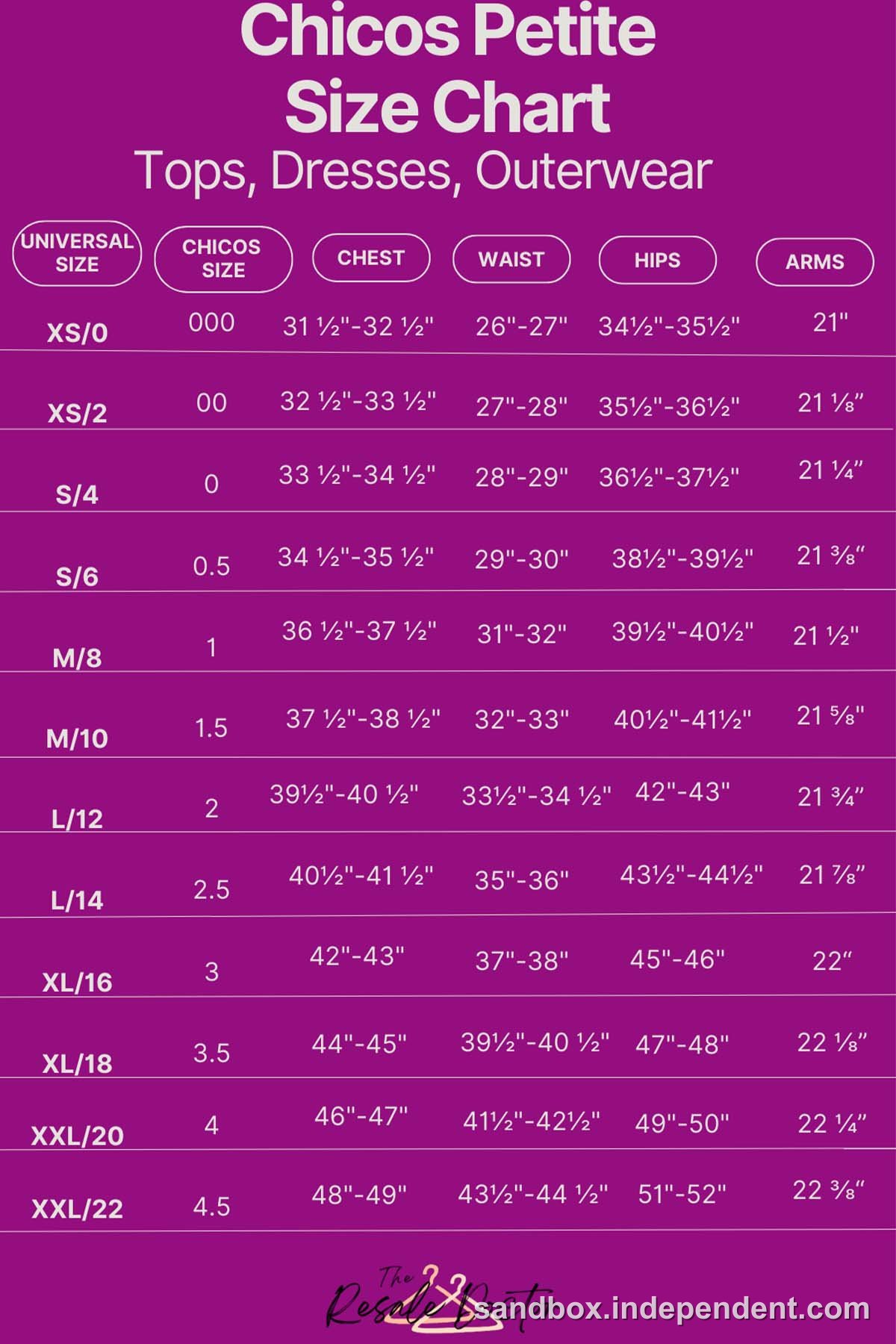
The chest size chart is a handy tool to help you find the right fit for clothing and accessories, especially when shopping online. It provides a reference for measuring and understanding your chest size, ensuring you make informed choices. This chart is particularly useful for women's sizing, including bra size charts, but it can also guide men's clothing choices.
Comparing Measurement Standards
Measurement standards can vary depending on the region and manufacturer. For example, the US and international (metric) systems have different size categories and ranges. The chest size chart typically includes both systems, making it versatile. It's essential to check which standard is being used to ensure accuracy.
Measuring Accurately: A Step-by-Step Guide
- Prepare a flexible measuring tape. Ensure it's not too tight or loose.
- Stand in a relaxed position, with your arms slightly away from your sides.
- Measure the fullest part of your chest, usually across the nipple line.
- Wrap the tape around your body, ensuring it's level and parallel to the floor.
- Take the measurement in inches or centimeters, depending on the standard.
- Refer to the chest size chart to find your size. It will provide a range of measurements and corresponding sizes.
- If you fall between sizes, consider the fabric's stretch and your personal preference for a snug or loose fit.
Common Mistakes and How to Avoid Them
One common mistake is measuring too tightly or too loosely. This can lead to an inaccurate reading and an ill-fitting garment. Always ensure the tape is snug but not constricting. Another pitfall is assuming all brands use the same sizing. Different manufacturers may have slight variations, so it's best to refer to their specific size charts. Additionally, some charts may not cover all body types, so be mindful of any special considerations you may have.
Factors Affecting Accuracy and Real-World Use
Several factors can influence the accuracy of your chest size measurement. These include your posture during measurement, the type of clothing you're wearing, and any recent weight changes. It's essential to stand upright and maintain a consistent posture. The fabric of your clothing can also affect the measurement, so consider measuring over a thin, form-fitting garment. If you've recently gained or lost weight, your chest size may have changed, so it's beneficial to remeasure periodically.
So, now you're equipped with a handy chest size chart and the knowledge to use it effectively. Remember, these charts provide a great starting point, but it's always wise to consider your unique needs and measurements.
Don't forget to check out our other guides for more practical tips and insights. We've got a range of topics to explore, so feel free to browse and discover something new!