

1 To 100 Chart Template Overview
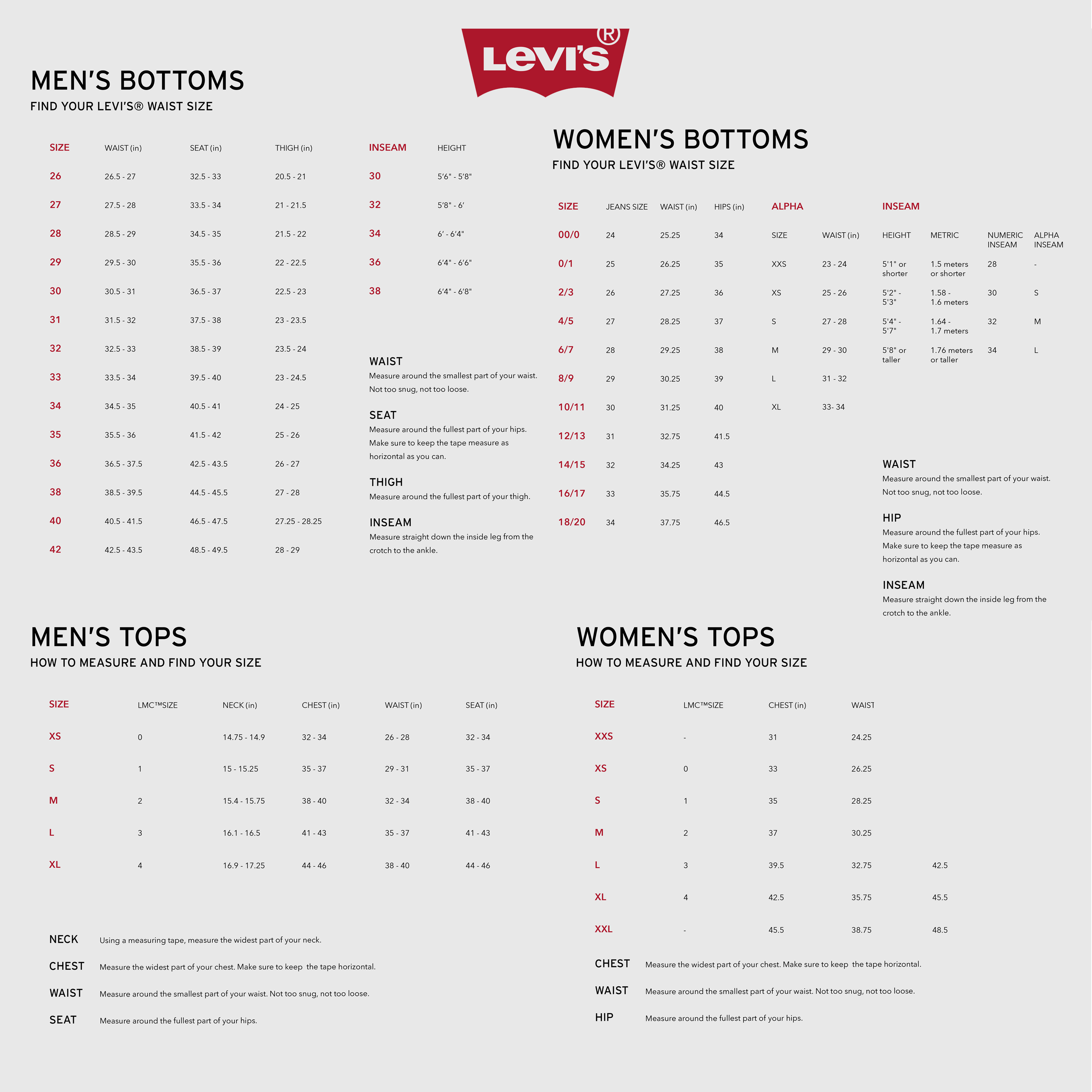
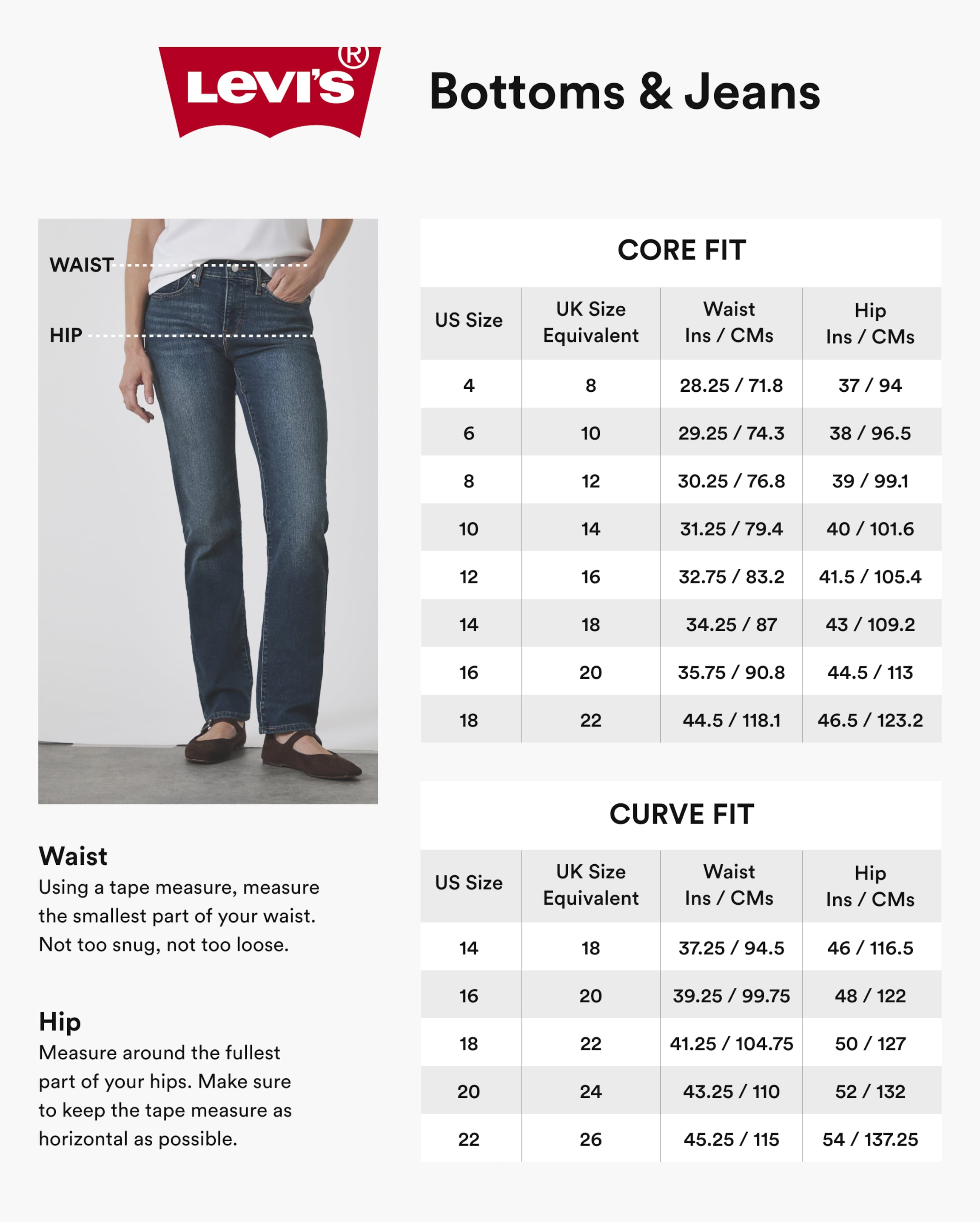
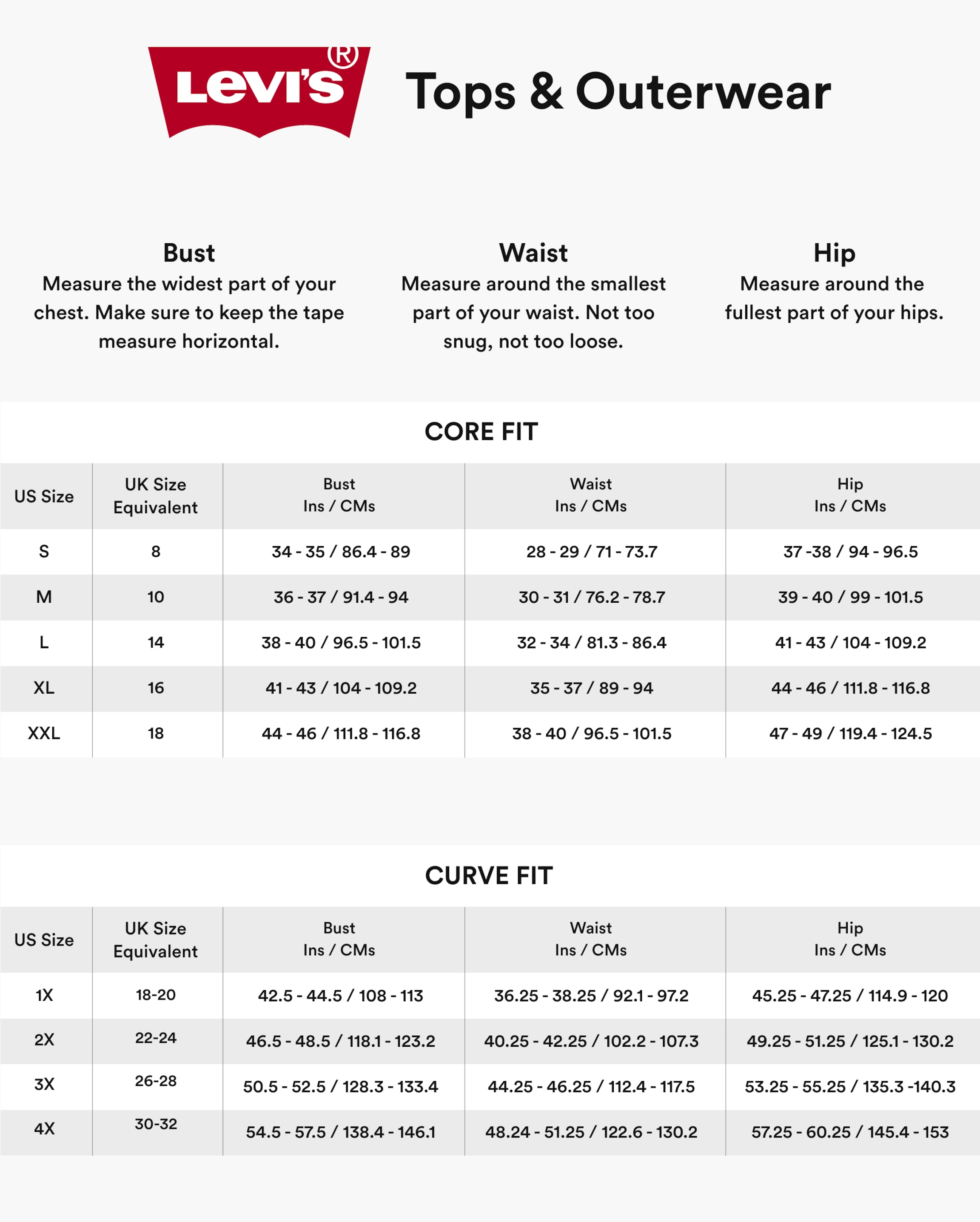
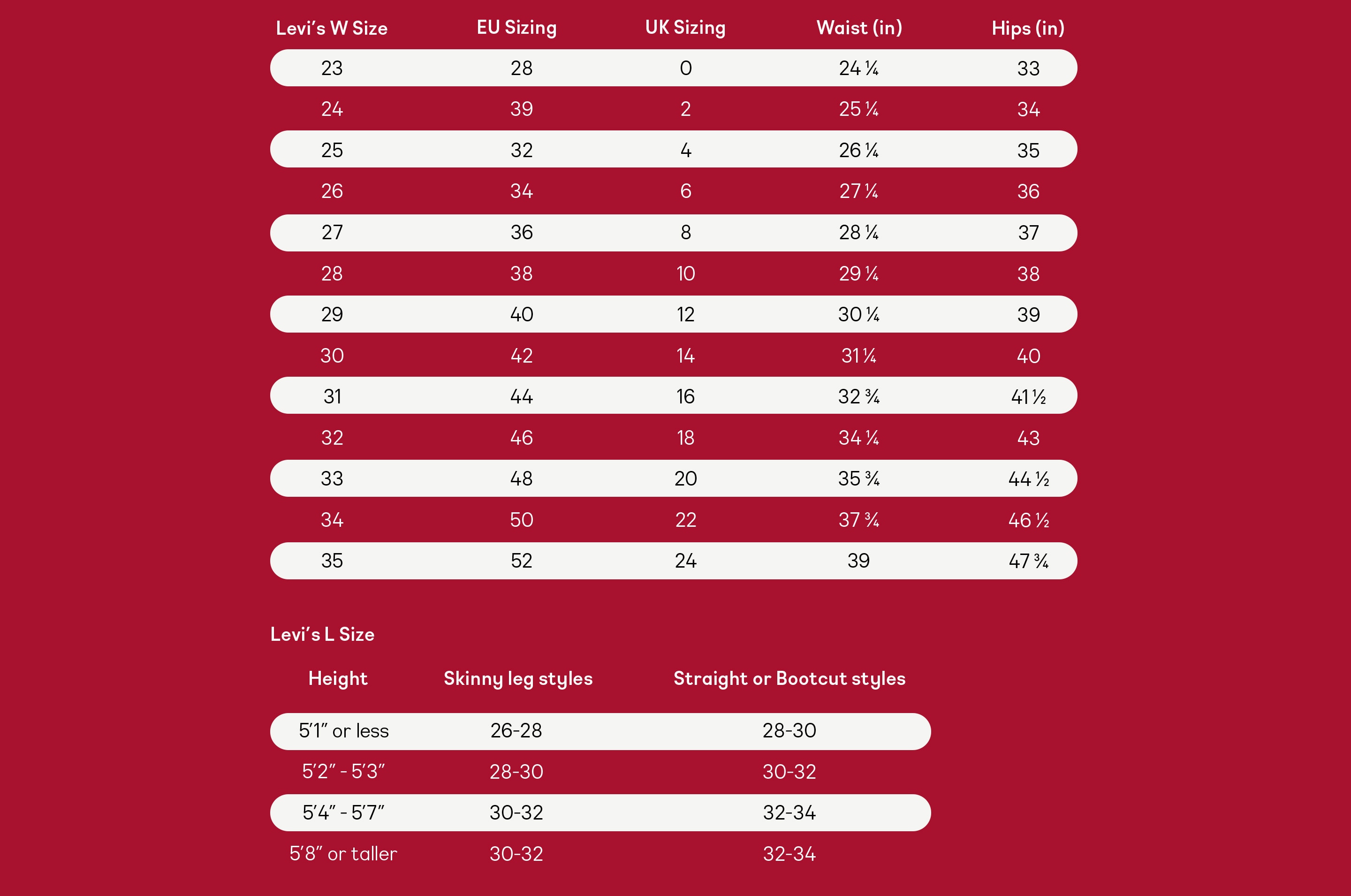
You're here because you need a quick solution, right? Well, if you're looking for a bold and reliable way to find your perfect Levi's fit, the Levi size chart is your go-to tool. It's a simple yet effective guide, offering a visual representation of sizes and measurements, making it easy to navigate. With just a glance, you can ensure you're getting the right size, whether it's for yourself or a gift. This chart is a handy reference, especially when you're in a rush and need a quick sizing solution.
Understanding the Levi Size Chart
The levi size chart is your go-to guide for finding the perfect fit in Levi's jeans and clothing. It's a simple tool to ensure you get the right size, whether you're shopping online or in-store. This chart provides measurements and size categories to help you choose the best fit for your body.
Standard Sizing Options
Levi's size chart follows a standard sizing system, typically based on waist size and inseam length. This means you'll find consistent sizing across their products, making it easier to find your fit. The chart usually includes categories like waist size (in inches or centimeters), inseam length, and sometimes additional measurements like hip and thigh circumference.
How to Use the Levi Size Chart: A Step-by-Step Guide
- Identify your waist size. This is the most critical measurement for jeans. Measure your waist at the point where you usually wear your pants, keeping the tape measure snug but not tight.
- Determine your inseam length. This is the distance from your crotch to the hem of your pants. You can measure this while wearing well-fitting pants or by standing against a wall and measuring the distance from your crotch to the floor.
- Refer to the levi size chart. Find your waist size and inseam length on the chart. The chart will provide you with the corresponding size, typically in numerical or alphabetical categories.
- Consider other measurements. If the chart offers additional measurements like hip or thigh circumference, you can use these to ensure an even better fit.
Common Misreadings and How to Avoid Them
One common mistake is assuming all brands use the same sizing standards. While Levi's size chart is consistent within their brand, sizes may vary across different brands and styles. Always double-check the specific size guide for the item you're interested in. Additionally, be mindful of the units used. Some charts may use inches, while others use centimeters. Ensure you're comparing like with like.
Factors Affecting Size Variations
Several factors can influence the accuracy of your size determination. First, body shape varies, and the chart provides a general guide. Second, the fit you prefer (e.g., slim, regular, or relaxed) can affect the size you choose. Lastly, the fabric and stretchiness of the material can impact the fit, so consider the fabric type when using the chart. Remember, the levi size chart is a helpful tool, but it's always a good idea to try on clothing to ensure the perfect fit.
Hey there! We hope you found this guide on the Levi size chart helpful and that it's made your sizing quest a little easier. Remember, when it comes to size charts, exact details can differ slightly, so always double-check the source and standard you're using.
We've got a bunch of other guides on various topics, so feel free to explore and discover more practical tips and tricks. Happy reading, and we hope to see you around!
Related: How to Find Your Glove Size Chart?
A glove size chart is a handy tool to ensure you get the perfect fit for your hands. This guide will show you how to navigate these charts and find your ideal glove size with ease.
Glove sizing can vary depending on the type and purpose of the glove, so having a reliable chart is key. It's a simple process to measure your hand and find your size, and we'll cover the steps to ensure you get it right. With a glove size chart, you'll be able to choose the right gloves for any task, from gardening to safety gear.
Glove Size Chart: A Quick Overview
A glove size chart is your handy guide to finding the perfect fit for your hands. It's a simple yet effective tool that ensures your gloves are neither too loose nor too tight, offering comfort and functionality. This chart typically includes measurements for hand length and width, helping you choose the right size for various glove types.
Comparing Standards and Formats
Glove size charts can vary depending on the standard used. Common standards include the US sizing system and the international glove size standards. These standards provide different measurement categories and ranges. For instance, the US system often uses letter sizes like S, M, L, while international standards may employ numerical sizes with more precise measurements. It's essential to know which standard your chart follows to ensure accurate sizing.
Step-by-Step Guide to Using the Chart
Using a glove size chart is straightforward. First, measure your hand length from the tip of your middle finger to the base of your palm. Then, measure your hand width across your palm at its widest point. These measurements will guide you to the right size on the chart. For instance, if your hand length is 7.5 inches and your hand width is 3.5 inches, you'd likely need a medium-sized glove according to the US standard. Always refer to the chart's legend or key to understand the measurements and categories.
- Measure your hand length and width accurately.
- Locate these measurements on the chart.
- Identify the corresponding glove size.
- Cross-check with the glove's product description or packaging for any specific sizing details or recommendations.
- Try on the gloves to ensure a comfortable fit.
Common Misreadings and Pitfalls
Misreading a glove size chart can lead to an inaccurate fit. One common mistake is assuming all glove types follow the same sizing standards. For example, safety gloves might have different measurements than regular gloves. Always check the chart's specific use case or purpose. Another pitfall is neglecting to measure both hand length and width. Both measurements are crucial for an accurate fit. Lastly, remember that hand shapes can vary, so a size that fits one hand perfectly might not fit the other.
Factors Affecting Accuracy
Several factors can influence the accuracy of a glove size chart. Here are some key considerations:
- Hand Shape: Hands come in various shapes, and some gloves might fit certain shapes better than others.
- Material Stretch: The material of the glove can affect its stretch and fit. For instance, leather gloves might have less give than fabric gloves.
- Safety Features: Gloves with extra padding or safety features might have a different fit compared to standard gloves.
- Personal Preferences: Some people prefer a tighter or looser fit, so personal preference plays a role in sizing.
- Manufacturing Tolerances: Gloves from different manufacturers might have slight variations in sizing, so always check the brand's specific measurements.
Always refer to the glove sizing guide provided by the manufacturer for the most accurate fit.
So, there you have it, a handy guide to glove sizing. Remember, it's always a good idea to double-check your specific needs and consider any unique factors that might impact your glove choice.
We've covered a lot of ground, but there's always more to explore. If you found this helpful, why not check out some of our other practical guides? We've got a range of topics to keep you informed and ensure you're always making the right choices. Happy reading!
Related: Find Your Square Root: A Quick Chart Reference
Many folks might glance at a square root chart and feel daunted, assuming it's complex and only for math whizzes. But, rest assured, it's a simple, visual tool that anyone can use and understand!
The chart is a straightforward reference, offering a quick way to find square roots without complex calculations. You'll notice it's structured with a clear format, and while the specific values may vary, the concept remains the same. It's like having a handy calculator at your fingertips, especially for those perfect squares!
Understanding the Square Root Chart
The square root chart is a handy tool that simplifies the process of finding square roots for various numbers. It's like a map that guides you through the world of square roots, making it easier to understand and calculate them. This chart is a visual representation, often presented as a table, that displays the square roots of a range of numbers, typically from 1 to 100 or more.
Comparing Chart Formats and Standards
There are different formats and standards for square root charts, depending on the region and the specific use case. For instance, some charts might use the radical sign to represent square roots, while others may opt for a simpler numerical format. Additionally, the range of numbers covered and the precision of the values can vary. It's important to note that the chart's format and values should align with the standard you are working with, whether it's the metric system or another regional standard.
Step-by-Step Guide to Using the Chart
Using the square root chart is a straightforward process:
- Identify the number for which you need to find the square root.
- Locate the number on the chart. It's usually arranged in ascending order, so finding your number should be easy.
- Read the corresponding square root value from the chart. Ensure you are reading the correct column or row, depending on the chart's layout.
- If your number is not an exact match, you can estimate the square root by interpolating between the values provided. This involves finding the values above and below your number and calculating a rough estimate.
Avoiding Common Misreadings
Misreading a square root chart can lead to inaccurate results. One common mistake is confusing the square root value with the original number. Always double-check that you are reading the correct column or row, especially if the chart is complex or densely packed with information. Another pitfall is assuming that the chart provides exact values for all numbers. Remember, some numbers may not have perfect square roots, and the chart provides approximations for these cases.
Factors Affecting Accuracy
Several factors can impact the accuracy of your calculations when using a square root chart. Firstly, the precision of the chart itself matters. Some charts offer more precise values, especially for larger numbers, while others provide a general approximation. Additionally, the range of numbers covered by the chart can vary, and if your number falls outside this range, you may need to estimate or use a different method. It's also essential to consider the standard being used, as different standards may have slight variations in their square root calculations.
Adapting the Chart for Specific Needs
The square root chart can be adapted to suit specific needs and applications. If you require a more precise calculation, you might opt for a chart with a larger range of numbers and more detailed values. For simpler calculations or educational purposes, a basic chart with a limited range might be sufficient. Additionally, if you are working with a specific standard or industry, ensure you choose a chart that aligns with those requirements. Some charts might even be tailored for specific professions, like engineering or mathematics, offering specialized values and categories.
Hey there, math enthusiasts! We've covered a lot of ground with our square root chart adventure. From understanding its purpose to navigating the different formats and potential pitfalls, you're now equipped with the knowledge to tackle any square root challenge.
Remember, when it comes to accuracy and real-world applications, your specific context matters. So, take a moment to ensure you've got the right chart for your needs, and don't hesitate to adapt or create a customized version if necessary. It's all about finding the perfect fit!