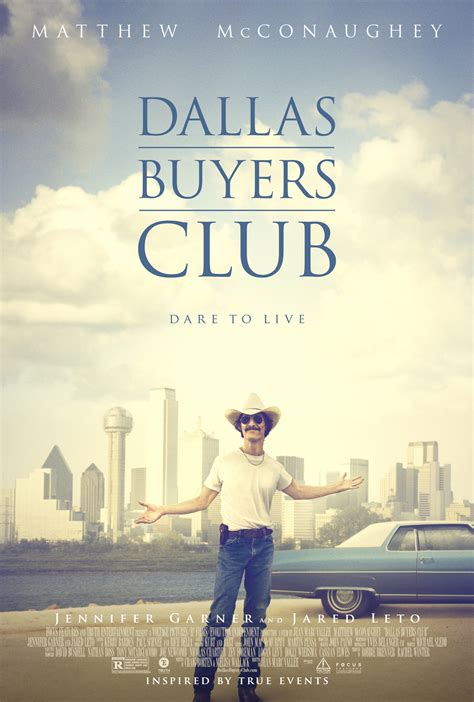
The cinematic world is replete with stories of struggle, perseverance, and the unyielding human spirit. One film that embodies these themes is “Dallas Buyers Club,” a biographical drama that delves into the life of Ron Woodroof, a Texan electrician and rodeo rider who challenges the status quo in the face of adversity. Directed by Jean-Marc Vallée and starring Matthew McConaughey, Jennifer Garner, and Jared Leto, this 2013 film is a powerhouse of performances, narratives, and historical relevance. Here are 12 insights into “Dallas Buyers Club” that film fans will find intriguing:
Historical Context: “Dallas Buyers Club” is set in the mid-1980s, a time when the AIDS epidemic was at its peak, and misinformation about the disease was rampant. The film sheds light on the early days of the AIDS crisis in the United States, highlighting the fear, discrimination, and medical ignorance that people with AIDS faced.
Ron Woodroof: The Unlikely Hero: The movie is based on the true story of Ron Woodroof, who, after being diagnosed with AIDS, becomes an unlikely crusader. Initially, a homophobic, hard-partying electrician, Woodroof’s transformation into a healthcare activist is a compelling arc that drives the story forward.
Matthew McConaughey’s Transformation: McConaughey underwent a drastic physical transformation for the role, losing over 40 pounds to portray Woodroof’s struggle with AIDS. This dedication to the role earned him widespread acclaim and numerous awards, including the Academy Award for Best Actor.
Jared Leto’s Breakthrough Performance: Jared Leto’s portrayal of Rayon, a transgender woman with AIDS, is another highlight of the film. Leto’s performance, which also involved significant physical transformation, including weight loss and learning to walk in heels, won him the Academy Award for Best Supporting Actor.
Jennifer Garner’s Role: Jennifer Garner plays Dr. Eve Saks, a compassionate physician who becomes Woodroof’s ally. Her character represents the medical community’s evolving understanding and empathy towards AIDS patients during that era.
The Dallas Buyers Club: The titular “Dallas Buyers Club” refers to the smuggling operation Woodroof sets up to provide unapproved, potentially life-saving drugs to AIDS patients. This operation, though illegal, is portrayed as a necessary response to the FDA’s slow approval process and the pharmaceutical industry’s profiteering.
Legal and Ethical Challenges: The film touches on the legal and ethical dilemmas faced by Woodroof and his associates. Their actions, while illegal, are motivated by a desire to survive and help others, raising questions about the morality of restrictive drug policies and the efficacy of the U.S. healthcare system.
Cinematic Technique: Director Jean-Marc Vallée chose to shoot the film in a straightforward, realistic style, often using natural lighting and practical locations. This approach added to the film’s gritty realism and emphasized the harsh realities faced by its characters.
Impact on LGBTQ+ Representation: “Dallas Buyers Club” was praised for its portrayal of LGBTQ+ characters, particularly Jared Leto’s depiction of Rayon. However, it also faced criticism for not casting a transgender actor in the role, sparking a broader conversation about representation and inclusivity in film.
Awards and Recognition: The film received widespread critical acclaim, leading to several Academy Award nominations and wins. In addition to McConaughey and Leto’s awards, the film also won the Oscar for Best Makeup and Hairstyling.
Real-Life Impact: The success of “Dallas Buyers Club” helped raise awareness about the early days of the AIDS crisis and the struggles of those affected by the disease. It also highlighted the importance of activism and community support in the face of medical and societal neglect.
Legacy and Relevance: Today, “Dallas Buyers Club” remains a powerful and thought-provoking film, offering insights into a pivotal moment in medical history. Its themes of resilience, compassion, and the fight for human rights continue to resonate with audiences, making it a meaningful contribution to the cinematic landscape.
“Dallas Buyers Club” is more than just a film about the AIDS epidemic; it’s a story of human resilience, friendship, and the power of defiance in the face of overwhelming adversity. Its impact on cinema and society is undeniable, and it continues to educate and inspire viewers with its gripping narrative and outstanding performances.
FAQs
What is "Dallas Buyers Club" based on?
+"Dallas Buyers Club" is based on the true story of Ron Woodroof, a man who, after being diagnosed with AIDS in the 1980s, began smuggling unapproved pharmaceutical drugs into the United States to distribute to fellow AIDS patients.
    <div class="faq-item">
        <div class="faq-question">
            <h3>Who played the role of Ron Woodroof in the film?</h3>
            <span class="faq-toggle">+</span>
        </div>
        <div class="faq-answer">
            <p>Matthew McConaughey portrayed Ron Woodroof in the 2013 film "Dallas Buyers Club." His performance earned him numerous awards, including the Academy Award for Best Actor.</p>
        </div>
    </div>

    <div class="faq-item">
        <div class="faq-question">
            <h3>What was the significance of the "Dallas Buyers Club" in the film?</h3>
            <span class="faq-toggle">+</span>
        </div>
        <div class="faq-answer">
            <p>The "Dallas Buyers Club" refers to the operation set up by Ron Woodroof to smuggle and distribute unapproved drugs to AIDS patients. It was a response to the lack of effective treatments available at the time and the profiteering by pharmaceutical companies.</p>
        </div>
    </div>

    <div class="faq-item">
        <div class="faq-question">
            <h3>How did "Dallas Buyers Club" impact the conversation about AIDS and LGBTQ+ representation?</h3>
            <span class="faq-toggle">+</span>
        </div>
        <div class="faq-answer">
            <p>"Dallas Buyers Club" raised awareness about the early days of the AIDS crisis and contributed to the conversation about LGBTQ+ representation in film. However, it also sparked debates about the casting of non-transgender actors in transgender roles, highlighting the need for greater inclusivity and authentic representation.</p>
        </div>
    </div>
</div>