




134a Pt Chart Sheet Overview
Many newcomers to clone hero charts assume they are complex and intimidating, but in reality, they are a simple and effective tool for music gamers. These charts, often associated with games like Clone Hero and Guitar Hero, provide an easy-to-read visual representation of the song's notes and rhythms. While there may be variations in chart formats, the core principle remains the same: a clear path to follow, much like a note highway.
What Are Clone Hero Charts?
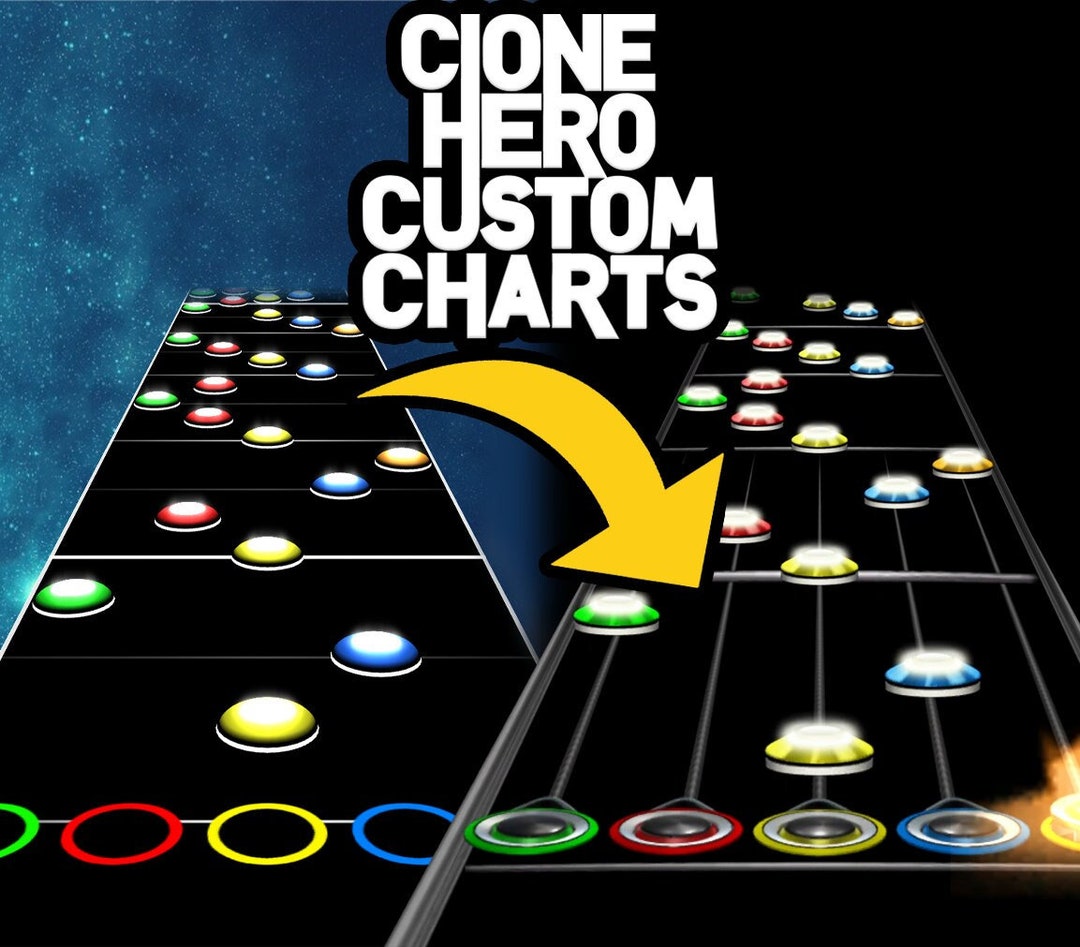
Clone Hero charts are a visual representation of a song's notes and their timing, designed to guide players through the gameplay of Clone Hero, a popular music rhythm game. These charts are essentially a roadmap for players to follow, indicating when and where to press the corresponding buttons to hit the notes accurately.
Understanding the Layout and Key Details
The chart displays a note stream, often referred to as the note highway or note track, which represents the flow of notes in a song. Each note is represented by a small circle or marker, and these notes are arranged in a specific pattern across the chart. The chart typically uses a grid-like structure, with the vertical axis indicating time and the horizontal axis representing the different lanes or frets. The notes are color-coded, with each color corresponding to a specific button or fret on the game's controller. Common colors include red, yellow, green, blue, and orange, each associated with a particular button. Additionally, the chart may include special notes, such as star power notes, indicated by unique symbols.
Reading the Note Stream and Playing the Song
To read and play a Clone Hero chart accurately, follow these steps:
- Start by familiarizing yourself with the layout and note colors. Ensure you know which color corresponds to which button or fret.
- Observe the note stream and identify the pattern. Notes are often grouped together in chords or sequences, so recognizing these patterns is crucial.
- As the song progresses, pay attention to the timing. The vertical axis indicates when each note should be played.
- Press the corresponding button or fret when the note marker reaches the designated lane. This action simulates strumming or fretting on a real guitar.
- For more advanced techniques, such as star power activation or specific finger placements, refer to the chart's symbols and follow the indicated actions.
Variations and Differences in Chart Standards
Clone Hero charts can vary depending on the song's genre, difficulty level, and the creator's style. Different chart makers may have unique approaches to note placement and timing, leading to variations in the chart's layout and complexity. Additionally, regional differences and game version updates can impact chart standards. Always check the chart's metadata or accompanying information to ensure you are using the correct version for your game setup.
Common Mistakes and How to Avoid Them
One of the most common mistakes is failing to recognize note patterns and timing accurately. Take time to study the chart and understand the song's rhythm. Another pitfall is neglecting to calibrate your game settings, which can cause timing issues. Ensure your game is properly calibrated to match your input device's response time. Additionally, some players may rush through the song, leading to missed notes. Maintain a steady pace and focus on precision.
Practical Tips for Accurate Chart Reading
To enhance your chart-reading skills and gameplay, consider these tips:
- Practice recognizing note patterns and chord progressions. This skill will improve your ability to anticipate and play notes accurately.
- Use practice modes or slower song speeds to familiarize yourself with the chart before attempting a full playthrough.
- Pay attention to your finger placement and strive for consistency. Proper finger placement can improve your accuracy and reduce fatigue.
- Take breaks and rest your hands to prevent strain, especially during longer play sessions.
Double-Checking and Handling Edge Cases
While Clone Hero charts provide a comprehensive guide, it's essential to double-check specific details, especially for complex songs or unique gameplay elements. Some charts may include custom symbols or notation, so refer to the chart's documentation or creator's notes for clarification. Additionally, if you encounter a chart with an unfamiliar layout or notation style, consider seeking guidance from the Clone Hero community or referencing other charts for comparison.
Well, there you have it! Clone hero charts are a handy tool, and now you know the ins and outs. Remember, the key is to understand the basics and then tailor them to your specific needs.
Before you go, just a quick reminder to always check the relevant standards and sources for your project. Exact values and terminology can vary, so it's best to double-check and ensure accuracy. Consider this guide a starting point, and feel free to bookmark it for future reference. Happy charting!
Related: Learn Piano Scales: A Comprehensive Chart Guide
Many pianists, especially beginners, often overlook the power of a simple piano scales chart. It's a common misconception that these charts are only for advanced players or music theorists. However, a piano scales chart is an incredibly useful tool for all levels!
This chart is your quick guide to understanding and mastering scales. It provides a visual representation of scale patterns, intervals, and fingerings, making it easier to navigate and play scales with confidence. While there may be variations in format or notation, the essence remains the same: a practical guide to exploring major and minor scales.
Piano Scales Chart: Your Visual Guide to Musical Mastery
The piano scales chart is a powerful tool for musicians, offering a visual representation of the building blocks of music. It's like a map that helps you navigate the world of scales, providing a quick reference for understanding and playing different scale patterns. This chart is your secret weapon to mastering the piano keyboard and creating beautiful melodies.
Understanding Scale Structure: The Basics
Before diving into the chart, let's grasp some fundamental concepts. A scale is a sequence of notes that forms the foundation of music. There are two main types: major and minor scales, each with its unique sound and mood. The chart typically displays these scales in a standardized format, showing the notes and their intervals. You'll find scale degree names, like "tonic" or "dominant," which are essential for understanding the structure.
Reading Scale Charts: A Step-by-Step Guide
Using the piano scales chart is straightforward. Here's a simple guide:
- Identify the scale you want to learn. Let's say it's the C major scale.
- Locate the C major scale on the chart. It will show the notes in sequence, often with fingerings to guide your playing.
- Follow the notes and fingerings, playing each one on your piano.
- Practice the scale until you can play it smoothly and confidently.
- Repeat this process for other scales, exploring the various patterns and sounds.
Common Scale Variations: Navigating Differences
While the piano scales chart provides a standard reference, scales can vary depending on the musical context. Different styles, such as jazz or classical, may use unique scale variations. Additionally, some scales have multiple forms, like the harmonic minor scale, which has a distinct sound compared to its natural minor counterpart. It's essential to explore these variations and understand their applications to become a versatile musician.
Mistakes to Avoid: Common Pitfalls
When working with the piano scales chart, it's crucial to avoid common mistakes. One pitfall is rushing through the learning process. Take your time to understand each scale and its characteristics. Another mistake is neglecting to practice the scales in context. Apply them to real songs or exercises to reinforce your understanding and muscle memory.
Practical Tips for Accurate Results
To get the most out of your piano scales chart, consider these practical tips:
- Start with the basic major and minor scales. These are the foundation for many other scales and musical concepts.
- Practice regularly, even if it's just a few minutes each day. Consistency is key to mastering scales.
- Explore different piano scale patterns and intervals to expand your musical vocabulary.
- Use the chart as a reference, but also try to internalize the scales by playing them from memory.
- Challenge yourself with more complex scales once you've mastered the basics.
Remember, the piano scales chart is a valuable tool, but it's just the beginning. Practice, experimentation, and a deep understanding of music theory will take your piano skills to new heights. Happy practicing!
Well, there you have it! A piano scales chart is a handy tool to keep close by, offering a quick and easy reference for your musical adventures. Remember, while this guide provides a solid foundation, exact values might shift slightly based on the source or standard you follow.
So, before you dive in, ensure you're using the right chart for your specific needs. And hey, why not bookmark this page for future musical missions? It's always good to have a reliable resource at your fingertips!
Related: What is a Steel Gauge Chart?
Frustrated by the lack of clear information on steel gauges? You're not alone. Many people are looking for a simple, reliable steel gauge chart to get the job done right. It's a common issue when working with steel, and having an accurate chart is essential.
This chart is your go-to guide, offering a quick reference for steel thicknesses, often with conversions to millimeters. While standards can vary, a good chart will cover the common gauge sizes and provide a reliable starting point for your projects.
Understanding the Steel Gauge Chart
The steel gauge chart is a handy reference tool that helps you quickly determine the thickness of steel materials. It provides a standardized way to measure and compare different steel products, making it an essential guide for various industries and DIY projects. This chart offers a simple and visual representation of steel thickness, ensuring consistency and accuracy in your measurements.
Comparing Gauge Standards and Formats
Steel gauge charts can vary depending on the standard being used. Two common standards are the American Wire Gauge (AWG) and the Standard Wire Gauge (SWG), each with its own set of measurements and categories. The AWG is widely used in the United States and is suitable for measuring wire and sheet metal thicknesses. On the other hand, the SWG is more common in the UK and some other countries, and it follows a different gauge system. It's crucial to know which standard your chart follows to ensure accurate readings.
Step-by-Step Guide to Using the Chart
Using a steel gauge chart is straightforward:
- Identify the type of steel you are working with, whether it's wire, sheet metal, or another form.
- Locate the appropriate chart for your steel type.
- Find the gauge number or range that corresponds to your steel. Gauge numbers typically decrease as thickness increases, so a lower gauge number indicates a thicker material.
- Refer to the chart to determine the exact thickness in millimeters (mm) or inches. Some charts may also provide additional information like weight per unit length or area.
- If you need to convert between gauges and millimeters, use the conversion factors provided on the chart or refer to a separate conversion table.
Common Misreadings and How to Avoid Them
Misinterpreting a steel gauge chart is easy if you're not familiar with the standards. One common mistake is assuming that all charts use the same gauge system. Always double-check the standard and ensure you are using the correct chart for your region or application. Additionally, pay attention to the units of measurement; some charts may use millimeters, while others use inches, so be consistent with your units.
Factors Affecting Gauge Accuracy and Real-World Use
Steel Type: Different types of steel, such as stainless steel or carbon steel, may have varying thickness tolerances, so it's essential to consider the specific steel you are working with.
Gauge to mm conversion: While charts provide conversions, it's always a good practice to cross-reference with other reliable sources to ensure accuracy, especially for critical applications.
Sheet metal gauge: For sheet metal, the gauge number can vary depending on the material and its intended use. Always check the specific gauge size for your project.
Variations: Steel thickness can also be affected by factors like temperature, manufacturing processes, and tolerances allowed by industry standards. These variations may result in slight differences between the chart's measurements and real-world steel thickness.
Common Causes: Misinterpretation of gauge numbers, using the wrong chart for the steel type, and not considering regional variations are some common causes of inaccurate readings.
By understanding these factors and being mindful of potential variations, you can ensure accurate measurements and select the right steel for your projects.
Well, that's a wrap on our steel gauge chart adventure! We've covered a lot of ground, from understanding the basics to navigating potential pitfalls. Remember, when it comes to precision, every detail matters, so take your time and double-check those measurements.
If you're keen to explore more practical guides and resources, feel free to browse our site. We've got a whole host of topics to keep you informed and inspired. Happy measuring, and until next time!