Master the Art of RJ45 Wiring with Our Chart
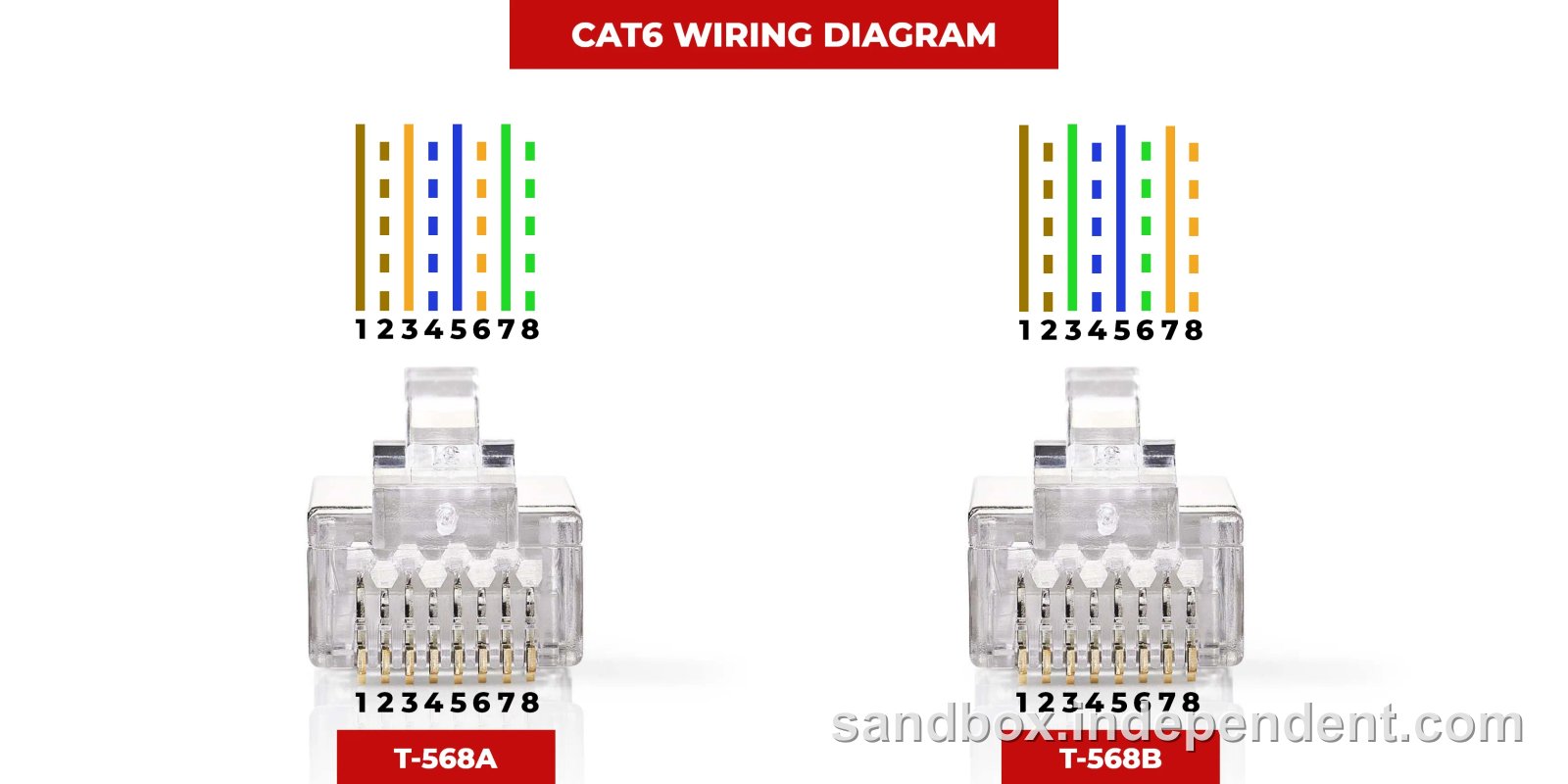
Our rj45 wiring chart offers clear reference values and an easy-to-read format. Learn the basics and gain practical tips with our visual guide.
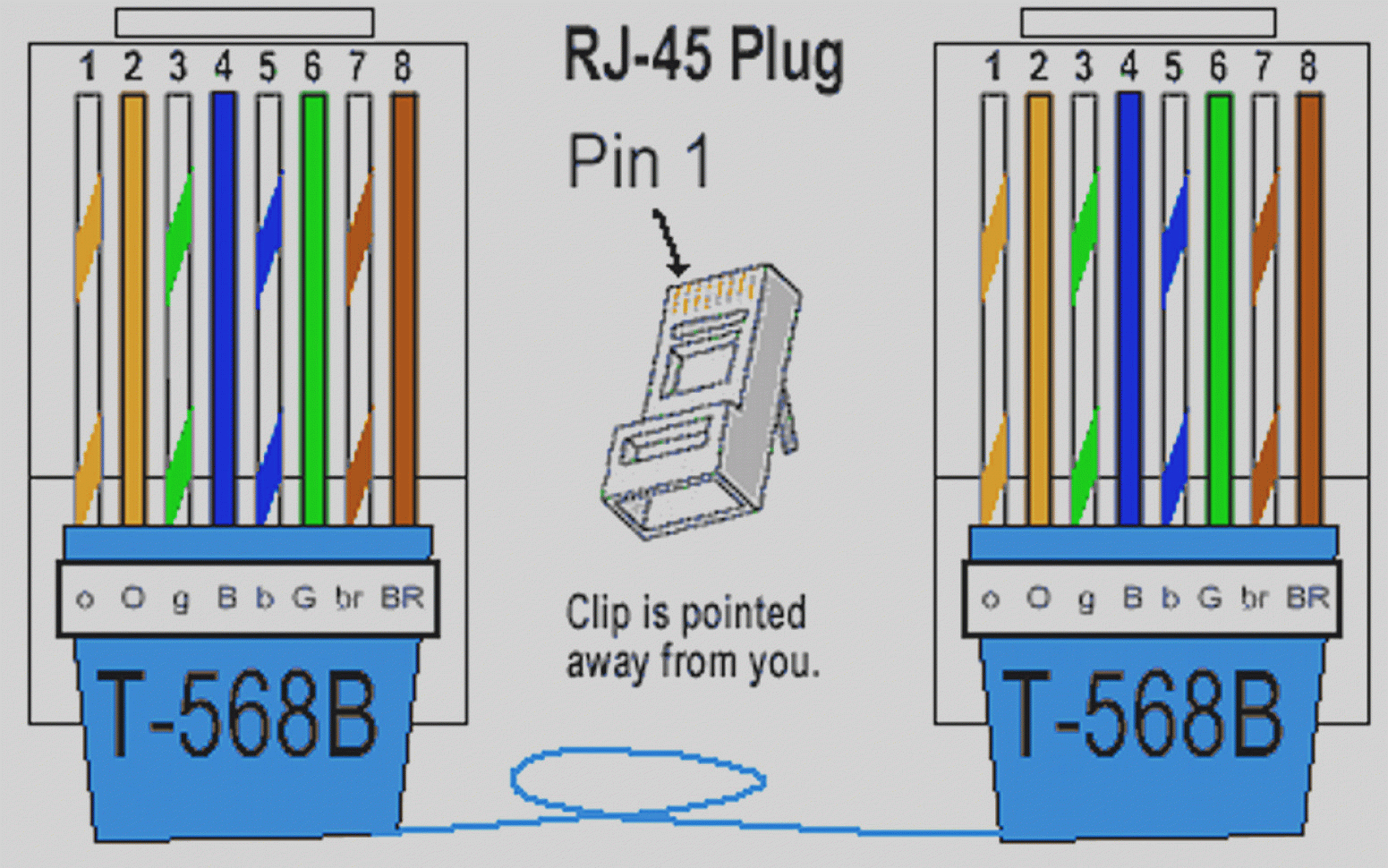
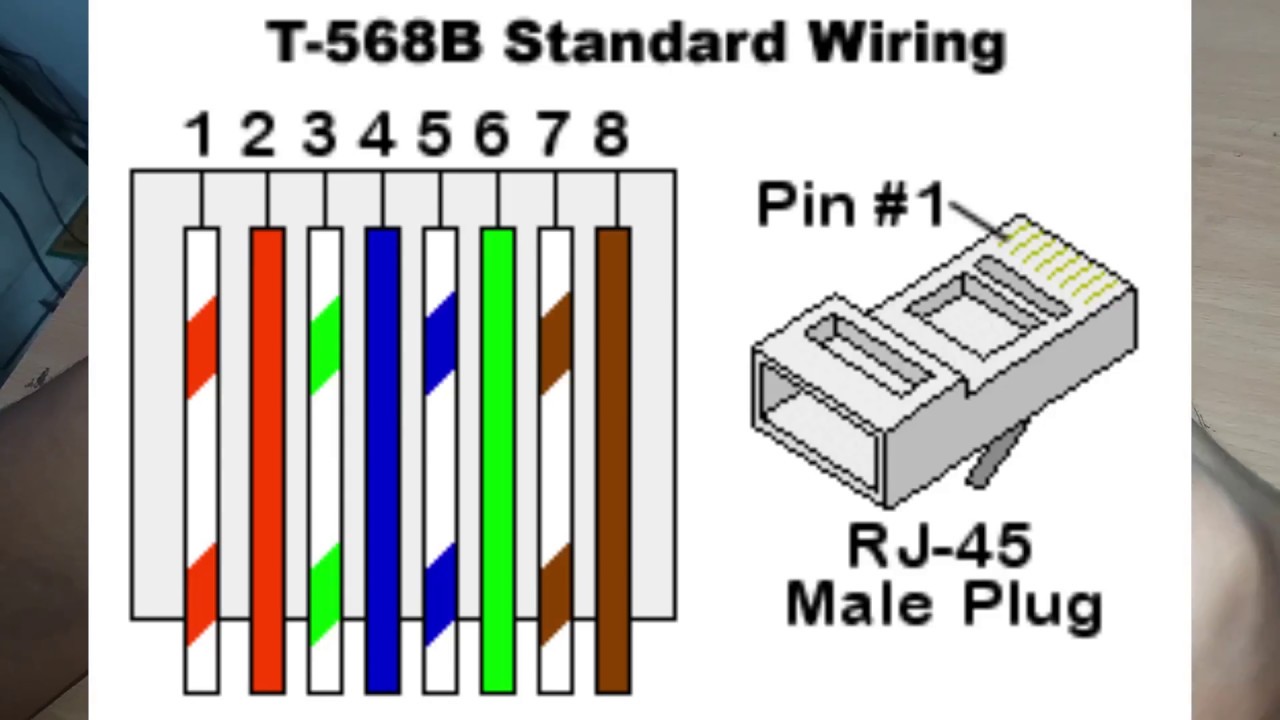
Many folks get overwhelmed when they first see an RJ45 wiring chart, assuming it's a complex, confusing maze. But fear not! It's a simple, visual guide that demystifies ethernet cable wiring. This chart is your friend, offering a clear path to understanding the rj45 pinout and color code chart. While values may vary slightly, the RJ45 wiring chart ensures you're following network cable standards, T568A or T568B, like a pro.
An Overview of the RJ45 Wiring Chart
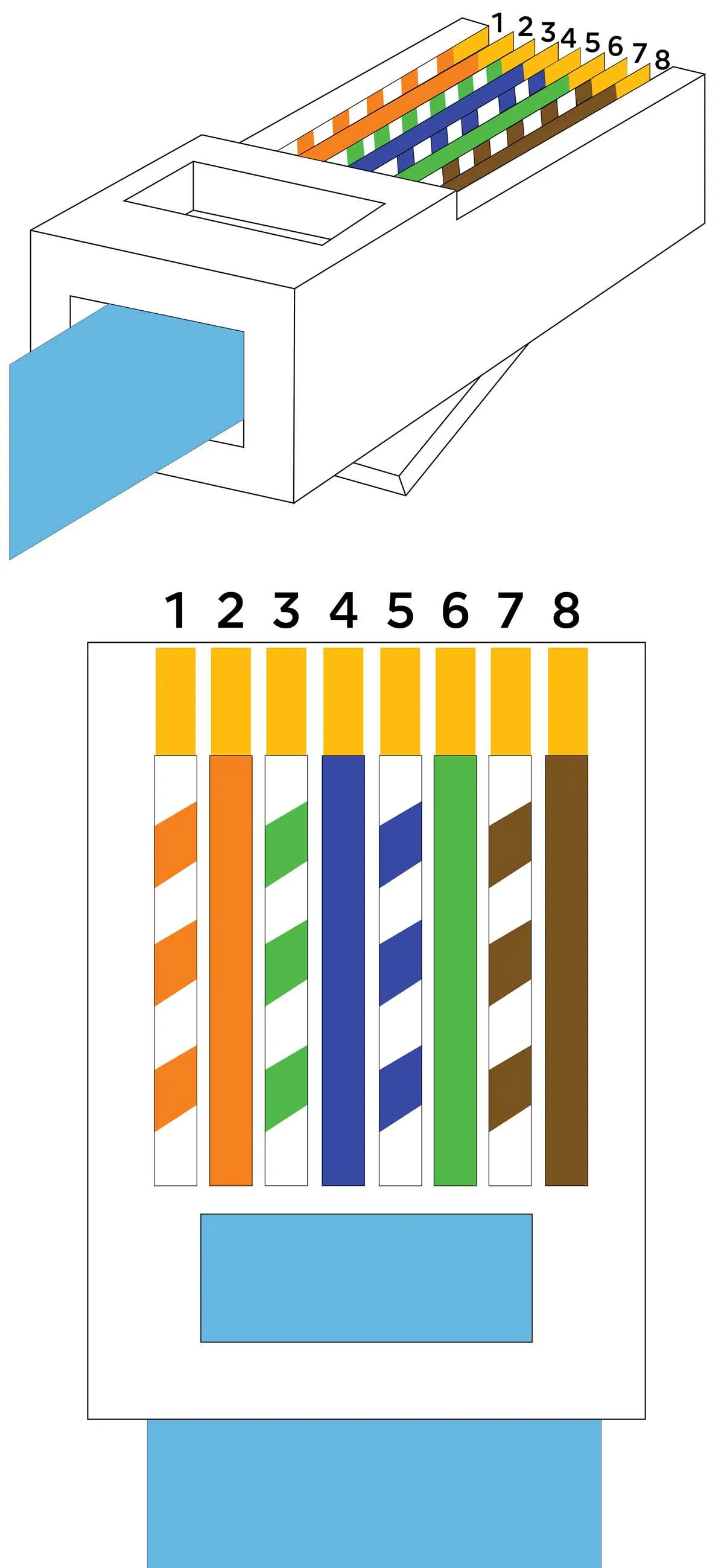
The RJ45 wiring chart is your go-to guide for understanding and creating RJ45 connections. It's like a map that shows how each wire should be connected to its corresponding pin in an RJ45 connector. This chart is essential for setting up networks and ensuring your ethernet cables work as intended.
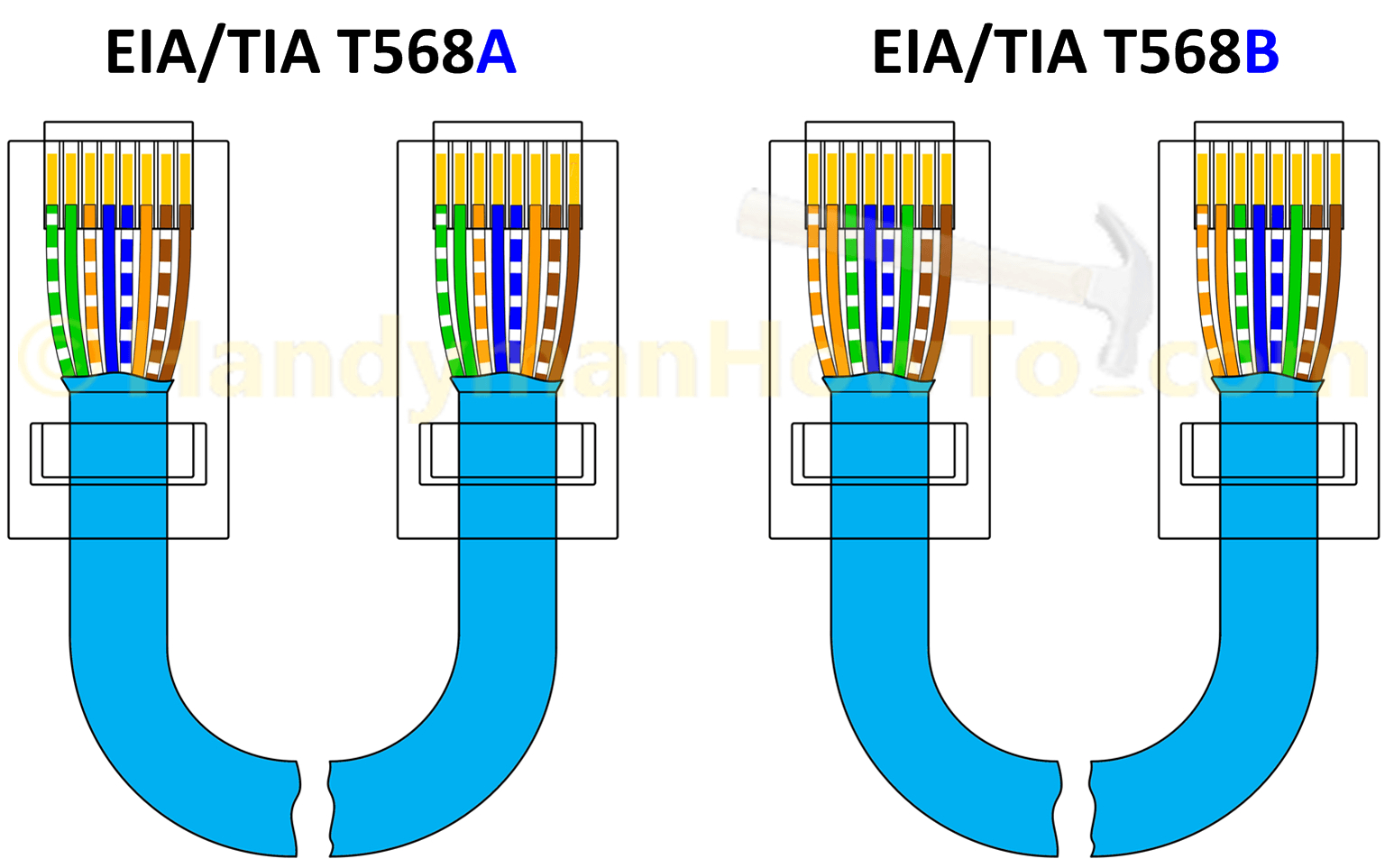
Comparing RJ45 Standards: T568A vs. T568B
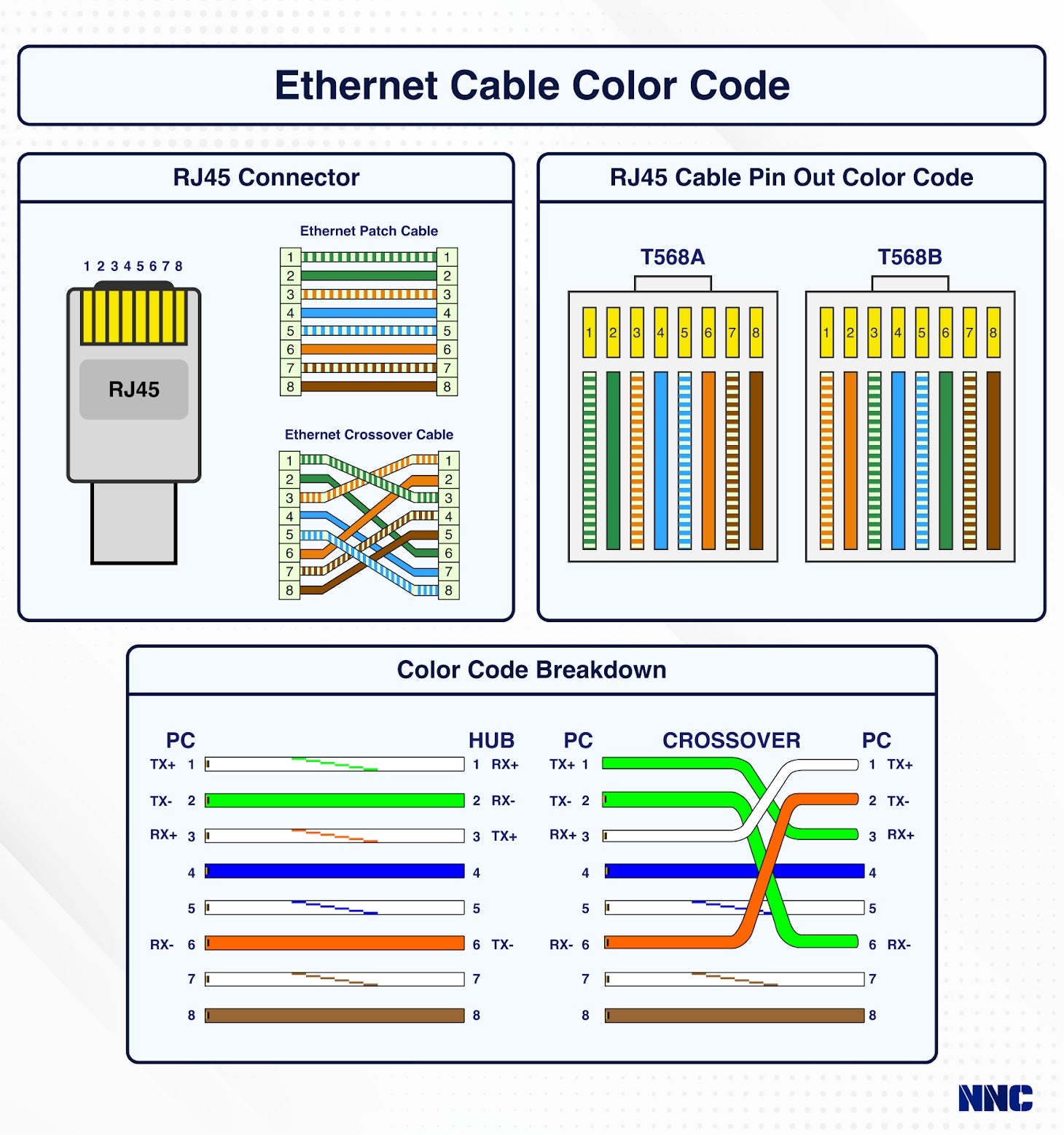
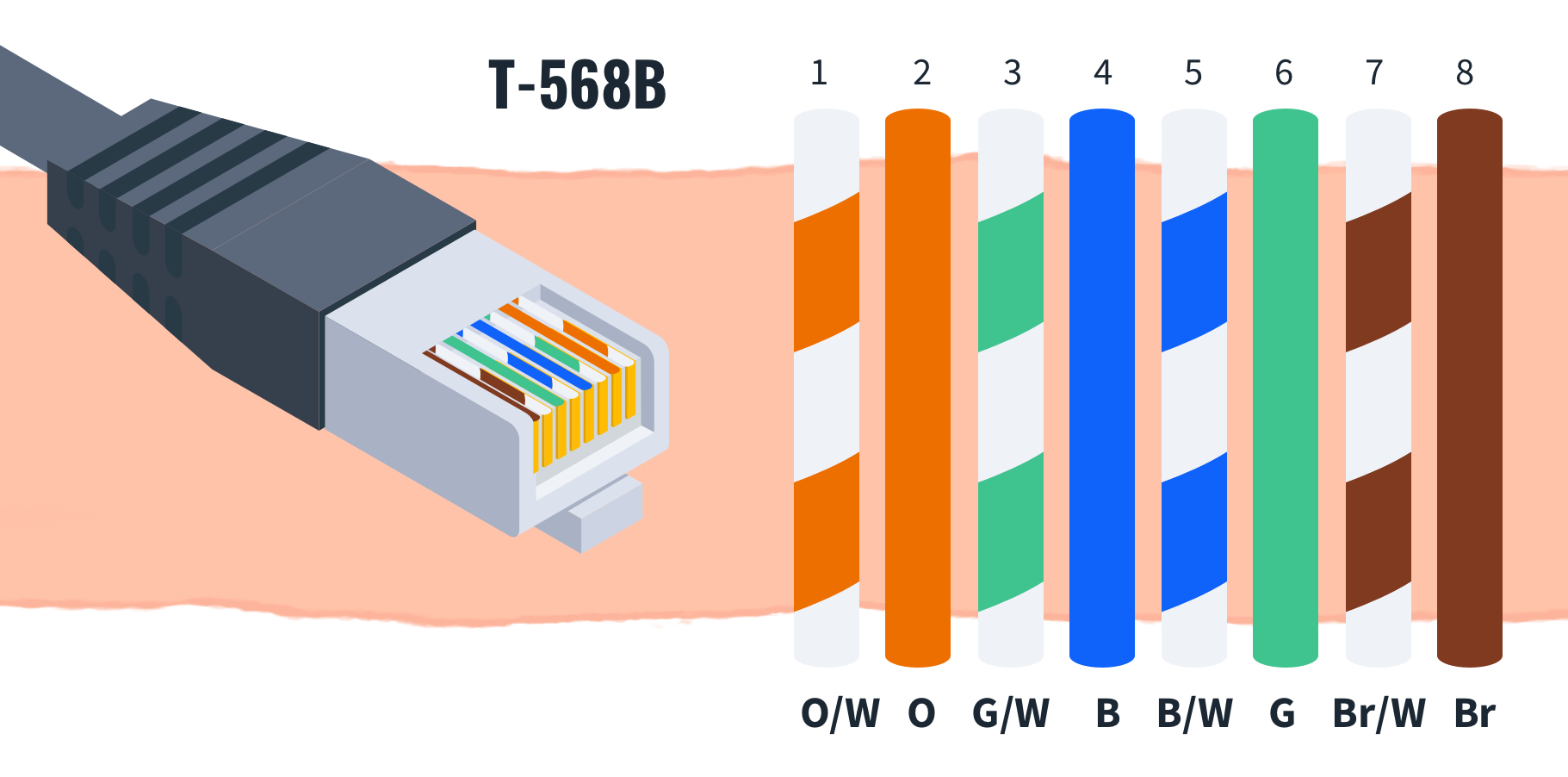
There are two common standards for RJ45 wiring: T568A and T568B. These standards dictate the color code and pin assignments for the wires. While both standards are widely used, they have different color arrangements. T568A is often preferred for its compatibility with older telephone wiring, while T568B is more common in modern networks. It's crucial to know which standard you're working with to avoid any misconnections.
Step-by-Step Guide: Using the RJ45 Wiring Chart
Using the RJ45 wiring chart is straightforward. Here's a simple process to follow:
Identify the standard: Determine whether you're working with T568A or T568B. This information is usually available on the chart itself or in the documentation for your specific project.
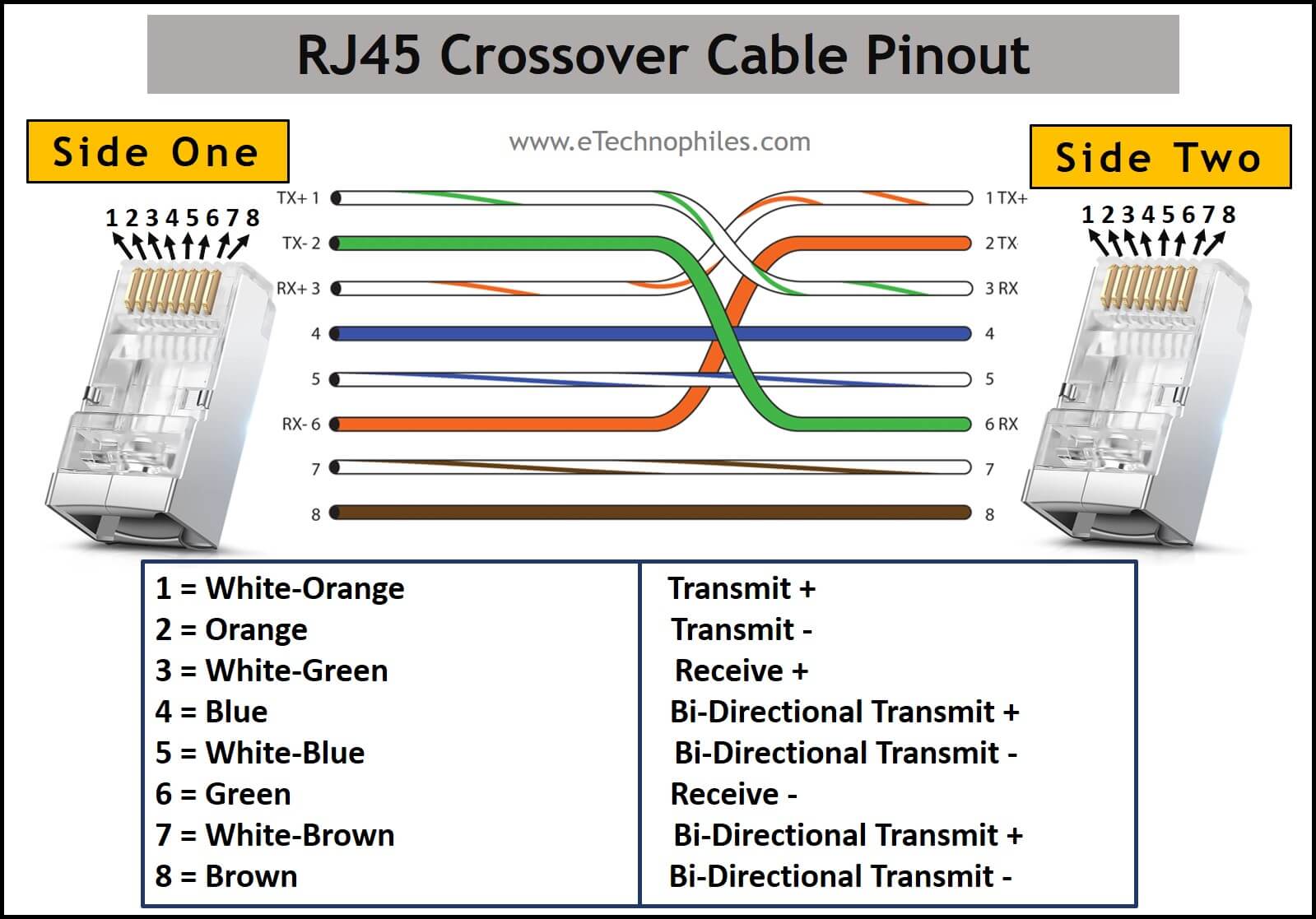
Understand the color code: The chart will show you the color-coded wires and their corresponding pins. Each wire has a specific color, and these colors match the pins on the RJ45 connector.
Connect the wires: Follow the color code and connect each wire to its designated pin. Ensure a secure connection by firmly inserting the wires into the connector.
Double-check: After connecting all the wires, take a moment to verify your work. Ensure each wire is in the correct position and securely fastened.
Common Misreadings and How to Avoid Them
Misreading the RJ45 wiring chart can lead to incorrect connections. Here are some common pitfalls and how to fix them:
Mixing up standards: Always double-check the standard you're using. T568A and T568B have different color arrangements, so using the wrong standard can cause issues.
Reversing wires: Pay attention to the orientation of the wires. Some charts might show a mirror image, so ensure you're connecting the wires in the correct direction.
Ignoring the color code: The color code is crucial. Don't assume you know the colors; always refer to the chart to avoid mistakes.
Factors Affecting Accuracy: Cable Types and Specifications
The accuracy of your RJ45 connections depends on several factors:
Cable type: Different cable types, like solid or stranded, have specific uses. Ensure you're using the right cable for your application.
Connector dimensions: RJ45 connector dimensions can vary slightly between manufacturers. Always use connectors that match your cable type and standard.
Wire gauge: The gauge of the wires affects their performance. Ensure your wires meet the required specifications for your network setup.
Adapting the RJ45 Wiring Chart for Specific Needs
While the RJ45 wiring chart provides a standard, you might encounter situations that require adaptations. Here's how to handle them:
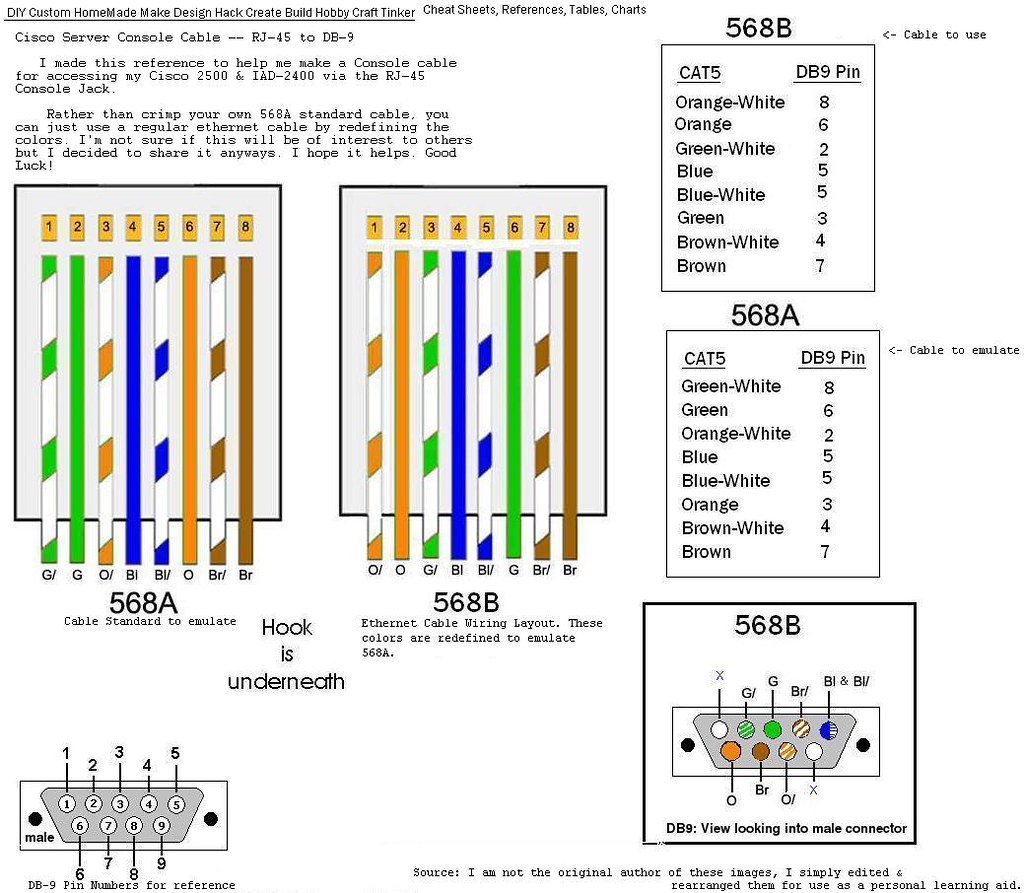
Custom color codes: In some cases, you might need to create custom color codes. This is often done for aesthetic reasons or to match existing wiring. Ensure you document these custom codes for future reference.
Non-standard connectors: If you're working with non-standard connectors, you'll need to adapt the wiring accordingly. Refer to the connector's specifications and ensure compatibility with your chosen standard.
Special applications: Certain applications, like industrial networks, might require specific wiring configurations. Research and understand the unique requirements for these specialized setups.
Keeping Your Setup Reliable: Documentation and Best Practices
To ensure your RJ45 connections remain reliable, follow these best practices:
Document your setup: Create a record of the standard, color codes, and any custom configurations you've made. This documentation will be invaluable for future reference and troubleshooting.
Label your cables: Clearly label your cables with their purpose and any relevant information. This helps with identification and reduces the risk of incorrect connections.
Regularly test your network: Perform periodic tests to ensure your network is functioning correctly. This proactive approach can help identify and resolve issues early on.
By following these guidelines and referring to the RJ45 wiring chart, you'll be well-equipped to create accurate and reliable network connections. Remember, precision and attention to detail are key when working with RJ45 wiring.
Hey there, we've covered a lot of ground with our RJ45 wiring chart adventure! From understanding the basics to mastering the art of wiring, we hope this guide has been a helpful companion. Remember, while we've provided a comprehensive overview, the exact details might shift a bit based on your specific setup or the standards you're following.
Feel free to explore our other guides for more practical tips and tricks. We've got a whole library of resources to help you navigate the world of networking and beyond. Happy wiring, and we hope to see you on your next tech journey!
Images