

Activity Sheets Consonant Blends Overview
Many people often mistake Edison Charter SF for just another educational chart or table, but it's so much more than that. Edison Charter SF is a powerful tool, a comprehensive guide that offers a unique insight into the world of education, specifically within the San Francisco context. This reference is designed to provide a clear overview, helping users navigate and understand the performance and standards of schools, with a focus on the Edison Charter School and its rankings. While the values and metrics may vary, this chart offers a reliable starting point for anyone seeking to make informed educational choices.
Edison Charter SF: A Snapshot of Educational Excellence
Edison Charter SF offers a unique educational journey, and understanding its performance is key. This chart provides a concise overview, showcasing its strengths and areas of focus. Let's explore how to interpret this data effectively.
Comparing Key Metrics and Standards
The chart compares Edison Charter SF's performance against regional benchmarks and charter school averages. It covers a range of indicators, including student achievement, academic growth, and parent satisfaction. These metrics are essential for evaluating the school's overall effectiveness. When reading the chart, note that measurements may vary based on the specific standards and frameworks used.
Step-by-Step Guide: Interpreting the Data
To navigate this chart effectively, follow these steps:
Begin by identifying the key indicators. These are typically highlighted or labeled clearly.
Compare the values against the regional benchmarks. A quick glance will show how Edison Charter SF performs relative to other schools in the area.
Look for trends. Are there consistent strengths or areas for improvement? This provides insights into the school's focus and strategies.
Consider the context. Understand the unique aspects of Edison Charter SF's curriculum and mission to interpret the data accurately.
Use the chart as a starting point. It offers a snapshot, but for detailed insights, refer to the school's official reports and student achievement data.
Avoiding Common Misinterpretations
While the chart is a valuable tool, it's essential to be aware of potential pitfalls:
Avoid over-simplifying. Each indicator has its nuances, and a holistic view is crucial.
Be mindful of variations. SF education standards and assessment methods can change, impacting the data. Stay updated on any shifts.
Understand the limitations. The chart provides a broad overview; for specific details, consult the school directly.
Key Factors Influencing Accuracy
Several factors influence the accuracy and real-world application of this chart:
Charter school performance metrics can vary based on the student population and curriculum. Consider the school's unique context.
Regional benchmarks may not always align with national or international standards. Be aware of these differences when comparing.
Data collection methods and assessment tools can impact results. Ensure you understand the methodologies used.
Finally, stay informed about any recent developments or initiatives that may influence Edison Charter SF's performance.
Remember, while this guide provides a solid framework, every situation is unique. Exact details may differ slightly, so it's always good to double-check and adapt to your specific needs.
Consider bookmarking this page for future reference; it's a handy tool to have at your fingertips when you need a quick reminder. You'll find many more practical guides like this one, so feel free to explore and discover the ones that resonate with you!
Related: Find Your Perfect Fit: Jeans Size Chart Guide
Many people struggle with the idea of a jeans size chart, assuming it's a complex and confusing tool. But it's actually a simple and handy reference, a quick guide to finding your perfect fit!
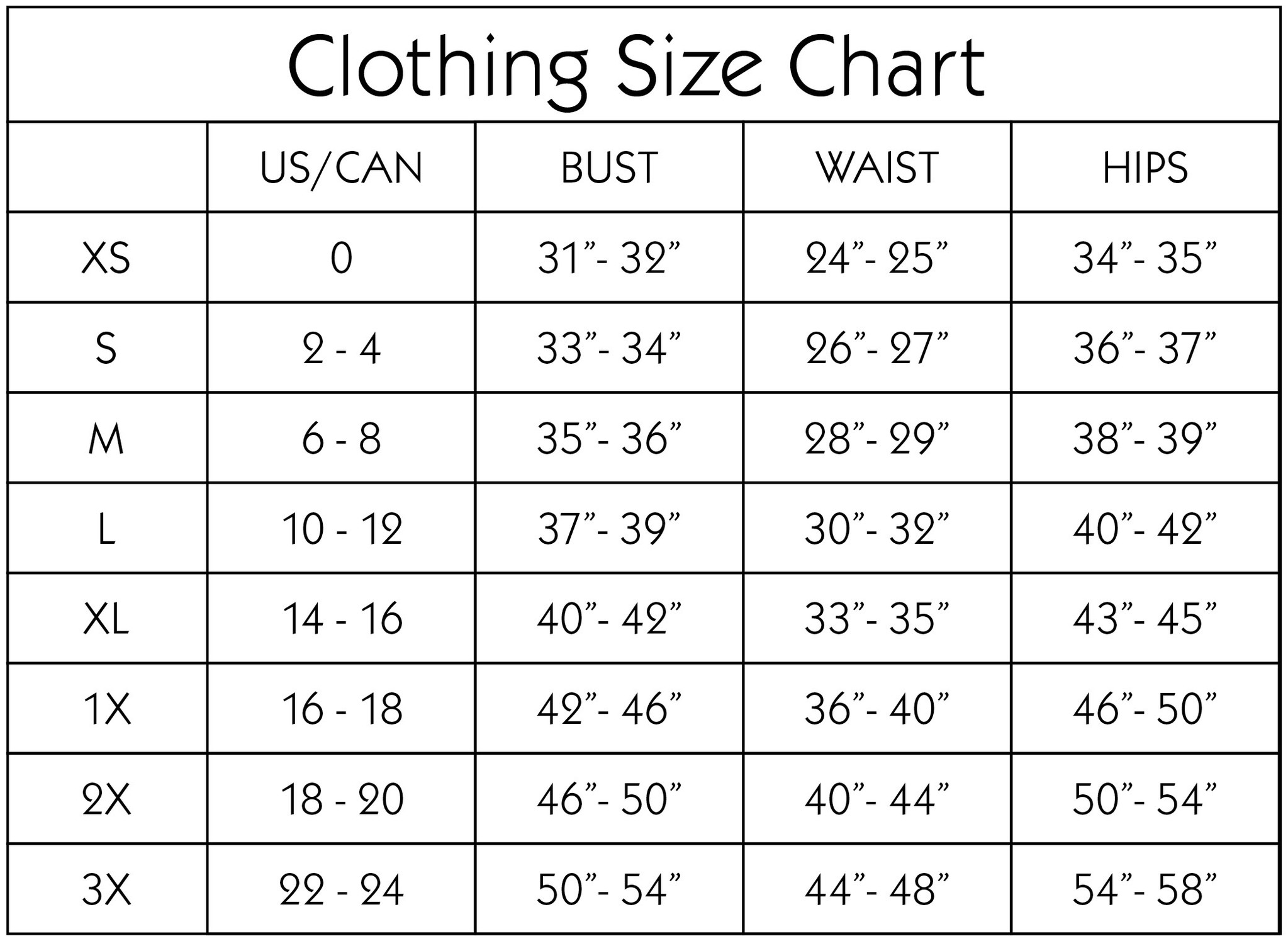
The chart offers a visual or tabular overview, providing waist and hip size measurements, along with other key details like inseam length and leg opening. While values may vary slightly between brands and regions, the jeans size chart is a reliable starting point for an accurate fit.
Understanding the Jeans Size Chart
The jeans size chart is your guide to finding the perfect fit for your denim dreams! It's a handy tool that translates your body measurements into the right jeans size, ensuring you look and feel great. This chart is like a secret code, but don't worry, it's easy to crack!
Key Details and Categories
Let's break down the chart's categories. Typically, a jeans size chart will have two main measurements: waist size and hip size. These are the most critical factors in finding a comfortable and flattering fit. You'll also find other details like inseam length, leg opening, and rise, which add precision to your choice. These measurements are usually in inches or centimeters, depending on the standard used. Always check the chart's units to ensure accuracy.
How to Read and Apply the Chart
Using the jeans size chart is a breeze! Here's a step-by-step guide:
- Measure your waist and hip sizes. Ensure you're measuring at the right points; for the waist, it's the narrowest part of your torso, and for the hips, it's the widest part.
- Find your waist and hip measurements on the chart. The chart will often have a grid or table format, with waist sizes along one axis and hip sizes on the other.
- Look for the intersection of your waist and hip measurements. This will give you your recommended jeans size. For example, if your waist is 28 inches and your hips are 36 inches, the chart might recommend a size 6.
- Consider other details like inseam length. If you prefer a specific leg length, choose a size that accommodates your desired inseam.
- Try it on! While charts are accurate, personal preferences and body shapes vary. So, it's always best to try the jeans and see how they feel and look.
Size Variations and Differences
It's important to note that jeans size charts can vary slightly between brands and manufacturers. This is because each brand might have a unique fit philosophy or use different measurement standards. Additionally, regional differences can impact size charts, with some countries using different sizing systems. Always check the brand's specific size guide or denim size chart to ensure you're using the right measurements. It's a good idea to refer to the brand's size guide when shopping online to avoid any surprises.
Finding the perfect jeans size is an adventure, and with this guide, you're equipped to navigate the jeans size chart like a pro!
Well, there you have it! A handy jeans size chart to keep on hand for all your denim adventures. Remember, these charts are a great starting point, but it's always wise to check the specific brand's size guide for any unique fits or styles.
Jeans shopping can be a fun and practical experience, and with this guide, you're well-equipped to find your perfect fit. So, happy browsing and remember to bookmark this page for future denim missions!
Related: Understand the Hair Shade Chart: A Simple Guide
You're here because you need a quick fix, right? A simple, reliable reference for your hair color adventure. Well, the hair shade chart is your trusty guide, a visual map to navigate the world of hair colors. It's a handy tool, a quick-glance reference, offering a range of shades and tones to explore. From natural hues to bold, vibrant choices, the chart lays it all out. You'll find tone levels, hair dye shades, and even a color wheel to help you match and create your desired look.
Understanding the Hair Shade Chart: Your Guide to Hair Color
The hair shade chart is a handy tool that helps you navigate the world of hair color. It's a visual reference, often in the form of a color wheel or a detailed table, that displays a range of hair colors and their corresponding shades. This chart is your friend when you want to achieve a specific hair color or match a particular shade.
Comparing Hair Color Standards and Formats
There are different standards and formats for hair color charts, which can vary based on the region and the manufacturer. The most common ones are the hair dye shades charts, which use a numerical system to represent different tones. These charts often have a range of numbers, like 1 to 10 or 1 to 12, with each number representing a distinct shade. For instance, a level 1 might be the darkest black, while a level 10 could be a light blonde.
Using the Hair Shade Chart: A Step-by-Step Guide
Using the hair shade chart is simple once you know how. First, identify the standard or brand you're working with. This ensures you're using the right chart for your hair color products. Next, locate your current hair color on the chart. This gives you a starting point. Then, decide on your desired hair color. The chart will help you visualize the difference and choose the right shade.
For example, if you have dark brown hair (let's say a level 4) and want to go lighter, you might aim for a level 6 or 7, which could be a beautiful, warm medium brown. Always remember to consider your natural hair color and its condition. If your hair is very dark, achieving a light blonde might require multiple sessions and a professional's expertise.
Avoiding Missteps: Common Pitfalls and How to Avoid Them
One common mistake is not considering your natural hair color's base. The hair shade chart often shows the results on pre-lightened hair, so if your hair is darker, the result might be different. Always check the chart's instructions or consult a professional for guidance.
Another pitfall is not accounting for tone. The chart might show a single number for a shade, but in reality, there are often variations within that shade, like ash, golden, or warm tones. These subtle differences can make a big impact on the final result, so choose wisely!
Factors Affecting Accuracy: Key Considerations
- Hair tint: Your natural hair color and its condition play a significant role. Pre-lightened or bleached hair will react differently to dye compared to virgin hair.
- Tone levels: The tone of your desired shade matters. A warm tone, for instance, will look different on someone with cool undertones.
- Shade guide: Always refer to the specific shade guide provided by the dye manufacturer. These guides often offer more detailed information about the results on different hair types and tones.
Choosing the Right Chart: Adapting to Your Needs
There are various charts available, each with its own system and range. Some charts might use letters or even a combination of numbers and letters. It's essential to choose the right chart for your needs. If you're using a specific brand of hair dye, they often provide their own shade chart. Alternatively, you can find generic charts that offer a broader range of shades.
Keeping Your Reference Reliable for Future Use
To ensure you can rely on your hair shade chart in the future, it's important to keep it in a safe place. Consider making a digital copy or taking a photo of the chart for easy reference. This way, you can quickly access it whenever you need to choose or match a hair color. Additionally, stay updated with the latest charts and standards. Hair color trends and technologies evolve, so having the most current reference ensures accurate results.
Hey there! I hope this guide has been helpful in navigating the world of hair shade charts. Remember, these charts are a great tool, but the specifics can vary, so always double-check the source and standard you're using.
Feel free to explore other guides on our site to learn more about related topics and discover practical tips for your hair journey. We've got you covered with simple, straightforward advice!