Find Your Perfect Fit: Bicycle Size Chart
Get accurate sizing with our bicycle size chart. Learn how to read it, find your ideal fit, and discover practical tips. Start riding with confidence today!
Many people assume that a bicycle size chart is a one-size-fits-all guide, but it's actually a bit more complex than that. While it provides a great starting point, there are various factors to consider when using one. A bicycle size chart is a handy tool, offering a range of measurements and sizes, but it's important to understand that these can vary depending on the type of bike and your personal preferences.
Understanding Bicycle Size Charts
Bicycle size charts are your practical guide to finding the perfect bike fit. These charts help you determine the right frame size and wheel dimensions for your height and riding style.
Key Details and Prerequisites
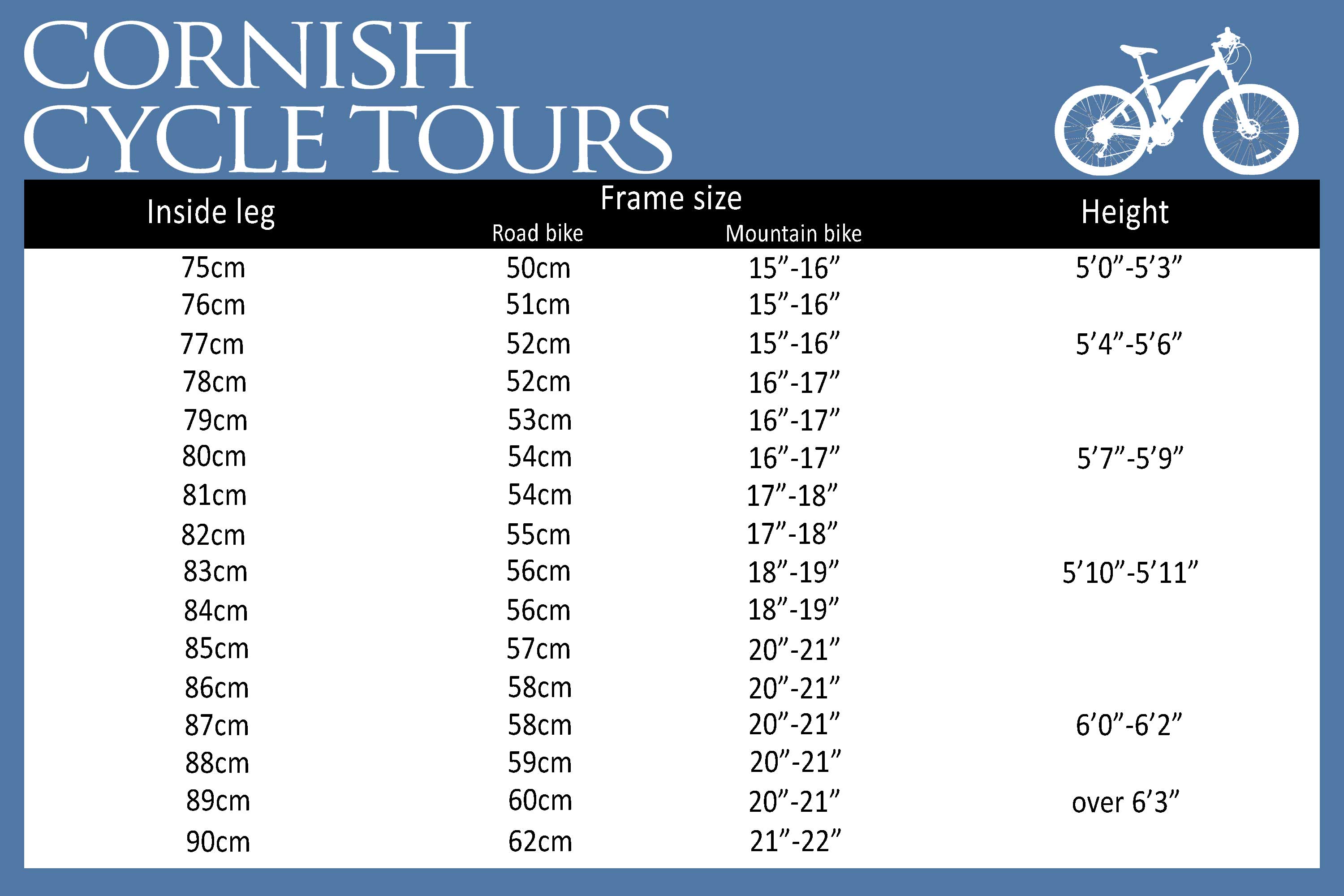
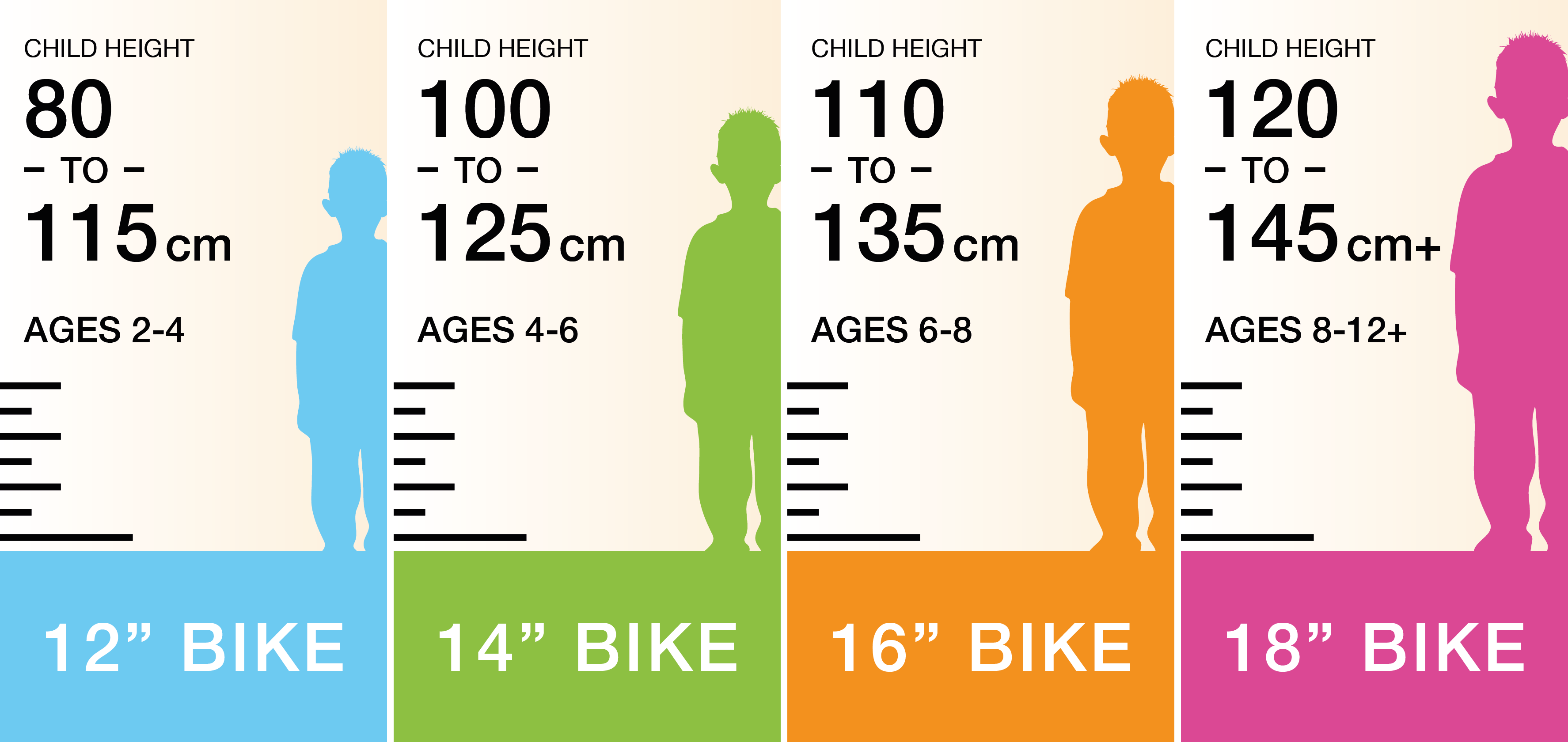
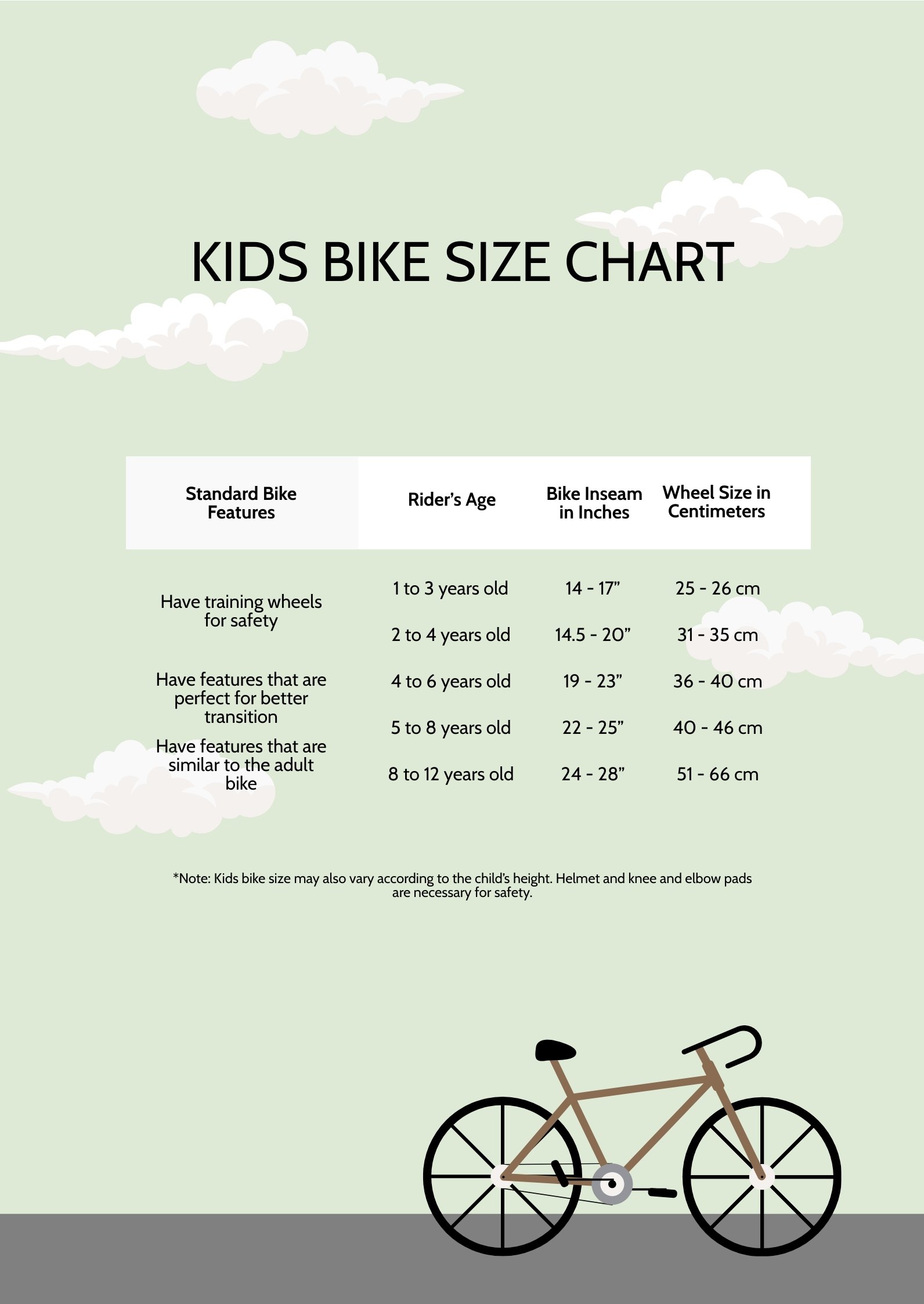
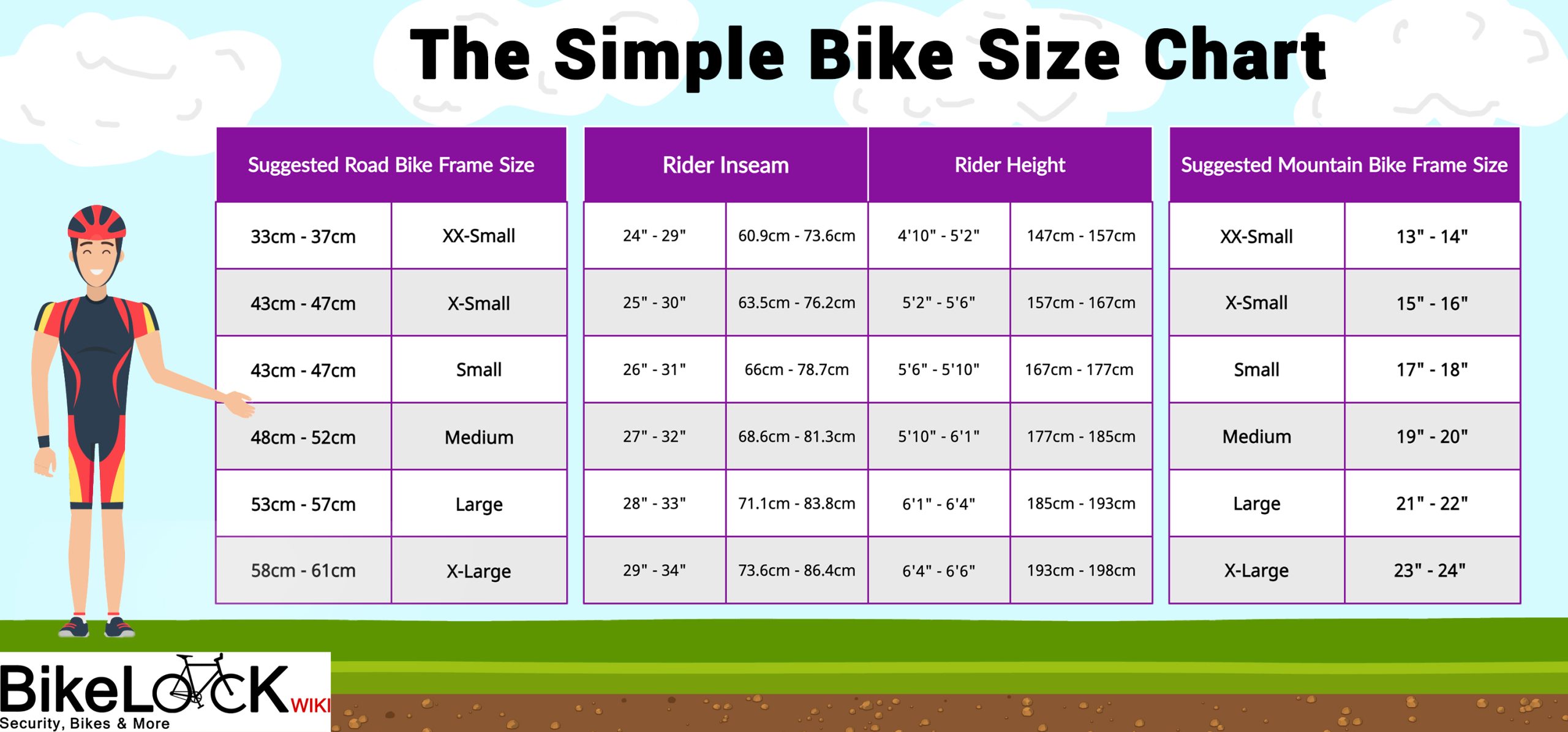
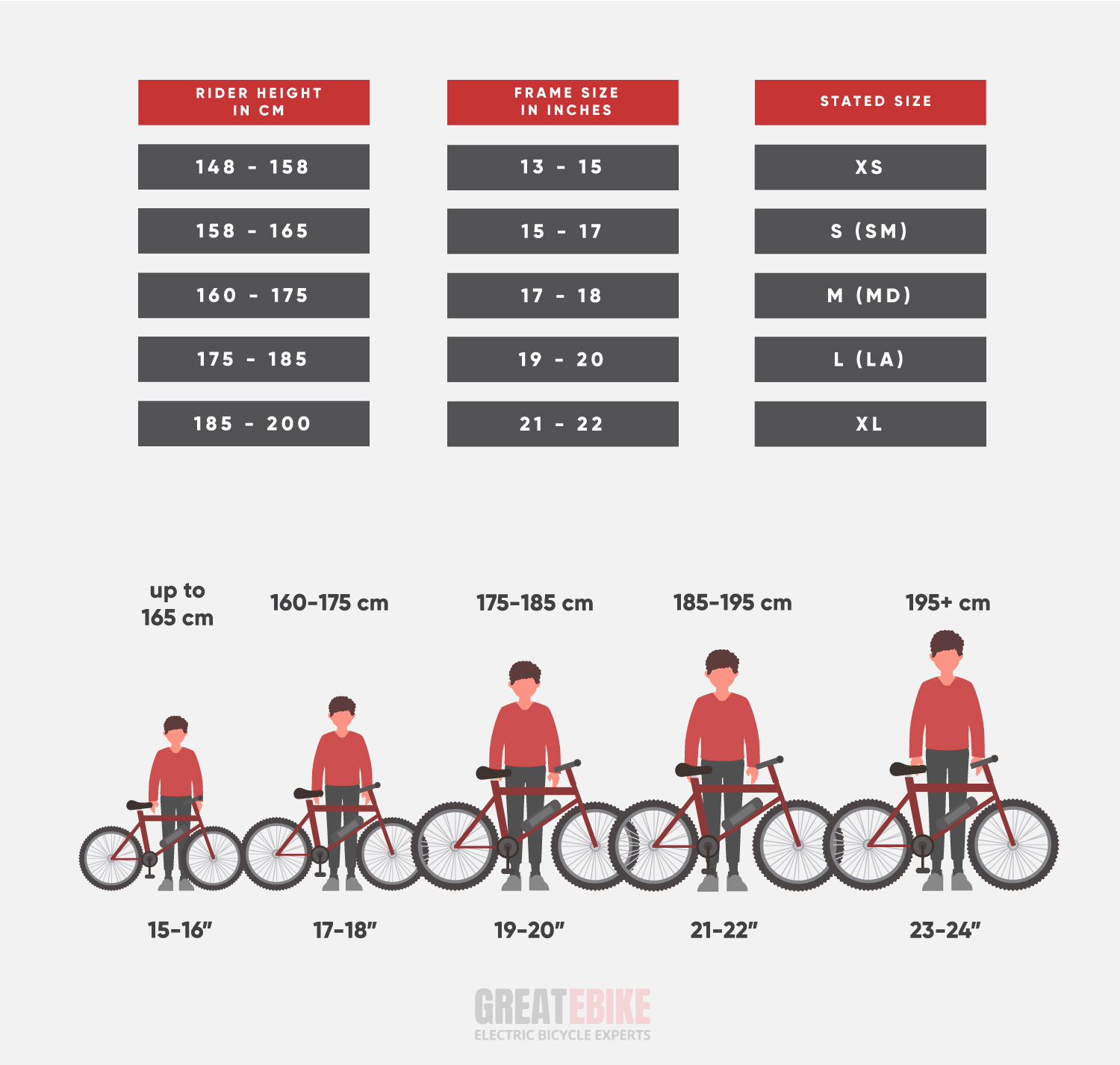
The bicycle frame size chart typically includes two main measurements: frame size and wheel size. Frame size is usually given in inches or centimeters, referring to the length of the seat tube. Wheel size is also measured in inches, indicating the diameter of the wheel. These charts often provide a range of heights suitable for each frame size, ensuring a comfortable and efficient ride.
Choosing the Right Size: A Step-by-Step Guide
- Start by identifying your height. Most charts will have a height range associated with each frame size.
- Consider your riding style and preferences. Are you a casual rider, a road warrior, or a mountain adventurer? Different styles require different frame geometries and wheel sizes.
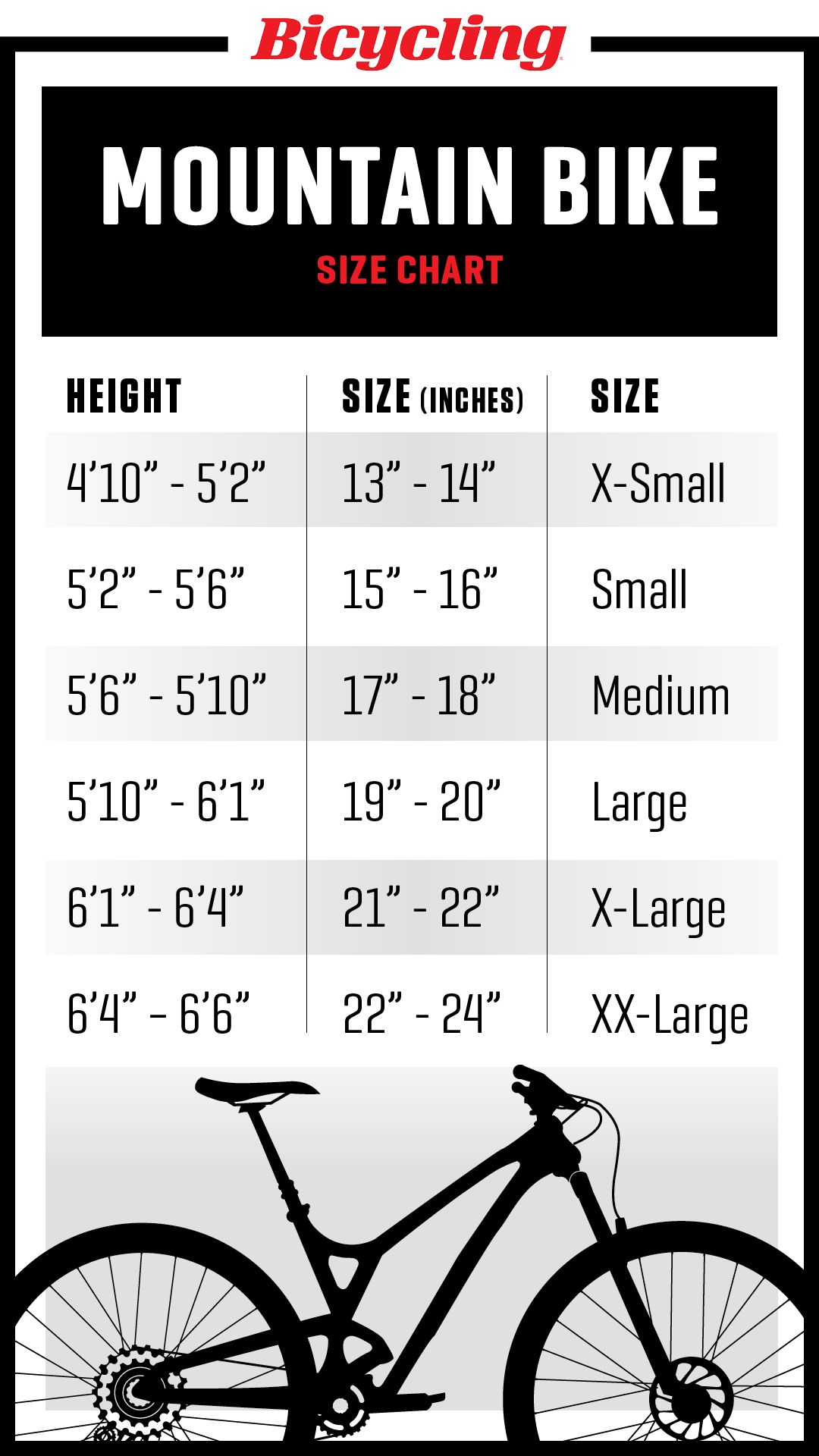
- Check the bike sizing guide for your specific needs. Some charts may offer separate recommendations for road bikes, mountain bikes, or hybrid models.
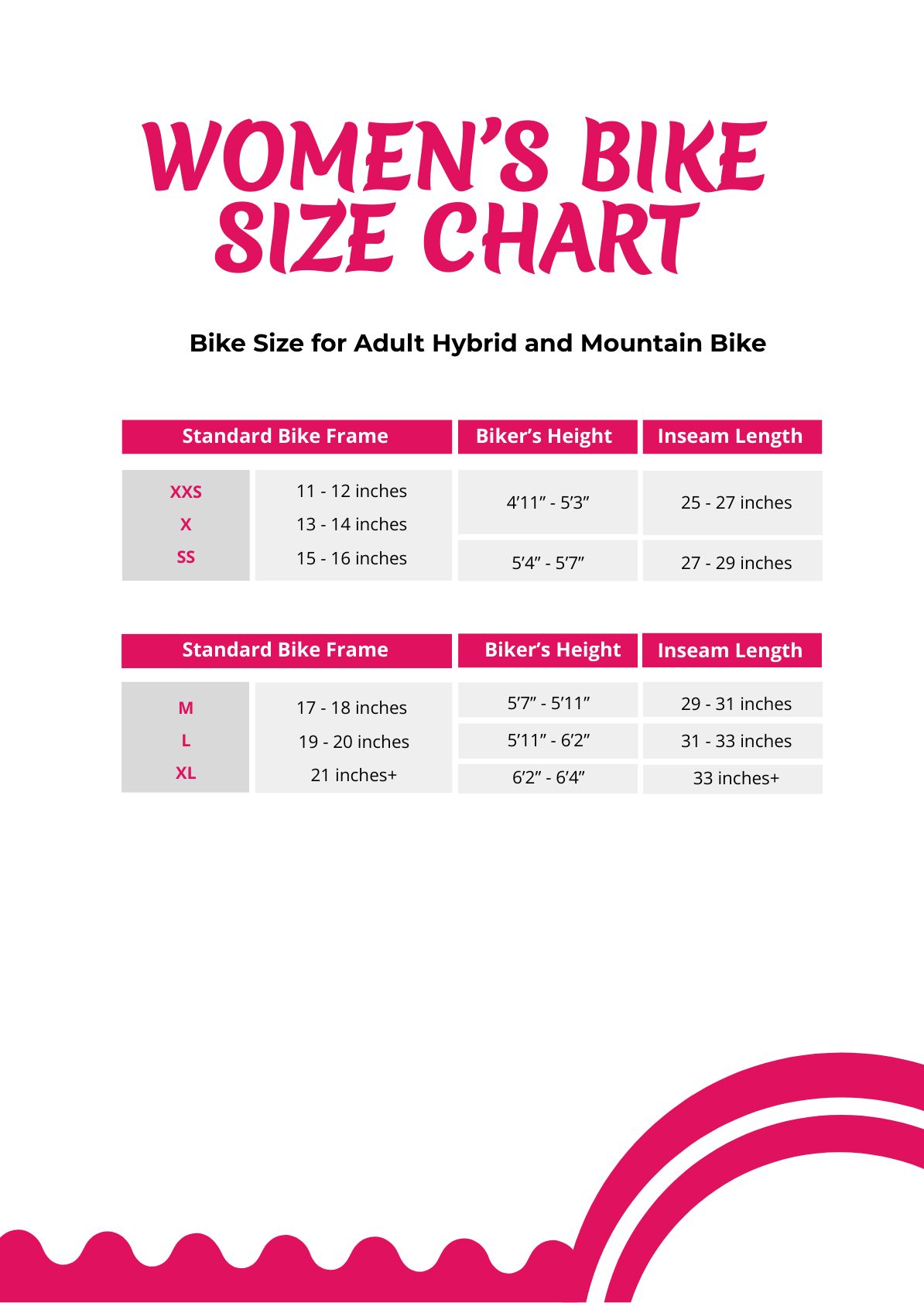
- Measure your inseam length. This measurement is crucial for determining the right seat tube length and ensuring you have enough clearance between the top tube and your body.
- Use the bicycle size chart to cross-reference your height, riding style, and inseam length. This will give you a precise frame size recommendation.
- Don't forget to consider the wheel size. The right wheel size ensures optimal handling and performance.
Variations and Common Mistakes
When using a bicycle size chart, it's important to remember that variations exist due to different international standard measurements and manufacturer preferences. Here are some key factors to consider:
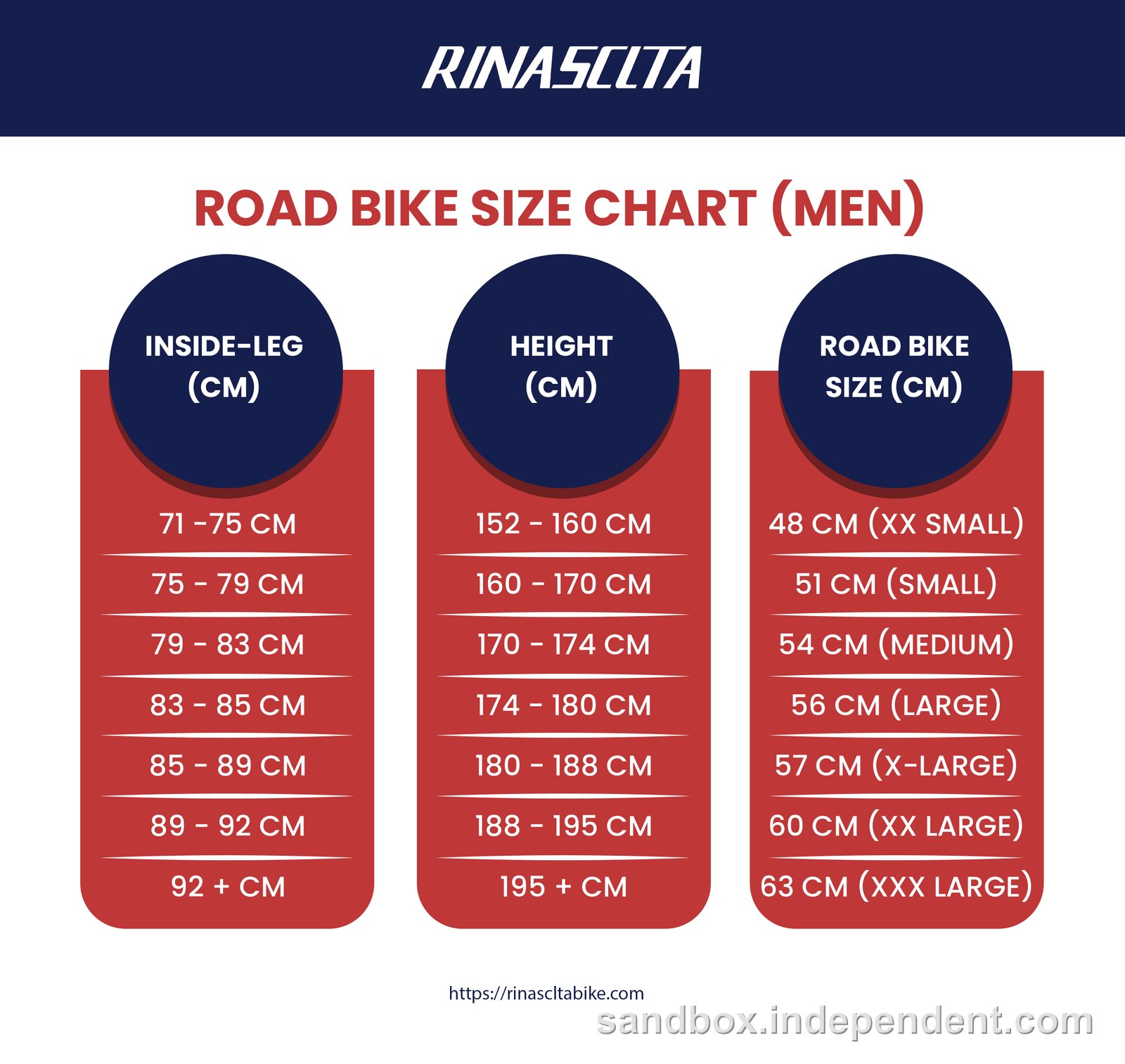
- Road bike dimensions may differ slightly from mountain bike sizing, so be sure to consult the appropriate chart.
- Some charts use imperial units (inches), while others use metric (centimeters). Ensure you're using the correct chart for your region or preferences.
- Rider preferences and comfort levels can also influence the chosen size. Some riders may prefer a more upright position, while others opt for a more aggressive, stretched-out posture.
- Always double-check the exact specifications provided by the manufacturer for your specific bike model, as slight variations can occur.
Remember, a well-fitted bike enhances your riding experience and prevents discomfort or injuries.
Well, that's a wrap on our bicycle size chart guide! We've covered the basics, from understanding the key measurements to learning how to use the chart effectively. Remember, when it comes to finding the perfect bike size, it's essential to consider your unique needs and preferences.
So, before you hit the road, take a moment to ensure you've got the right size for your next cycling adventure. Bookmark this page for future reference, and you'll always have a handy guide to refer back to. Happy cycling!
Images