



Activity Sheets To Learn Overview
A violin notes chart is a handy tool for any violinist, offering a quick glance at the notes and their positions. This guide will cover the basics, helping you navigate and utilize this reference effectively.
The chart provides a visual representation of the violin's strings and their corresponding notes. While the standard tuning is a common reference point, it's worth noting that variations can occur, especially with different playing styles and regional traditions.
Understanding the Violin Notes Chart
The violin notes chart is a handy tool for any violinist, offering a visual guide to the notes and their positions on the fingerboard. It's like a map, helping you navigate the strings and find the right notes with ease. This chart is especially useful for beginners, providing a clear reference point as they learn to play.
Comparing Note Patterns and Formats
There are various types of violin notes charts, but the most common format shows the fingerboard with frets or positions marked. Each fret or position corresponds to a specific note. You'll often see charts with different colors or symbols to indicate the notes on each string. Some charts also include finger placement guides, showing you where to position your fingers for each note.
Using the Chart: A Step-by-Step Guide
- First, familiarize yourself with the chart. Understand the layout and how the notes are represented. Each string has its own unique set of notes, so pay attention to the differences.
- Next, locate the open strings. These are the notes played without pressing any fingers on the fingerboard. You'll see them at the top of the chart, typically marked as G, D, A, and E.
- Now, start exploring the notes on each string. Press your finger at the indicated positions to play the corresponding notes. For example, if the chart shows a green circle at the third position on the D string, that indicates the note F#.
- Practice moving between notes smoothly. Try playing scales or simple melodies using the chart as a guide. The more you practice, the easier it will be to memorize the note positions.
- As you advance, you can explore alternative tunings and more advanced techniques. The chart can still be a valuable tool, even for experienced players, as it provides a quick reference for less familiar pieces or new styles.
Common Misreadings and How to Avoid Them
One common mistake is assuming that the chart represents the exact position of your fingers. Remember, it's a guide, and your hand size and finger length may vary. Always adjust the finger placement slightly to find the most comfortable and accurate position for your hand.
Another pitfall is ignoring the context. The chart provides a general guide, but the specific piece you're playing may require slight variations. Always refer to the sheet music or listen to the piece to understand the intended notes and their context.
Factors Affecting Accuracy and Real-World Use
The accuracy of the violin notes chart depends on several factors. Firstly, the chart's scale and size can impact its precision. A larger chart may provide more detail, but it's essential to find a balance between size and portability.
Secondly, the chart's design and formatting can affect its usability. Look for charts with clear, easy-to-read fonts and colors. Avoid overly complex designs that may distract from the main purpose of the chart.
Lastly, remember that the chart is a tool, not a substitute for practice and musical understanding. It's a guide to help you find the right notes, but the real magic happens when you internalize the music and play with expression and feeling.
Hey there! We've covered a lot of ground in this blog post, giving you a comprehensive guide to violin notes charts. Remember, these charts are a handy tool, and while the basics remain the same, you might find slight variations depending on your specific needs and the source you're using.
So, the next time you're practicing or teaching, be sure to bookmark this page for a quick reference. It's always good to have these resources at your fingertips, and we've got plenty more guides to explore, so feel free to dive in and discover more!
Related: Learn Morris Code Chart: A Simple Reference Guide
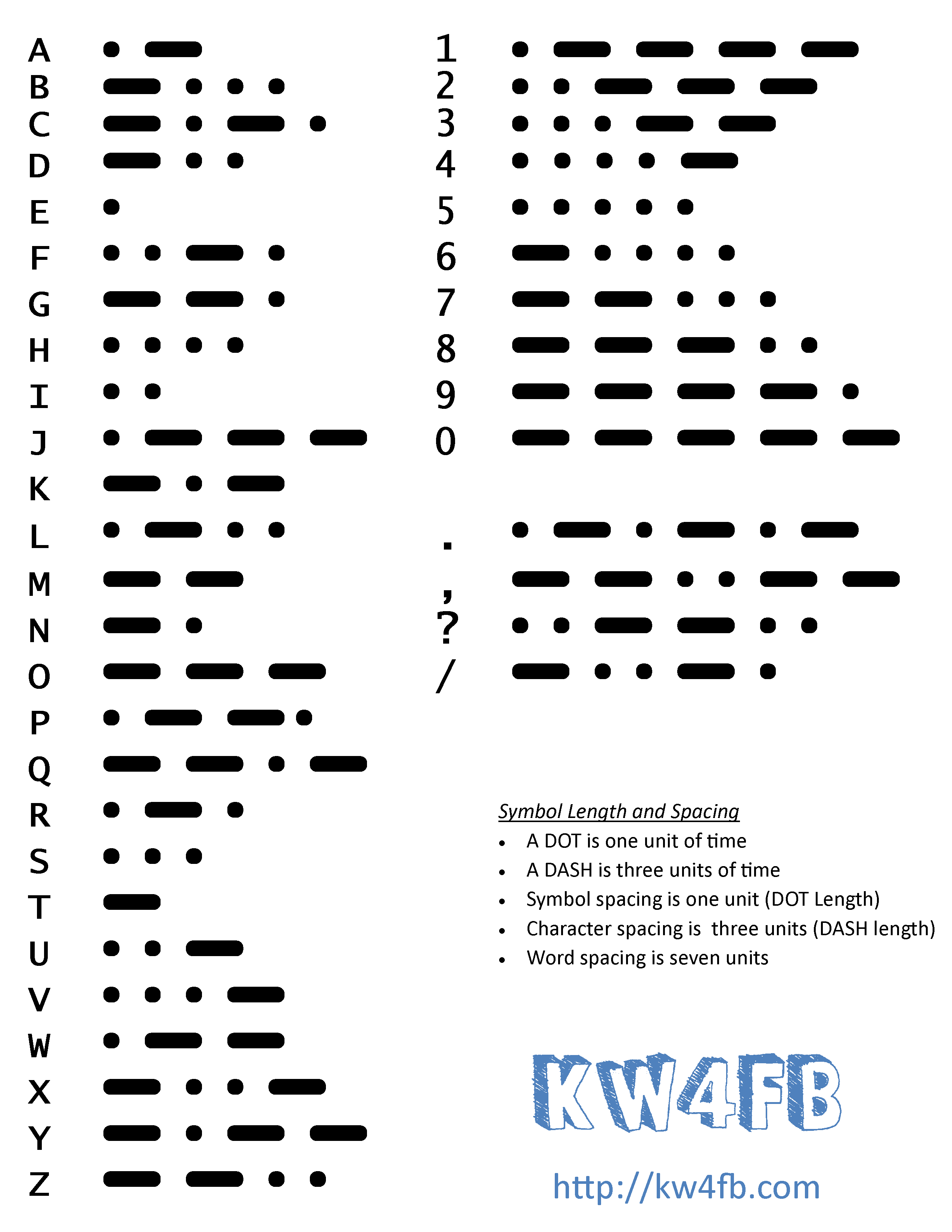
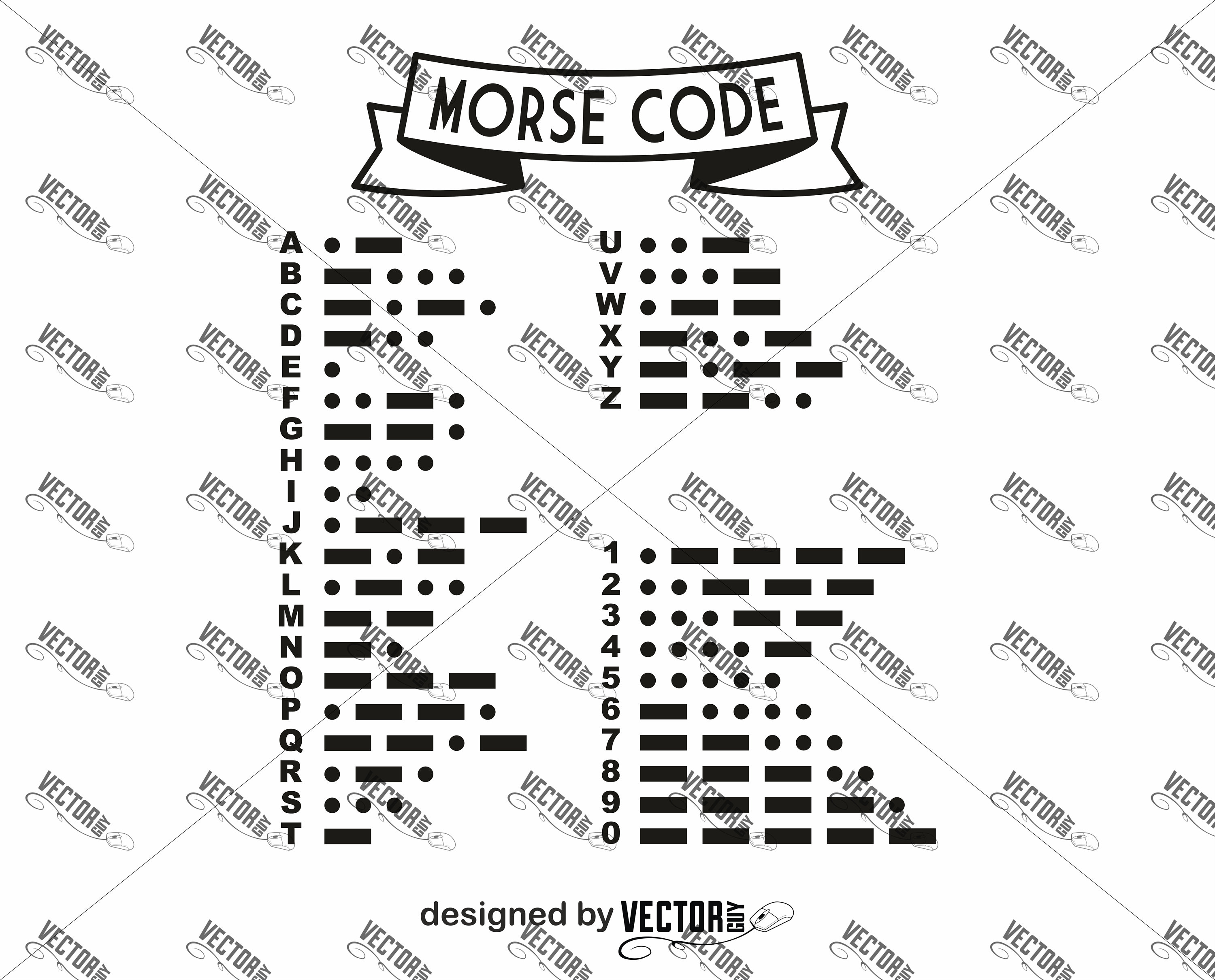
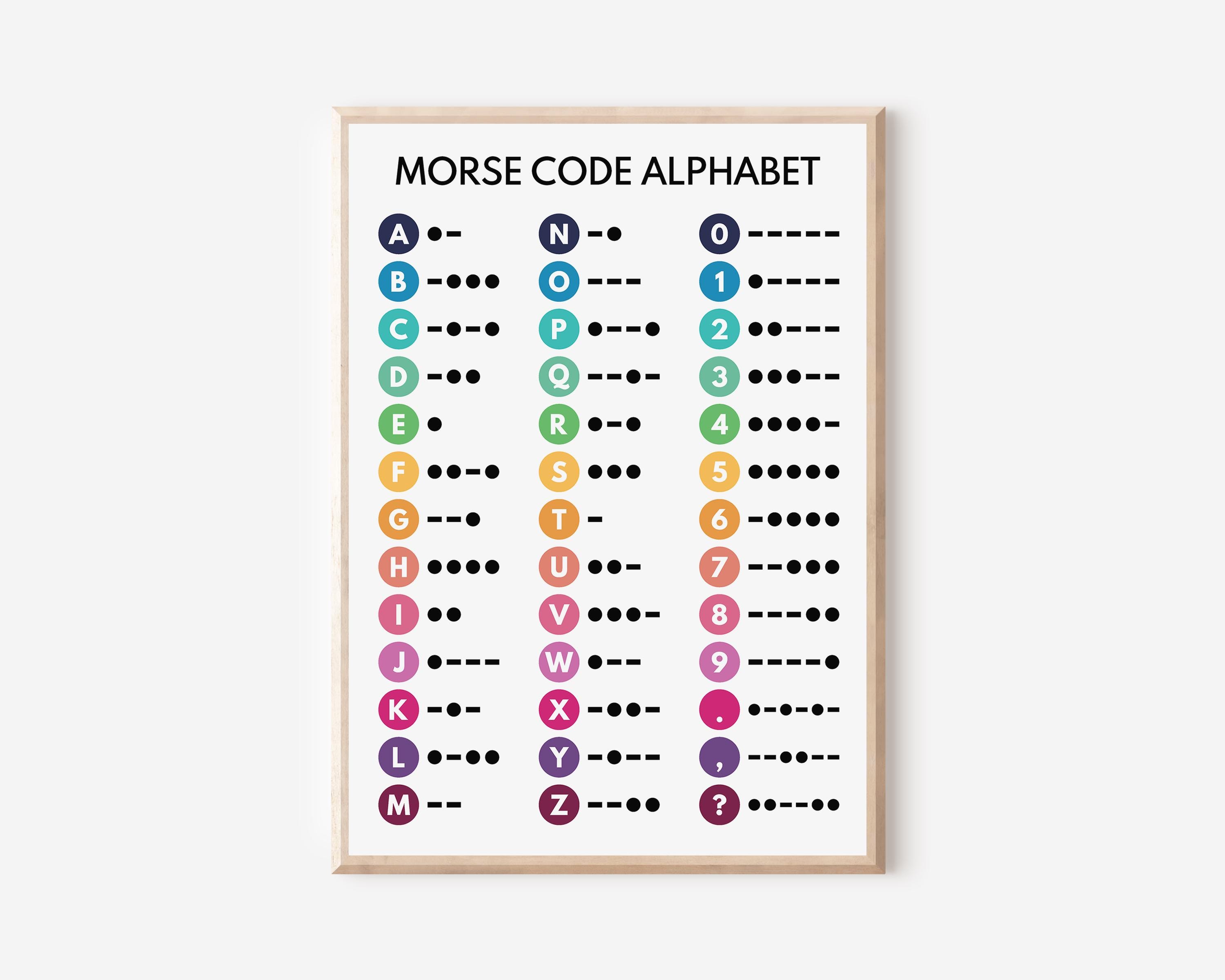
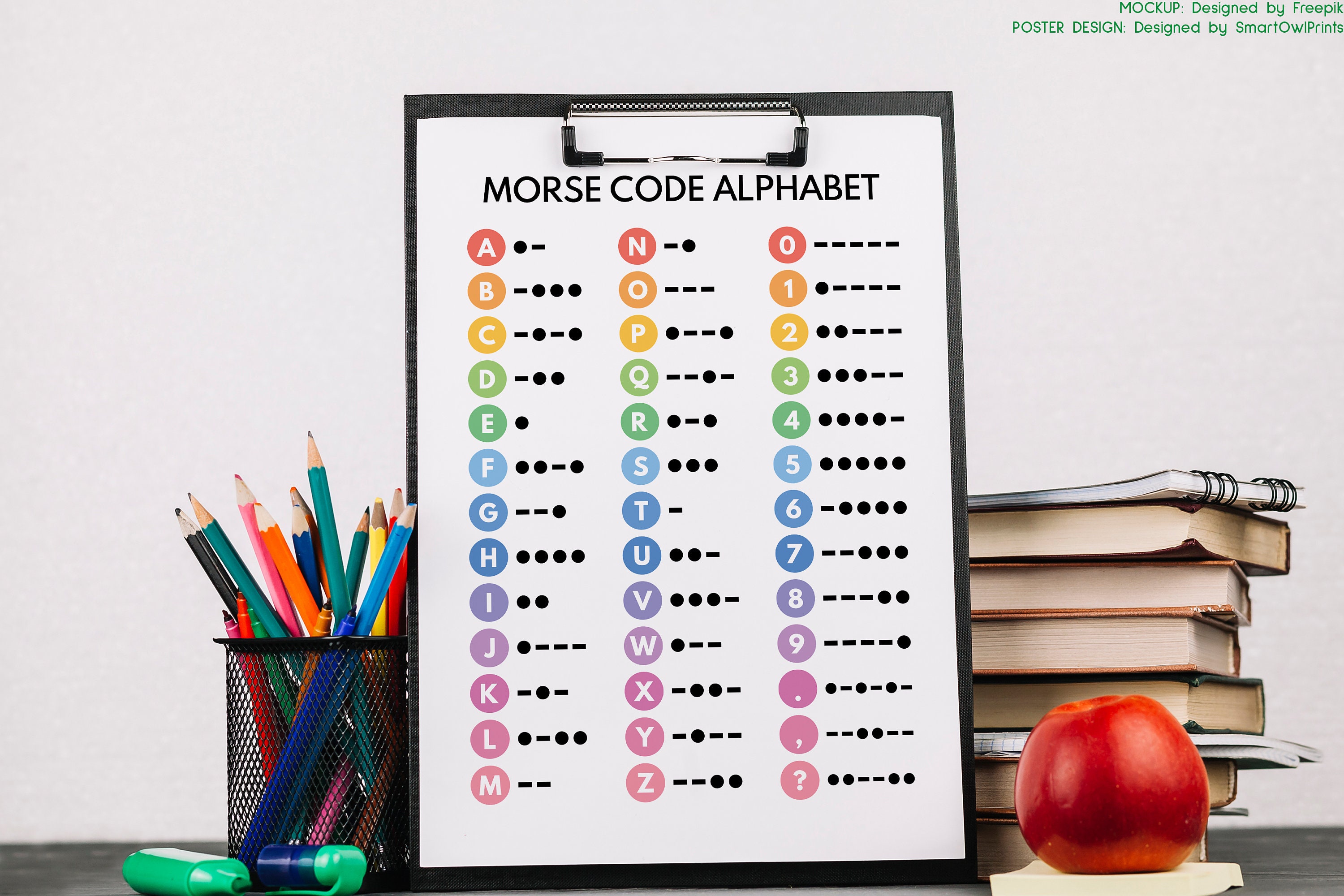
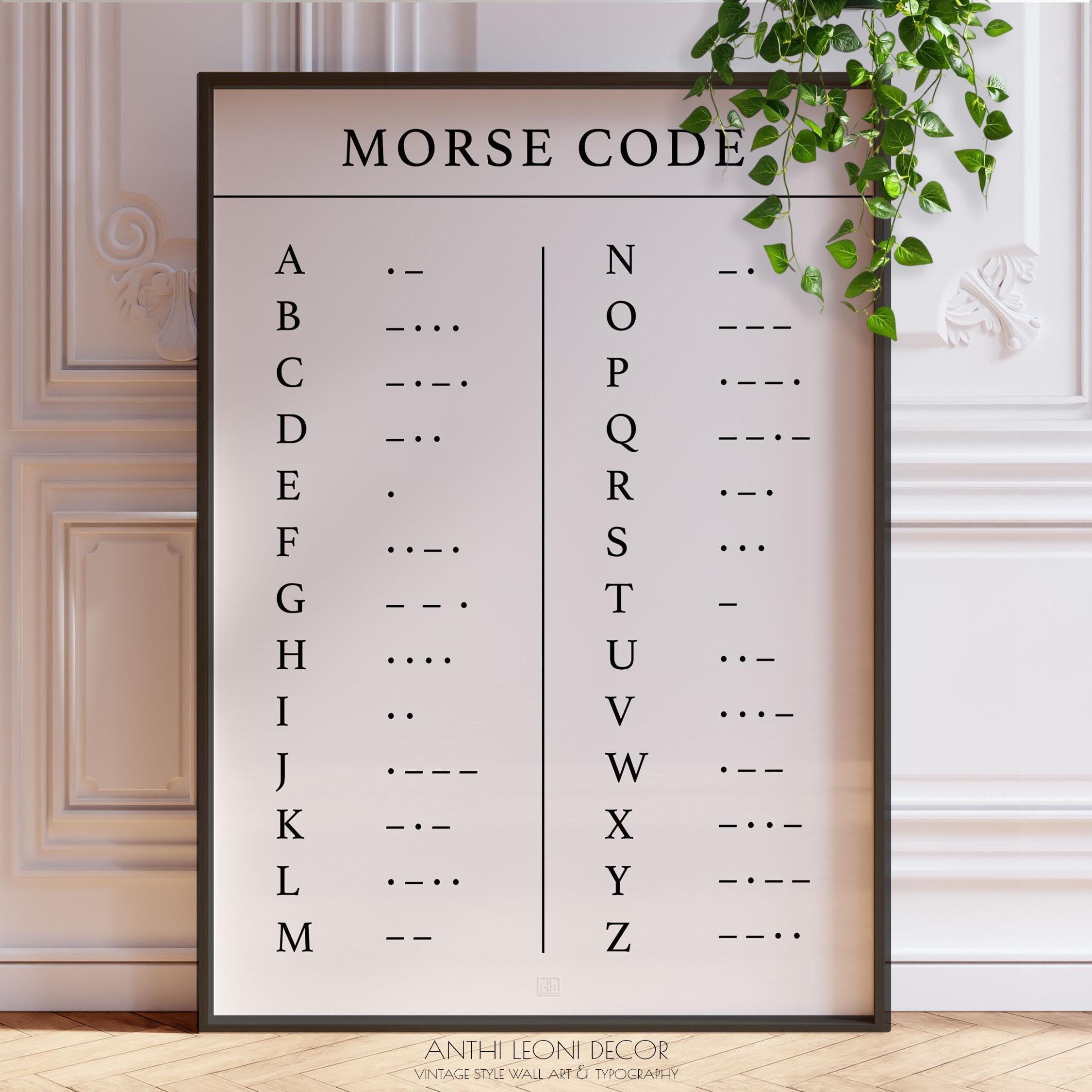
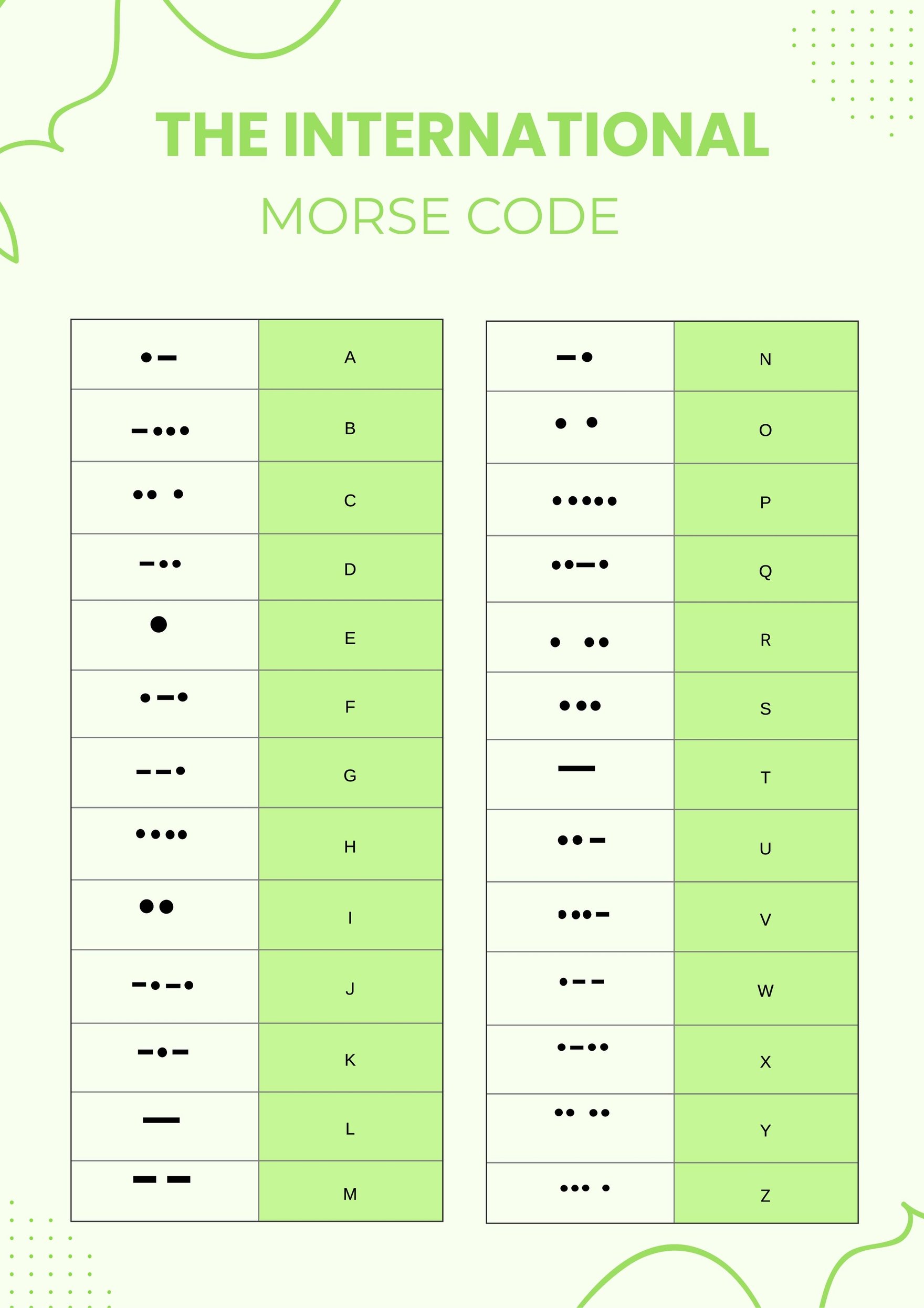
You've stumbled upon the Morris Code Chart, a handy tool that's a real lifesaver for those seeking a quick and efficient way to decipher and master Morse code. This chart is your go-to reference, offering a straightforward visual guide to understanding the international Morse code alphabet and its unique frequency patterns. It's a simple yet powerful resource, and you'll soon see why it's so popular!
The Morris Code Chart: Your Quick Reference Guide
The morris code chart is a handy tool for anyone wanting to learn or use Morse code. It provides a visual representation of the Morse code alphabet, numbers, and special characters, making it an essential reference for beginners and a quick guide for experienced users. This chart is your go-to resource for decoding and encoding messages efficiently.
International Morse Code vs. Other Standards
There are different versions of Morse code, but the most widely recognized is International Morse Code. This standard is used globally and is what the morris code chart typically represents. Other variations, like the American Morse Code or Continental Morse Code, exist but are less common and often used for specific purposes or in certain regions. It's important to note that while the basic principles remain the same, the symbols and timings can vary between these standards.
Step-by-Step Guide to Using the Morris Code Chart
Using the morris code chart is straightforward:
- Identify the character you want to encode or decode. This could be a letter, number, or special character.
- Locate the character on the chart. The chart usually arranges characters in a logical order, making it easy to find what you need.
- Read the corresponding Morse code representation. Each character has a unique sequence of dots and dashes, which you can then use to transmit or interpret the message.
- Practice and familiarize yourself with the code. The more you use the chart, the quicker you'll become at recognizing and recalling the Morse code sequences.
Common Misreadings and How to Avoid Them
One of the challenges with Morse code is the potential for misreading or misinterpretation. Here are some common pitfalls:
- Confusing similar-sounding codes: For instance, the letters "E" and "T" have very similar Morse code sequences. Practice and familiarity can help you distinguish between them.
- Mistaking the length of dashes: Dashes can vary in length, so ensure you're consistent and accurate when interpreting or transmitting.
- Overlooking the spaces: The spaces between characters and words are just as important as the dots and dashes. Pay attention to these gaps to ensure accurate decoding.
Factors Affecting Accuracy in Real-World Use
When using the morris code chart in practical situations, several factors can influence accuracy:
- Transmission quality: Interference, static, or poor signal quality can make it challenging to interpret Morse code accurately.
- Operator skill: The experience and proficiency of the person sending or receiving the message play a significant role.
- Environmental conditions: Factors like weather, distance, and the presence of obstacles can impact the clarity of the signal.
- Equipment: The type and quality of the equipment used for transmission and reception can affect the accuracy of the Morse code interpretation.
Adapting the Morris Code Chart for Specific Needs
While the morris code chart provides a standard reference, it can be adapted for specific purposes:
- Custom abbreviations: You can create your own abbreviations or shortcuts for frequently used phrases or words, making communication faster.
- Specialized charts: For certain industries or applications, specialized Morse code charts may be available, tailored to their unique needs.
- Practice and customization: Regular practice and customization of your Morse code skills can lead to creating your own efficient communication system.
Remember, the morris code chart is a versatile tool, and with practice, you can become proficient in using it for various communication needs.
Well, there you have it! A comprehensive guide to morse code charts and their practical uses. Remember, when it comes to choosing and using these charts, it's always best to consider your unique needs and the specific context you're working in. Exact values and details may vary, so be sure to double-check and adapt as required.
Feel free to explore our other guides and resources on related topics. We've got plenty of useful content to help you on your way, so take a look around and find what works for you!
Related: Learn Piano Scales: A Comprehensive Chart Guide
Many pianists, especially beginners, often overlook the power of a simple piano scales chart. It's a common misconception that these charts are only for advanced players or music theorists. However, a piano scales chart is an incredibly useful tool for all levels!
This chart is your quick guide to understanding and mastering scales. It provides a visual representation of scale patterns, intervals, and fingerings, making it easier to navigate and play scales with confidence. While there may be variations in format or notation, the essence remains the same: a practical guide to exploring major and minor scales.
Piano Scales Chart: Your Visual Guide to Musical Mastery
The piano scales chart is a powerful tool for musicians, offering a visual representation of the building blocks of music. It's like a map that helps you navigate the world of scales, providing a quick reference for understanding and playing different scale patterns. This chart is your secret weapon to mastering the piano keyboard and creating beautiful melodies.
Understanding Scale Structure: The Basics
Before diving into the chart, let's grasp some fundamental concepts. A scale is a sequence of notes that forms the foundation of music. There are two main types: major and minor scales, each with its unique sound and mood. The chart typically displays these scales in a standardized format, showing the notes and their intervals. You'll find scale degree names, like "tonic" or "dominant," which are essential for understanding the structure.
Reading Scale Charts: A Step-by-Step Guide
Using the piano scales chart is straightforward. Here's a simple guide:
- Identify the scale you want to learn. Let's say it's the C major scale.
- Locate the C major scale on the chart. It will show the notes in sequence, often with fingerings to guide your playing.
- Follow the notes and fingerings, playing each one on your piano.
- Practice the scale until you can play it smoothly and confidently.
- Repeat this process for other scales, exploring the various patterns and sounds.
Common Scale Variations: Navigating Differences
While the piano scales chart provides a standard reference, scales can vary depending on the musical context. Different styles, such as jazz or classical, may use unique scale variations. Additionally, some scales have multiple forms, like the harmonic minor scale, which has a distinct sound compared to its natural minor counterpart. It's essential to explore these variations and understand their applications to become a versatile musician.
Mistakes to Avoid: Common Pitfalls
When working with the piano scales chart, it's crucial to avoid common mistakes. One pitfall is rushing through the learning process. Take your time to understand each scale and its characteristics. Another mistake is neglecting to practice the scales in context. Apply them to real songs or exercises to reinforce your understanding and muscle memory.
Practical Tips for Accurate Results
To get the most out of your piano scales chart, consider these practical tips:
- Start with the basic major and minor scales. These are the foundation for many other scales and musical concepts.
- Practice regularly, even if it's just a few minutes each day. Consistency is key to mastering scales.
- Explore different piano scale patterns and intervals to expand your musical vocabulary.
- Use the chart as a reference, but also try to internalize the scales by playing them from memory.
- Challenge yourself with more complex scales once you've mastered the basics.
Remember, the piano scales chart is a valuable tool, but it's just the beginning. Practice, experimentation, and a deep understanding of music theory will take your piano skills to new heights. Happy practicing!
Well, there you have it! A piano scales chart is a handy tool to keep close by, offering a quick and easy reference for your musical adventures. Remember, while this guide provides a solid foundation, exact values might shift slightly based on the source or standard you follow.
So, before you dive in, ensure you're using the right chart for your specific needs. And hey, why not bookmark this page for future musical missions? It's always good to have a reliable resource at your fingertips!