





American Indian Coloring Pages Overview
"Hmm, I wonder who's behind those construction sites around town." If you've ever asked yourself that question, you're not alone. We often see the results of their work but rarely think about the names and faces of the companies bringing these projects to life. So, let's explore the world of American building company names and uncover some practical insights.
Unraveling the Mystery of Building Company Names
American building company names are more than just words; they represent the identity and reputation of a business. These names can be a simple reflection of the services they offer, like "Atlanta Construction Co.," or they might aim for a more creative and memorable brand, such as "Build-It-Right Builders." The name a company chooses can impact how it's perceived by customers and even influence its success.
When it comes to naming your construction business, consider the following:
- Simplicity and Clarity: Opt for a name that's easy to understand and remember. Avoid complex or obscure references that might confuse potential clients.
- Local Appeal: Incorporating a city or region's name can help establish a strong local presence. For instance, "Helena Home Remodelers" instantly connects with residents of Helena.
- Uniqueness: While local appeal is important, ensure your name stands out. You don't want to be confused with other companies, especially competitors.
- Availability: Before settling on a name, check its availability for business registration, domain names, and social media handles. You don't want legal issues or to miss out on online visibility.
Here are a few original name ideas to inspire you:
- "Build-Pro Construction"
- "Renovation Revolution"
- "Craftsman's Corner"
- "HomeCraft Builders"
- "Bay Area Builders"
- "Hammer & Nail Construction"
The Practical Side of Building Companies
Beyond names, it's essential to know what to expect when hiring a building company. Whether you're planning a home renovation or a new construction project, here are some tips:
- Research and References: Look for companies with a solid track record. Check online reviews and ask for references from past clients.
- Insurance and Licensing: Ensure the company is properly insured and licensed to operate in your area. This protects you in case of accidents or disputes.
- Clear Communication: A good building company will provide detailed estimates and keep you informed throughout the project. Clear communication is key to a successful outcome.
- Compare Quotes: Get multiple quotes to understand the range of prices. Remember, the cheapest option isn't always the best. Consider the company's reputation, experience, and the clarity of their proposal.
A Peek into the Industry
The construction industry is vast, and it's fascinating to explore some of its aspects. Tools like RSMeans provide cost estimating databases, which are essential for accurate project budgeting. These databases consider various factors, ensuring builders can offer competitive quotes.
When it comes to jobs, the construction industry offers a range of roles, from general contractors overseeing entire projects to specialized tradespeople like electricians and plumbers. Salaries can vary widely depending on experience, skills, and the specific role. If you're interested in construction jobs, check local job boards and company websites for openings.
Large construction companies often have a national or even international presence. They handle major projects and have the resources to take on complex jobs. In contrast, smaller companies might focus on local projects and offer more personalized services.
Wrapping Up
Exploring American building company names has given us a glimpse into the world of construction and the considerations that go into building a successful business. Whether you're a homeowner planning a renovation or someone interested in the industry, I hope this has provided some valuable insights. Remember, when it comes to construction, knowledge is power, and a well-chosen company name can be a great first step towards success.
Related: Full Home Remodeling Complete Guide
"Full home remodeling" is a big project, and it's easy to feel overwhelmed when you're just getting started. But it can be a fun and rewarding process if you know what you're doing. So, let's break it down and make it a bit more manageable!
Understanding Full Home Remodeling
Full home remodeling is exactly what it sounds like: taking your entire home and giving it a complete makeover. It's not just about updating one room or adding a new feature; it's a comprehensive transformation. This could mean updating the layout, adding extensions, modernizing the design, and even making structural changes. It's a chance to create a space that truly reflects your style and needs.
When considering full home remodeling, it's important to think about the scope of the project. Are you looking to modernize an outdated home, increase its value, or adapt it to your changing lifestyle? The reasons and goals will influence the decisions you make. For example, if you're aiming for a high-end, luxury feel, the materials and finishes you choose will be different from a more budget-conscious renovation.
Finding the Right Contractor
One of the biggest decisions you'll make is choosing a contractor. This person or company will be responsible for managing the entire project, so it's crucial to find someone reliable and experienced. Ask for recommendations from friends or check online reviews. You want someone who has a good track record and can provide references.
Before hiring, make sure to ask about their experience with similar projects. Get a sense of their communication style and whether they're responsive to your needs and concerns. A good contractor will guide you through the process, offer suggestions, and provide a detailed estimate.
Costs and Budgeting
The cost of a full home remodeling project can vary greatly. It depends on factors like the size of your home, the complexity of the design, the materials used, and the local labor rates. To get an accurate estimate, you'll need to provide detailed plans and specifications to multiple contractors. Compare their quotes, but remember that the cheapest option isn't always the best. Look for a balance between quality and price.
Naming Your Construction Business
If you're a contractor or thinking of starting a construction business, choosing a name is an important step. It should be memorable, unique, and reflect the services you offer. Avoid generic names and try to incorporate something that stands out. Here are a few ideas:
- Build-it-Right Construction
- Modern Space Renovations
- Crafted Homes
- Renaissance Builders
- Green Mountain Construction
- Skyward Builders
Remember to check the availability of the name, domain, and local registration before finalizing it.
Construction Jobs and Salaries
The construction industry offers a wide range of roles, from general contractors and project managers to specialized tradespeople like electricians and plumbers. Salaries can vary depending on experience, location, and the specific role. If you're looking for construction jobs, check online job boards, local newspapers, or even reach out to construction companies directly. Many also hire through word-of-mouth recommendations.
Industry Tools and Data
In the construction world, tools like RSMeans provide valuable data and cost estimates. These resources help contractors and estimators calculate project costs accurately. They take into account various factors like labor rates, material prices, and local market conditions. It's a useful tool for both professionals and homeowners to get a realistic idea of the expenses involved in a project.
Large vs. Small Construction Companies
The construction industry has a mix of large and small companies. Large firms often have the resources to take on bigger projects and may have more specialized teams. They might also have better access to certain materials and equipment. On the other hand, smaller companies can offer more personalized service and may be more flexible with their approach. It's a matter of finding the right fit for your project.
So, there you have it! A quick guide to understanding full home remodeling. It's an exciting process, and with the right planning and research, you can turn your vision into a reality.
Related: Understanding the Youth Sizes Chart
Many folks assume that a youth sizes chart is just for clothes, but it's so much more! While it's true that these charts are essential for nailing the perfect fit in kids' clothing, they also cover a wide range of products, from shoes to sports gear. A quick glance at a youth sizes chart can save you time and ensure an accurate fit, whether you're shopping for your own kids or buying a gift.
Understanding the Youth Sizes Chart
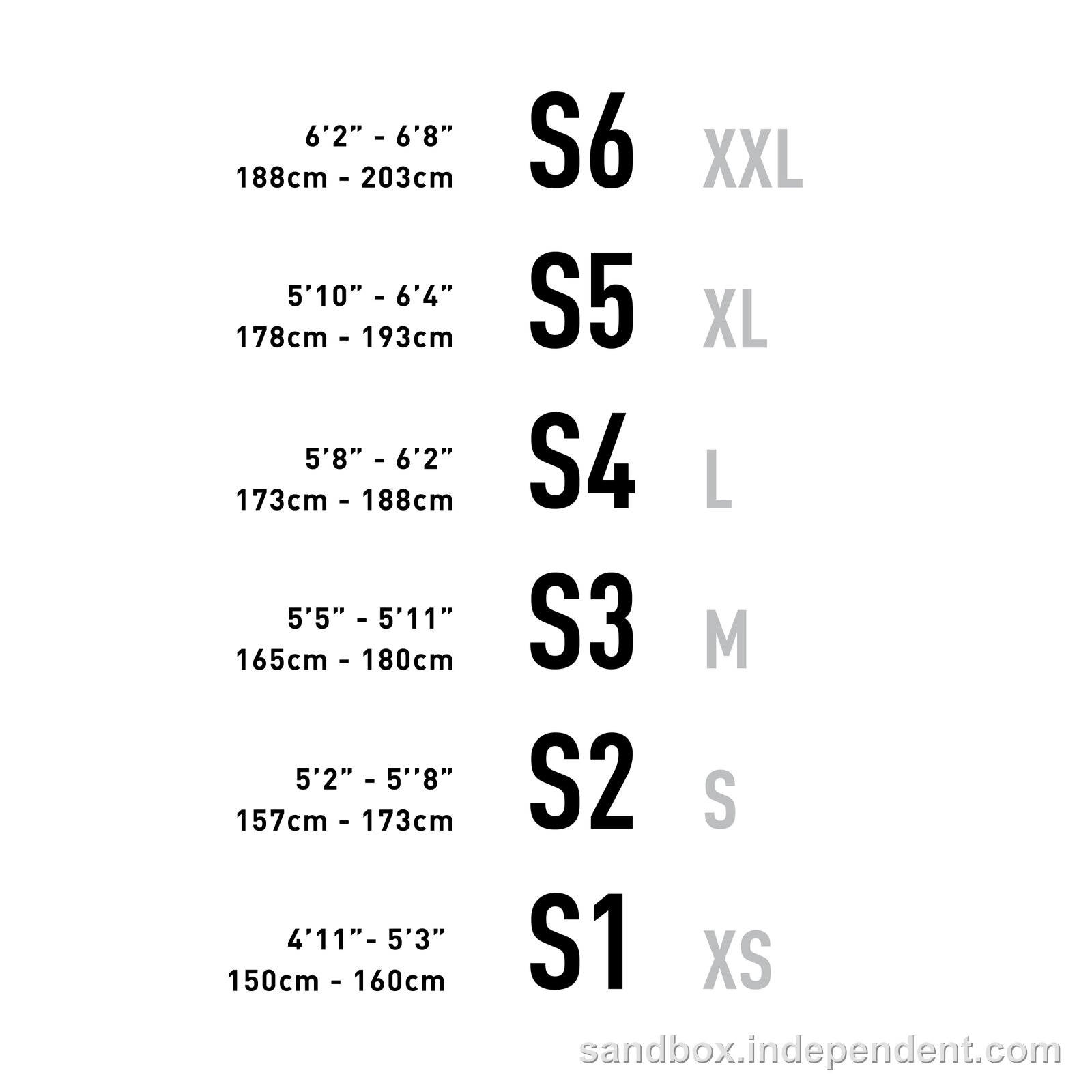
The youth sizes chart is a handy reference tool for parents and caregivers to navigate the world of kids' clothing and footwear sizing. It provides a standardized guide to help you choose the right size for your child, ensuring a comfortable and well-fitted outfit. This chart is a valuable resource, especially when shopping online or for specific brands, as it can vary from the standard.
Comparing Standards and Formats
There are a few key standards and formats to be aware of when using a youth sizes chart. The most common are the US standard, which is widely used in North America, and the metric or international standard, which is more prevalent in Europe and many other parts of the world. These standards may have slight variations in measurements and categories, so it's essential to know which one you're dealing with. Additionally, some brands might have their own unique sizing systems, especially for specialized sportswear or fashion lines.
Step-by-Step Guide to Using the Chart
Here's a simple process to follow when using a youth sizes chart:
Identify the standard: Determine whether you're using the US or metric standard. This information is usually indicated on the chart or provided by the retailer.
Measure your child: Take accurate measurements of your child's body, including height, weight, and key dimensions like chest, waist, and hip circumference. You can use a measuring tape or refer to existing measurements if you have them.
Locate the relevant category: Using the measurements, find the corresponding size category on the chart. This will typically involve matching height and weight ranges or specific body measurements.
Check the brand's fit: Some brands may have a slightly different fit or style, so it's a good idea to check their size guide or reviews to ensure the chosen size will fit as expected.
Consider growth: If you're buying for a growing child, you might want to opt for a slightly larger size to allow for growth spurts. Just ensure it's not too loose, as this can affect comfort and safety, especially with footwear.
Common Misreadings and How to Avoid Them
One of the most common mistakes is assuming that all brands and retailers use the same sizing standards. Always double-check the specific brand's guidelines or consult the youth sizes chart for that particular brand if available. Another pitfall is relying solely on age-based sizing, as children's growth rates vary, and this method may not always provide an accurate fit. It's best to measure your child and refer to the chart for a more precise size recommendation.
Factors Affecting Accuracy
When using a youth sizes chart, keep in mind these key factors that can influence the accuracy of the size selection:
Growth spurts: Children's bodies can change rapidly, so regular measurements are essential to ensure the chosen size is still appropriate.
Brand variations: As mentioned, different brands may have unique sizing systems, so always check their guidelines.
International travel: If you're shopping while traveling abroad, be aware of the different standards and ensure you're using the correct chart or guidelines.
Activity-specific sizing: For sports or specialized clothing, the fit and sizing may differ, so consider the purpose of the garment.
Adapting the Chart for Specific Needs
While the youth sizes chart provides a general guide, you might need to adapt it for specific situations. For example, if your child has a unique body shape or is particularly tall or short for their age, you may need to adjust the size selection accordingly. Some charts offer extended size ranges or special categories for these cases. It's also worth noting that certain clothing items, like coats or jackets, may have a more relaxed fit, so you might opt for a larger size to allow for layering.
Keeping Your Reference Reliable
To ensure you have a reliable reference for future purchases, consider the following:
Update measurements: Regularly measure your child's body dimensions, especially during growth spurts or seasonal changes.
Save the chart: Keep a digital or physical copy of the youth sizes chart you're using, along with any brand-specific size guides.
Share with caregivers: If others, like grandparents or babysitters, are shopping for your child, ensure they have access to the correct sizing information.
Check for updates: Sizing standards and brand guidelines can change over time, so periodically review the charts and guides to stay up-to-date.
So, there you have it! You're now equipped with a comprehensive understanding of youth sizes and how to navigate the various charts and standards. Remember, it's always a good idea to cross-reference and ensure you're using the right measurements for your specific needs.
Feel free to explore our other guides for more practical tips and tricks. We've got you covered with a range of handy resources to make your life easier!