How to Read a Chest Size Chart?
Our chest size chart offers clear reference values and an easy guide to reading and understanding the chart. Check it out now!
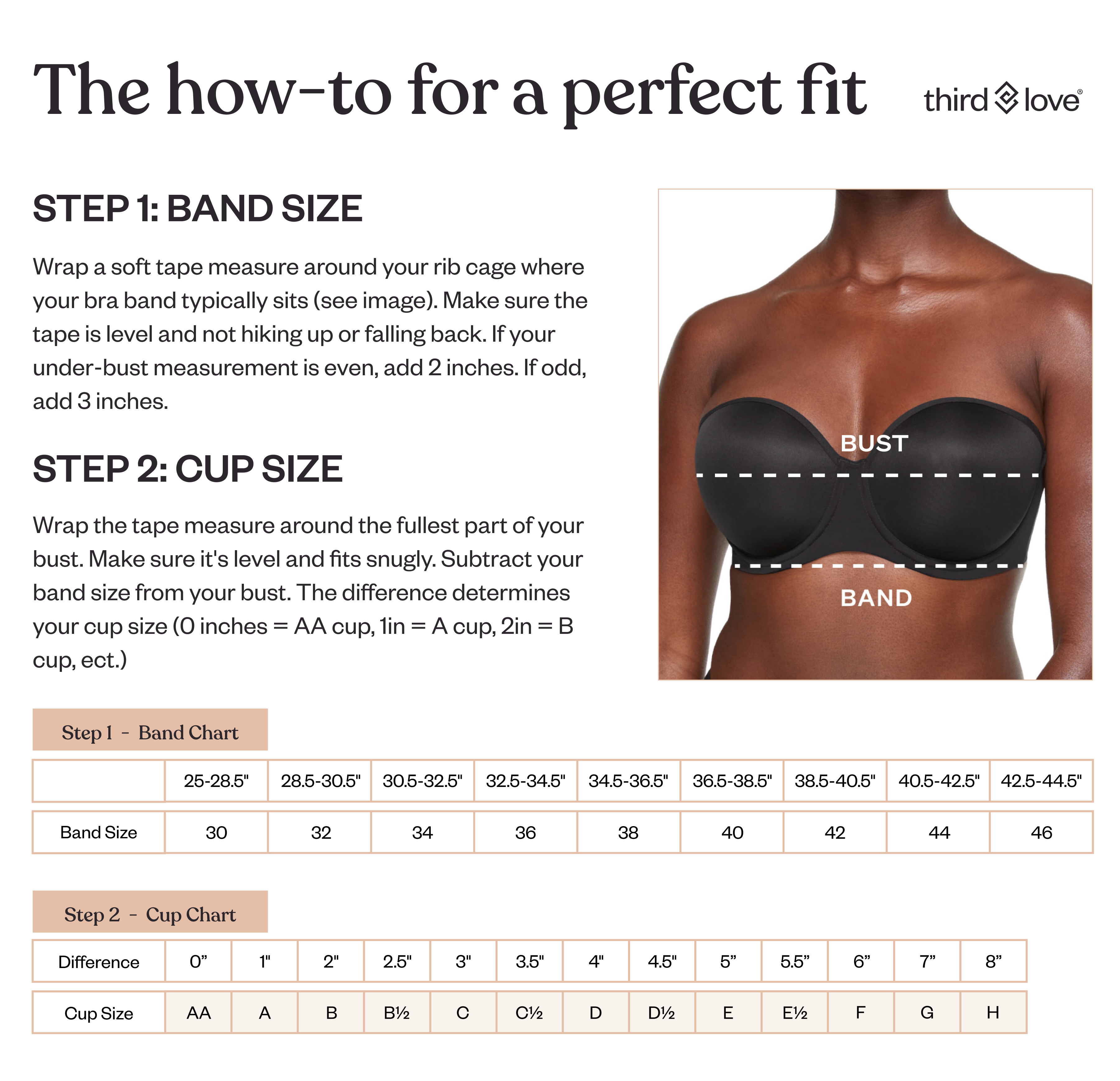
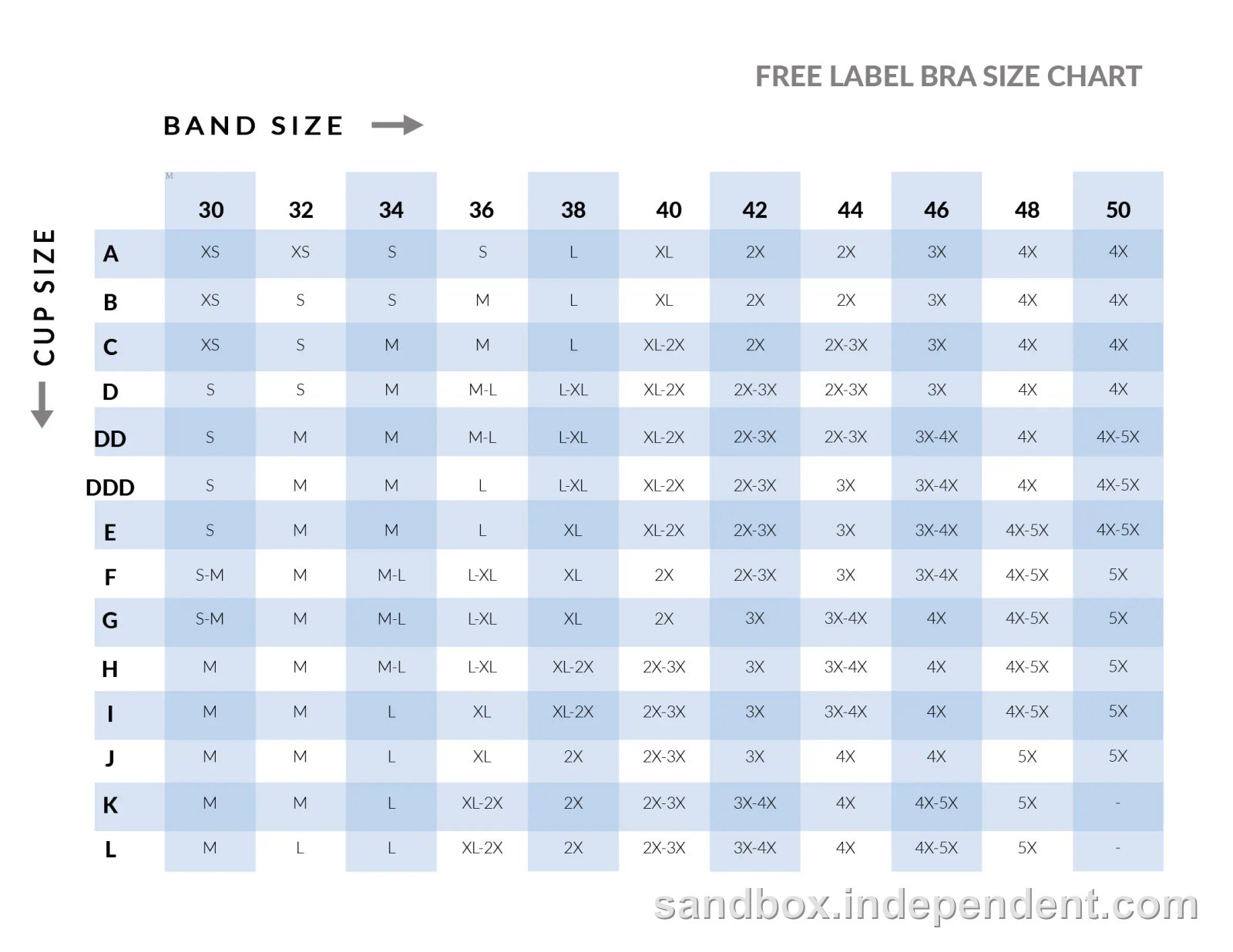
You're probably here because you need a quick answer, and who can blame you? A chest size chart is a handy tool, offering a simple visual guide to understanding bra sizes and fit. It's a reference that can save you time and ensure you get the right size, every time. These charts can vary slightly, but they're an essential guide for anyone wanting an accurate bra size and a comfortable fit.
Understanding the Chest Size Chart
The chest size chart is a handy tool to help you find the right fit for clothing and accessories, especially when shopping online. It provides a reference for measuring and understanding your chest size, ensuring you make informed choices. This chart is particularly useful for women's sizing, including bra size charts, but it can also guide men's clothing choices.
Comparing Measurement Standards
Measurement standards can vary depending on the region and manufacturer. For example, the US and international (metric) systems have different size categories and ranges. The chest size chart typically includes both systems, making it versatile. It's essential to check which standard is being used to ensure accuracy.
Measuring Accurately: A Step-by-Step Guide
- Prepare a flexible measuring tape. Ensure it's not too tight or loose.
- Stand in a relaxed position, with your arms slightly away from your sides.
- Measure the fullest part of your chest, usually across the nipple line.
- Wrap the tape around your body, ensuring it's level and parallel to the floor.
- Take the measurement in inches or centimeters, depending on the standard.
- Refer to the chest size chart to find your size. It will provide a range of measurements and corresponding sizes.
- If you fall between sizes, consider the fabric's stretch and your personal preference for a snug or loose fit.
Common Mistakes and How to Avoid Them
One common mistake is measuring too tightly or too loosely. This can lead to an inaccurate reading and an ill-fitting garment. Always ensure the tape is snug but not constricting. Another pitfall is assuming all brands use the same sizing. Different manufacturers may have slight variations, so it's best to refer to their specific size charts. Additionally, some charts may not cover all body types, so be mindful of any special considerations you may have.
Factors Affecting Accuracy and Real-World Use
Several factors can influence the accuracy of your chest size measurement. These include your posture during measurement, the type of clothing you're wearing, and any recent weight changes. It's essential to stand upright and maintain a consistent posture. The fabric of your clothing can also affect the measurement, so consider measuring over a thin, form-fitting garment. If you've recently gained or lost weight, your chest size may have changed, so it's beneficial to remeasure periodically.
So, now you're equipped with a handy chest size chart and the knowledge to use it effectively. Remember, these charts provide a great starting point, but it's always wise to consider your unique needs and measurements.
Don't forget to check out our other guides for more practical tips and insights. We've got a range of topics to explore, so feel free to browse and discover something new!
Images